


The Google Pixel 7 Pro continues to impress in 2026 with its class-leading computational photography, pure Android experience, and distinctive design. Years after launch, the Tensor G2-powered flagship still delivers exceptional real-world performance and AI features that rival newer devices. This in-depth review examines whether the Pixel 7 Pro remains a smart purchase for photography enthusiasts and Android purists.
Table of Contents
Key Specifications
| Feature | Detail |
|---|---|
| Display | 6.7-inch LTPO OLED, 1440×3120 (QHD+), 120Hz adaptive refresh rate, 1500 nits peak brightness |
| Processor | Google Tensor G2 with Titan M2 security chip |
| RAM & Storage | 12GB LPDDR5 RAM, 128/256/512GB UFS 3.1 storage (no microSD) |
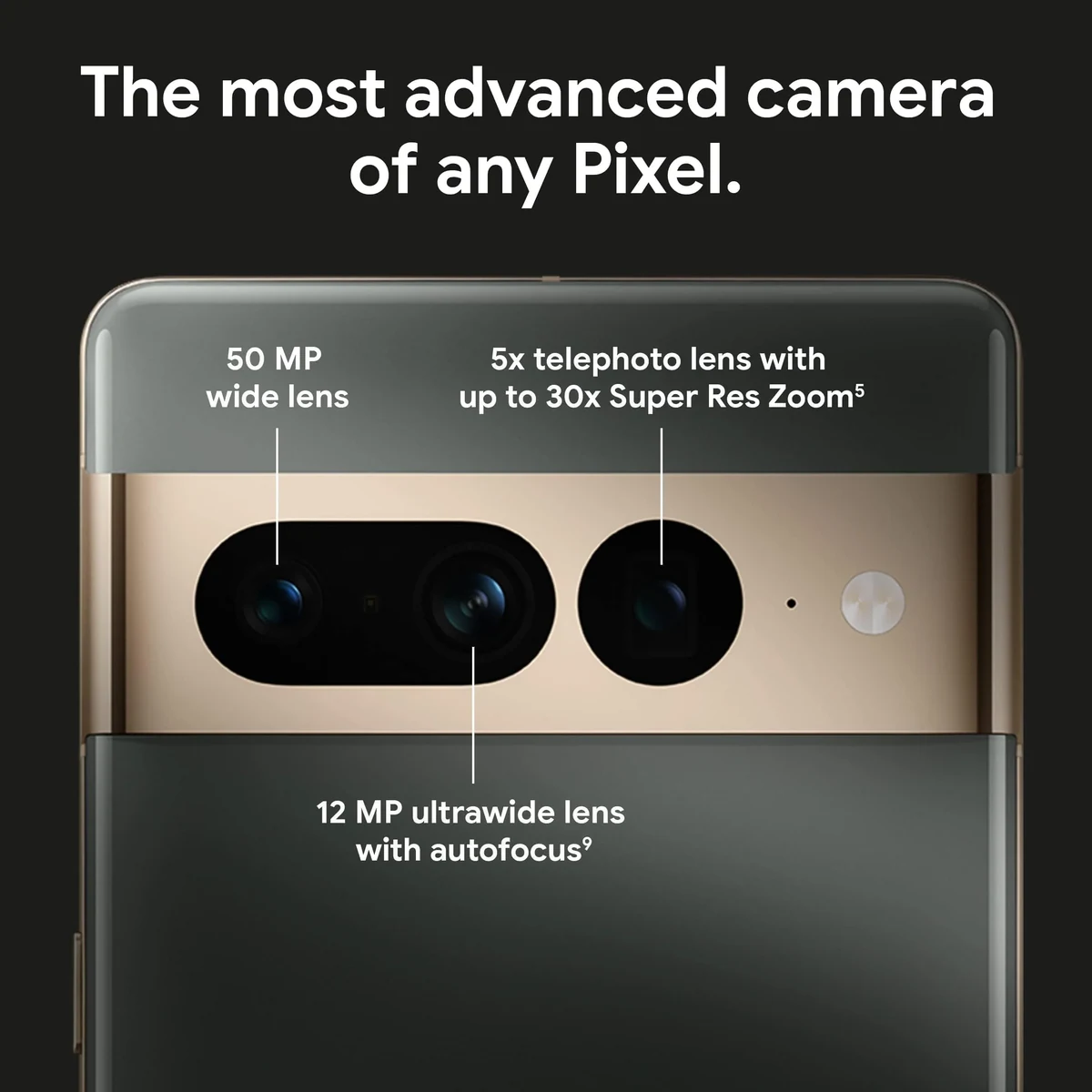
| Rear Cameras | 50MP main (f/1.9), 48MP ultrawide (f/2.2, 114°), 48MP 5x telephoto (f/3.5) |
| Front Camera | 10.8MP (f/2.2) |
| Battery | 5000mAh with 30W wired, 23W wireless, reverse wireless charging |
| Software | Android 16 (updated in 2026) with continued security patches |
| Build & Durability | IP68 rating, Gorilla Glass Victus front and back, aluminum frame, 212g |
Design & Build Quality
The Google Pixel 7 Pro features one of the most recognizable smartphone designs of its era with the signature camera bar that spans the full width of the device. In 2026 it still looks fresh and premium thanks to the combination of polished glass on the rear and a matte aluminum frame that resists fingerprints remarkably well. The flat sides and subtle curves make it comfortable to hold despite its substantial 212-gram weight, though the prominent camera bar does cause the phone to rock slightly when placed on a flat surface.
Build quality remains excellent with IP68 dust and water resistance that has proven reliable over years of use. The 6.7-inch display uses ultra-thin bezels and a gently curved edge that enhances the immersive feel without the extreme curves found on some competitors. Available in sophisticated colors like Obsidian, Snow, and the beautiful Hazel finish, the Pixel 7 Pro projects a confident, understated premium aesthetic that prioritizes function and distinctiveness over flashy trends.
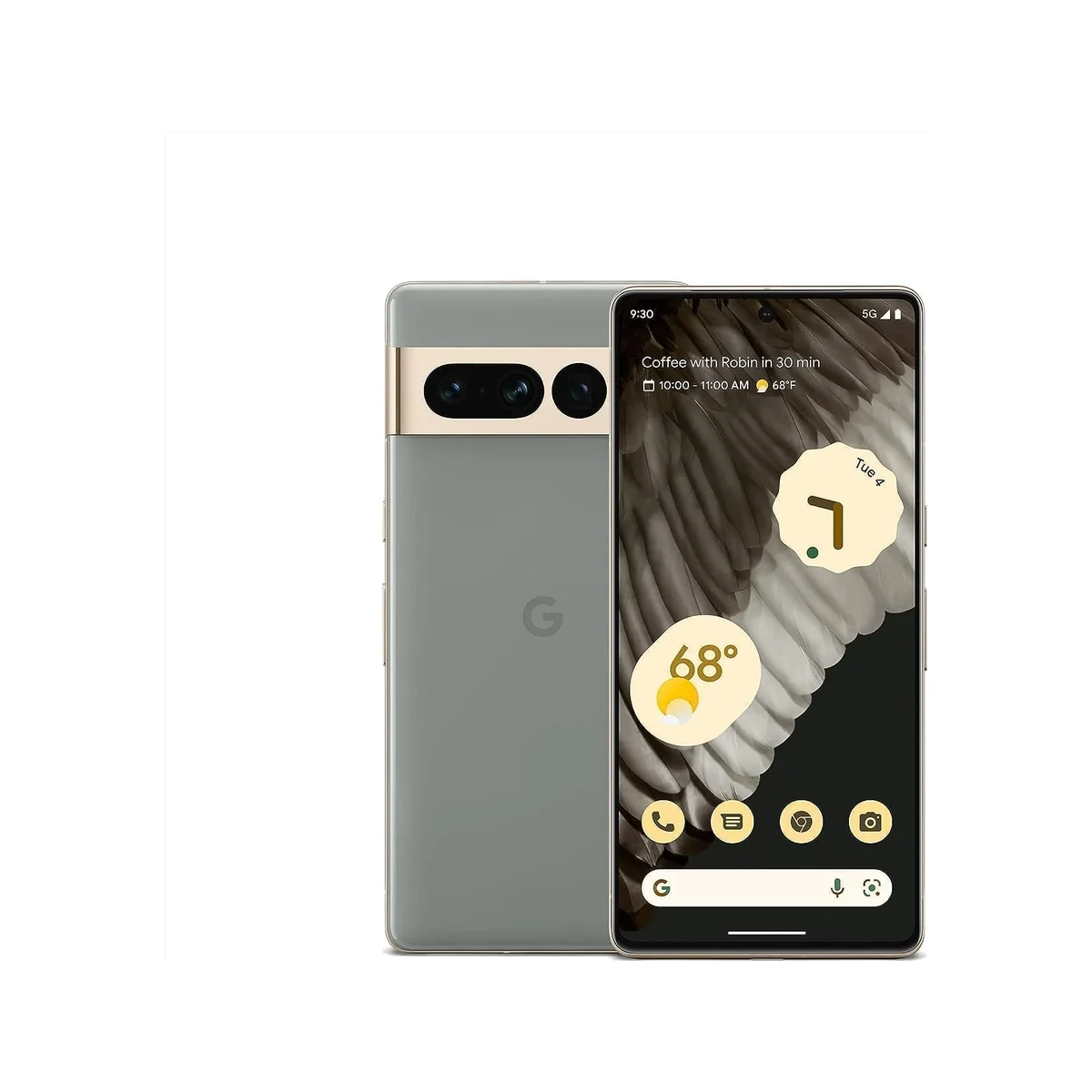
Ergonomics are generally good for a large phone, though users with smaller hands may find one-handed operation challenging. The power button and volume rocker are well-placed with satisfying tactile feedback, and the under-display fingerprint sensor has become more reliable through software updates over the years.
Performance
The Google Tensor G2 chipset was designed with AI and photography in mind rather than raw benchmark dominance, and that philosophy remains evident in 2026. While it doesn’t match the latest Snapdragon 8 Gen 4 or Apple A-series chips in synthetic tests, the Pixel 7 Pro delivers exceptionally smooth day-to-day performance thanks to Google’s deep software optimization. Apps launch quickly, multitasking is fluid, and the phone rarely feels sluggish during normal use including social media, productivity, and light gaming.
In benchmarks, the device typically scores around 850,000 on AnTuTu and approximately 3,500 multi-core on Geekbench 6. Where the Tensor G2 truly shines is in on-device AI processing, enabling features like real-time translation, Magic Editor enhancements, and advanced photo processing that still feel cutting-edge. Gaming performance is adequate for most titles at medium to high settings, though sustained demanding sessions can trigger thermal throttling as the phone warms up noticeably.
Battery life remains respectable with the 5000mAh cell easily delivering a full day of moderate to heavy use. The 30W charging speed feels dated by 2026 standards, taking roughly 75 minutes for a full charge, but wireless charging support and excellent power management help mitigate this limitation. Overall, the Pixel 7 Pro prioritizes consistent, intelligent performance over peak theoretical speeds.
Features & Software
Google’s clean Android implementation remains the gold standard for many enthusiasts, and the Pixel 7 Pro continues receiving feature drops and security updates well into 2026. The software experience is remarkably bloat-free, responsive, and filled with thoughtful touches like At a Glance widgets, Now Playing music recognition, and the excellent Call Screen feature that has only improved over time.
Standout features include the legendary camera system with its computational photography prowess. Tools like Magic Eraser, Photo Unblur, and Real Tone deliver results that many newer phones still struggle to match consistently. The 5x optical zoom telephoto lens provides sharp, natural-looking images across various lighting conditions. Additional perks include UWB support for precise tracking, stereo speakers with rich sound, and seamless integration with Google’s ecosystem of services.

Value Proposition
In 2026, the Pixel 7 Pro represents exceptional value as its street price has dropped significantly from its original $899 launch price. For users primarily interested in photography, clean software, and AI features, it frequently outperforms newer mid-range devices while offering flagship-level camera hardware. The long software support period means the device remains secure and capable years after competitors from the same era have been forgotten.
When compared to current mid-range and upper-mid-range alternatives, the Pixel 7 Pro delivers a more premium experience and superior camera performance for a similar or lower cost. While it lacks the fastest processor or charging speeds, its unique strengths in computational photography and pure Android experience provide compelling value that many tech-savvy buyers will find difficult to ignore.
How It Compares
Against the Samsung Galaxy S24, the Pixel 7 Pro offers more natural color science and superior point-and-shoot photography, while Samsung provides a faster processor, brighter display, and faster charging. The Galaxy’s One UI is more feature-rich but lacks the pure, uncluttered elegance of stock Android that Pixel fans love.

When compared to the Apple iPhone 16 Pro, the Pixel 7 Pro trades the iPhone’s superior video recording capabilities and ecosystem integration for better zoom photography, more useful AI editing tools, and significantly lower cost in the current market. Both deliver premium experiences but cater to different preferences regarding mobile photography and software philosophy.
Pros and Cons
Pros
- Exceptional computational photography that still competes with 2026 flagships in most scenarios.
- Clean, bloat-free Android experience with continued updates and useful AI features.
- Distinctive premium design with durable build quality and IP68 protection.
- Bright, colorful LTPO display excellent for media consumption and outdoor visibility.
- Strong AI capabilities for on-device photo editing and productivity tools.
Cons
- The Tensor G2 processor shows its age with thermal throttling during intensive tasks in 2026.
- 30W charging speed feels slow compared to competitors offering 65W or faster wired charging.
- The prominent camera bar can collect dust and causes the phone to wobble on flat surfaces.
- Battery life, while adequate, falls short of newer devices with more power-efficient chipsets.
- Limited to 12GB RAM with no option for higher configurations available on newer models.
FAQ
Q: Is the Google Pixel 7 Pro still worth buying in 2026?
A: Yes, particularly at its current reduced prices. It excels in photography and software experience, making it an excellent choice for users who don’t need the absolute latest processor.
Q: How long will the Pixel 7 Pro receive software updates?
A: Google originally promised five years of security updates from launch. In 2026 it continues receiving patches, though major Android version updates may have concluded.
Q: Does the Pixel 7 Pro camera still hold up against newer phones?
A: Absolutely. Its computational photography, natural colors, and Magic Editor tools remain competitive with many 2026 releases, especially in still photography.
Q: Is the Google Pixel 7 Pro good for gaming?
A: It’s suitable for casual and mid-tier gaming but may experience thermal throttling and reduced frame rates in the most demanding titles compared to phones with flagship Snapdragon chips.
Q: Does the Pixel 7 Pro support wireless charging?
A: Yes, it supports 23W wireless charging and reverse wireless charging, though speeds are modest by current standards.
Verdict
The Google Pixel 7 Pro remains an outstanding choice in 2026 for photography enthusiasts, Android purists, and anyone seeking premium features without paying current flagship prices. Its camera system, clean software experience, and distinctive design continue to deliver satisfaction that many newer devices fail to match in everyday use. If you value exceptional computational photography and a refined, bloat-free user experience over raw processing power and ultra-fast charging, the Pixel 7 Pro is still highly recommended.
Pros
- ✓ Exceptional computational photography that still competes with 2026 flagships in most scenarios.
- ✓ Clean, bloat-free Android experience with continued updates and useful AI features.
- ✓ Distinctive premium design with durable build quality and IP68 protection.
- ✓ Bright, colorful LTPO display excellent for media consumption and outdoor visibility.
- ✓ Strong AI capabilities for on-device photo editing and productivity tools.
Cons
- ✗ The Tensor G2 processor shows its age with thermal throttling during intensive tasks in 2026.
- ✗ 30W charging speed feels slow compared to competitors offering 65W or faster wired charging.
- ✗ The prominent camera bar can collect dust and causes the phone to wobble on flat surfaces.
- ✗ Battery life, while adequate, falls short of newer devices with more power-efficient chipsets.
- ✗ Limited to 12GB RAM with no option for higher configurations available on newer models.
Where to Buy the Google Pixel 7 Pro





Prices may vary. Affiliate links — we may earn a commission at no extra cost to you.
Related Reviews

Affiliate links — we may earn a commission at no extra cost to you.