









The Nikon Z6 III represents a significant leap forward for Nikon’s mid-range full-frame mirrorless cameras. Featuring a partially stacked 24.5MP sensor, class-leading AI autofocus, and professional 6K video capabilities, it delivers performance that challenges cameras twice its price. In this 2026 review, we explore whether the Z6 III is the ultimate hybrid tool for discerning photographers and videographers.
Table of Contents
Key Specifications
| Feature | Detail |
|---|---|
| Sensor | 24.5MP Full-Frame Partially Stacked BSI CMOS |
| Processor | EXPEED 7 |
| Autofocus | 493-point phase-detect with AI subject recognition |
| Burst Shooting | 20 fps (electronic), 12 fps (mechanical) |
| Video | 6K/60p 12-bit N-RAW, 4K/120p |
| Stabilization | 8 stops 5-axis IBIS with Focus Point VR |
| Viewfinder | 3.69M-dot OLED, 120Hz, 0.8x magnification |
| Rear Screen | 3.2″ 2.1M-dot fully articulating touchscreen |
| Storage | CFexpress Type B + SD UHS-II |
| Battery Life | 410 shots (CIPA) |
| Weight | 760g (body only) |
| Dimensions | 139 x 102 x 74mm |
Design & Build Quality
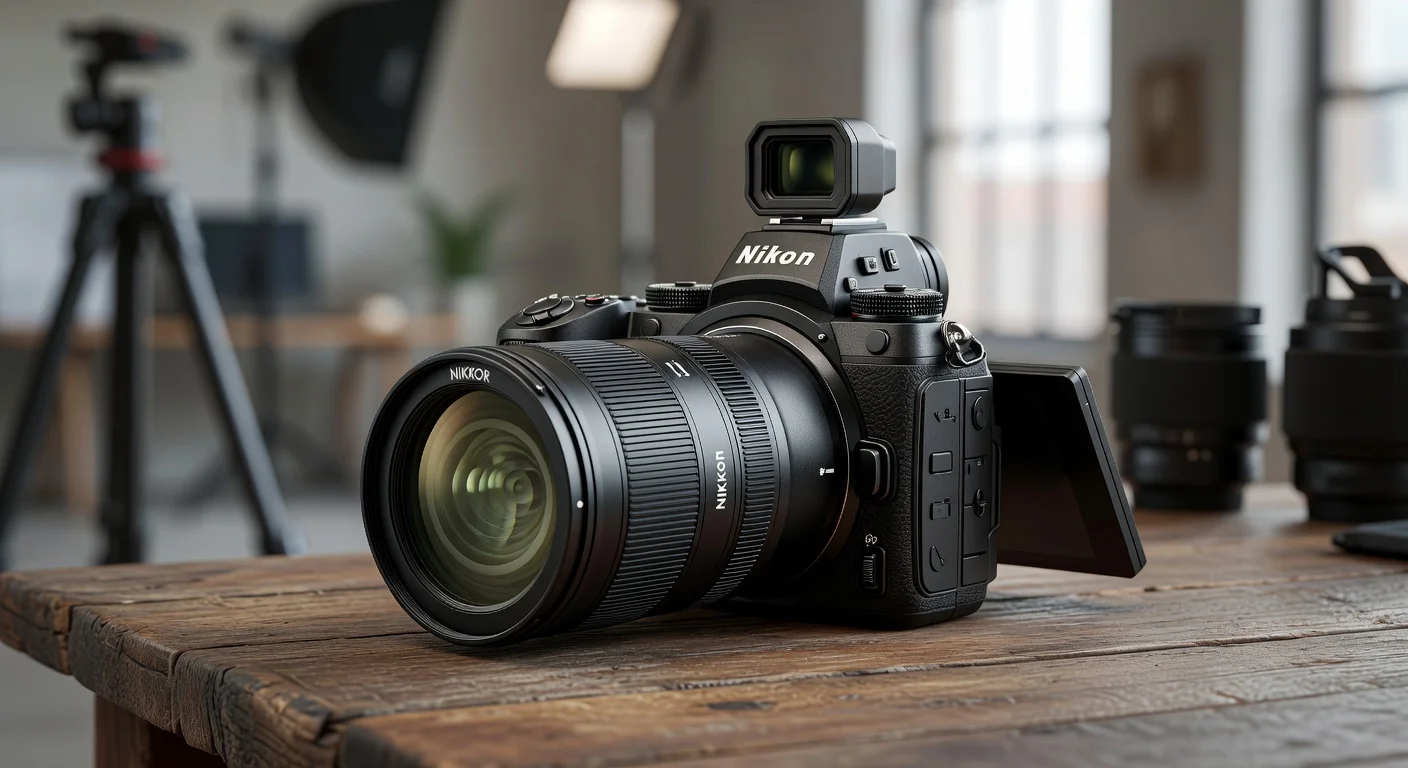
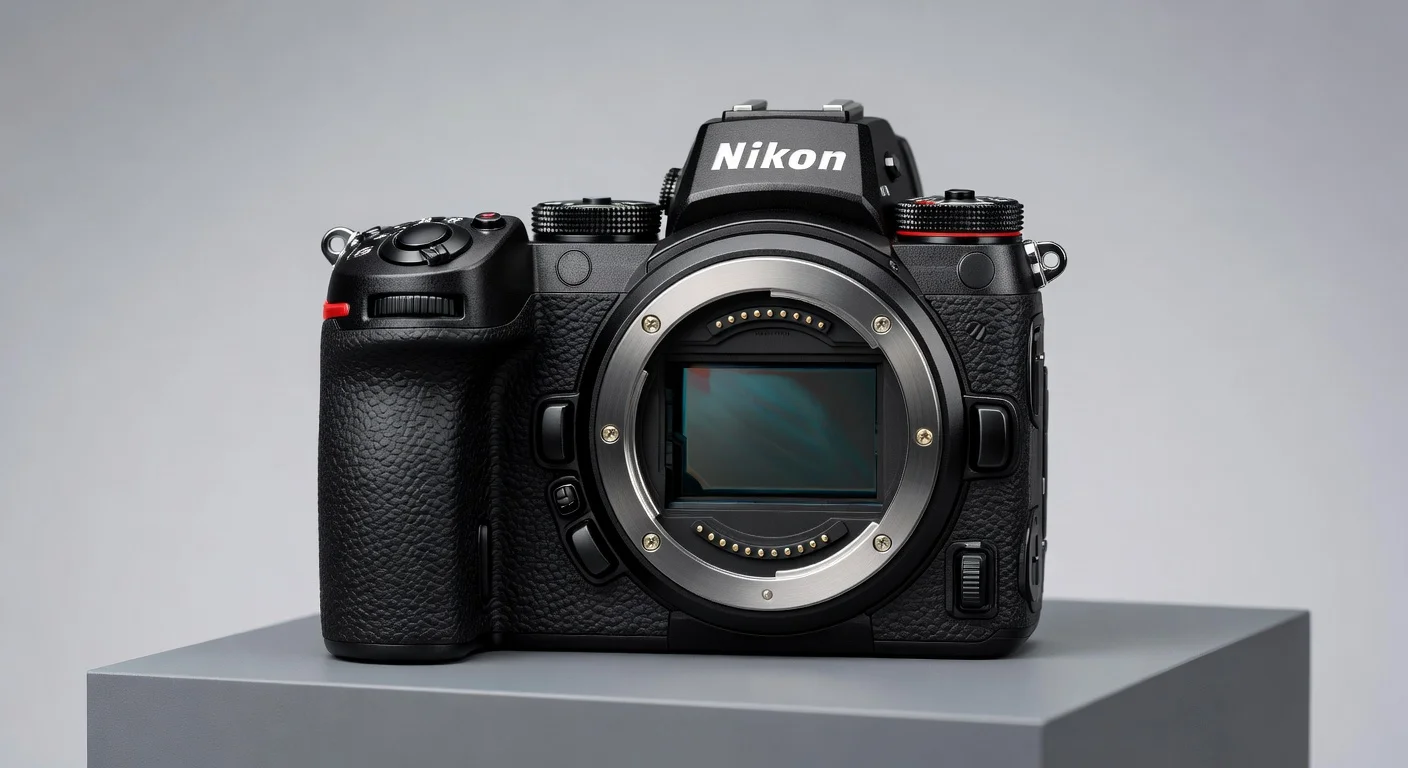
The Nikon Z6 III features a robust magnesium alloy chassis with comprehensive weather sealing that inspires confidence in challenging environments. Nikon has refined the grip substantially over the Z6 II, creating a deeper, more ergonomic contour that works beautifully with both compact primes and large telephoto lenses. The body feels premium yet manageable at 760g, striking an excellent balance between durability and portability that tech-savvy users will appreciate during all-day shoots.
Control placement has been thoughtfully updated with a more prominent joystick and customizable buttons that fall naturally under the thumb. The addition of a fully articulating touchscreen represents a major improvement for both stills and video creators who frequently shoot from unconventional angles. Weather sealing appears thorough, with special gaskets around all buttons, dials, and card slots, making the camera suitable for professional use in inclement conditions.
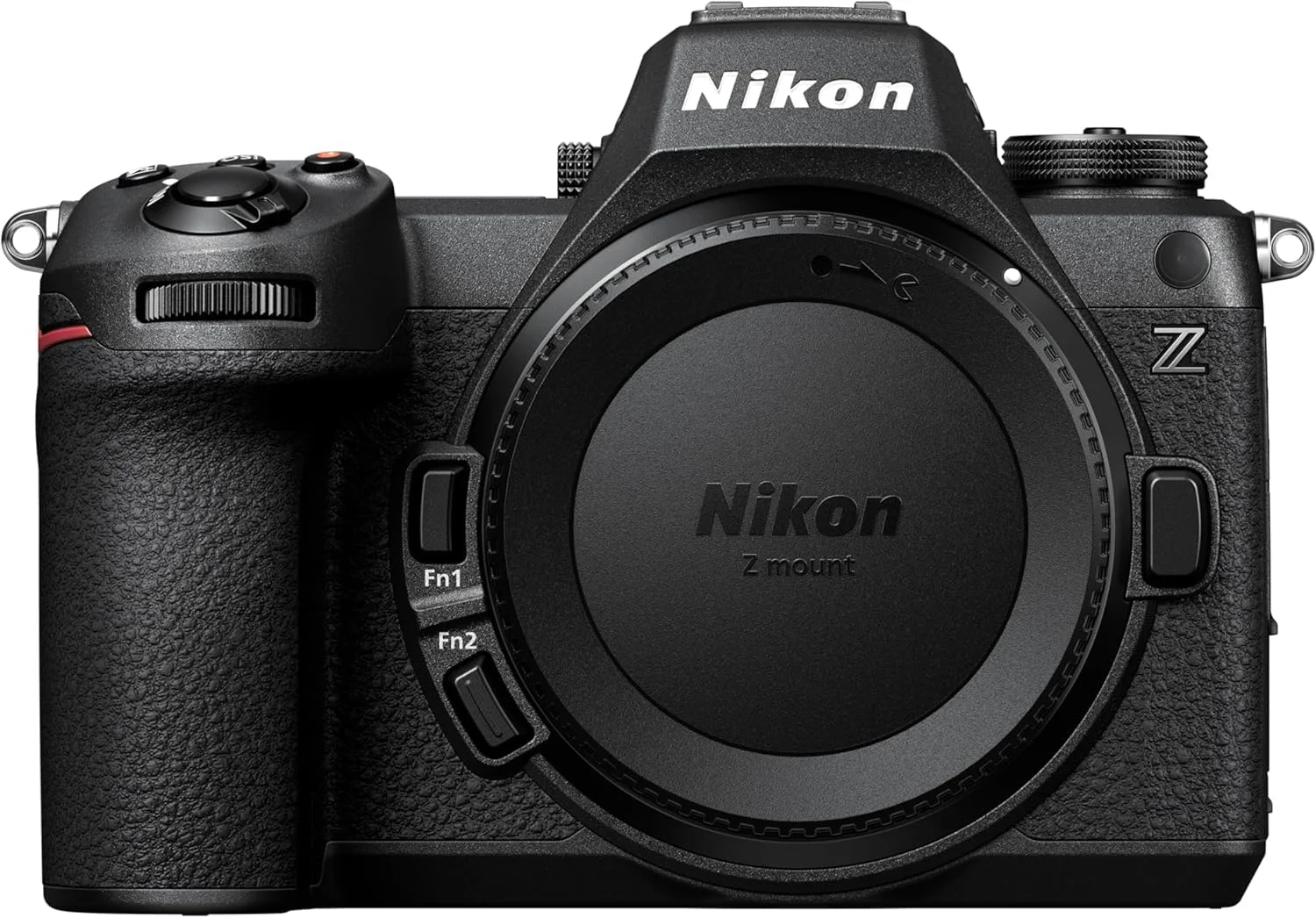
The electronic viewfinder is a particular highlight, offering a bright, lag-free 3.69-million-dot OLED panel with a 120Hz refresh rate that makes tracking fast subjects feel effortless. Combined with the high-quality vari-angle screen, the Z6 III provides excellent compositional flexibility across different shooting scenarios.
Performance
In real-world testing throughout 2025-2026, the Z6 III’s partially stacked sensor and EXPEED 7 processor deliver transformative performance. The autofocus system stands out as truly exceptional, utilizing deep-learning AI to recognize and track subjects with remarkable tenacity. Whether photographing erratic wildlife, fast-paced sports, or unpredictable wedding moments, the camera maintains focus with confidence that rivals Nikon’s flagship Z9. Eye detection works reliably even in challenging backlit or low-contrast situations.
Burst shooting at 20 frames per second with electronic shutter provides ample speed for action photography, while the deep buffer allows over 200 RAW files when paired with a fast CFexpress card. This combination of speed and buffer depth makes the Z6 III genuinely competitive with cameras costing significantly more. Dynamic range remains excellent, preserving highlight and shadow detail that gives photographers substantial flexibility during post-production.
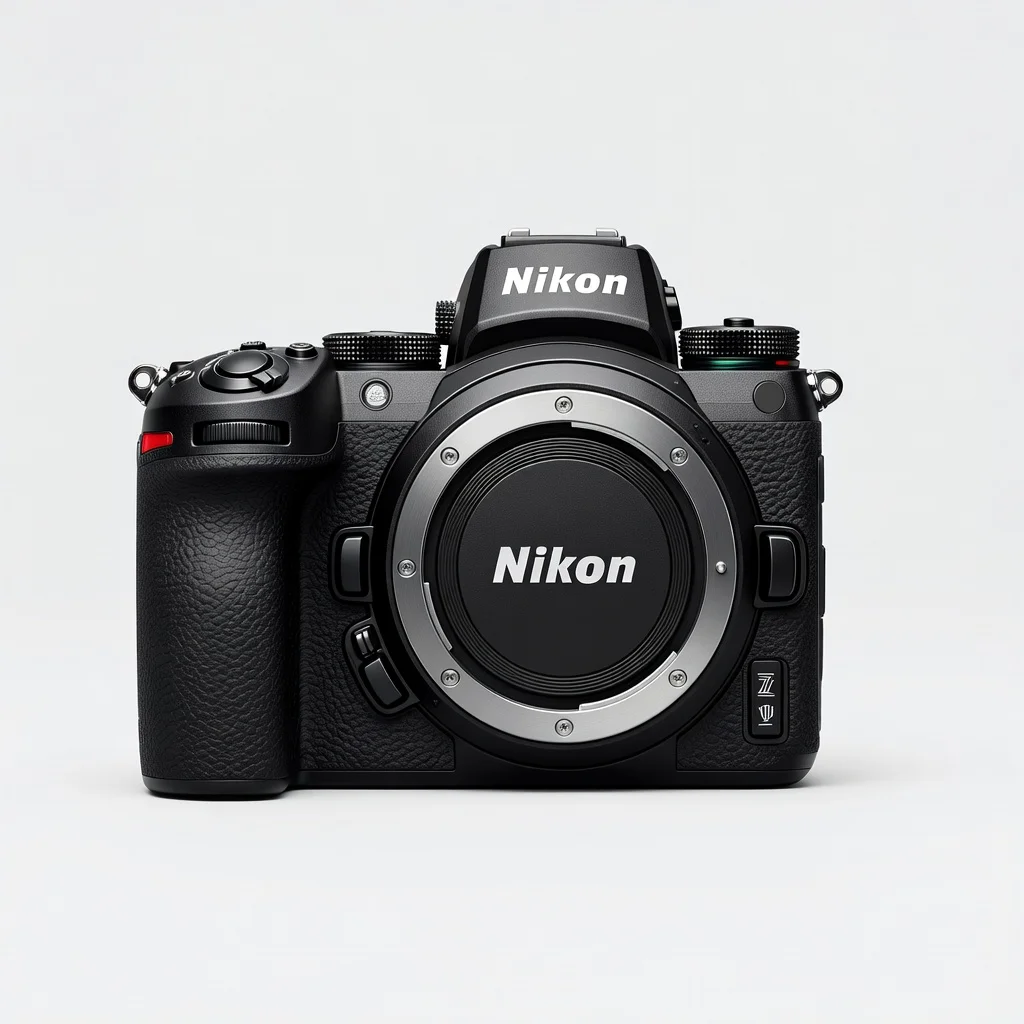
Low-light performance impresses through ISO 12800 with clean, detailed files that require minimal noise reduction. The 8-stop in-body stabilization system enables consistently sharp handheld images at remarkably slow shutter speeds, proving particularly valuable for both stills and video. The camera’s heat management also deserves praise, maintaining performance during extended 6K recording sessions without aggressive overheating limitations.
Features & Software
Standout features include internal 6K/60p 12-bit N-RAW recording, waveform monitors, zebra patterns, focus peaking, and Nikon’s excellent focus breathing compensation. The AI-enhanced autofocus system goes beyond traditional subject detection to predict movement, making it particularly effective for wildlife and sports. The camera also offers pixel-shift high-resolution mode for situations demanding maximum detail.
Nikon’s menu system has received meaningful refinements but still presents something of a learning curve compared to Sony’s interface. The SnapBridge wireless connectivity works more reliably than previous generations, though transfer speeds remain average. Integration with Nikon’s NX Studio software provides comprehensive RAW processing capabilities, though many users will prefer third-party solutions like Capture One or Lightroom for their established workflows.
Value Proposition
At its $2,499 price point, the Nikon Z6 III delivers professional-grade capabilities that were previously reserved for flagship models. It offers significantly more advanced video specifications and autofocus performance than the previous Z6 II while maintaining the excellent color science Nikon is known for. For photographers and videographers already invested in the Z-mount ecosystem, the value proposition is compelling.
When compared to competitors, the Z6 III frequently delivers better ergonomics and more “ready-to-use” video features than similarly priced Sony bodies, though it faces stiff competition from Canon’s excellent color rendering and user interface. The camera represents a sweet spot for hybrid creators who need both class-leading stills performance and serious video capabilities without stepping up to flagship pricing.
How It Compares
Compared to the Sony A7 IV, the Nikon Z6 III offers a superior electronic viewfinder, more comfortable ergonomics, and significantly better video specifications including true 6K RAW recording. While Sony maintains advantages in lens ecosystem breadth and certain computational features, the Z6 III feels more refined for extended shooting sessions and delivers more consistent subject tracking in challenging conditions.
Against the Canon EOS R6 Mark II, the Nikon provides higher-resolution video options, a brighter and smoother EVF, and dual card slots in a more compact body. Canon’s Dual Pixel AF II remains exceptional for video, and many filmmakers prefer Canon’s color science, but Nikon’s superior IBIS and more customizable physical controls give it the edge for stills-dominant hybrid shooters.
Pros and Cons
Pros
- Delivers class-leading autofocus with AI subject recognition that tracks erratically moving subjects with remarkable consistency.
- Offers professional video capabilities including 6K/60p RAW recording that exceeds most competitors at this price point.
- Features outstanding build quality with improved ergonomics and comprehensive weather sealing for reliable field performance.
- Provides highly effective 8-stop image stabilization that enables sharp handheld shooting in extremely low light.
- Includes one of the best electronic viewfinders in its class with smooth 120Hz refresh rate for action photography.
Cons
- The $2,499 price point represents a significant investment that may stretch budgets for enthusiasts and semi-professionals.
- Battery life, while improved over the Z6 II, still falls short during intensive video or EVF-heavy shooting sessions.
- The menu system, despite refinements, retains a steeper learning curve compared to Sony and Canon interfaces.
- Minor rolling shutter effects remain visible in certain high-speed video applications under challenging conditions.
- Lacks some of the advanced computational photography features and AI tools found in competing systems from Sony.
FAQ
Q: What are the biggest upgrades from the Nikon Z6 II to the Z6 III?
A: The Z6 III features a partially stacked sensor for faster readout speeds, dramatically improved AI autofocus, 6K video recording, a fully articulating screen, and a higher refresh rate EVF.
Q: Is the Nikon Z6 III suitable for professional video work?
A: Yes. With internal 6K/60p N-RAW, excellent heat management, comprehensive monitoring tools, and 4K/120p capability, it meets the demands of professional hybrid videographers and documentary filmmakers.
Q: How does the Z6 III autofocus compare to Sony and Canon competitors?
A: The Z6 III’s AF system is now competitive with the best from Sony and Canon, particularly excelling at subject tracking and eye detection in challenging lighting conditions.
Q: Does the Nikon Z6 III overheat during video recording?
A: Heat management is significantly improved over previous Z-series models. The camera can record 6K for extended periods without overheating in moderate ambient temperatures.
Q: Should I upgrade from a Z6 II if I’m primarily a stills photographer?
A: The upgrade is most compelling if you need faster burst rates, superior subject tracking, or the improved ergonomics. For general photography, the Z6 II remains highly capable.
Verdict
The Nikon Z6 III is an outstanding hybrid camera that successfully bridges enthusiast and professional needs with its exceptional autofocus, robust video capabilities, and refined ergonomics. It excels for photographers and videographers who value color science, build quality, and a versatile feature set within the Nikon Z ecosystem. For anyone serious about both stills and motion in 2026, the Z6 III represents one of the strongest options available.
Pros
- ✓ Delivers class-leading autofocus with AI subject recognition that tracks erratically moving subjects with remarkable consistency.
- ✓ Offers professional video capabilities including 6K/60p RAW recording that exceeds most competitors at this price point.
- ✓ Features outstanding build quality with improved ergonomics and comprehensive weather sealing for reliable field performance.
- ✓ Provides highly effective 8-stop image stabilization that enables sharp handheld shooting in extremely low light.
- ✓ Includes one of the best electronic viewfinders in its class with smooth 120Hz refresh rate for action photography.
Cons
- ✗ The $2,499 price point represents a significant investment that may stretch budgets for enthusiasts and semi-professionals.
- ✗ Battery life, while improved over the Z6 II, still falls short during intensive video or EVF-heavy shooting sessions.
- ✗ The menu system, despite refinements, retains a steeper learning curve compared to Sony and Canon interfaces.
- ✗ Minor rolling shutter effects remain visible in certain high-speed video applications under challenging conditions.
- ✗ Lacks some of the advanced computational photography features and AI tools found in competing systems from Sony.
Where to Buy the Nikon Z6 III





Prices may vary. Affiliate links — we may earn a commission at no extra cost to you.
Related Reviews

Affiliate links — we may earn a commission at no extra cost to you.