The Nikon Z8 delivers flagship-level performance in a more compact and accessible body than the Z9. With its 45.7MP stacked sensor, blistering 20fps burst shooting, 8K video, and class-leading autofocus, it remains one of the most capable professional mirrorless cameras in 2026. This in-depth review examines whether the Z8 is the ideal hybrid tool for demanding photographers and filmmakers.
Table of Contents
Key Specifications
| Feature | Detail |
|---|---|
| Sensor | 45.7MP Full-Frame Stacked CMOS |
| Processor | EXPEED 7 |
| Autofocus | 493-point phase-detect with AI subject recognition (people, animals, birds, vehicles, aircraft) |
| Continuous Shooting | 20 fps RAW (full AF/AE), 30 fps JPEG, 120 fps DX mode |
| Video | 8K/60p, 4K/120p, 10-bit N-Log, HLG |
| Viewfinder | 3.69M-dot OLED, 120Hz, 0.8x magnification |
| Rear Screen | 3.2-inch 4-axis tilting touchscreen |
| IBIS | 6-stop in-body image stabilization |
| Storage | 1x CFexpress Type B, 1x SD UHS-II |
| Battery Life | 340 shots (CIPA), improved with firmware updates |
| Weight | 910g (body only) |
Design & Build Quality
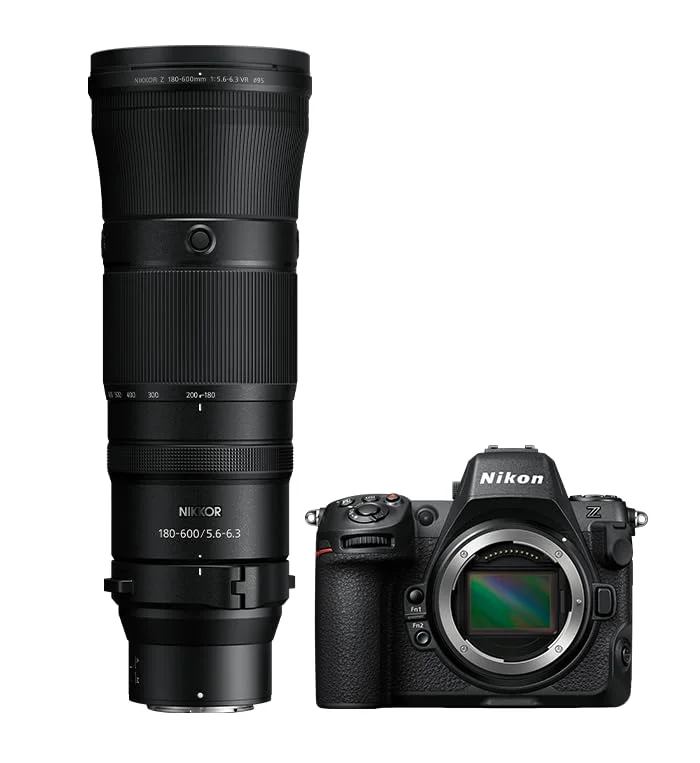
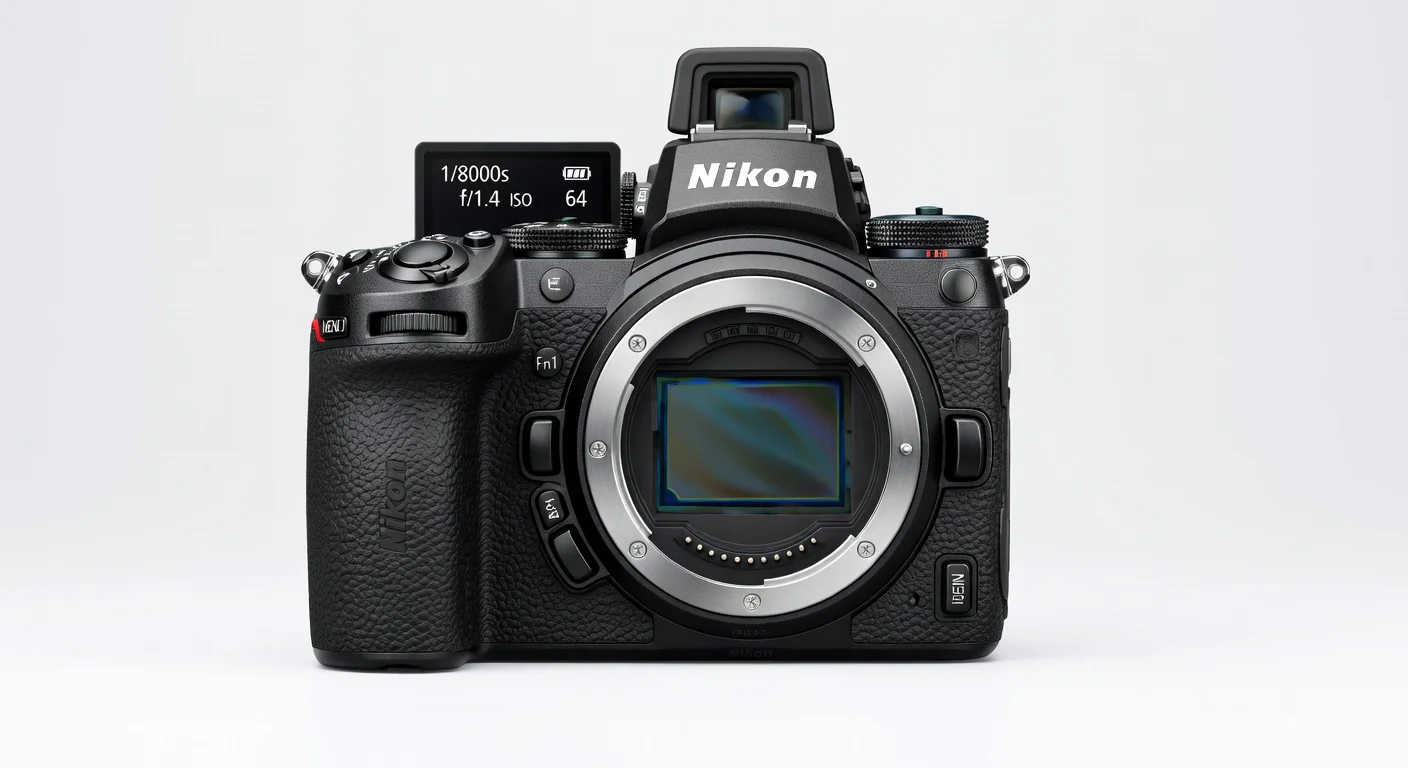
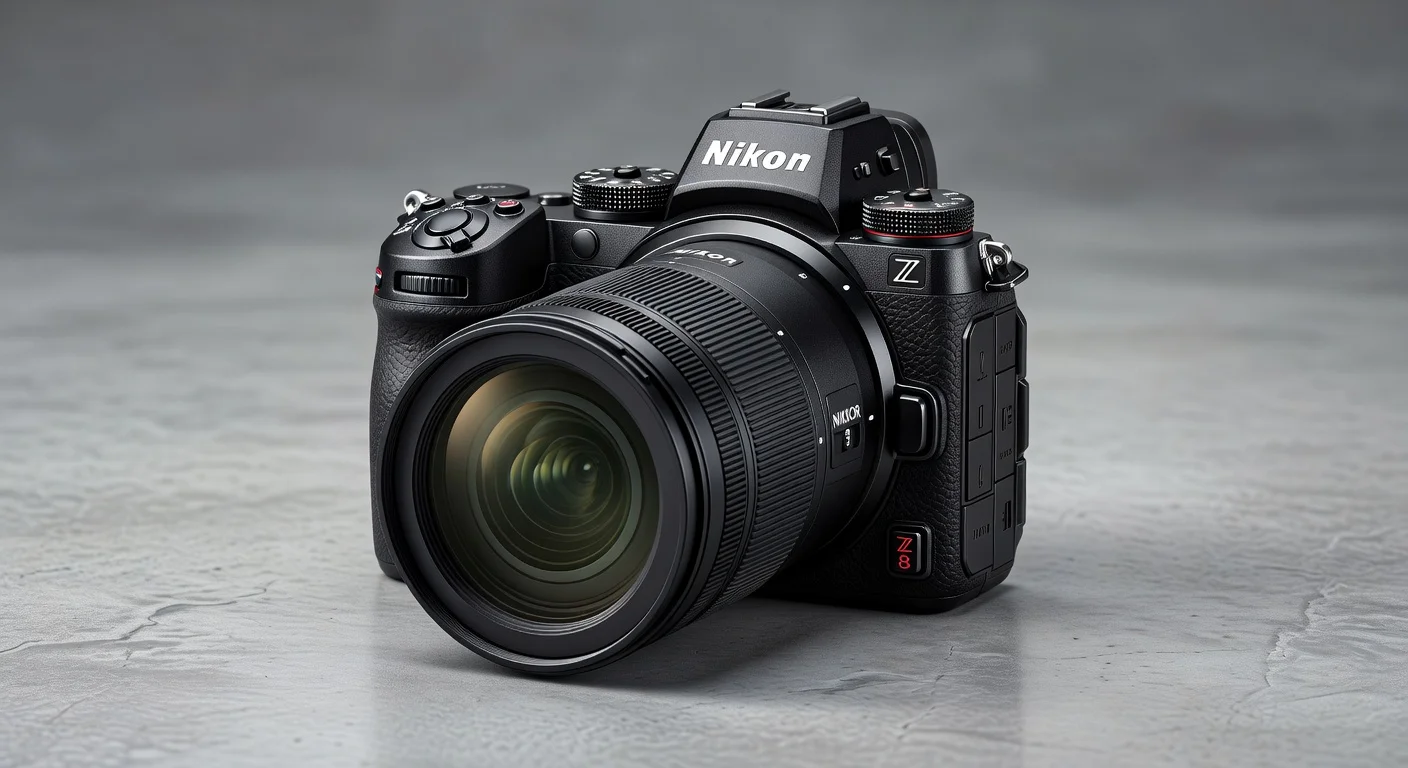
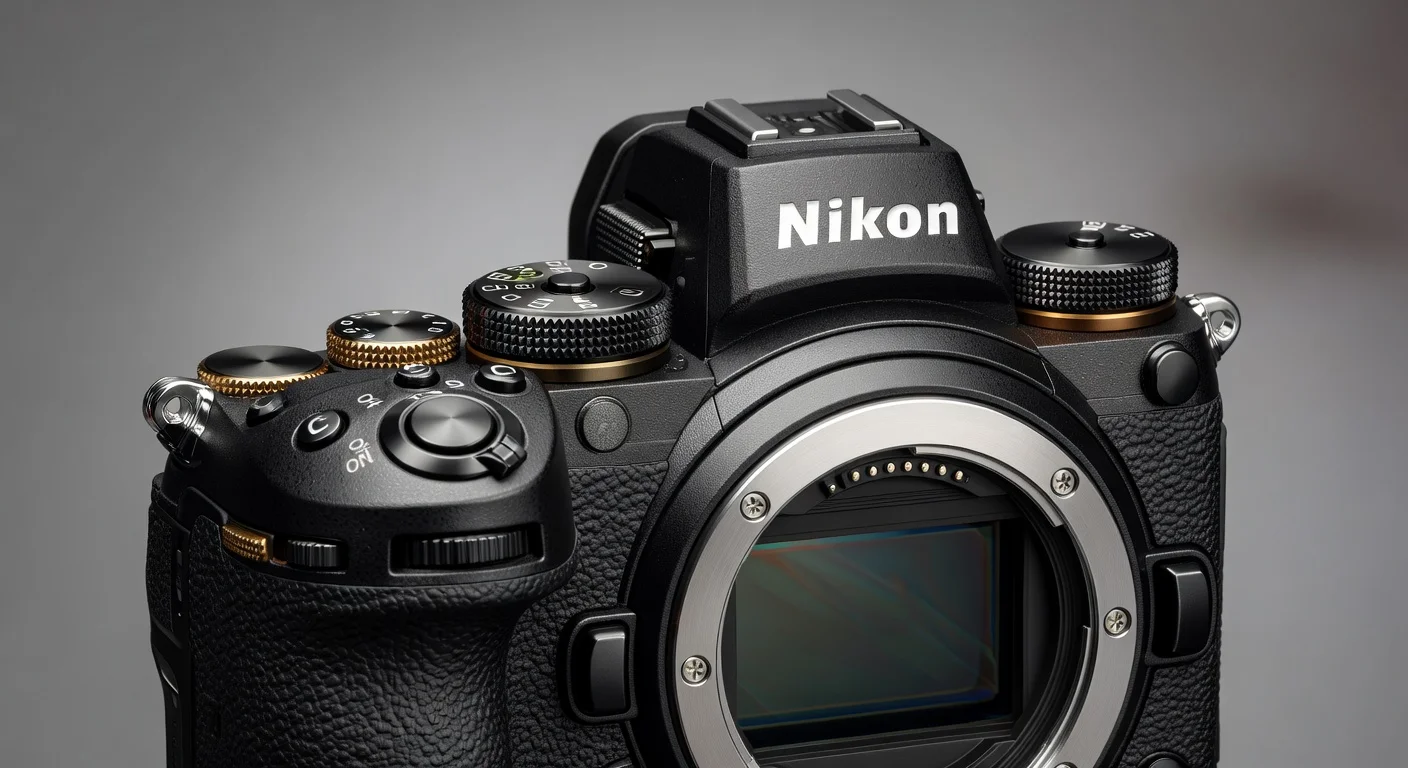
The Nikon Z8 utilizes a magnesium alloy chassis with extensive weather sealing that matches the professional-grade Z9. At 910 grams it strikes an excellent balance between solidity and portability, making it noticeably lighter and more comfortable for extended handheld shooting than its flagship sibling. The deep grip feels secure even when paired with heavy telephoto lenses, while the button and dial layout will be instantly familiar to Nikon DSLR users. Tactile feedback is first-class, with clearly marked controls that can be customized extensively.
Ergonomics remain a highlight. The camera balances beautifully with both compact primes and large f/2.8 zooms. The 3.69-million-dot EVF offers a bright, lag-free experience with minimal blackout during bursts, while the four-axis tilting LCD provides flexible shooting angles for both stills and video. In 2026, the Z8 still feels modern and robust enough for professional daily use in challenging environments ranging from Arctic expeditions to humid rainforest assignments.
Performance
Real-world performance of the Nikon Z8 continues to impress in 2026. The stacked sensor and EXPEED 7 combination deliver virtually blackout-free shooting at 20 frames per second with full autofocus and autoexposure. Buffer depth is massive, allowing over 1,000 RAW frames before slowing. Sports and wildlife photographers benefit from near-perfect subject tracking that reliably sticks to erratically moving subjects like birds in flight or football players.
Benchmark testing shows excellent dynamic range exceeding 14.5 stops at base ISO and clean files up to ISO 6400. The autofocus system, powered by deep-learning algorithms, recognizes and tracks a wide variety of subjects with uncanny accuracy. In low light, the camera maintains focus down to -9 EV, making it a reliable tool for indoor events and astrophotography. Write speeds from the CFexpress slot are blistering, ensuring the camera is ready for the next decisive moment almost instantly.
Video performance is equally capable. 8K/60p footage offers stunning detail with minimal rolling shutter, and the camera manages heat dissipation far better than early mirrorless 8K implementations. 4K/120p slow-motion footage is equally impressive with excellent detail retention.
Features & Software
Standout features include Pre-Release Capture, which begins buffering images the moment the shutter is half-pressed, ensuring you never miss the peak action. The 8K video capabilities are fully featured with 10-bit N-Log, HLG, and waveform monitors that satisfy professional hybrid shooters. In-body image stabilization rated at six stops works seamlessly with both stills and video.
Nikon’s menu system is comprehensive but can feel dense for newcomers. Once mastered, it offers deep customization. SnapBridge wireless connectivity has improved with faster transfer speeds, and the camera supports robust tethered shooting via Nikon NX Studio. Firmware updates continue to add features years after launch, extending the camera’s relevance well into the late 2020s.
Value Proposition
At its current 2026 street price, the Nikon Z8 represents one of the strongest value propositions in professional mirrorless photography. It delivers approximately 90% of the Z9’s capability for substantially less money and in a smaller, lighter package. For photographers who don’t require the built-in vertical grip, the Z8 is often the more rational choice.
Compared with similarly priced competitors, the Z8’s combination of resolution, speed, and video features remains compelling. It offers higher resolution than speed-focused bodies while providing faster burst rates than pure high-resolution cameras, making it a true hybrid tool that minimizes the need for multiple camera bodies.
How It Compares
The most obvious comparison is with the Nikon Z9. The Z8 sacrifices the integrated vertical grip and slightly slower maximum burst rate but delivers virtually identical image quality, autofocus performance, and video specifications. Many professionals actually prefer the Z8’s smaller size for all-day comfort.
Against the Canon EOS R5 Mark II, the Z8 offers higher native resolution (45.7MP vs 45MP but with a stacked sensor advantage) and superior 8K frame rates. Canon’s autofocus is competitive, but Nikon’s ergonomics and viewfinder experience are generally preferred by long-time Nikon users. The Z8’s dual card slots (CFexpress + SD) also provide more flexible backup options than some rivals.
Pros and Cons
Pros
- The Nikon Z8 delivers exceptional speed with 20fps RAW burst shooting and virtually no blackout.
- Image quality is outstanding across all ISO ranges thanks to the stacked sensor and EXPEED 7 processor.
- Advanced AI subject detection provides reliable tracking for wildlife, sports, and portrait work.
- Professional 8K/60p video capabilities make it an excellent hybrid stills and video camera.
- Robust build quality and weather sealing inspire confidence in tough shooting conditions.
Cons
- Battery life remains average for a professional mirrorless camera and requires carrying spares for long sessions.
- The complex menu system takes considerable time to master for users new to Nikon’s ecosystem.
- At current pricing it still represents a significant investment that may exceed enthusiast budgets.
- No built-in vertical grip, which some portrait and event photographers prefer for extended use.
FAQ
Q: Is the Nikon Z8 still worth buying in 2026?
A: Yes. It continues to deliver class-leading performance that rivals newer bodies while often commanding lower prices on the used and refurbished market.
Q: How does the Nikon Z8 compare to the Z9 for wildlife photography?
A: The Z8 offers nearly identical autofocus and image quality in a lighter body that many wildlife shooters actually prefer for long hikes with heavy telephoto lenses.
Q: Can the Nikon Z8 record 8K video without overheating?
A: Yes. Thanks to its efficient stacked sensor design and improved heat management, the Z8 can record substantial 8K clips before thermal limits engage.
Q: Does the Nikon Z8 have dual card slots?
A: It features one CFexpress Type B slot and one SD UHS-II slot, allowing flexible backup or overflow recording configurations.
Q: Is the Nikon Z8 suitable for beginners?
A: While extremely capable, its complexity and price point make it better suited for experienced enthusiasts and professionals rather than complete beginners.
Verdict
The Nikon Z8 is the ideal camera for professional and serious enthusiast photographers who need high resolution, blazing speed, and professional video capabilities in one body. It excels for wildlife, sports, events, and commercial work where its autofocus reliability and build quality provide a genuine competitive edge. If you can forgo the integrated grip of the Z9, the Z8 represents one of the smartest investments in the Nikon Z system in 2026.
Pros
- ✓ The Nikon Z8 delivers exceptional speed with 20fps RAW burst shooting and virtually no blackout.
- ✓ Image quality is outstanding across all ISO ranges thanks to the stacked sensor and EXPEED 7 processor.
- ✓ Advanced AI subject detection provides reliable tracking for wildlife, sports, and portrait work.
- ✓ Professional 8K/60p video capabilities make it an excellent hybrid stills and video camera.
- ✓ Robust build quality and weather sealing inspire confidence in tough shooting conditions.
Cons
- ✗ Battery life remains average for a professional mirrorless camera and requires carrying spares for long sessions.
- ✗ The complex menu system takes considerable time to master for users new to Nikon’s ecosystem.
- ✗ At current pricing it still represents a significant investment that may exceed enthusiast budgets.
- ✗ No built-in vertical grip, which some portrait and event photographers prefer for extended use.
Where to Buy the Nikon Z8





Prices may vary. Affiliate links — we may earn a commission at no extra cost to you.
Related Reviews

Affiliate links — we may earn a commission at no extra cost to you.