The Sony RX100 VII continues to set the benchmark for premium compact cameras in 2026, delivering a 24-200mm ZEISS zoom, class-leading Real-time Eye AF, and 20fps burst shooting inside a truly pocketable body. Its stacked 20.1MP 1-inch sensor produces sharp, vibrant images that outperform smartphones and many larger cameras in versatility. This in-depth review examines whether the RX100 VII remains a worthy investment for serious enthusiasts and professionals.
Table of Contents
Key Specifications
| Feature | Detail |
|---|---|
| Sensor | 20.1MP 1.0-type Exmor RS stacked CMOS |
| Lens | ZEISS Vario-Sonnar T* 24-200mm f/2.8-4.5 |
| Processor | BIONZ X |
| Autofocus | Real-time Tracking, Real-time Eye AF (human/animal) |
| Burst Shooting | 20fps with AF/AE tracking (up to 90 RAW) |
| Video | 4K 30p (no crop), Full HD 120p, HFR up to 960fps |
| Display | 3.0″ 921k-dot tilting touchscreen |
| Viewfinder | 0.39″ 2.359M-dot OLED pop-up EVF |
| Battery Life | Approx. 260 shots (CIPA) |
| Dimensions | 101.6 x 58.1 x 42.8mm |
| Weight | 302g (with battery and card) |
Design & Build Quality
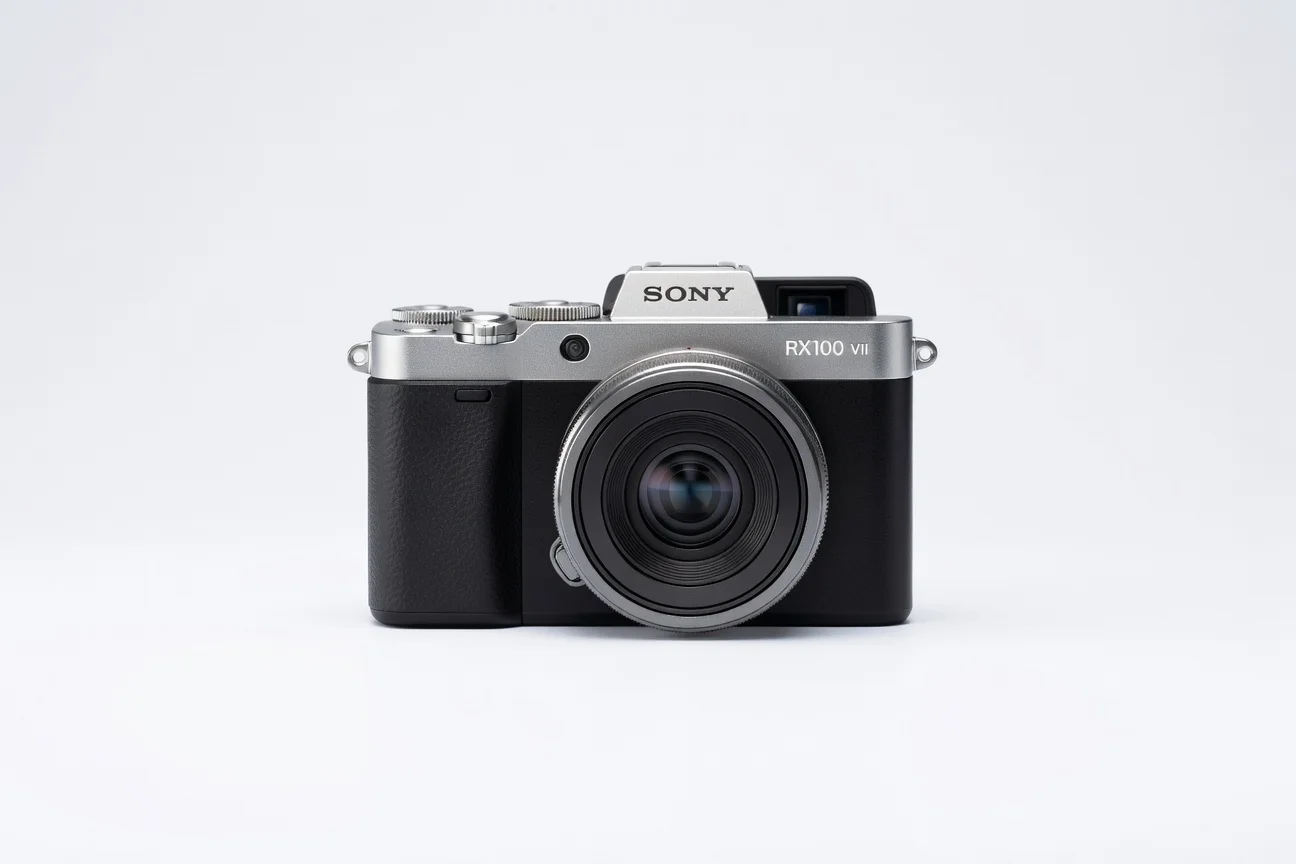
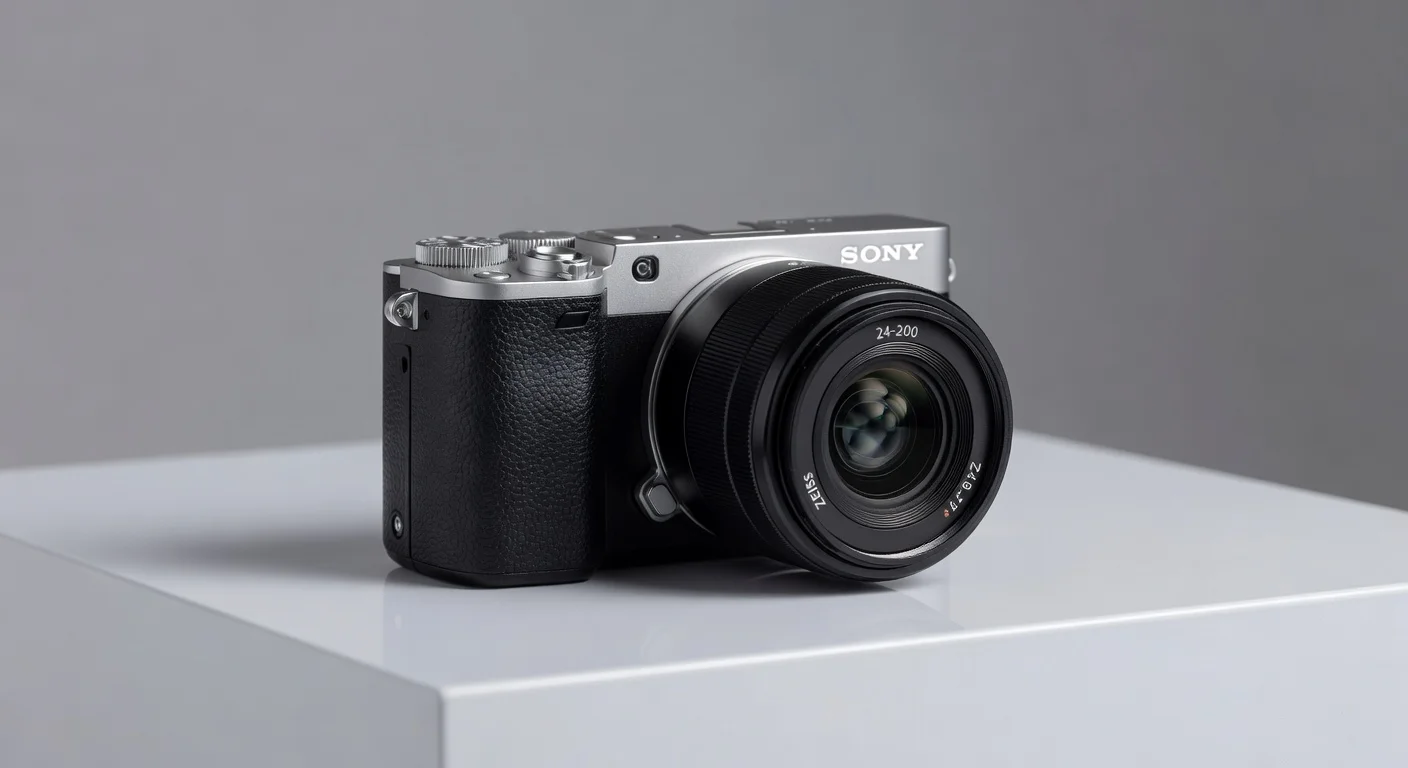
The Sony RX100 VII maintains the sleek, minimalist aesthetic that made the RX100 series iconic. Its magnesium alloy chassis provides a reassuringly solid feel despite the camera’s compact dimensions. The body is wrapped in a textured finish that improves grip, while the pop-up electronic viewfinder mechanism doubles as a sleek lens cover release. At just 302 grams, it truly slips into a jacket pocket, making it ideal for street, travel, and events where discretion matters.
Ergonomics are excellent for such a small camera. A pronounced grip with textured rubber coating allows confident one-handed operation, and the control layout features a responsive mode dial, customizable function buttons, and a control ring around the lens. The 3-inch tilting touchscreen offers flexible shooting angles for both stills and video. While the camera lacks weather sealing, its tight construction and premium materials inspire confidence during everyday professional use.
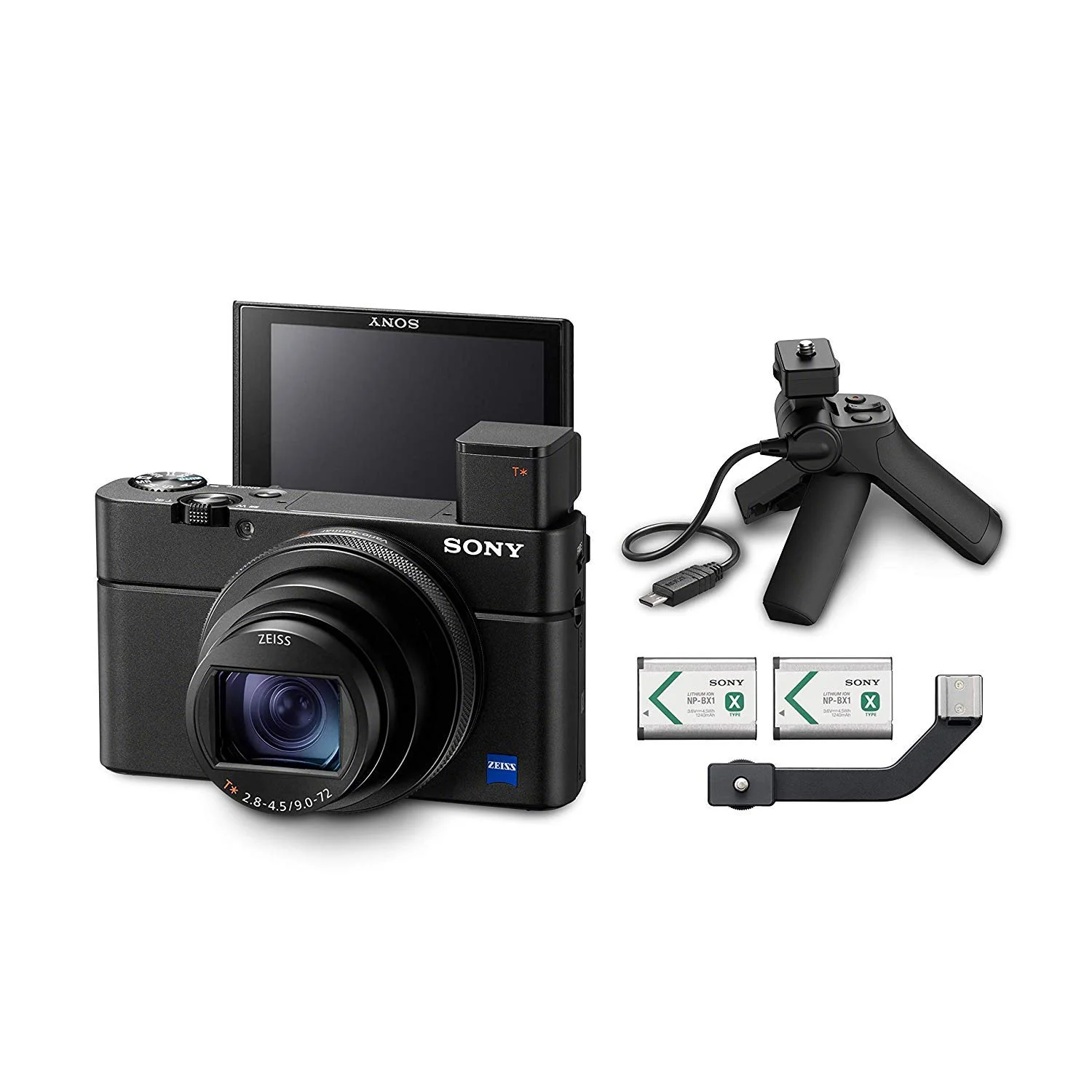
The pop-up OLED EVF remains one of the most compelling features in this class. When needed, it deploys smoothly and provides a clear, high-resolution view with 100% coverage. Combined with the tilting screen, the RX100 VII offers versatile viewing options that larger mirrorless cameras sometimes struggle to match in such a portable package.
Performance
In real-world shooting, the RX100 VII remains blisteringly fast thanks to its stacked sensor and BIONZ X processor. The Real-time Tracking autofocus is remarkably sticky, maintaining focus on subjects even during rapid movement or erratic motion. Eye AF works reliably on both humans and animals, making it invaluable for portrait, event, and wildlife photography. Burst shooting at 20fps with full AF and AE tracking delivers consistently sharp sequences that rival professional mirrorless bodies.
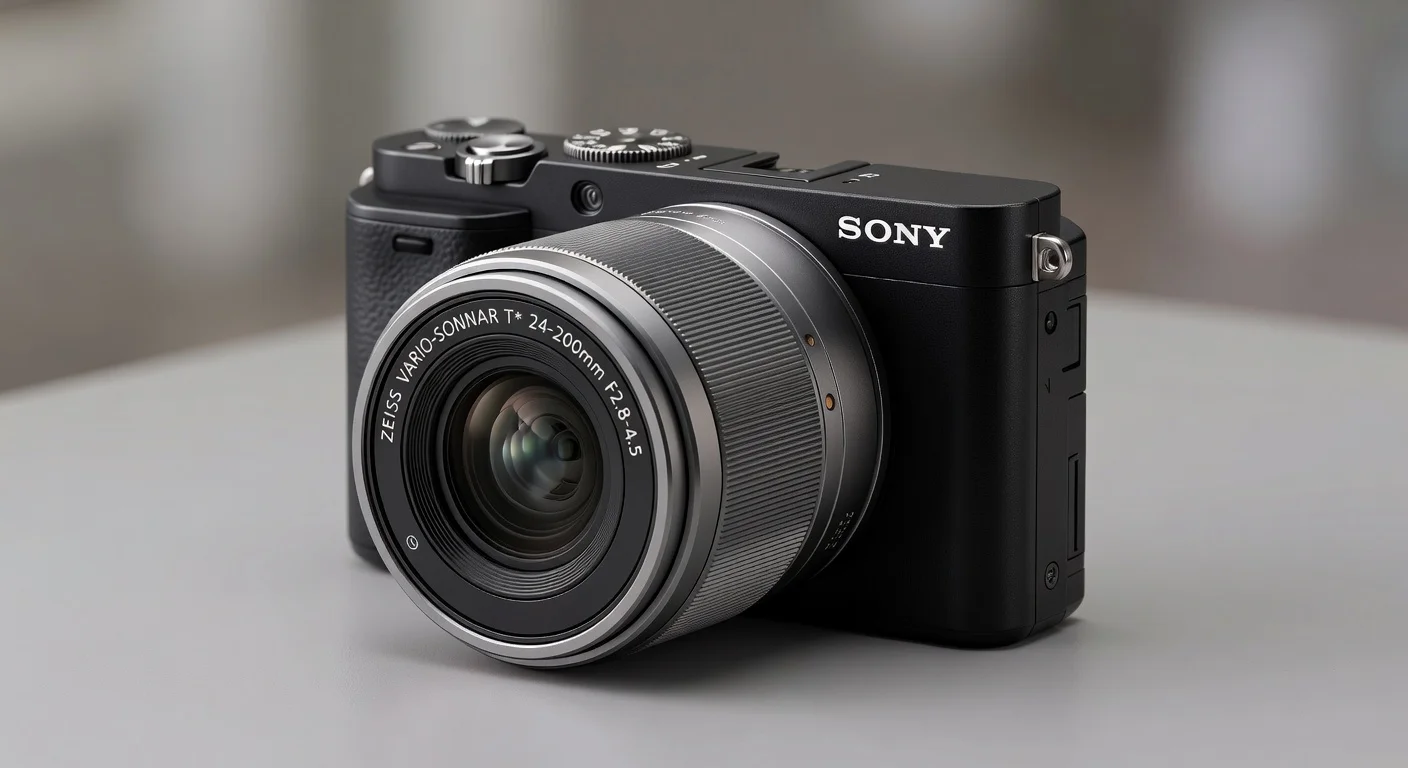
Image quality holds up impressively well in 2026. The 20.1MP 1-inch sensor produces detailed, color-accurate files with pleasing dynamic range when shooting in good to moderate light. The ZEISS 24-200mm lens is sharp across most of the zoom range, though some softening appears at the extreme telephoto end. Low-light performance is respectable up to ISO 3200, with manageable noise that responds well to modern denoising software. While it cannot match the clean high-ISO results of full-frame cameras, it significantly outperforms smartphone sensors at longer focal lengths.
Battery life remains a practical limitation at approximately 260 shots per charge. Serious users will want a spare battery or external power solution for extended outings. Write speeds and buffer performance are solid, clearing the 90-shot RAW buffer quickly with UHS-II cards, ensuring the camera rarely slows down during critical moments.
Features & Software
Standout features include the class-leading Real-time Eye AF and Tracking system, which uses AI-driven algorithms to keep subjects locked in focus. The versatile 24-200mm optical zoom provides genuine reach in a compact form, while 4K video recording without crop, HLG HDR, and S-Log2/3 profiles make it a capable hybrid camera for content creators. High Frame Rate recording up to 960fps enables stunning slow-motion footage that still looks impressive years after launch.
Sony’s menu system is comprehensive but can feel labyrinthine for newcomers. The touchscreen interface allows quick focus point selection and some settings adjustments, though deeper menu navigation still relies heavily on physical buttons. Firmware updates over the years have refined stability and added minor features, keeping the RX100 VII competitive with newer releases in core functionality.
Value Proposition
In 2026, the RX100 VII offers significantly better value than at launch. With street prices considerably lower than its original premium positioning, it represents an accessible entry into professional-grade compact photography. The combination of advanced autofocus, useful zoom range, and pocketable size delivers a convenience factor that interchangeable lens systems cannot match without multiple lenses and greater bulk.
Compared to current smartphones and entry-level mirrorless kits, the RX100 VII provides superior optical quality, ergonomic controls, and dedicated viewfinder. For enthusiasts who value image quality and shooting experience over ultimate low-light performance, it remains a smart investment that will deliver years of reliable service.
How It Compares
Against the Canon PowerShot G7 X Mark III, the RX100 VII wins with its much longer 24-200mm zoom versus Canon’s 24-100mm reach, plus superior Real-time Tracking autofocus. The Canon offers slightly better battery life and a more intuitive interface, but the Sony’s EVF and faster burst performance make it the stronger all-rounder for travel and events.
The Panasonic Lumix ZS200/TZ200 provides a similar 24-360mm zoom in a comparable body size but falls behind in autofocus speed, low-light image quality, and video features. The RX100 VII’s stacked sensor and pro-grade AF system give it a clear advantage for action and portrait work, though the Panasonic is often more affordable.
Pros and Cons
Pros
- Industry-leading Real-time Eye AF and subject tracking that performs exceptionally well across various scenarios.
- Versatile 24-200mm ZEISS lens delivers sharp results and genuine reach in a truly pocketable form factor.
- Impressive 20fps burst shooting with AF tracking produces consistently sharp sequences for action and wildlife.
- High-quality 4K video with S-Log, HLG, and no-crop recording makes it an excellent hybrid camera.
- Pop-up OLED EVF transforms the shooting experience for eye-level composition in bright conditions.
Cons
- Complex Sony menu system remains unintuitive and requires significant time to master.
- Battery life of approximately 260 shots per charge is limiting for extended shooting sessions.
- Lack of weather sealing makes it vulnerable in inclement conditions or dusty environments.
- High ISO performance above 3200 shows noticeable noise compared to modern APS-C and full-frame sensors.
- Touchscreen implementation is limited primarily to focus point selection rather than full menu navigation.
FAQ
Q: Is the Sony RX100 VII still worth buying in 2026?
A: Yes, particularly if you prioritize a genuinely compact camera with excellent zoom range, class-leading autofocus, and strong hybrid video capabilities. It remains one of the most capable pocket cameras available.
Q: How does the RX100 VII compare to modern smartphones for photography?
A: The RX100 VII delivers superior image quality at longer focal lengths, better dynamic range, raw shooting flexibility, and a dedicated viewfinder that smartphones cannot match.
Q: Does the Sony RX100 VII have good autofocus for wildlife and sports?
A: Its Real-time Tracking and 20fps burst performance make it surprisingly effective for wildlife and casual sports, though the 200mm maximum reach may feel limiting for professional distance shooting.
Q: What is the battery life like for a full day of shooting?
A: Expect roughly 260 shots per charge. Serious users should carry at least one spare battery or use USB power delivery for extended sessions.
Q: Can the RX100 VII be used as a professional travel camera?
A: Absolutely. Its combination of size, image quality, zoom range, and reliable AF make it an outstanding choice for travel, street, and event photography where minimal gear is preferred.
Verdict
The Sony RX100 VII remains an outstanding choice in 2026 for photographers and content creators who demand professional performance in the smallest possible package. Its combination of class-leading autofocus, versatile zoom range, and hybrid video capabilities continues to impress, making it ideal for travel, events, and street photography.
If you value convenience and image quality over ultimate low-light performance or extensive weather sealing, the RX100 VII is still highly recommended. It excels for enthusiasts and semi-professionals who want a capable second camera that fits in a pocket.
Pros
- ✓ Industry-leading Real-time Eye AF and subject tracking that performs exceptionally well across various scenarios.
- ✓ Versatile 24-200mm ZEISS lens delivers sharp results and genuine reach in a truly pocketable form factor.
- ✓ Impressive 20fps burst shooting with AF tracking produces consistently sharp sequences for action and wildlife.
- ✓ High-quality 4K video with S-Log, HLG, and no-crop recording makes it an excellent hybrid camera.
- ✓ Pop-up OLED EVF transforms the shooting experience for eye-level composition in bright conditions.
Cons
- ✗ Complex Sony menu system remains unintuitive and requires significant time to master.
- ✗ Battery life of approximately 260 shots per charge is limiting for extended shooting sessions.
- ✗ Lack of weather sealing makes it vulnerable in inclement conditions or dusty environments.
- ✗ High ISO performance above 3200 shows noticeable noise compared to modern APS-C and full-frame sensors.
- ✗ Touchscreen implementation is limited primarily to focus point selection rather than full menu navigation.
Where to Buy the Sony RX100 VII





Prices may vary. Affiliate links — we may earn a commission at no extra cost to you.
Related Reviews

Affiliate links — we may earn a commission at no extra cost to you.