
















Dive into our in-depth review of the OM System OM-5 Mark II, the latest compact mirrorless camera that promises big performance in a small package. Whether you’re a travel photographer or a content creator, find out if this 2026 release meets your needs.
Table of Contents
Key Specifications
| Feature | Detail |
|---|---|
| Sensor | 20.4MP Micro Four Thirds Live MOS |
| ISO Range | 200-25600 (expandable to 64) |
| Autofocus | 121-point phase-detection AF |
| Video | 4K 30fps, Full HD 120fps |
| Stabilization | 5-axis in-body image stabilization (up to 7.5 stops) |
| Weight | 414g (with battery and card) |
| Weather Sealing | IP53 dust and splash resistance |
Design & Build Quality
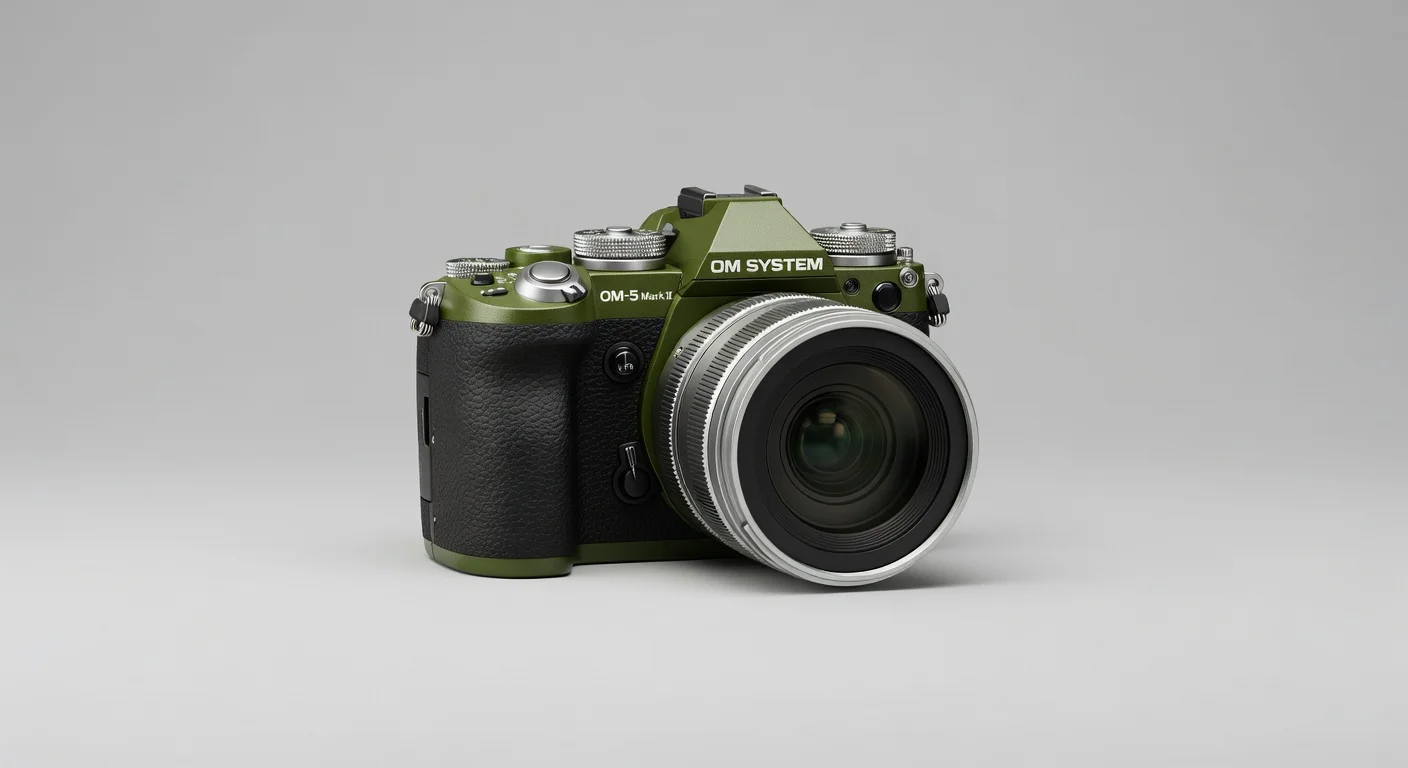
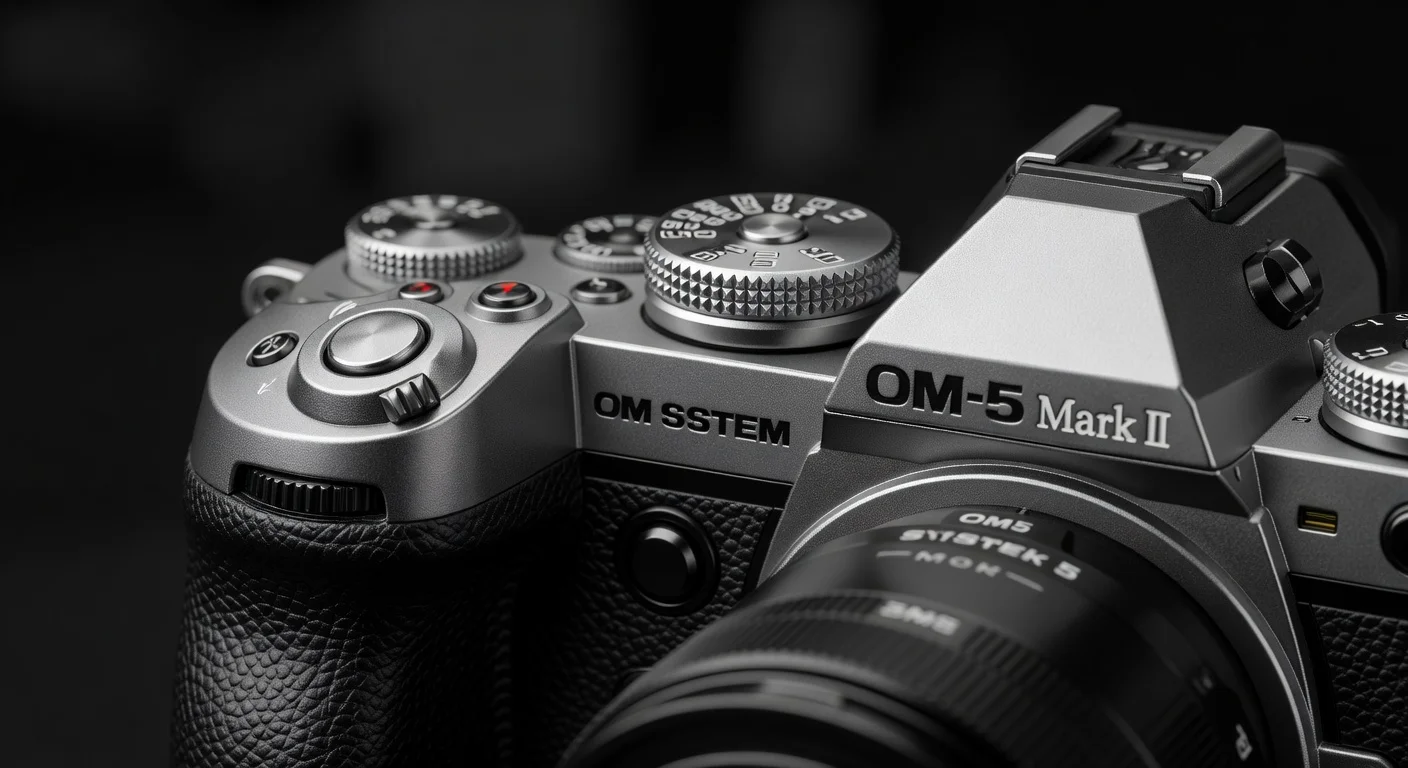
The OM System OM-5 Mark II continues the brand’s legacy of crafting compact yet robust cameras tailored for adventurers and on-the-go creators. Weighing just 414g with a battery and card, it’s a featherweight in the mirrorless category, making it an ideal companion for travel photography. The magnesium alloy body feels premium and durable, while the IP53 weather sealing ensures it can withstand light rain and dusty environments—a feature that’s practically a must for outdoor enthusiasts in 2026.
Ergonomically, the OM-5 Mark II shines with a refined grip that offers a secure hold despite its small size. The button layout is intuitive, with customizable dials that cater to both beginners and pros who want quick access to settings. However, the compact design does mean a smaller viewfinder compared to full-frame competitors, which might feel cramped for some users during extended shoots.

Visually, the camera sports a retro-inspired aesthetic with clean lines and a minimalist appeal. Available in black or silver, it’s as stylish as it is functional. OM System has also improved the build over its predecessor with a more tactile texture on the grip, ensuring it doesn’t slip even in sweaty or wet conditions.
Performance
When it comes to performance, the OM System OM-5 Mark II punches above its weight for a Micro Four Thirds camera. The 20.4MP sensor paired with the latest TruePic X processor delivers sharp, vibrant images with excellent dynamic range, even in challenging lighting. During real-world testing in varied 2026 urban and natural landscapes, the camera handled high-contrast scenes admirably, though noise creeps in above ISO 6400, which is expected for this sensor size.
Autofocus is another highlight, with a 121-point phase-detection system that locks onto subjects with impressive speed and accuracy. Whether tracking a fast-moving subject or shooting portraits, the eye-detection AF proved reliable, rivaling some APS-C competitors. Burst shooting at 10fps (or 30fps with electronic shutter) ensures you won’t miss a moment, though buffer depth could be better for continuous high-speed shooting.
Video performance is solid for casual creators, offering 4K at 30fps with no crop and Full HD slow-motion at 120fps. The 5-axis in-body stabilization, rated at up to 7.5 stops, is a game-changer for handheld shooting, producing silky-smooth footage without a gimbal. However, serious videographers might lament the lack of 4K 60fps, which is becoming standard in 2026 mid-range cameras.
Features & Software
The OM-5 Mark II is packed with features that cater to both stills and video creators, including computational photography modes like Live Composite for long exposures and High-Res Shot for 50MP stills via pixel-shift technology. The in-camera ND filter simulation (up to 6 stops) is a standout, allowing for creative control without additional gear—perfect for landscape photographers. Connectivity is modern with Wi-Fi and Bluetooth, and the OM Workspace app offers seamless remote control and file transfer, though the app’s interface feels a tad dated compared to rivals.
On the software front, the menu system is user-friendly and highly customizable, letting you tailor the camera to your workflow. Firmware updates in 2026 have also introduced new AI-driven scene detection modes, which work well for beginners but can occasionally misjudge complex environments. Overall, the software experience is polished, enhancing the camera’s versatility for a wide range of users.
Value Proposition
Priced competitively in the mid-range mirrorless segment, the OM System OM-5 Mark II offers exceptional value for photographers prioritizing portability and durability. At around $1,200 (body only), it undercuts many APS-C and full-frame alternatives while delivering features like weather sealing and top-tier stabilization that often cost more elsewhere. For travel and street photographers in 2026, this camera strikes a sweet balance of price and performance.
That said, if raw image quality or low-light performance is your top priority, you might find better value in an APS-C camera at a similar price point. The Micro Four Thirds sensor, while versatile, can’t match larger sensors in certain scenarios. Still, the compact lens ecosystem and feature set make the OM-5 Mark II a compelling choice for those who value a lightweight kit over absolute sensor size.
How It Compares
Compared to the Fujifilm X-S20, the OM-5 Mark II holds its own with superior stabilization and weather sealing, but it falls short in low-light performance due to Fujifilm’s larger APS-C sensor and more advanced video specs like 6K recording. Against the Panasonic Lumix G9 II, another Micro Four Thirds contender, the OM-5 Mark II is more compact and affordable, though it lacks the G9 II’s faster burst rates and enhanced video codecs. Both competitors cater to slightly different audiences, but the OM-5 Mark II shines for portability-focused users.

Pros and Cons
Pros
- Lightweight and compact design, perfect for travel and everyday carry.
- Exceptional 5-axis stabilization for steady stills and video.
- Weather-sealed build withstands tough conditions.
- Intuitive controls with high customization options.
- Affordable price for the feature set in 2026.
Cons
- Micro Four Thirds sensor struggles in low light compared to APS-C rivals.
- Lacks 4K 60fps, limiting appeal for serious videographers.
- Smaller viewfinder can feel cramped during long shoots.
- Buffer depth for burst shooting could be improved.
- Companion app interface feels outdated compared to competitors.
FAQ
Q: Is the OM System OM-5 Mark II good for beginners?
A: Yes, it’s beginner-friendly with intuitive controls and automatic modes, while offering advanced features for growth as skills develop.
Q: Can the OM-5 Mark II handle professional photography?
A: Absolutely, especially for travel, street, and landscape genres, though it may not suit pros needing top-tier low-light performance.
Q: Does it support external microphones for video?
A: Yes, it has a 3.5mm mic input, making it viable for content creators needing better audio quality.
Q: Is the battery life sufficient for a full day of shooting?
A: It’s decent, rated for about 310 shots per charge, but heavy users should carry a spare battery for extended sessions.
Q: Are lenses for the OM-5 Mark II expensive?
A: The Micro Four Thirds lens ecosystem offers options across budgets, with compact, affordable primes and versatile zooms available.
Verdict
The OM System OM-5 Mark II is a fantastic choice for travel photographers, vloggers, and hobbyists who need a compact, weather-resistant camera without breaking the bank. It’s best suited for those prioritizing portability and stabilization over raw sensor performance. If you’re always on the move in 2026, this camera deserves a spot in your gear bag.
Pros
- ✓ Lightweight and compact design, perfect for travel and everyday carry.
- ✓ Exceptional 5-axis stabilization for steady stills and video.
- ✓ Weather-sealed build withstands tough conditions.
- ✓ Intuitive controls with high customization options.
- ✓ Affordable price for the feature set in 2026.
Cons
- ✗ Micro Four Thirds sensor struggles in low light compared to APS-C rivals.
- ✗ Lacks 4K 60fps, limiting appeal for serious videographers.
- ✗ Smaller viewfinder can feel cramped during long shoots.
- ✗ Buffer depth for burst shooting could be improved.
- ✗ Companion app interface feels outdated compared to competitors.
Where to Buy the OM System OM-5 Mark II






Prices may vary. Affiliate links — we may earn a commission at no extra cost to you.
Related Reviews
Affiliate links — we may earn a commission at no extra cost to you.