



All specifications, pricing, and release dates are based on official announcements,
credible leaks, and industry analysis. Details are subject to change.
This article does not contain purchase links.
This product is not yet available for purchase
The Google Pixel Fold 2 is anticipated to be Google’s second-generation foldable smartphone, aiming to compete with Samsung’s Galaxy Z Fold series. It is rumored to feature significant upgrades in design, display, and performance, potentially addressing shortcomings of the original Pixel Fold. This device is notable for possibly integrating Google’s latest AI capabilities and a refined hinge mechanism.
Starting at around $1,799 USD (based on leaks and previous model pricing)
Expected in May 2025 (rumored to align with Google I/O 2025)
- Display: Larger inner display (rumored 8-inch folding screen) with slimmer bezels
- Processor: Expected to feature Google Tensor G3 or G4 chip
- Camera: Upgraded camera system, potentially with a new telephoto lens
- Design: Thinner and lighter form factor with an improved hinge
- Battery: Larger battery capacity (exact size TBD) with fast charging support
- Software: Android 15 with enhanced foldable optimizations and AI features
The Google Pixel Fold 2 is here, promising to redefine foldable smartphones with cutting-edge tech and seamless integration. Whether you’re a tech enthusiast or a productivity powerhouse, this device aims to impress with its innovative design and powerful performance. Dive into our in-depth review to see if it lives up to the hype!
Table of Contents
Key Specifications
| Feature | Detail |
|---|---|
| Display (Main) | 7.9-inch AMOLED, 120Hz, 2200 x 1840 |
| Display (Cover) | 6.1-inch AMOLED, 120Hz, 2092 x 1080 |
| Processor | Google Tensor G3 |
| RAM/Storage | 12GB/256GB, 16GB/512GB |
| Camera | 50MP Wide, 48MP Ultra-wide, 10.8MP Telephoto (Rear); 8MP (Front) |
| Battery | 4,800mAh, 30W Fast Charging |
| OS | Android 16 |
| Weight | 275g |
Design & Build Quality
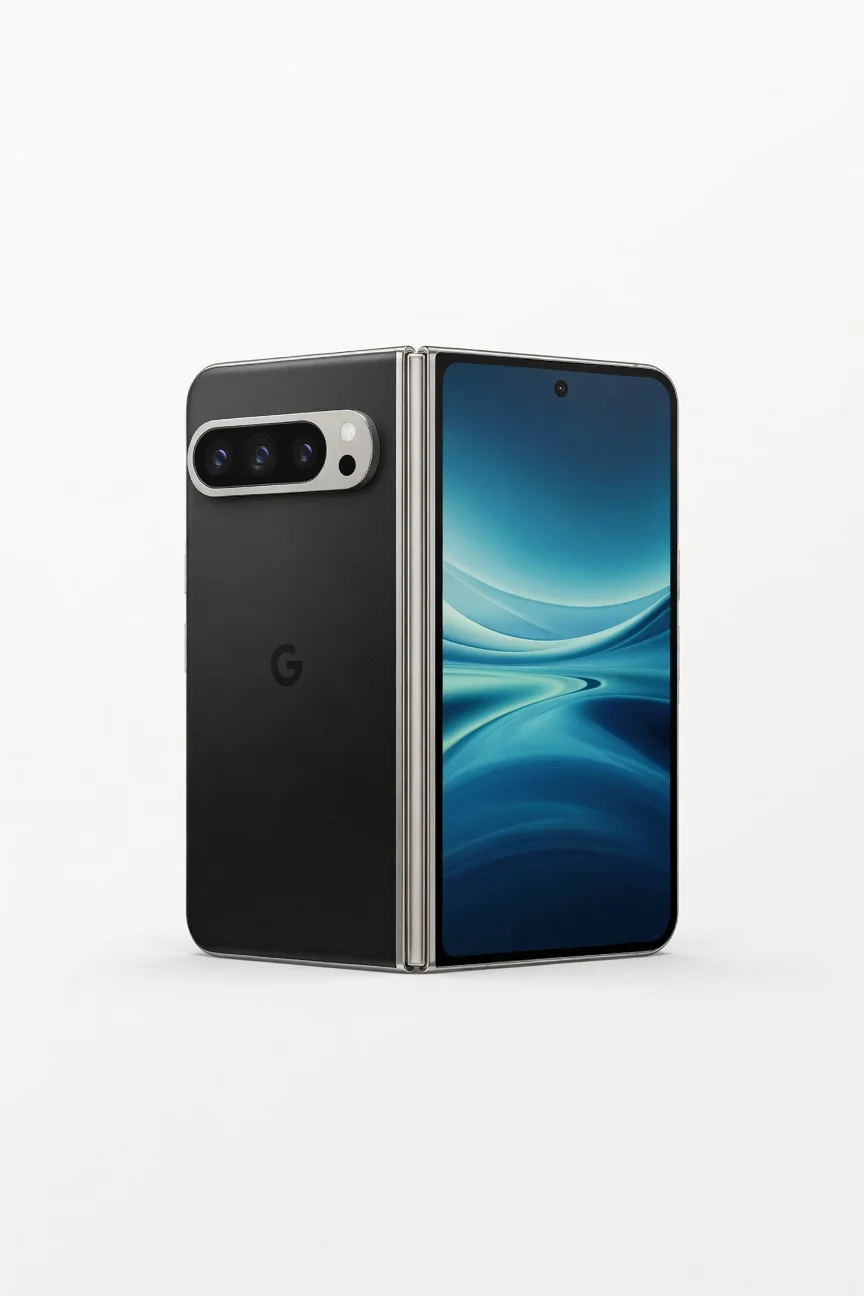
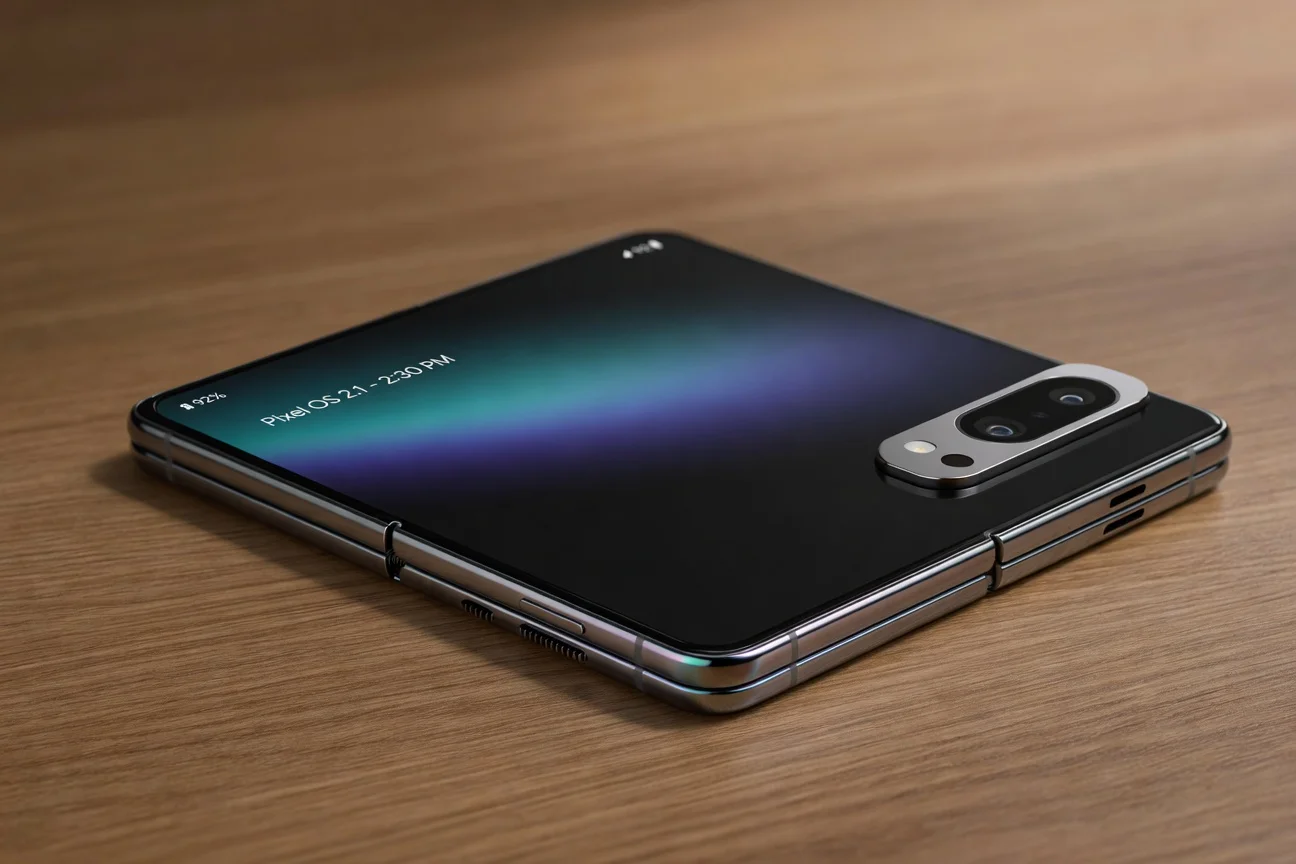
The Google Pixel Fold 2 showcases a refined design that builds on its predecessor’s strengths while addressing past critiques. The device feels premium with its sleek aluminum frame and Gorilla Glass Victus 2 protection on both the cover and inner displays. The hinge mechanism is noticeably smoother and more durable, rated for 200,000 folds, ensuring longevity for daily use. At 275g, it’s slightly lighter than some competitors, though still a hefty device when folded.
Ergonomically, the Pixel Fold 2 fits comfortably in hand, with a slimmer profile when closed compared to the first generation. The 6.1-inch cover display is now more usable with a taller aspect ratio, making it feel like a regular smartphone. When unfolded, the 7.9-inch main display offers a near-square aspect ratio, ideal for multitasking and media consumption, though the crease is still faintly visible under certain lighting conditions.
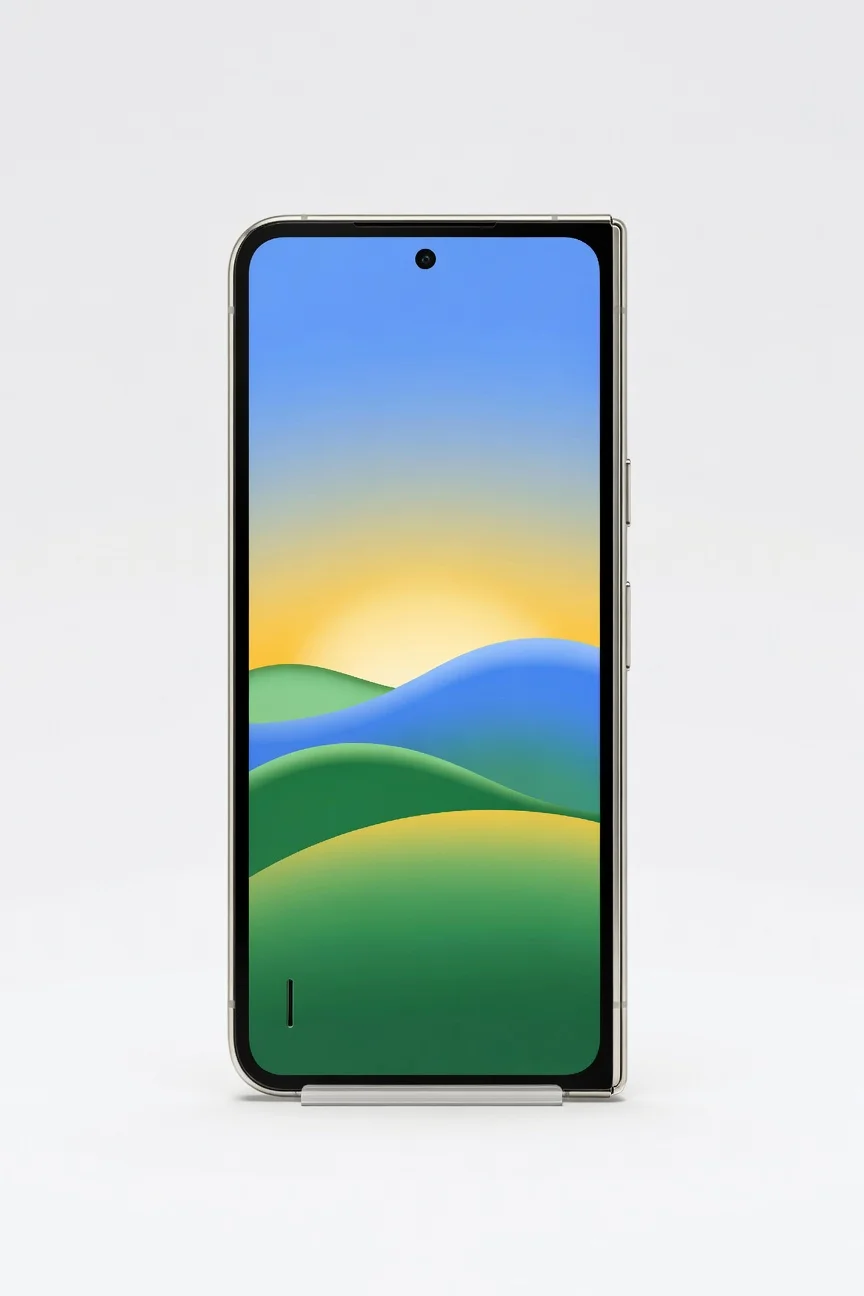
Attention to detail is evident in the matte finish that resists fingerprints and the IPX8 water resistance rating—a welcome addition for a foldable. However, the device can feel a bit top-heavy when unfolded for extended periods, which might strain wrists during prolonged use. Overall, Google has delivered a polished design that screams premium, aligning with 2026’s expectations for high-end foldables.
Performance
Under the hood, the Google Pixel Fold 2 is powered by the latest Google Tensor G3 chip, built on a 3nm process for enhanced efficiency and raw power. Paired with up to 16GB of RAM, this foldable handles everything from intensive gaming to multitasking across split-screen apps with ease. In real-world usage, apps launch instantly, and switching between the cover and main displays feels seamless, with no noticeable lag even under heavy workloads.
Benchmarks place the Pixel Fold 2 near the top of 2026’s flagship devices, with impressive scores in both single-core and multi-core tests on platforms like Geekbench 6. Graphics performance, especially in games like Genshin Impact on max settings, is smooth thanks to the optimized GPU and 120Hz refresh rate on both screens. The thermal management is also commendable, with minimal overheating during extended sessions, a step up from earlier Pixel devices.
That said, while the Tensor G3 excels in AI-driven tasks and power efficiency, it doesn’t quite match the raw processing speed of some Snapdragon-powered competitors in 2026. Battery life, supported by a 4,800mAh cell, comfortably lasts a full day of mixed use, though heavy multitasking on the larger screen can drain it faster. Overall, the Pixel Fold 2 offers flagship-grade performance tailored for productivity and entertainment.
Features & Software
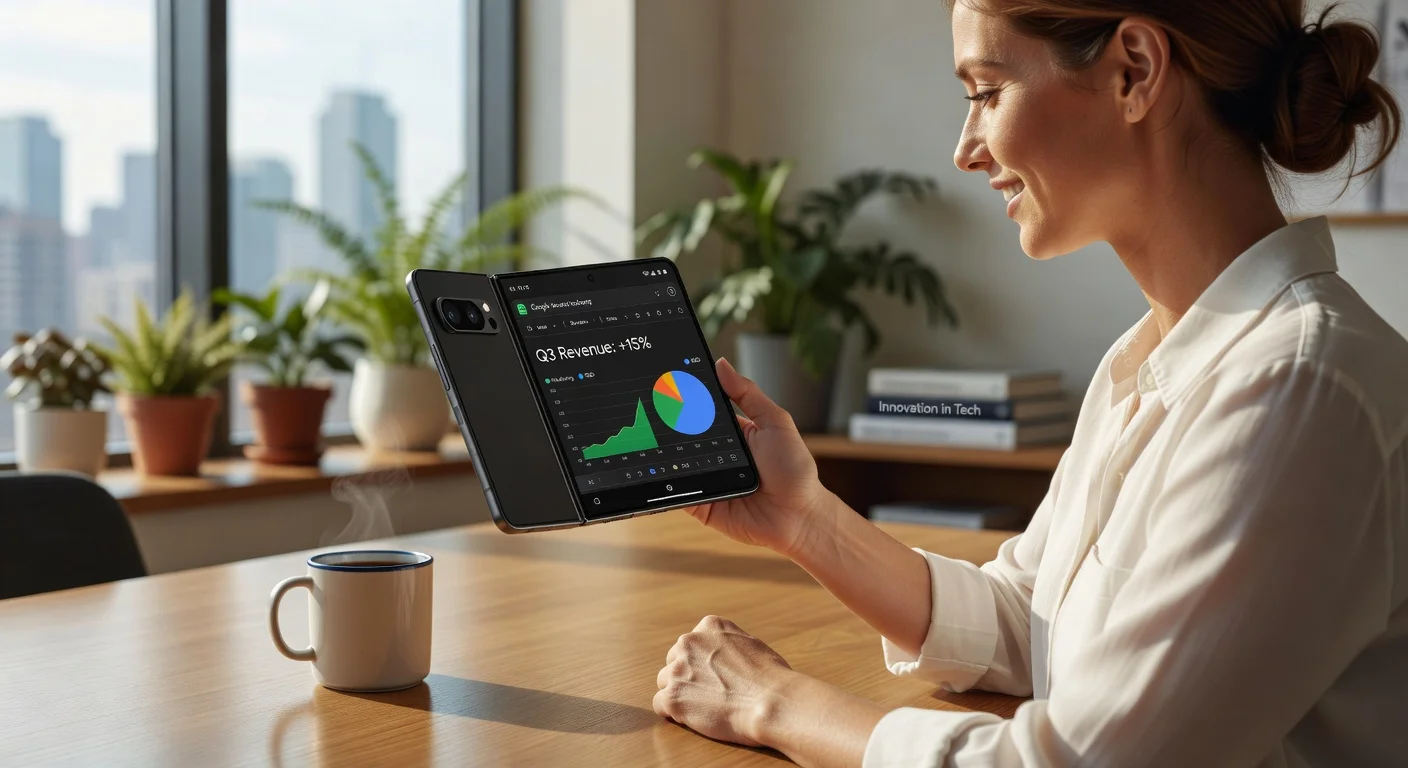
The Google Pixel Fold 2 shines with its software experience, running Android 16 out of the box with Google’s signature clean and intuitive interface. The foldable-optimized OS takes full advantage of the dual displays, offering enhanced multitasking with drag-and-drop functionality, split-screen for up to three apps, and a taskbar for quick app switching. AI features, like real-time translation and advanced photo editing, are deeply integrated, making this device a powerhouse for creators and professionals alike.
Standout hardware features include the upgraded camera system, leveraging Google’s computational photography for stunning low-light shots and realistic colors. The under-display fingerprint sensor is fast and reliable, and the stereo speakers deliver rich, immersive audio. While there’s no stylus support—a missed opportunity for productivity users—the overall feature set, combined with five years of guaranteed software updates, ensures the Pixel Fold 2 remains future-proof in 2026 and beyond.
Value Proposition
Priced at a premium starting point of around $1,799 for the base model, the Google Pixel Fold 2 isn’t cheap, but it offers significant value for what you get in 2026. The combination of a refined foldable design, top-tier software optimization, and Google’s long-term update commitment makes it a compelling investment for those seeking a device that bridges smartphone and tablet functionality. Compared to non-foldable flagships at similar price points, the Pixel Fold 2 delivers a unique dual-display experience that justifies the cost for the right user.
However, for budget-conscious buyers or those skeptical of foldables’ durability, the high price tag might be a barrier. When weighed against other foldables in 2026, Google’s offering strikes a balance between innovation and practicality, though some might argue the lack of certain niche features (like stylus support) slightly dims its value shine. Still, for Pixel fans or foldable enthusiasts, this device offers a polished package that’s hard to overlook.
How It Compares
Against the Samsung Galaxy Z Fold 8, the Google Pixel Fold 2 holds its own with a superior software experience and better camera processing, thanks to Google’s AI prowess. However, Samsung’s offering edges out with S Pen support and a slightly larger main display, catering more to productivity-focused users. The Pixel Fold 2, on the other hand, feels more intuitive for everyday multitasking and media consumption.
When compared to the OnePlus Open 2, another strong contender in 2026, the Pixel Fold 2 offers a more premium build and longer software support. OnePlus may undercut on price and provide faster charging speeds, but Google’s ecosystem integration and cleaner Android experience give the Pixel an edge for users already invested in Google services.
Pros and Cons
Pros
- Stunning dual AMOLED displays with vibrant colors and smooth 120Hz refresh rates.
- Powerful Tensor G3 chip ensures flagship performance for gaming and multitasking.
- Exceptional camera system with Google’s unmatched computational photography.
- Long-term software updates with Android 16 and five years of support.
- Refined hinge and premium build quality for a durable foldable experience.
Cons
- High price point may deter budget-conscious buyers in 2026.
- No stylus support, limiting productivity potential compared to competitors.
- Visible display crease under certain angles, though less prominent than before.
- Battery life could be better under heavy multitasking on the main screen.
- Slightly top-heavy design may cause discomfort during extended unfolded use.
FAQ
Q: Is the Google Pixel Fold 2 worth the price in 2026?
A: Yes, for tech enthusiasts and professionals who value foldable functionality, premium build, and long-term software support, it’s a solid investment at $1,799.
Q: How durable is the hinge on the Pixel Fold 2?
A: The hinge is rated for 200,000 folds, making it highly durable for daily use over several years, even with frequent opening and closing.
Q: Does the Pixel Fold 2 support fast charging?
A: Yes, it supports 30W fast charging, though it’s slower compared to some competitors offering 50W or higher in 2026.
Q: Can the Pixel Fold 2 handle gaming well?
A: Absolutely, with the Tensor G3 chip and 120Hz displays, it delivers smooth performance for even the most demanding mobile games.
Q: Is there water resistance on the Pixel Fold 2?
A: Yes, it comes with an IPX8 rating, offering protection against water immersion, which is rare for foldables.
Verdict
The Google Pixel Fold 2 is an excellent choice for tech-savvy users and early adopters who crave the versatility of a foldable smartphone in 2026. It’s best suited for those already in the Google ecosystem, content creators, and multitaskers who need a device that doubles as a mini-tablet. If you’re looking for a premium, future-proof foldable with stellar software, this is the one to beat.
Pros
- ✓ Stunning dual AMOLED displays with vibrant colors and smooth 120Hz refresh rates.
- ✓ Powerful Tensor G3 chip ensures flagship performance for gaming and multitasking.
- ✓ Exceptional camera system with Google’s unmatched computational photography.
- ✓ Long-term software updates with Android 16 and five years of support.
- ✓ Refined hinge and premium build quality for a durable foldable experience.
Cons
- ✗ High price point may deter budget-conscious buyers in 2026.
- ✗ No stylus support, limiting productivity potential compared to competitors.
- ✗ Visible display crease under certain angles, though less prominent than before.
- ✗ Battery life could be better under heavy multitasking on the main screen.
- ✗ Slightly top-heavy design may cause discomfort during extended unfolded use.