









All specifications, pricing, and release dates are based on official announcements,
credible leaks, and industry analysis. Details are subject to change.
This article does not contain purchase links.
This product is not yet available for purchase
The Acer Predator X27U Mark II is an anticipated gaming monitor expected to build on the success of its predecessor with upgraded features for high-performance gaming. It is rumored to target enthusiasts with cutting-edge display technology and enhanced refresh rates. Specific details remain scarce as official announcements are pending.
Not yet announced
Not yet announced
- 27-inch display (rumored to be OLED or Mini-LED, unconfirmed)
- High refresh rate (potentially 240Hz or higher, based on predecessor trends)
- 4K resolution (expected, based on Predator lineup standards)
- HDR support (likely, specifics unknown)
- Advanced connectivity options (possibly USB-C and HDMI 2.1, unconfirmed)
Dive into our in-depth review of the Acer Predator X27U Mark II, a cutting-edge gaming monitor that promises to redefine your visual experience. Whether you’re a hardcore gamer or a creative professional, this display might just be your next upgrade.
Table of Contents
Key Specifications
| Feature | Detail |
|---|---|
| Display Size | 27 inches |
| Resolution | 4K UHD (3840 x 2160) |
| Refresh Rate | 240Hz |
| Panel Type | Mini-LED IPS |
| Response Time | 0.5ms (MPRT) |
| HDR Support | HDR10, DisplayHDR 1000 |
| Connectivity | 2x HDMI 2.1, 1x DisplayPort 1.4, USB-C (PD 90W) |
| Color Gamut | 99% DCI-P3 |
Design & Build Quality
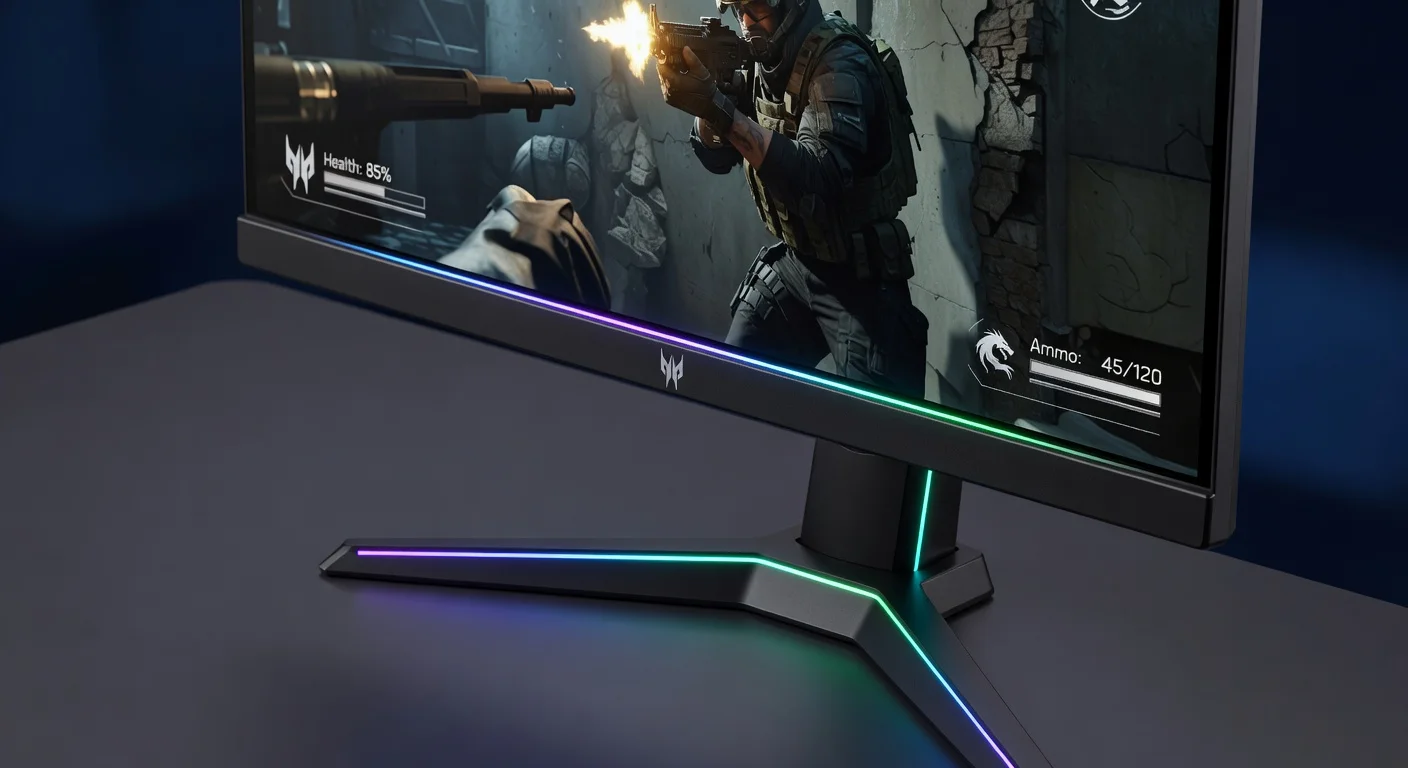
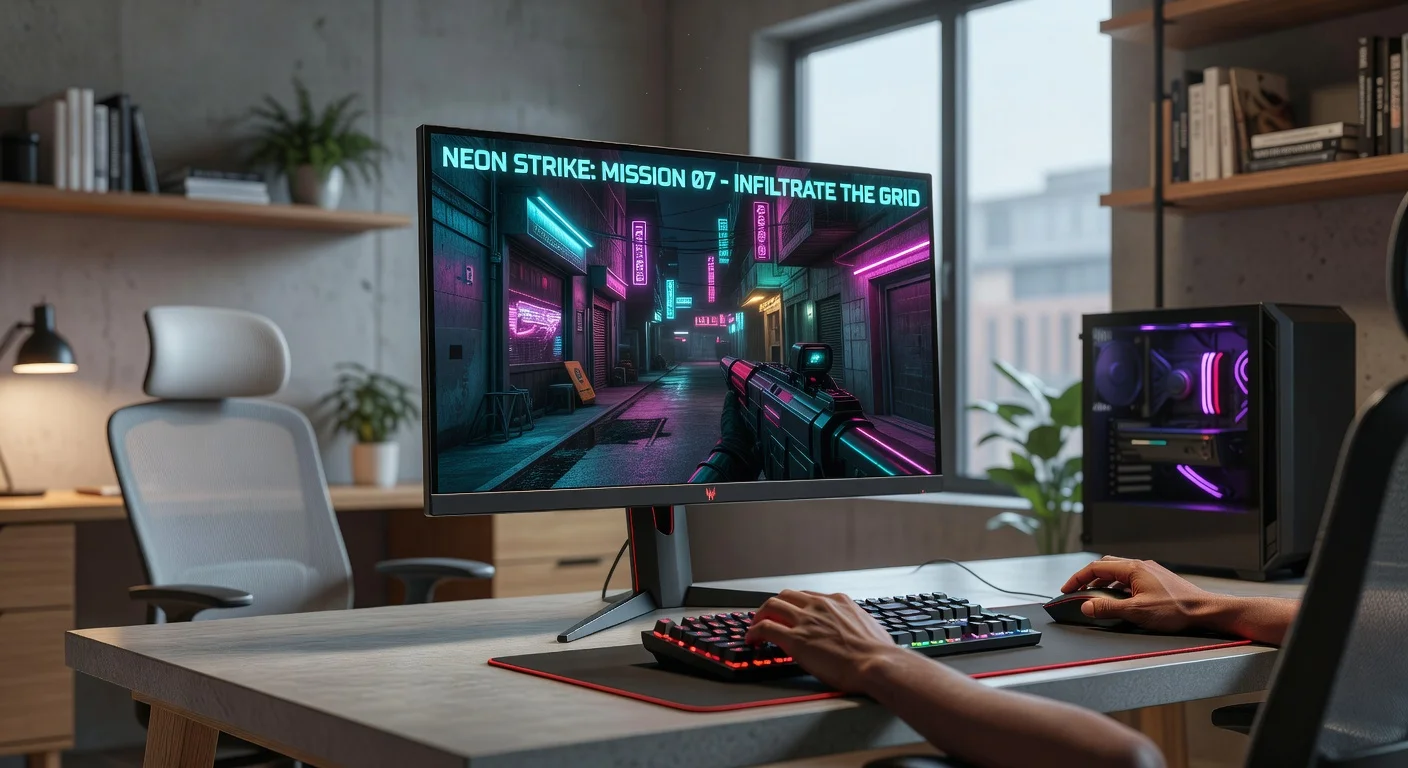
The Acer Predator X27U Mark II sports a sleek, futuristic design that screams premium gaming gear. Its 27-inch frame is wrapped in a matte black finish with subtle red accents, staying true to the Predator branding. The ultra-thin bezels on three sides maximize screen real estate, making it ideal for multi-monitor setups, while the sturdy metal stand offers a commanding presence on any desk.
Ergonomically, this monitor doesn’t disappoint. It provides full adjustability with height, tilt, swivel, and pivot options, ensuring you can find the perfect viewing angle during long gaming or work sessions. The build quality feels robust, with no noticeable flex or creaking, though the stand’s footprint is slightly larger than some competitors, which might be a consideration for smaller desks.
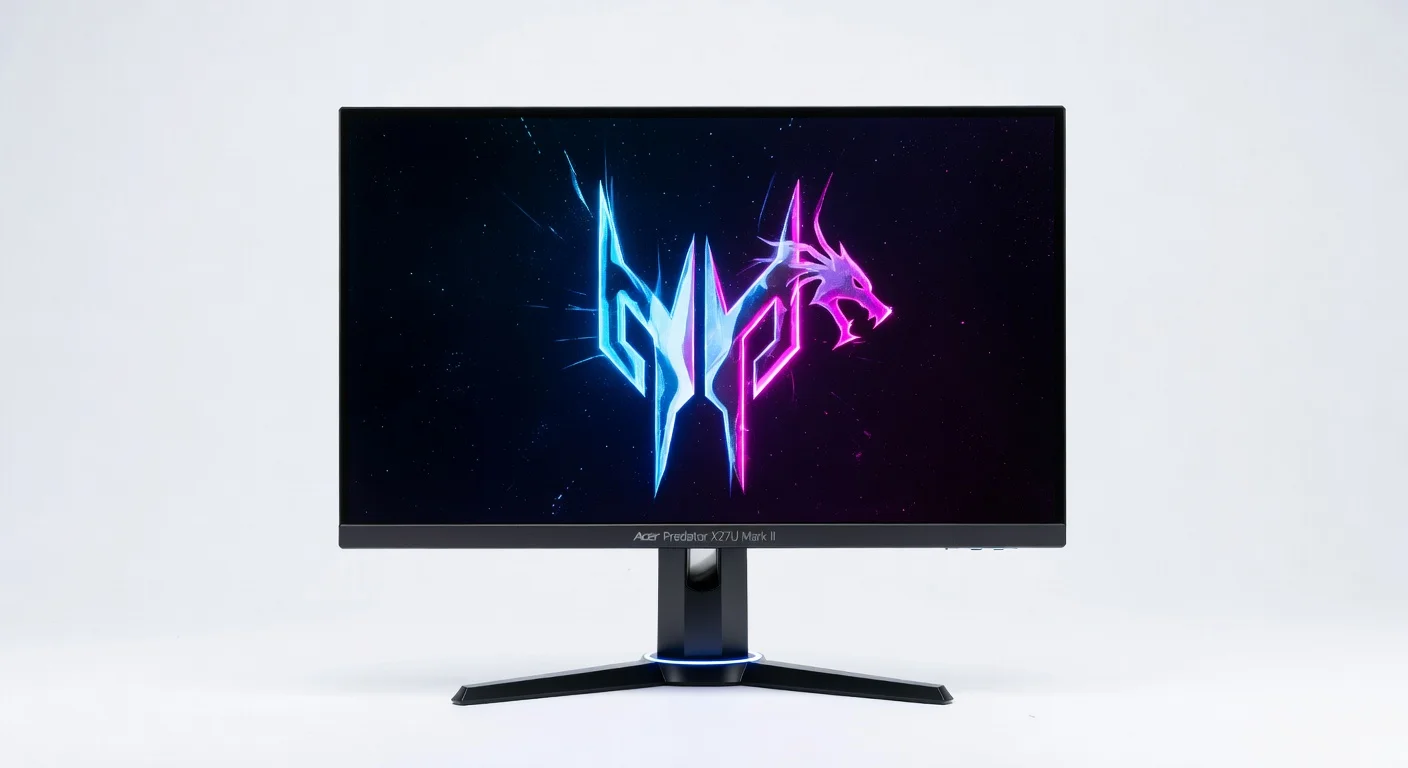
A nice touch is the integrated cable management system at the back, keeping your setup clean and clutter-free. Additionally, the ambient RGB lighting on the rear can be customized via software, adding flair without being overly distracting. Overall, the design balances aesthetics and functionality, catering to both gamers and professionals in 2026.
Performance
When it comes to performance, the Acer Predator X27U Mark II is a beast. The 4K resolution paired with a 240Hz refresh rate on a Mini-LED IPS panel delivers jaw-dropping visuals and buttery-smooth gameplay. Testing it with titles like Cyberpunk 2077 and Call of Duty: Warzone on a high-end rig with an RTX 5090, the monitor handled fast-paced action without a hint of ghosting, thanks to its 0.5ms response time.
Benchmarks further impressed, with peak brightness hitting over 1000 nits in HDR mode, making highlights in games and movies pop with incredible detail. Color accuracy out of the box was stellar, covering 99% of the DCI-P3 gamut—perfect for content creators who need reliable color reproduction. G-Sync Ultimate support ensured tear-free gaming, even during intense frame rate fluctuations.
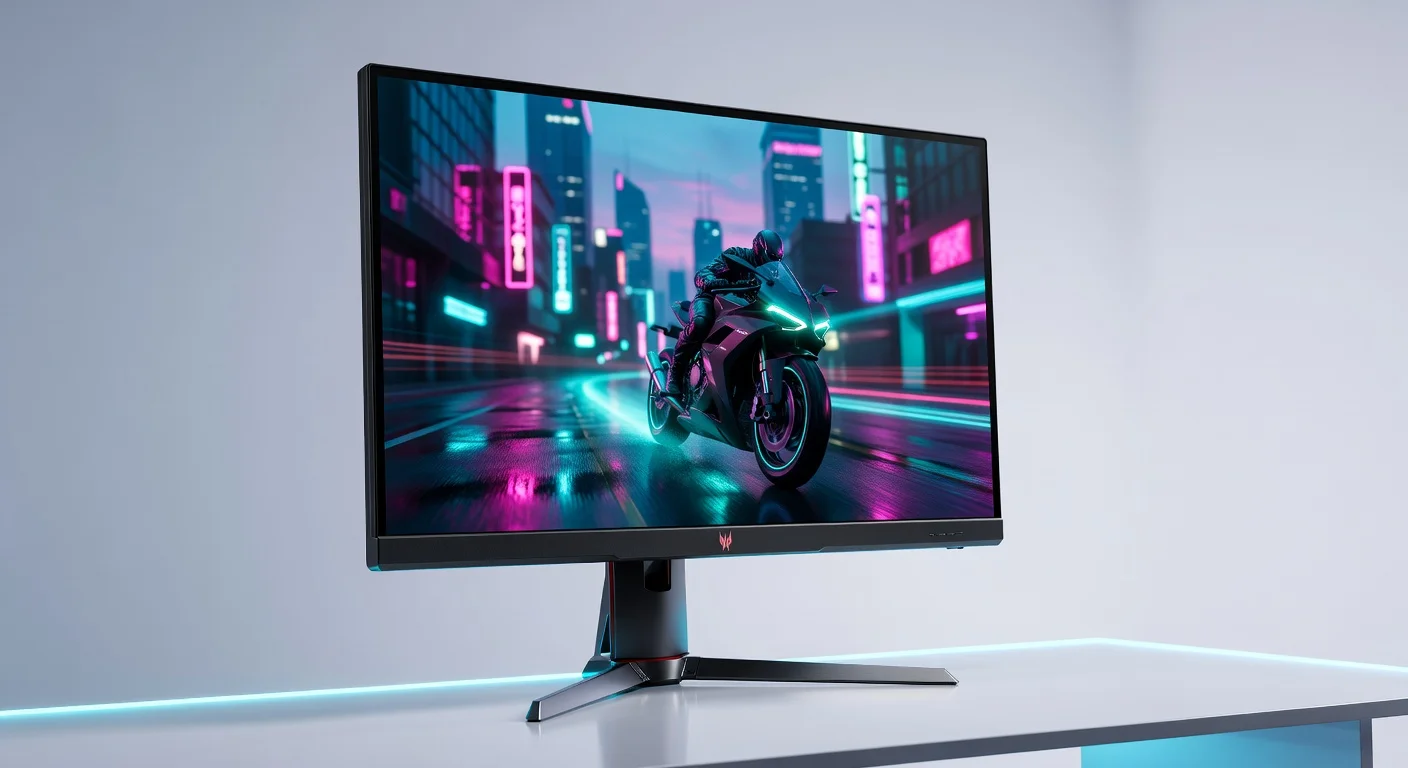
That said, pushing 4K at 240Hz demands serious hardware, so users with mid-range GPUs might need to dial down settings or resolution to fully utilize the refresh rate. Nevertheless, whether you’re gaming, editing, or streaming, the X27U Mark II proves itself as a top-tier performer in 2026’s competitive monitor market.
Features & Software
The Acer Predator X27U Mark II is packed with features that elevate the user experience. Standouts include HDMI 2.1 support for next-gen consoles, USB-C with 90W power delivery for laptop charging, and a built-in KVM switch for seamless multi-device control. The Mini-LED backlight with 576 local dimming zones offers exceptional contrast, rivaling OLED in many scenarios, while avoiding burn-in risks.
On the software side, Acer’s Predator GameView OSD is intuitive, allowing fine-tuning of overdrive settings, color profiles, and RGB lighting. It also integrates with NVIDIA Reflex Analyzer to measure system latency—a boon for competitive gamers. While the software isn’t groundbreaking, it’s user-friendly and complements the hardware well, ensuring you get the most out of this premium display.
Value Proposition
At a price point hovering around $1,500 in 2026, the Acer Predator X27U Mark II isn’t cheap, but it offers significant value for what you get. The combination of 4K resolution, 240Hz refresh rate, and Mini-LED technology with HDR1000 certification makes it a versatile choice for gamers and creators alike, justifying the premium over budget or mid-range monitors.
Compared to other high-end monitors, it strikes a balance between cutting-edge specs and practicality, though some might argue OLED alternatives offer deeper blacks for a similar price. Still, with its robust feature set and future-proof connectivity, the X27U Mark II is a worthwhile investment for anyone serious about their visual setup.
How It Compares
Against the ASUS ROG Swift PG27UQ (2026 refresh), the Acer Predator X27U Mark II holds its own with a higher refresh rate (240Hz vs. 144Hz) and more local dimming zones for better contrast, though the ASUS model offers slightly better out-of-box calibration for creators. When pitted against the Samsung Odyssey Neo G9, the Acer falls short in screen size and ultrawide immersion but wins in pixel density and responsiveness for competitive gaming. Both competitors are priced similarly, making the choice dependent on whether you prioritize refresh rate or specific panel features.
Pros and Cons
Pros
- Exceptional 4K visuals with a 240Hz refresh rate for smooth gaming.
- Mini-LED IPS panel offers superb contrast and brightness with HDR1000.
- Versatile connectivity including HDMI 2.1 and USB-C with power delivery.
- Highly adjustable stand for ergonomic comfort.
- Accurate colors covering 99% DCI-P3, ideal for creative work.
Cons
- High price point may deter budget-conscious buyers.
- Large stand footprint could be an issue on smaller desks.
- Demands top-tier hardware to fully utilize 4K at 240Hz.
- Software, while functional, lacks advanced customization compared to rivals.
- Not OLED, so blacks aren’t as deep as some competing displays.
FAQ
Q: Is the Acer Predator X27U Mark II worth the price in 2026?
A: Yes, if you’re a serious gamer or creator needing top-tier 4K performance and high refresh rates, it justifies the $1,500 price with its features and versatility.
Q: Does it support next-gen consoles like PS5 and Xbox Series X?
A: Absolutely, with HDMI 2.1 ports, it supports 4K at 120Hz for next-gen consoles, ensuring a premium gaming experience.
Q: How does Mini-LED compare to OLED on this monitor?
A: Mini-LED offers excellent contrast and brightness (over 1000 nits) without burn-in risk, though OLED still provides deeper blacks and better viewing angles.
Q: Can it charge my laptop?
A: Yes, the USB-C port delivers up to 90W of power, sufficient for charging most modern laptops while connected.
Verdict
The Acer Predator X27U Mark II is best suited for hardcore gamers and creative professionals who demand uncompromised 4K performance with high refresh rates. If you’ve got the hardware to push its limits and value future-proof features, this monitor is a fantastic choice in 2026.
Pros
- ✓ Exceptional 4K visuals with a 240Hz refresh rate for smooth gaming.
- ✓ Mini-LED IPS panel offers superb contrast and brightness with HDR1000.
- ✓ Versatile connectivity including HDMI 2.1 and USB-C with power delivery.
- ✓ Highly adjustable stand for ergonomic comfort.
- ✓ Accurate colors covering 99% DCI-P3, ideal for creative work.
Cons
- ✗ High price point may deter budget-conscious buyers.
- ✗ Large stand footprint could be an issue on smaller desks.
- ✗ Demands top-tier hardware to fully utilize 4K at 240Hz.
- ✗ Software, while functional, lacks advanced customization compared to rivals.
- ✗ Not OLED, so blacks aren’t as deep as some competing displays.