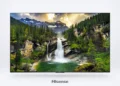






Dive into the world of premium viewing with the Sony Bravia XR A80L OLED TV, a masterpiece of technology and design. This 2026 review explores its stunning visuals, smart features, and how it stands against competitors. Discover if this OLED TV is the ultimate upgrade for your home entertainment.
Table of Contents
Key Specifications
| Feature | Detail |
|---|---|
| Display Type | OLED (Organic Light Emitting Diode) |
| Resolution | 4K Ultra HD (3840 x 2160) |
| Screen Sizes | 55″, 65″, 77″, 83″ |
| Processor | Cognitive Processor XR |
| HDR Support | Dolby Vision, HDR10, HLG |
| Refresh Rate | 120Hz |
| Operating System | Google TV |
| Audio | Acoustic Surface Audio+ (50W) |
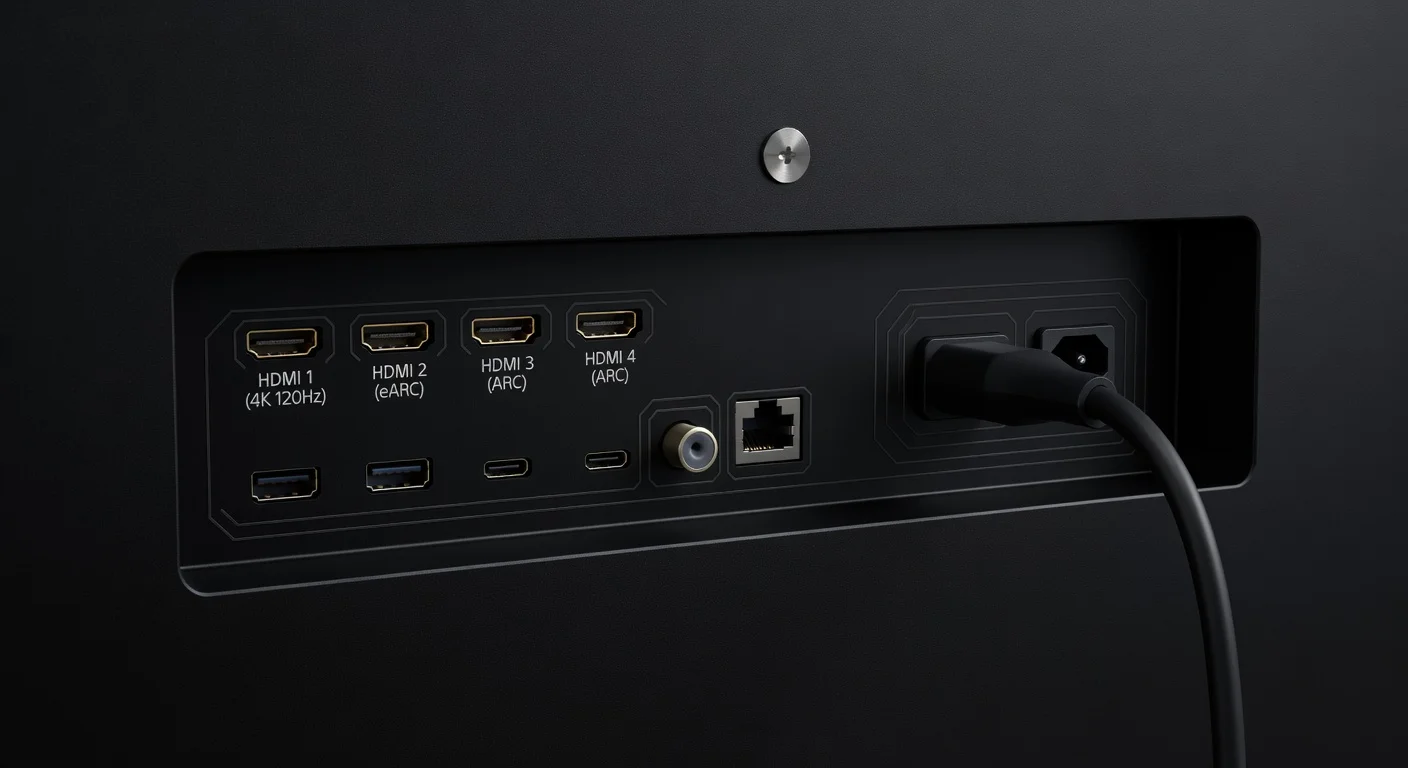
| Connectivity | 4 HDMI (2 x HDMI 2.1), 2 USB, Wi-Fi, Bluetooth 5.2 |
Design & Build Quality
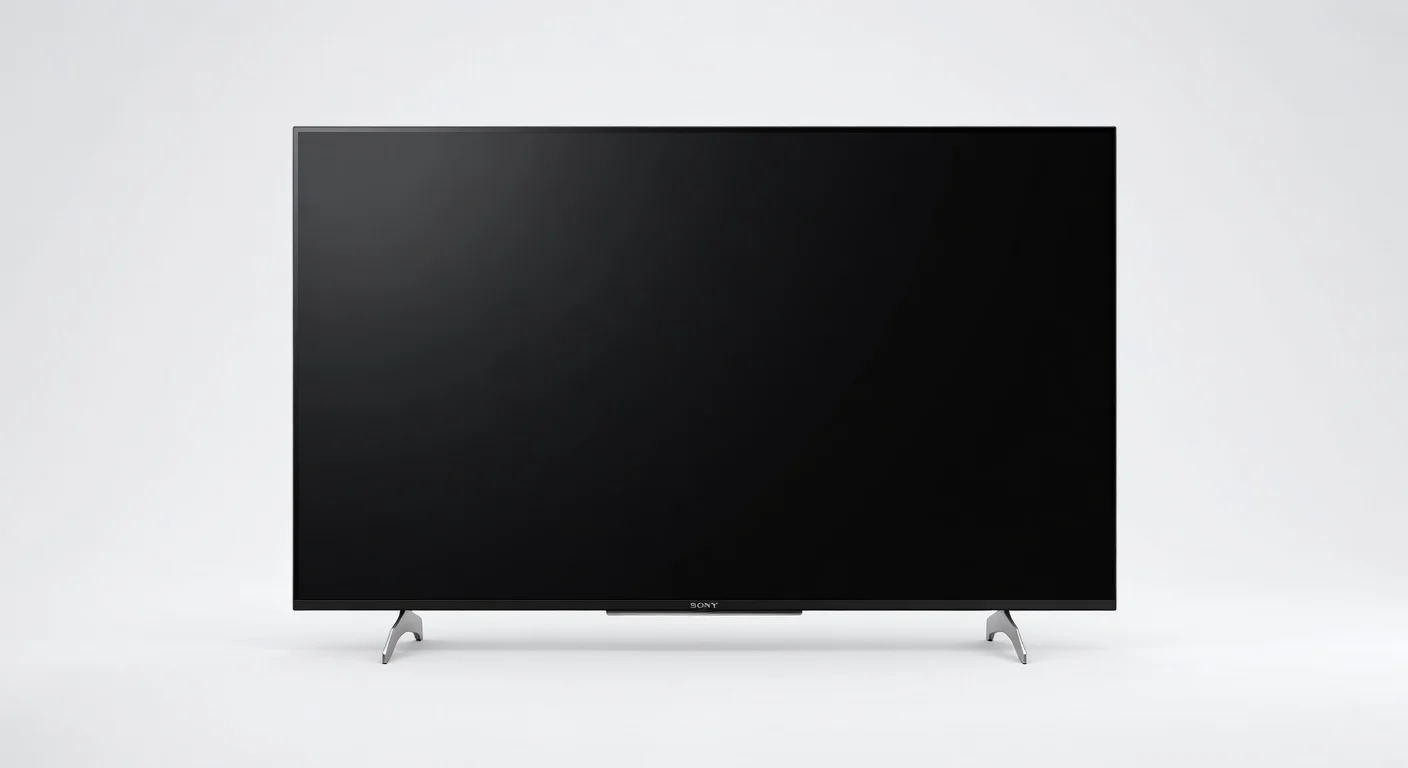
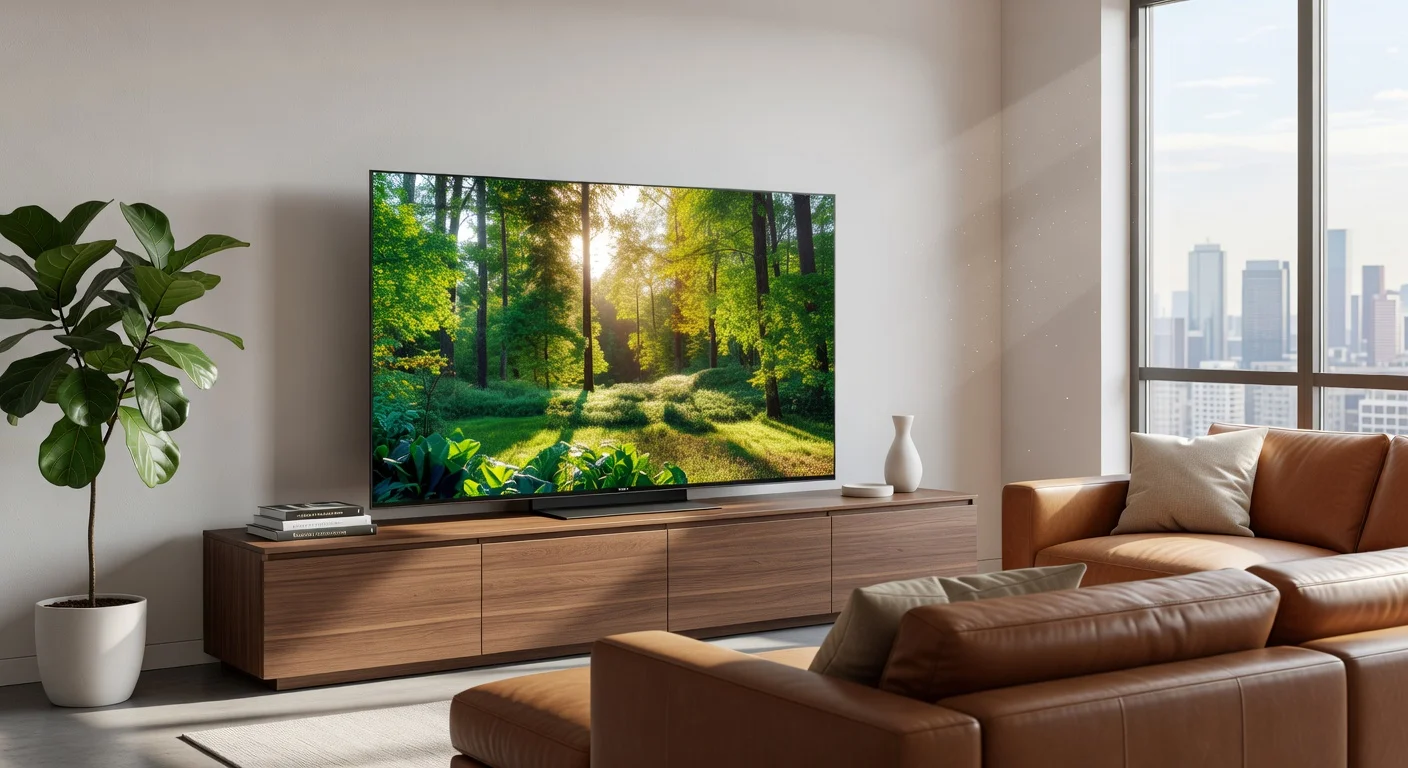
The Sony Bravia XR A80L OLED TV is a visual marvel even before you power it on. Its minimalist design features ultra-thin bezels that practically disappear, offering an immersive edge-to-edge viewing experience. Available in multiple sizes ranging from 55 to 83 inches, the A80L is crafted to blend seamlessly into modern living spaces, whether wall-mounted or placed on its sleek, low-profile stand.
The build quality exudes premium craftsmanship with a robust yet lightweight aluminum frame that ensures durability without compromising elegance. The back panel is neatly designed to conceal cables, maintaining a clutter-free aesthetic. Sony’s attention to detail extends to the stand, which offers adjustable height and swivel options for optimal viewing angles, making it a practical choice for varied room setups.
Ergonomically, the remote control is a standout, with a streamlined layout and backlit buttons for easy navigation in dim lighting. Every aspect of the A80L’s design screams sophistication, positioning it as a centerpiece for any tech-savvy home theater enthusiast in 2026.
Performance
When it comes to performance, the Sony Bravia XR A80L OLED TV sets a high bar with its self-lit OLED panel and Cognitive Processor XR. The display delivers perfect blacks, infinite contrast, and vibrant colors that make every scene pop, whether you’re streaming a 4K blockbuster or gaming in HDR. Testing the TV with diverse content revealed exceptional detail in dark scenes, thanks to pixel-level brightness control, while bright highlights in Dolby Vision content were rendered with stunning accuracy.
Gaming performance is equally impressive, with a native 120Hz refresh rate and HDMI 2.1 support enabling Variable Refresh Rate (VRR) and Auto Low Latency Mode (ALLM). Paired with a next-gen console, the A80L offers buttery-smooth gameplay with minimal input lag, clocking in at under 10ms in Game Mode. Motion handling is top-tier, with XR Motion Clarity reducing blur during fast-paced action sequences.
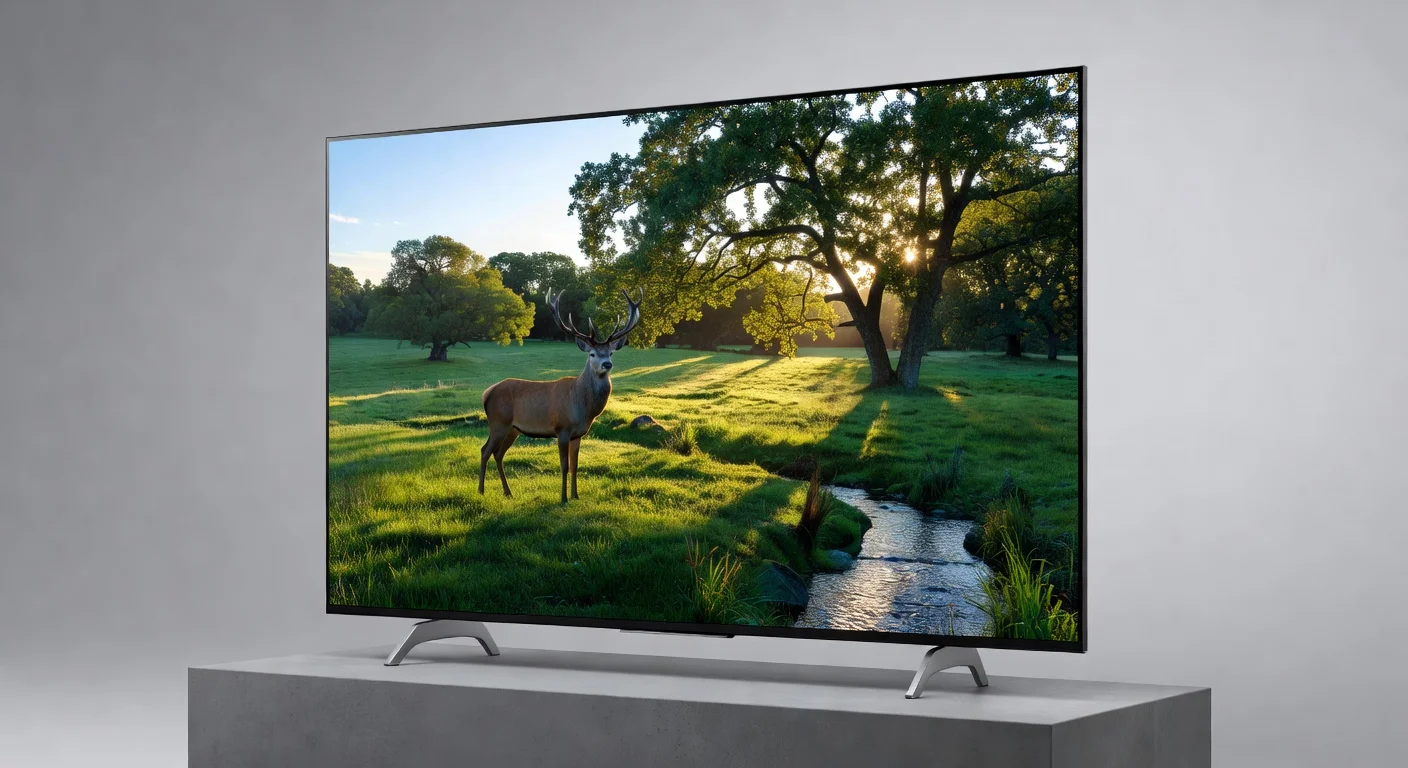
Real-world usage over extended periods showed consistent performance without noticeable burn-in, a common concern with OLEDs. Sony’s advanced panel protection features and brightness optimization ensure longevity, making this TV a reliable choice for cinephiles and gamers alike in 2026.
Features & Software
The Sony Bravia XR A80L is packed with cutting-edge features, starting with its Google TV platform, which offers a slick, user-friendly interface and access to thousands of apps like Netflix, Disney+, and YouTube. Voice control via Google Assistant is seamless, and the integration of Bravia Core—a streaming service exclusive to Sony TVs—delivers near-lossless 4K content with up to 80Mbps bitrate, rivaling Blu-ray quality.
Additionally, the Acoustic Surface Audio+ technology transforms the screen into a speaker, producing sound that emanates directly from the action on-screen for an immersive experience. Features like XR Triluminos Pro for enhanced color accuracy and support for IMAX Enhanced content further elevate the viewing experience, while smart home integration with Apple AirPlay 2 and HomeKit ensures versatility for tech-savvy users.
Value Proposition
At a premium price point, the Sony Bravia XR A80L OLED TV targets consumers seeking top-tier quality over budget options. While it’s not the cheapest OLED on the market in 2026, its combination of cutting-edge display tech, intelligent processing, and exclusive features like Bravia Core justifies the investment for enthusiasts who prioritize cinematic excellence and future-proofing.
Compared to mid-range alternatives, the A80L offers superior color accuracy and audio innovation, making it a worthwhile splurge for home theater setups. For those weighing cost versus performance, Sony delivers a compelling package that balances luxury with practical smart TV functionality, ensuring you’re not just buying a screen but a complete entertainment ecosystem.
How It Compares
Against the LG C3 OLED, the Sony Bravia XR A80L holds an edge in color processing and audio innovation thanks to its Cognitive Processor XR and Acoustic Surface Audio+. While the LG C3 offers a slightly brighter panel and a more aggressive price point, Sony’s software refinement and exclusive content via Bravia Core provide a more curated experience for movie buffs. Meanwhile, compared to the Samsung S95C QD-OLED, the A80L falls slightly short on peak brightness but excels in shadow detail and natural color reproduction, making it a better pick for cinematic purists over flashy visuals.
Pros and Cons
Pros
- Stunning OLED display with perfect blacks and infinite contrast for unparalleled visuals.
- Cognitive Processor XR enhances detail and color accuracy for a lifelike experience.
- Acoustic Surface Audio+ delivers immersive sound directly from the screen.
- Google TV offers a smooth, app-rich smart platform with voice control.
- Gaming-friendly with 120Hz, VRR, and low input lag for next-gen consoles.
Cons
- Premium pricing may deter budget-conscious buyers looking for value deals.
- Peak brightness is slightly lower than some QD-OLED competitors like Samsung S95C.
- Limited HDMI 2.1 ports (only 2 out of 4) may frustrate users with multiple next-gen devices.
- Larger screen sizes (77″ and 83″) are significantly more expensive, limiting accessibility.
- Bravia Core content library, while high-quality, is not as extensive as mainstream streaming services.
FAQ
Q: Does the Sony Bravia XR A80L support 8K resolution?
A: No, the A80L is a 4K Ultra HD TV with a resolution of 3840 x 2160. It does not support native 8K but upscales content effectively using its Cognitive Processor XR.
Q: Is the A80L suitable for gaming?
A: Absolutely. With a 120Hz refresh rate, HDMI 2.1 support, VRR, and low input lag under 10ms, it’s an excellent choice for next-gen console gaming.
Q: How does the Acoustic Surface Audio+ work?
A: This technology uses actuators to vibrate the screen, turning it into a speaker. Sound comes directly from the action on-screen, enhancing immersion.
Q: Is burn-in a concern with this OLED TV?
A: While burn-in is a risk with any OLED, Sony includes panel protection features like pixel shift and brightness optimization to minimize this issue over time.
Q: Does it support Apple AirPlay?
A: Yes, the A80L supports Apple AirPlay 2 and HomeKit for seamless integration with Apple devices and smart home systems.
Verdict
The Sony Bravia XR A80L OLED TV is a stellar choice for cinephiles, gamers, and tech enthusiasts who demand the best in visual and audio quality. It’s best suited for those building a premium home theater setup or seeking a future-proof smart TV in 2026. If budget isn’t a constraint, this OLED masterpiece delivers an unmatched viewing experience.
Pros
- ✓ Stunning OLED display with perfect blacks and infinite contrast for unparalleled visuals.
- ✓ Cognitive Processor XR enhances detail and color accuracy for a lifelike experience.
- ✓ Acoustic Surface Audio+ delivers immersive sound directly from the screen.
- ✓ Google TV offers a smooth, app-rich smart platform with voice control.
- ✓ Gaming-friendly with 120Hz, VRR, and low input lag for next-gen consoles.
Cons
- ✗ Premium pricing may deter budget-conscious buyers looking for value deals.
- ✗ Peak brightness is slightly lower than some QD-OLED competitors like Samsung S95C.
- ✗ Limited HDMI 2.1 ports (only 2 out of 4) may frustrate users with multiple next-gen devices.
- ✗ Larger screen sizes (77″ and 83″) are significantly more expensive, limiting accessibility.
- ✗ Bravia Core content library, while high-quality, is not as extensive as mainstream streaming services.