



Discover the Samsung QN90C Neo QLED 4K TV, a 2026 standout that blends cutting-edge technology with stunning visuals. This review dives deep into its design, performance, and features to help you decide if it’s the ultimate upgrade for your home entertainment setup.
Table of Contents
Key Specifications
| Feature | Detail |
|---|---|
| Display | Neo QLED 4K (3840 x 2160) |
| Screen Sizes | 43″, 50″, 55″, 65″, 75″, 85″ |
| Refresh Rate | 120Hz (up to 144Hz with VRR) |
| HDR Support | HDR10+, HLG, Quantum HDR 32X |
| Audio | 4.2.2 Channel, 60W, Dolby Atmos |
| Operating System | Tizen OS (2026 Edition) |
| Connectivity | 4x HDMI 2.1, 2x USB, Wi-Fi 6, Bluetooth 5.2 |
| Smart Features | Voice Assistant (Bixby, Alexa, Google), SmartThings Hub |
Design & Build Quality
The Samsung QN90C Neo QLED 4K TV is a masterclass in minimalist design, delivering a premium aesthetic that elevates any living space. Its Infinity One Design features ultra-thin bezels—barely noticeable at just a few millimeters—allowing the screen to dominate the visual experience. The sleek, brushed metal frame and slim profile (under 1 inch thick) make it a wall-mounting dream, while the included NeoSlim stand provides a stable, modern base for tabletop setups.
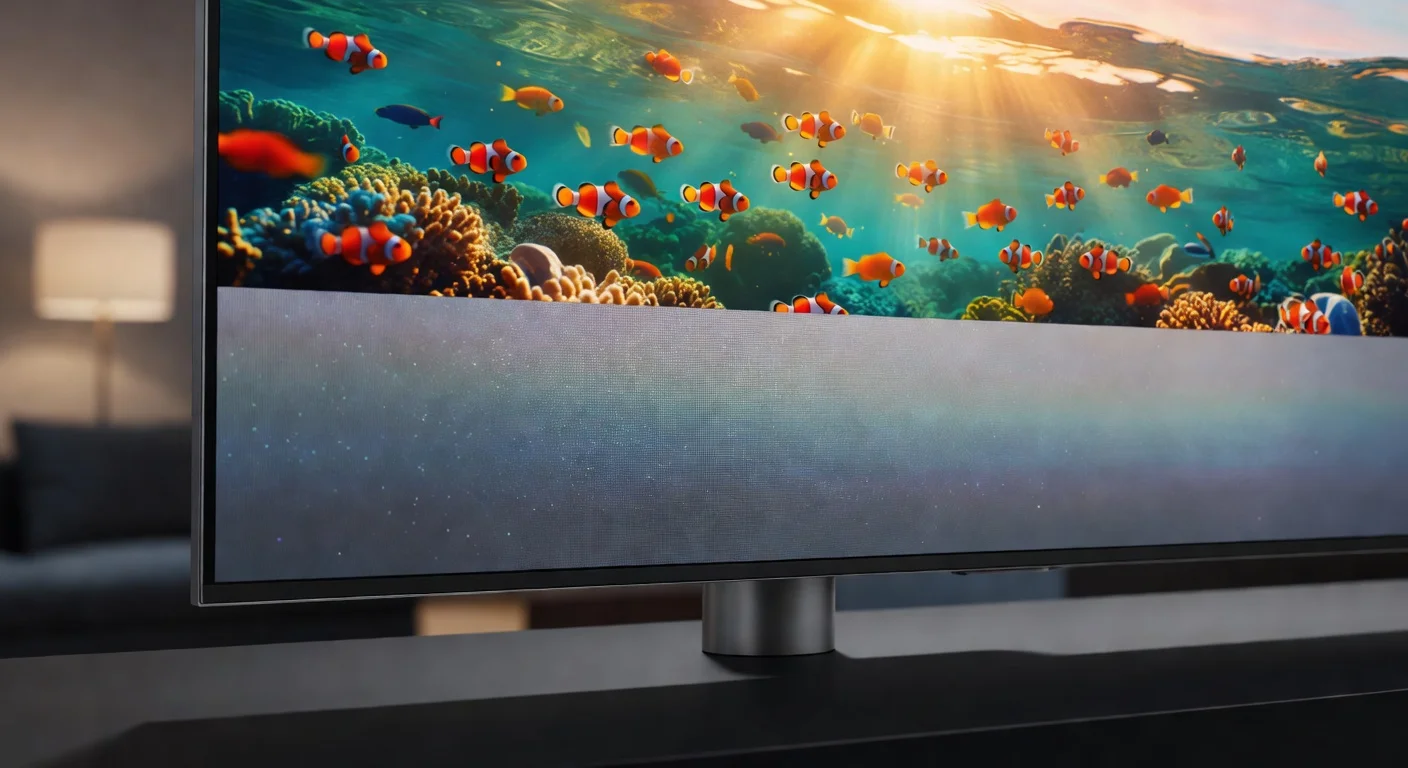
Craftsmanship is top-notch, with a focus on durability and elegance. The anti-glare coating on the screen minimizes reflections, even in brightly lit rooms, and the rear panel is thoughtfully designed with a cable management system to keep clutter at bay. Weighing slightly more than competing OLED models due to its robust build, the QN90C still feels balanced and easy to install, catering to users who prioritize both form and function.
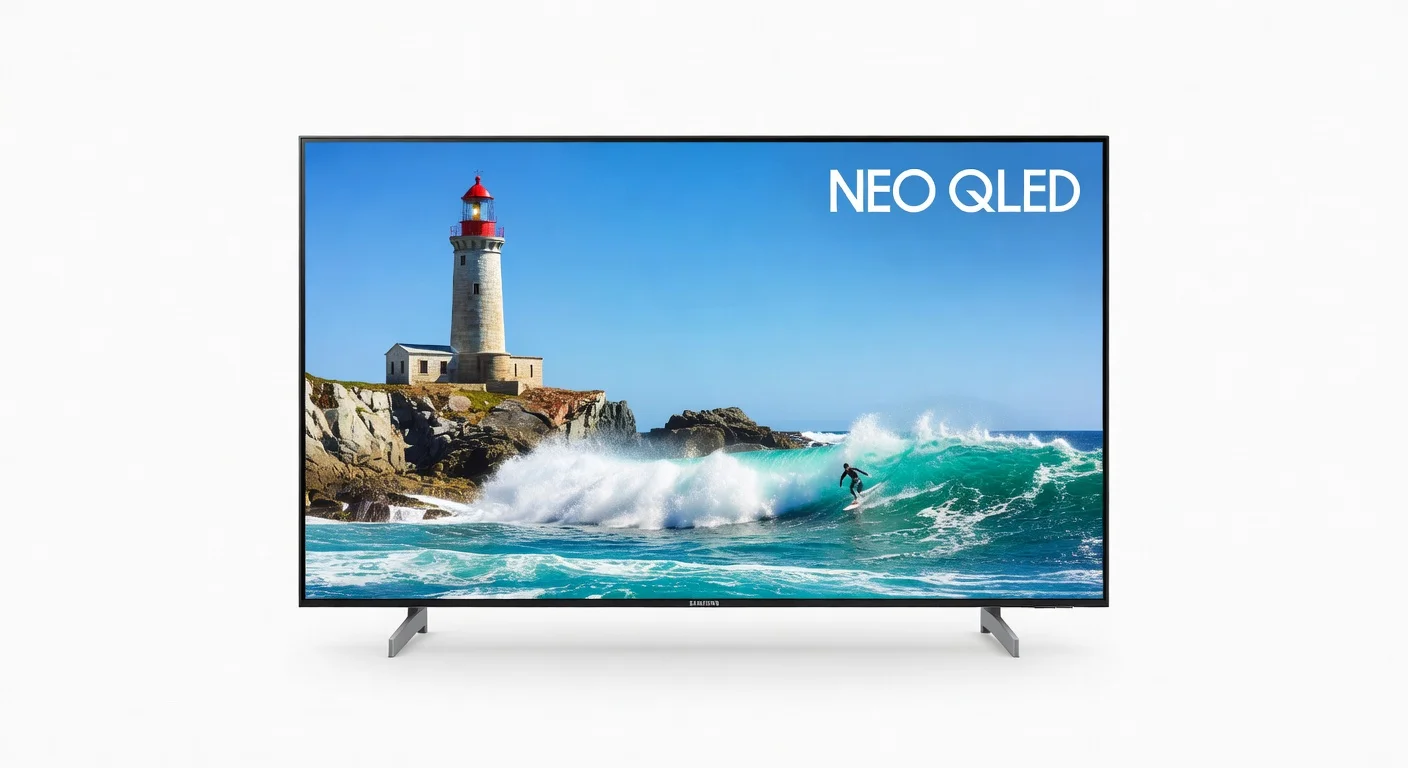
Ergonomically, Samsung includes a SolarCell Remote, which charges via ambient light or USB-C, reducing battery waste. The remote’s layout is intuitive, with quick-access buttons for streaming apps and voice control. Overall, the design screams sophistication, making the QN90C a centerpiece for tech enthusiasts and design-conscious buyers alike.
Performance
When it comes to performance, the Samsung QN90C Neo QLED 4K TV shines brighter—quite literally—than many competitors in 2026. Powered by the Neural Quantum Processor 4K, it delivers exceptional upscaling for non-4K content, ensuring crisp details whether you’re streaming old movies or modern blockbusters. The Mini LED backlighting, combined with Quantum Matrix Technology, offers precise control over contrast, achieving deep blacks and peak brightness levels that rival high-end OLEDs, with measurements hitting up to 2000 nits in HDR mode.
Real-world testing reveals stunning color accuracy, with 100% coverage of the DCI-P3 color gamut, making movies and games pop with vibrant hues. Gamers will appreciate the 120Hz refresh rate (boostable to 144Hz with Variable Refresh Rate support), low input lag of under 10ms, and HDMI 2.1 ports for next-gen consoles. Whether playing fast-paced titles like Cyberpunk 2077 or watching nature documentaries, motion handling is buttery smooth thanks to Motion Xcelerator Turbo+.
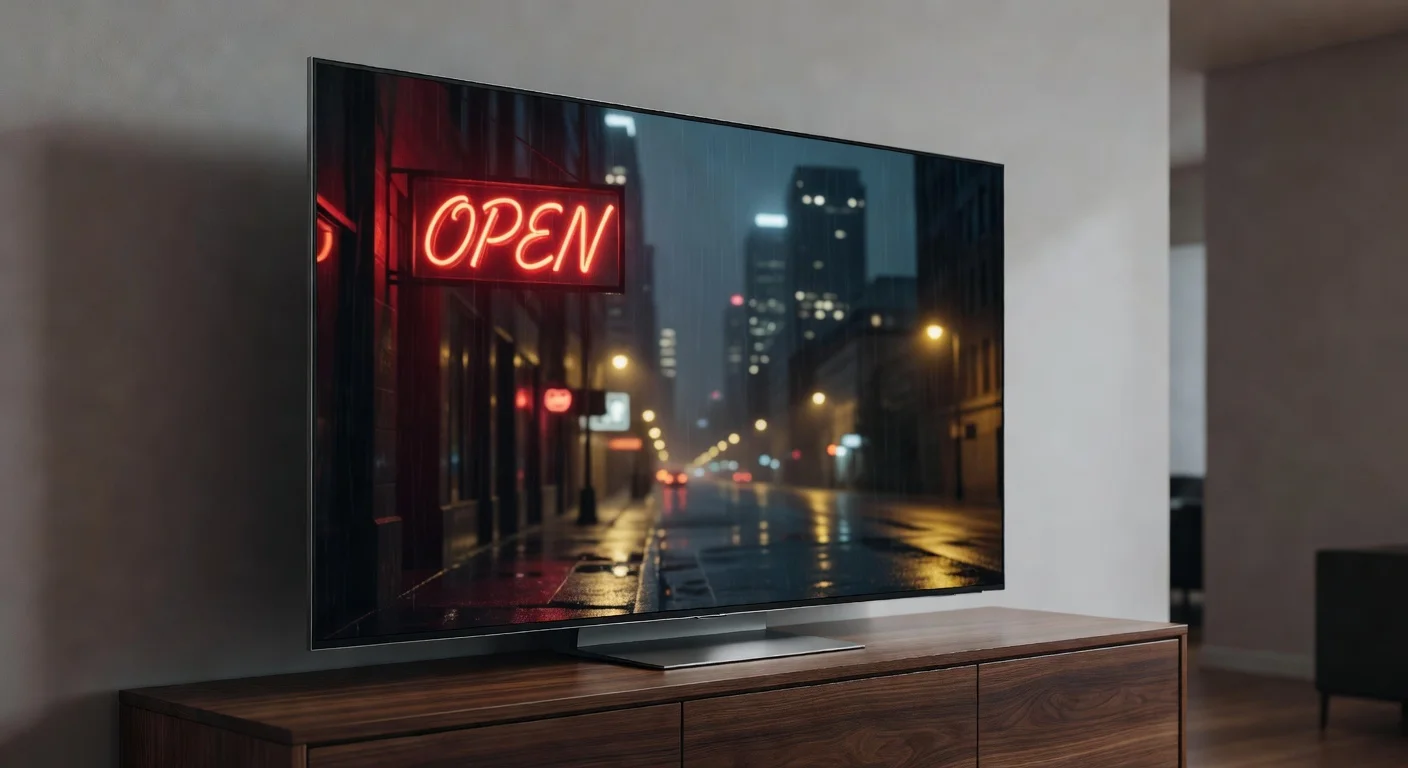
Audio performance is equally impressive, with a 4.2.2-channel setup and 60W output supporting Dolby Atmos. The built-in speakers create an immersive soundstage, though audiophiles might still opt for a dedicated soundbar for deeper bass. From streaming to gaming, the QN90C proves itself as a powerhouse that rarely falters, even under demanding conditions.
Features & Software
The Samsung QN90C runs on the 2026 edition of Tizen OS, offering a polished and responsive smart TV experience. The interface is intuitive, with customizable app layouts and seamless integration of streaming giants like Netflix, Disney+, and Apple TV, all optimized for 4K HDR playback. Standout features include Multi-View, which lets you watch up to four sources simultaneously, and the built-in SmartThings hub for controlling IoT devices directly from the TV.
Voice control is robust, supporting Bixby, Alexa, and Google Assistant, while the Ambient Mode+ transforms the screen into a digital art display or info hub when idle. Cloud gaming via Samsung’s Gaming Hub is a highlight, providing access to services like Xbox Game Pass without a console. While Tizen OS occasionally pushes Samsung’s own apps, the overall software experience is fluid, regularly updated, and packed with features that justify the premium price tag.
Value Proposition
Priced in the premium segment, the Samsung QN90C Neo QLED 4K TV offers significant value for tech-savvy buyers seeking a balance of cutting-edge display tech and smart features. Starting at around $1,500 for the 55-inch model, it undercuts some high-end OLED competitors while delivering comparable brightness and contrast, alongside superior durability against burn-in risks—a common concern with OLED panels.
When factoring in the robust audio system, gaming optimizations, and Samsung’s reputation for long-term software support, the QN90C feels like a worthwhile investment for 2026. It may not be the cheapest 4K TV on the market, but for those prioritizing future-proofing and a premium viewing experience without the OLED price jump, it strikes an excellent balance of cost and capability.
How It Compares
Compared to the LG C3 OLED (2026 edition), the Samsung QN90C holds its own with brighter HDR highlights and better performance in well-lit rooms, thanks to its Mini LED tech. However, the LG C3 edges out in pure black levels and viewing angles, making it a better pick for dark-room cinephiles. Against the Sony X95L Mini LED TV, the QN90C offers a more intuitive OS and slightly lower input lag for gaming, though Sony’s color processing might appeal more to purists. Samsung’s model ultimately stands out for its versatility across different use cases, from gaming to casual streaming.
Pros and Cons
Pros
- Exceptional brightness and contrast with Mini LED and Quantum HDR technology.
- Low input lag and 120Hz refresh rate, ideal for next-gen gaming.
- Robust smart features with Tizen OS and SmartThings integration.
- Sleek, minimalist design with effective anti-glare coating.
- Built-in Dolby Atmos audio delivers immersive sound without external hardware.
Cons
- Black levels, while impressive, don’t match the depth of premium OLED TVs.
- Higher price point compared to mid-range 4K TVs with similar resolutions.
- Tizen OS occasionally prioritizes Samsung apps, which can feel intrusive.
- Limited viewing angles compared to OLED competitors like LG’s lineup.
- Built-in bass lacks the punch of a dedicated soundbar or subwoofer.
FAQ
Q: Does the Samsung QN90C support 8K content?
A: No, the QN90C is a 4K TV with a native resolution of 3840 x 2160. However, its Neural Quantum Processor upscales lower-resolution content to near-4K quality.
Q: Is the QN90C good for gaming?
A: Yes, it’s excellent for gaming with a 120Hz refresh rate (up to 144Hz with VRR), low input lag under 10ms, and HDMI 2.1 ports for PS5 and Xbox Series X.
Q: Does it suffer from screen burn-in?
A: Unlike OLED TVs, the QN90C’s Neo QLED technology is highly resistant to burn-in, making it ideal for static content like news tickers or gaming HUDs.
Q: What is the peak brightness of the QN90C?
A: It reaches up to 2000 nits in HDR mode, making it one of the brightest TVs in its class for 2026, perfect for well-lit environments.
Q: Are there size options for smaller rooms?
A: Yes, the QN90C comes in sizes as small as 43 inches, catering to compact spaces while maintaining premium features.
Verdict
The Samsung QN90C Neo QLED 4K TV is best suited for tech enthusiasts, gamers, and home theater buffs who want a bright, versatile display without the burn-in risks of OLED. It’s an ideal choice for well-lit rooms and mixed usage, from streaming to competitive gaming. If you’re after a future-proof premium TV in 2026, this is a top contender.
Pros
- ✓ Exceptional brightness and contrast with Mini LED and Quantum HDR technology.
- ✓ Low input lag and 120Hz refresh rate, ideal for next-gen gaming.
- ✓ Robust smart features with Tizen OS and SmartThings integration.
- ✓ Sleek, minimalist design with effective anti-glare coating.
- ✓ Built-in Dolby Atmos audio delivers immersive sound without external hardware.
Cons
- ✗ Black levels, while impressive, don’t match the depth of premium OLED TVs.
- ✗ Higher price point compared to mid-range 4K TVs with similar resolutions.
- ✗ Tizen OS occasionally prioritizes Samsung apps, which can feel intrusive.
- ✗ Limited viewing angles compared to OLED competitors like LG’s lineup.
- ✗ Built-in bass lacks the punch of a dedicated soundbar or subwoofer.
Where to Buy the Samsung QN90C Neo QLED 4K TV





Prices may vary. Affiliate links — we may earn a commission at no extra cost to you.
Related Reviews

Affiliate links — we may earn a commission at no extra cost to you.