






The Canon EOS R8 redefines what a budget-friendly full-frame mirrorless camera can achieve by packing flagship autofocus and video features into an incredibly compact body. Whether you are upgrading from an APS-C system or looking for a lightweight hybrid powerhouse, the R8 delivers stunning image quality without breaking the bank. Read our full review to see if this is the ultimate entry-level full-frame camera for your creative workflow.
Table of Contents
Key Specifications
| Feature | Detail |
|---|---|
| Sensor | 24.2MP Full-Frame CMOS |
| Processor | DIGIC X |
| Autofocus | Dual Pixel CMOS AF II with Subject Tracking |
| Continuous Shooting | Up to 40 fps (Electronic), 6 fps (Electronic 1st Curtain) |
| Video | Uncropped 4K up to 60p (oversampled from 6K), 10-bit C-Log3 |
| Viewfinder | 2.36M-dot OLED EVF |
| Display | 3.0-inch 1.62M-dot fully articulating touchscreen |
| Weight | 461g (including battery and card) |
Design & Build Quality
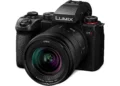
The Canon EOS R8 is a marvel of miniaturization, inheriting the remarkably lightweight chassis of the older EOS RP while injecting it with the modern DNA of Canon’s EOS R6 Mark II. Tipping the scales at a mere 461 grams with its battery and SD card installed, it firmly holds its ground as one of the lightest full-frame mirrorless cameras on the market in 2026. Despite its featherweight footprint, the grip is surprisingly deep and ergonomic, providing excellent purchase even when paired with heavier, professional RF-mount lenses.
Build quality, while engineered from robust polycarbonate resin rather than premium magnesium alloy, feels undeniably sturdy. However, the physical compromises made to achieve this compact form factor are evident to power users. The R8 lacks a multi-controller AF joystick, relying instead on the touchscreen or D-pad for focal point adjustments. Furthermore, it features only a single UHS-II SD card slot which is housed tightly within the battery compartment, making quick card swaps on a tripod slightly cumbersome.
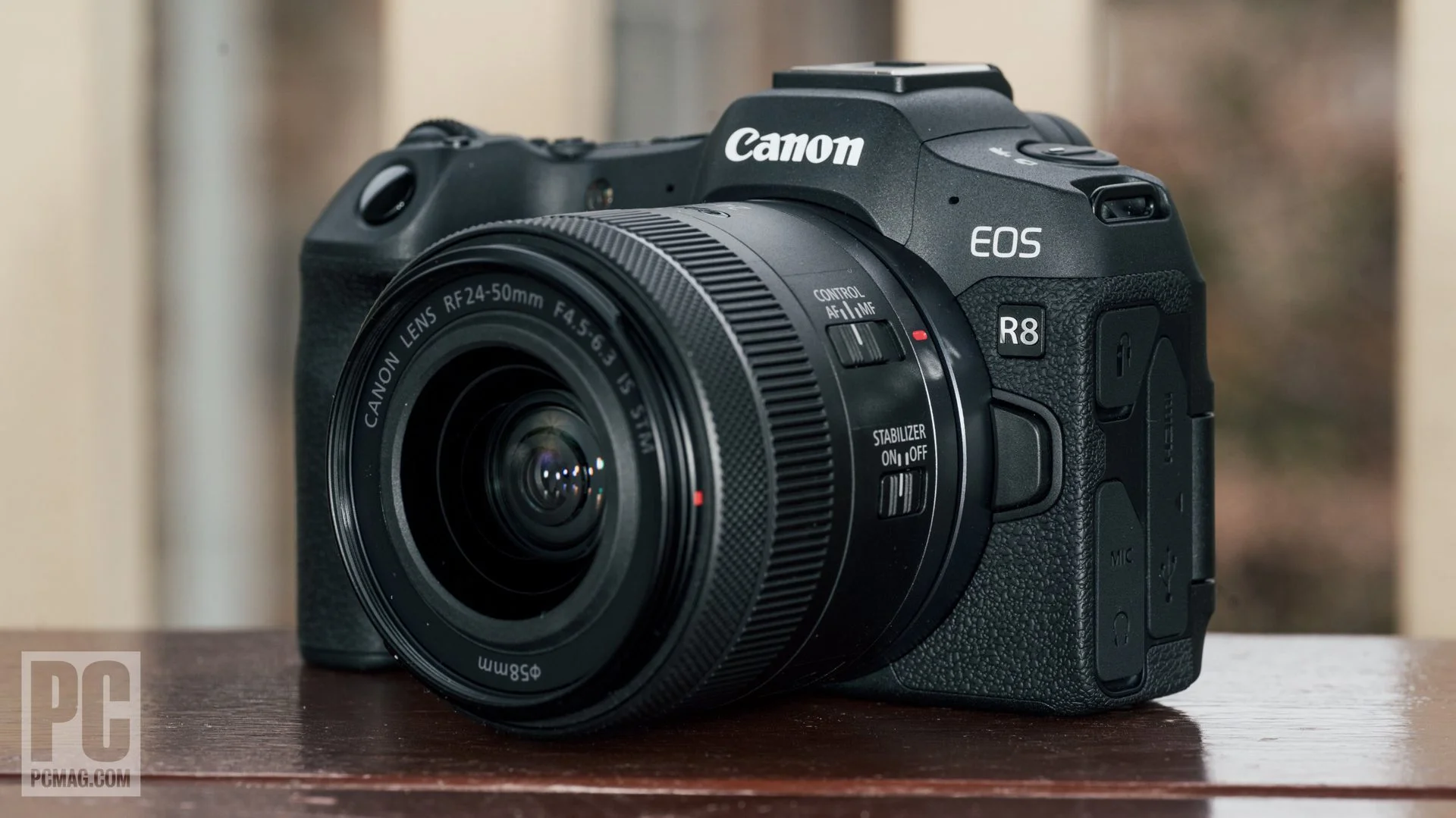
Weather sealing is present but fundamental, offering peace of mind in light drizzle or dusty environments rather than torrential downpours. The 2.36M-dot OLED electronic viewfinder and 3.0-inch fully articulating touchscreen remain bright, functional, and highly responsive, catering brilliantly to vloggers, low-angle shooters, and hybrid content creators who demand flexible monitoring solutions.
Performance
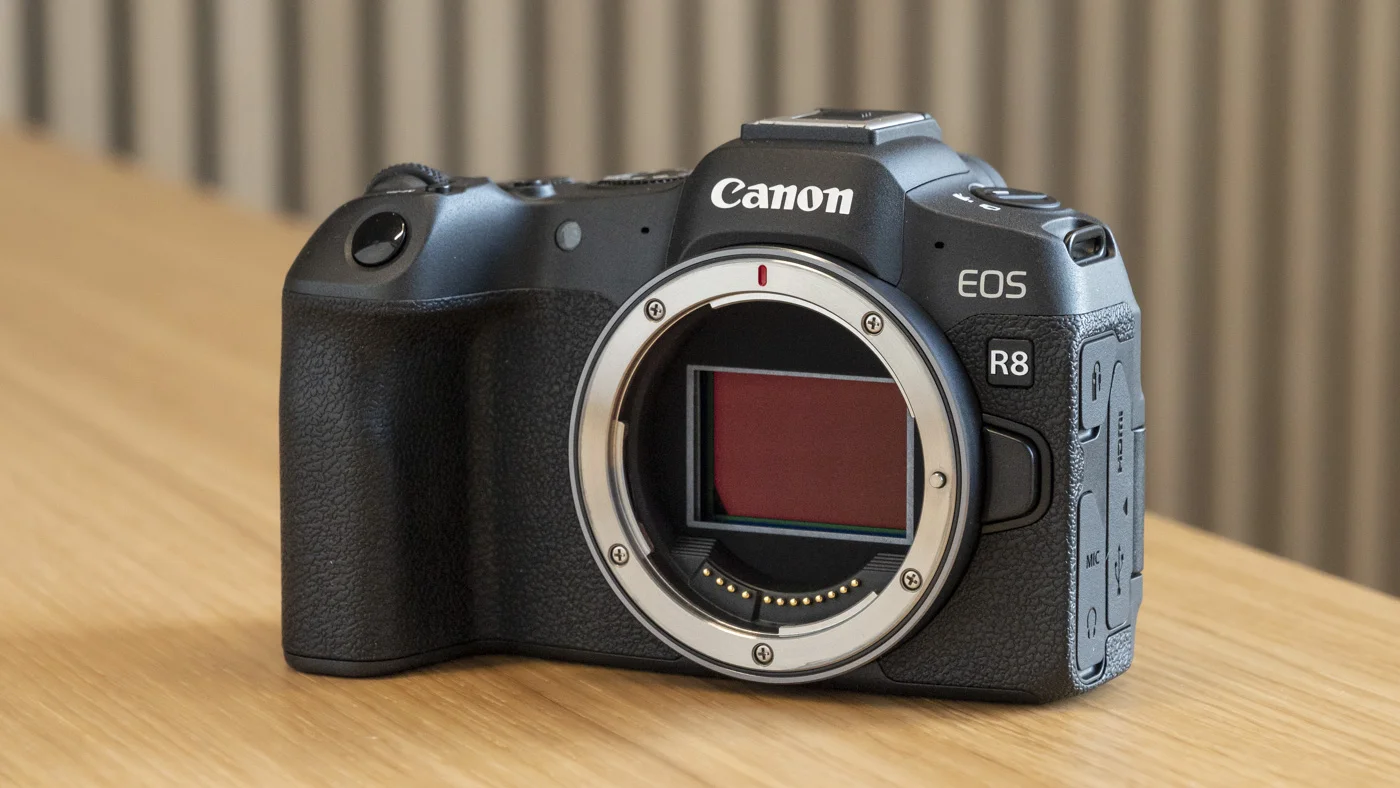
At the heart of the EOS R8 lies the exact same 24.2MP sensor and DIGIC X processor found in the considerably pricier R6 Mark II, meaning image quality and speed are nothing short of spectacular. The camera boasts an electronic shutter capable of a blistering 40 frames per second, complete with full autofocus tracking and auto-exposure. While the electronic first-curtain shutter caps out at a modest 6 fps, the sheer readout speed of the electronic shutter makes it a formidable tool for capturing unpredictable sports or rapid wildlife action with minimal rolling shutter distortion.
Autofocus is where the EOS R8 truly flexes its muscles. Canon’s Dual Pixel CMOS AF II is class-leading, offering sophisticated subject recognition algorithms that tenaciously track human eyes, animals (including dogs, cats, birds, and horses), and high-speed vehicles. In real-world testing, the AF acquisition is instantaneous and highly reliable, maintaining sticky focus even in challenging, low-light environments down to -6.5 EV.
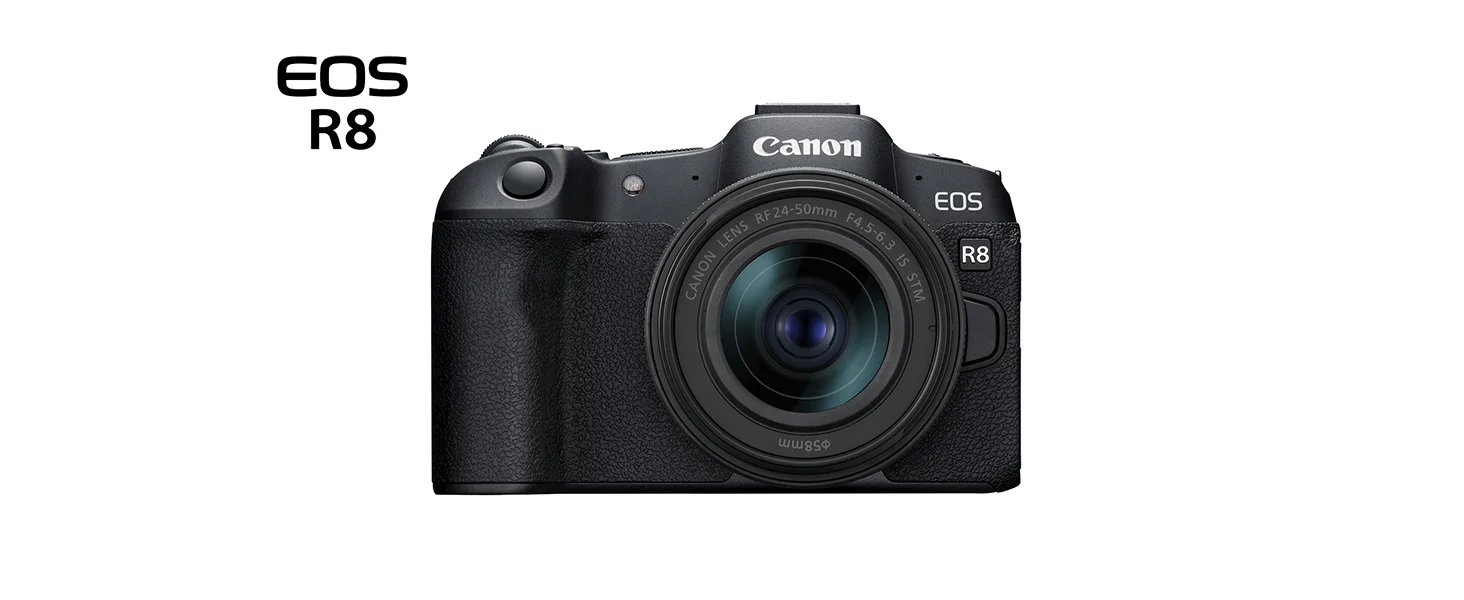
Video performance is equally impressive, offering uncropped 4K video at up to 60p oversampled from the sensor’s 6K readout. This results in razor-sharp footage with excellent dynamic range, especially when utilizing 10-bit 4:2:2 C-Log3 internally. However, the reliance on the diminutive LP-E17 battery significantly bottlenecks extended shoots. Users will routinely find themselves swapping batteries after just 45 minutes of rigorous 4K recording or 200-250 still shots, making spare power an absolute necessity for all-day shoots.
Features & Software
Canon’s menu system remains an industry benchmark for intuitive navigation, and the R8 benefits fully from this polished software experience. The camera includes highly visual, helpful guides for beginners, while offering deep customisation layers for seasoned professionals tweaking their C1/C2 profiles. A standout software feature is the Pre-Shooting buffer in Raw Burst mode, which captures images 0.5 seconds before you fully depress the shutter, ensuring you never miss a critical, fleeting moment.
Connectivity options are robust, catering seamlessly to modern hybrid workflows. The native inclusion of UVC/UAC support allows the EOS R8 to be used as a high-end, plug-and-play webcam for live streaming or video conferencing via USB-C without requiring extra capture cards. Paired with updated Wi-Fi and Bluetooth modules, transferring raw files or 4K clips directly to a smartphone via the Canon Camera Connect app is swift and painless.
Value Proposition
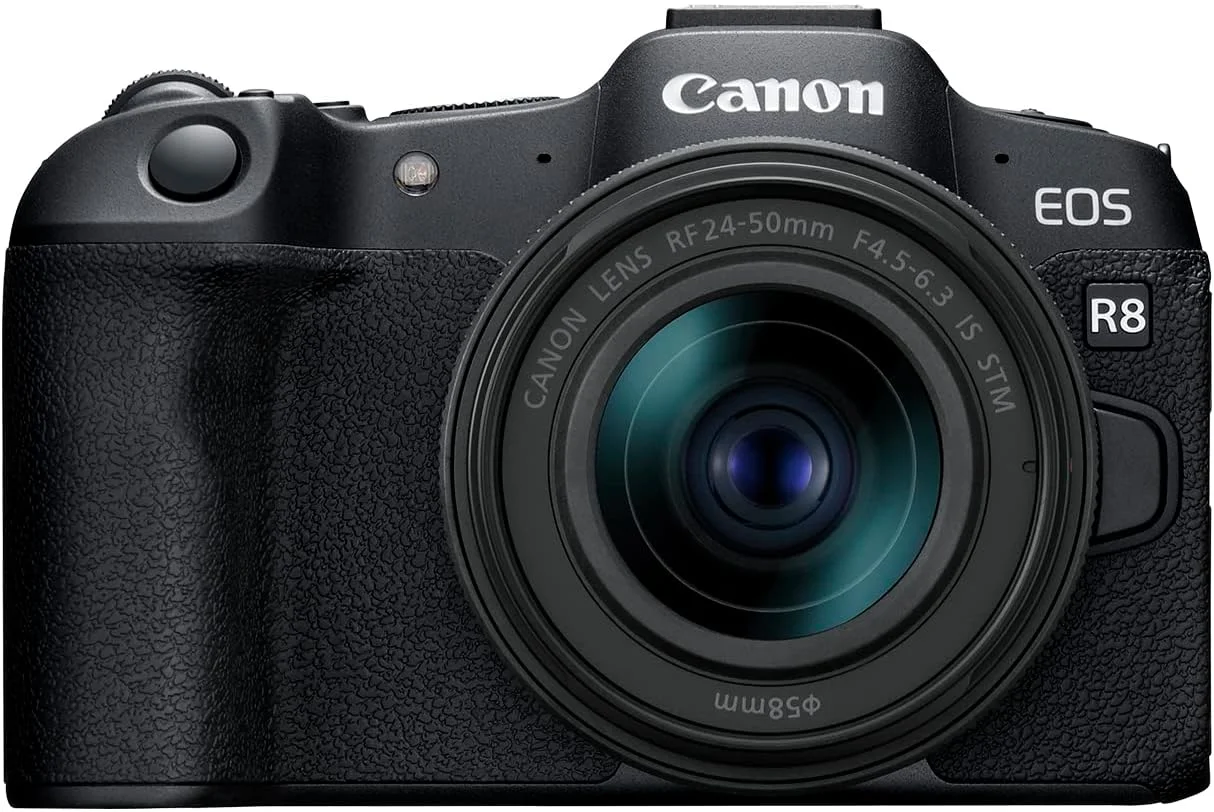
The Canon EOS R8 represents an incredibly aggressive value proposition in the full-frame mirrorless ecosystem. By offering flagship-tier autofocus, uncropped oversampled 4K/60p video, and a highly capable 24.2MP sensor at an entry-level price point, Canon effectively lowers the financial barrier to entry for professional-grade imaging.
While the manufacturer made deliberate concessions—such as the lack of In-Body Image Stabilization (IBIS), a single SD card slot, and a smaller battery capacity—to keep costs down, these trade-offs are carefully calculated. For creators who primarily shoot on gimbals, use optically stabilized RF lenses, or prioritize travel-friendly gear, the R8 delivers unmatched “bang for your buck” compared to bulkier, more expensive alternatives.
How It Compares
When pitted against the Nikon Z5, the EOS R8 blows past it in terms of autofocus capabilities and video specifications. The Z5 suffers from heavily cropped 4K video and older AF technology, though Nikon wins points for including IBIS and dual card slots. Similarly, compared to the Sony a7C, the Canon EOS R8 offers a vastly superior menu system, faster burst shooting, and 10-bit internal video (the older a7C is limited to 8-bit). However, the Sony a7C dominates the R8 in battery life thanks to Sony’s high-capacity Z battery and includes IBIS, making the Sony a slightly better choice for entirely handheld, run-and-gun street photographers.
Pros and Cons
Pros
- Features class-leading Dual Pixel CMOS AF II with advanced, sticky subject tracking.
- Delivers exceptional uncropped 4K/60p video oversampled from a 6K readout.
- Incredibly lightweight and compact body makes it ideal for travel and vlogging.
- Blistering 40 fps continuous shooting capabilities via the electronic shutter.
Cons
- Lacks In-Body Image Stabilization (IBIS), requiring reliance on lens IS or gimbals.
- Poor battery life from the tiny LP-E17 battery necessitates carrying multiple spares.
- Only features a single UHS-II SD card slot located awkwardly in the battery compartment.
- Omits a dedicated AF joystick, which can slow down manual focus point selection.
FAQ
Q: Does the Canon EOS R8 have In-Body Image Stabilization (IBIS)?
A: No, the EOS R8 does not feature IBIS. You will need to rely on Canon lenses with optical image stabilization (IS) or an external gimbal for smooth handheld video.
Q: Can the EOS R8 record indefinitely, or is there a time limit?
A: The R8 removes the traditional 30-minute recording limit, allowing you to record up to 2 hours of continuous video, provided your battery holds up and the camera doesn’t overheat in high ambient temperatures.
Q: Is the Canon EOS R8 weather-sealed?
A: Yes, it features basic dust and moisture resistance, but it is not as heavily weather-sealed as higher-end, professional models like the EOS R5 or R3.
Q: Does the EOS R8 crop in 4K video mode?
A: No, the camera shoots uncropped 4K video at up to 60 frames per second, which is natively oversampled from the sensor’s 6K readout to provide exceptional detail and sharpness.
Verdict
The Canon EOS R8 is the perfect camera for hybrid shooters, travel vloggers, and enthusiasts who want top-tier autofocus and video capabilities in a highly portable, budget-friendly package. If you can overlook the lack of IBIS and subpar battery life, it remains one of the most powerful entry-level full-frame cameras available on the market today. It is highly recommended for anyone looking to step up from APS-C systems without sacrificing advanced, modern performance.
Where to Buy
Pros
- ✓ Features class-leading Dual Pixel CMOS AF II with advanced, sticky subject tracking.
- ✓ Delivers exceptional uncropped 4K/60p video oversampled from a 6K readout.
- ✓ Incredibly lightweight and compact body makes it ideal for travel and vlogging.
- ✓ Blistering 40 fps continuous shooting capabilities via the electronic shutter.
Cons
- ✗ Lacks In-Body Image Stabilization (IBIS), requiring reliance on lens IS or gimbals.
- ✗ Poor battery life from the tiny LP-E17 battery necessitates carrying multiple spares.
- ✗ Only features a single UHS-II SD card slot located awkwardly in the battery compartment.
- ✗ Omits a dedicated AF joystick, which can slow down manual focus point selection.
Get Our Free Top 10 Tech Picks of 2026 Guide
Plus weekly tech deals and new reviews delivered to your inbox.
[cp_email_signup]
No spam. Unsubscribe anytime.
Ready to buy the Canon EOS R8?
Affiliate link — we may earn a commission at no extra cost to you.