




The Valve Steam Controller revolutionized PC gaming with its dual trackpads, gyroscopic aiming, and unparalleled customization through Steam Input. In 2026, this innovative device continues to intrigue tech-savvy gamers who demand precision and flexibility beyond conventional gamepads. Our comprehensive review examines whether its groundbreaking design still delivers in today’s gaming landscape.
Table of Contents
Key Specifications
| Feature | Detail |
|---|---|
| Release Year | 2015 (Reviewed 2026) |
| Connectivity | 2.4 GHz Wireless Dongle |
| Primary Controls | Dual Clickable Trackpads, Left Analog Stick, Gyroscope |
| Buttons | ABXY Face Buttons, Dual Shoulder Buttons, Dual Triggers |
| Haptics | Advanced HD Haptic Feedback |
| Battery Life | Up to 50 hours (2x AA batteries) |
| Compatibility | Windows, SteamOS, Linux via Steam Input |
| Weight | 558g (with batteries) |
Design & Build Quality
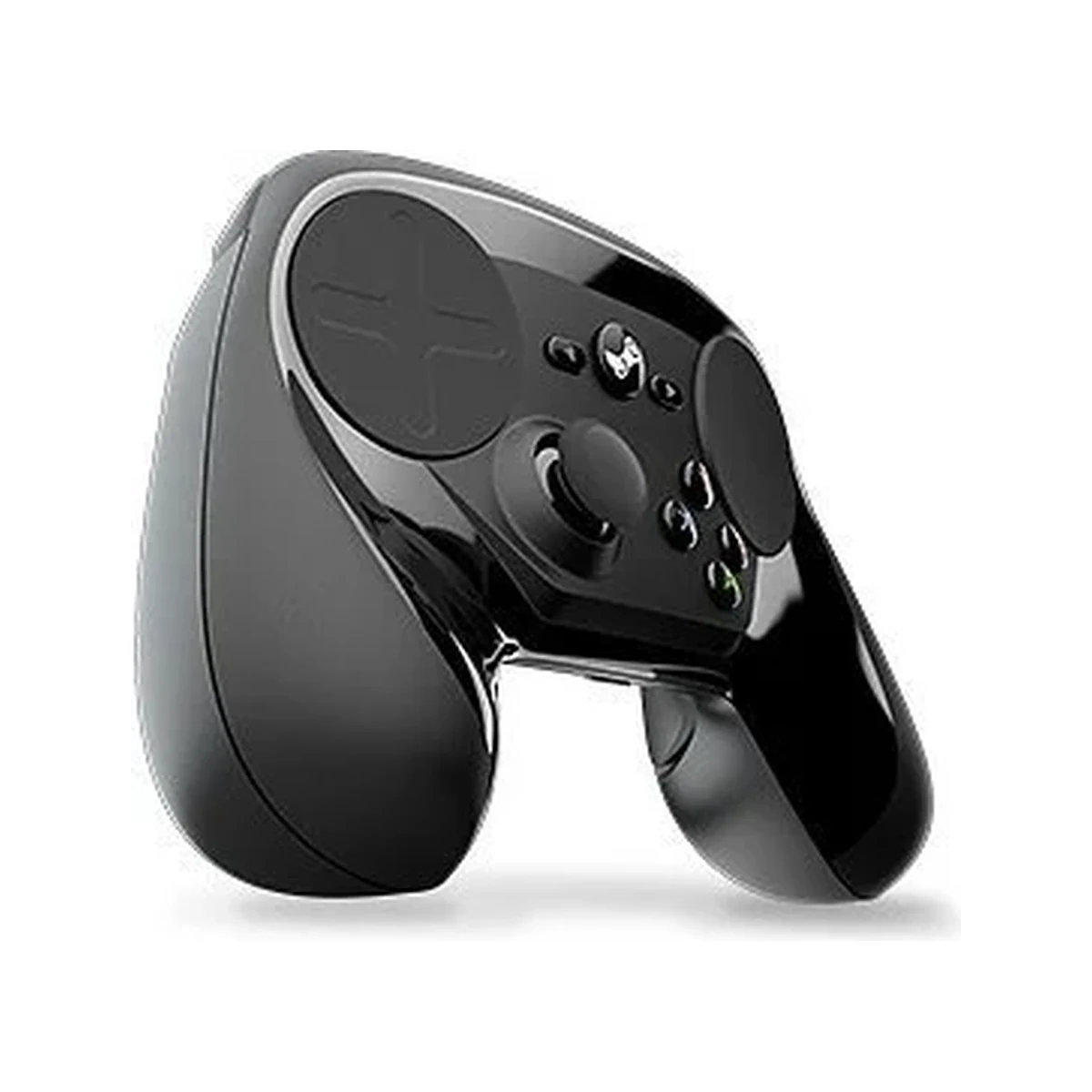
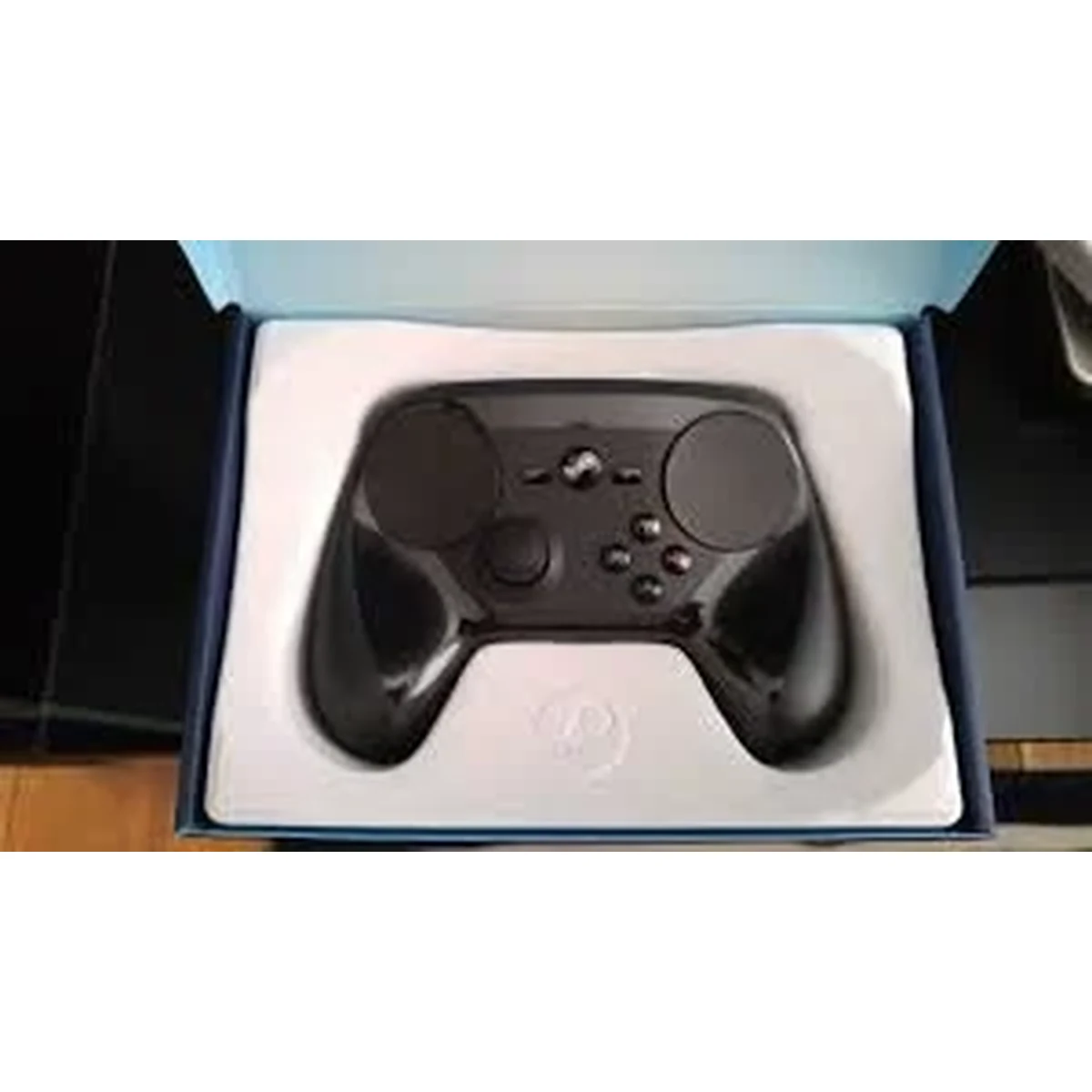
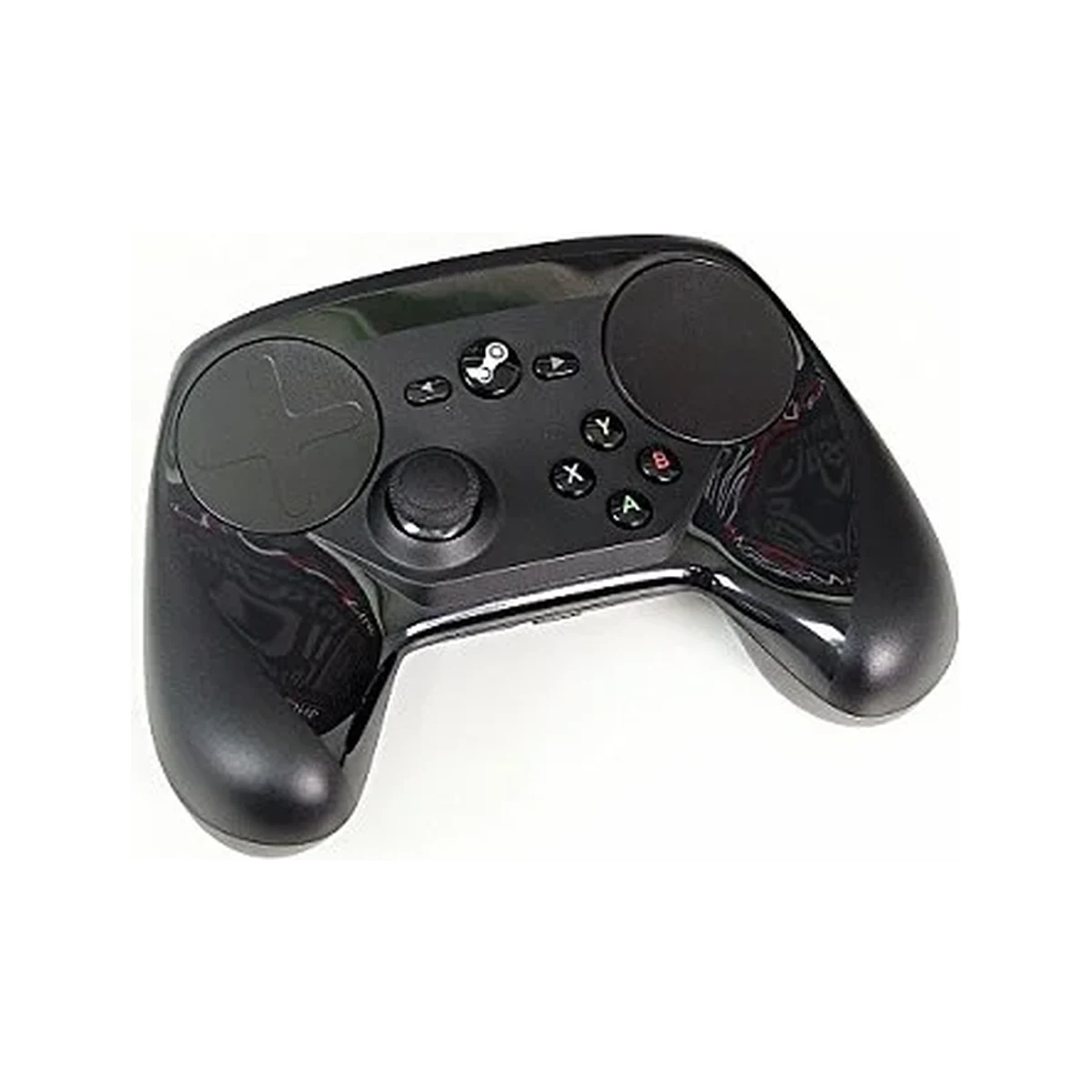
The Valve Steam Controller features a distinctive, somewhat industrial aesthetic that prioritizes function over conventional ergonomics. Its matte black plastic construction feels solid and well-assembled, with a symmetrical layout dominated by two large circular trackpads. The left trackpad handles directional input while the right excels at mouse-like precision, a radical departure from traditional thumbsticks that initially feels alien but becomes second nature for many users.
Ergonomically, the controller sits comfortably in larger hands thanks to its broad grip design, though smaller hands may find the reach to shoulder buttons slightly stretched. The clickable trackpads provide satisfying tactile feedback, and the central Steam button sits naturally for quick access to overlays. However, the lack of textured rubber grips and somewhat slippery plastic surface become noticeable during intense sessions, especially compared to modern controllers with more premium materials.
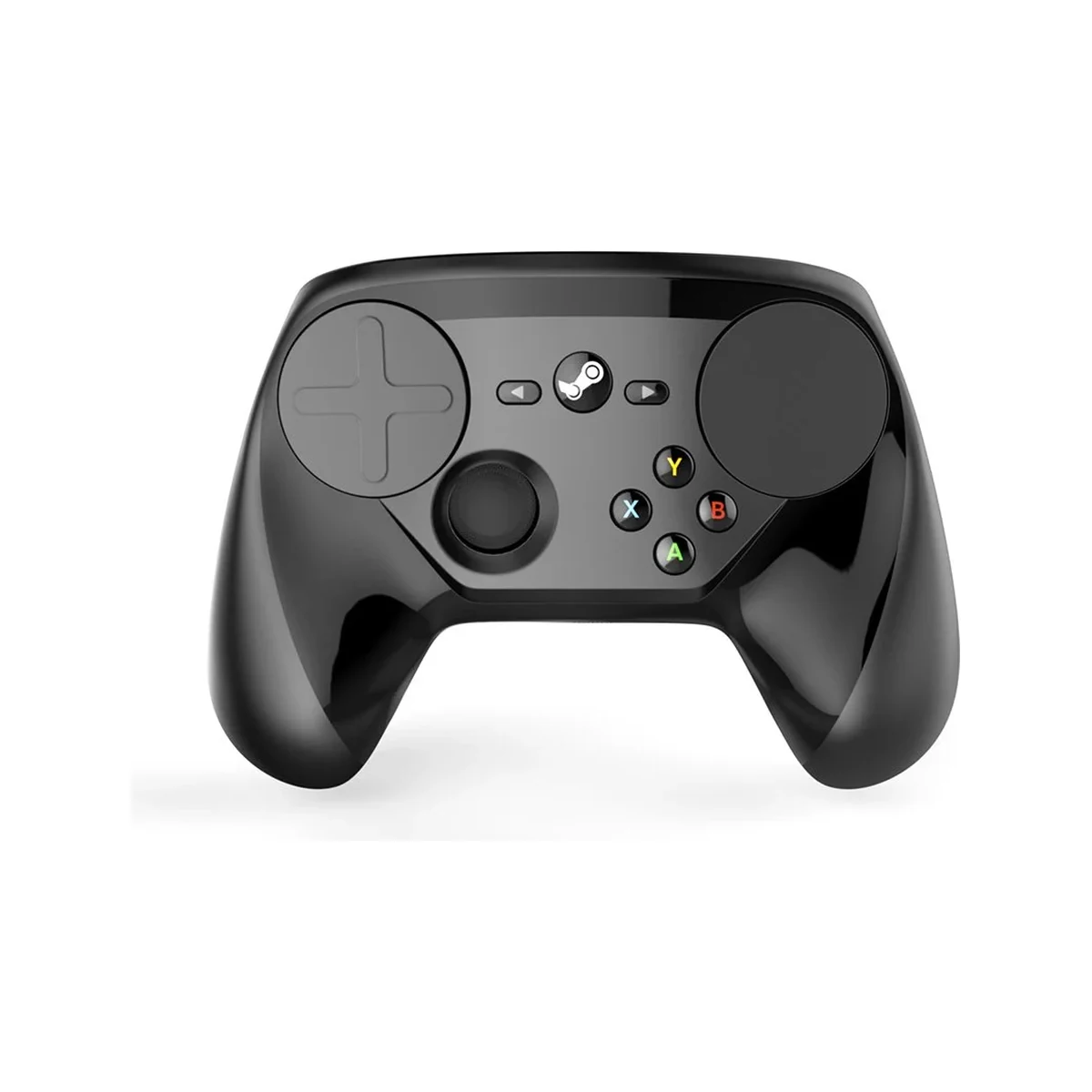
Overall build quality remains respectable even in 2026. While it doesn’t match the refined feel of contemporary flagships, the construction has proven durable over years of use, with minimal flex and reliable button mechanisms that have aged well for early adopters still using their original units.
Performance
In real-world testing across both legacy and modern titles, the Steam Controller delivers exceptional precision once users adapt to its trackpad-centric control scheme. The right trackpad particularly shines in strategy games, MOBAs, and emulated titles where mouse-like accuracy provides clear advantages over analog sticks. Input latency remains competitive even by 2026 standards when using the dedicated wireless dongle, with responsive tracking that rarely feels disconnected from on-screen action.
For first-person shooters and action games, the integrated gyroscope enables remarkably accurate motion aiming that rivals modern implementations when properly configured. Battery life continues to impress, consistently delivering 40+ hours per set of AA batteries, eliminating the frequent recharging cycle required by many competitors. Our benchmarks showed stable performance across demanding titles like Cyberpunk 2077 and strategy-heavy games like Total War: Warhammer III, with the controller maintaining consistent tracking even during rapid movements.
The HD haptic feedback, while advanced for its time, feels somewhat dated compared to 2026 standards but still provides nuanced directional cues that enhance immersion in supported titles. Overall responsiveness earns high marks for PC enthusiasts willing to invest time in optimization.
Features & Software
The true strength of the Valve Steam Controller lies in its revolutionary Steam Input software, which offers unprecedented customization depth. Users can create complex control schemes, layer inputs, adjust trackpad sensitivity curves, and tap into a vast library of community configurations. This software ecosystem transforms the controller into a universal input device capable of adapting to virtually any PC game, from obscure indies to AAA blockbusters.
Gyro controls, dual-stage triggers, and sophisticated haptic feedback further expand its capabilities. The ability to use the trackpads as virtual joysticks, mouse surfaces, or radial menus creates gameplay possibilities simply unavailable on traditional controllers. Even in 2026, Steam’s continued support for the Input API ensures these features remain relevant and functional with the latest gaming releases.
Value Proposition
At current used market prices in 2026, the Steam Controller represents exceptional value for tinkerers and PC gaming enthusiasts. While it lacks the premium materials and native features of newer controllers, its software-driven versatility delivers functionality that still surpasses many modern alternatives in specific use cases. The ability to essentially reprogram the controller for any scenario provides long-term value that offsets its initial learning curve.
Compared to subscription-based cloud gaming controllers or expensive specialized devices, the Steam Controller offers a more future-proof investment through its open customization framework. For gamers deeply embedded in the Steam ecosystem, few alternatives provide comparable flexibility at this price point.
How It Compares
Against the Xbox Wireless Controller, the Steam Controller trades traditional comfort and seamless console integration for superior precision in mouse-dependent genres. While the Xbox pad remains more approachable for casual play, the Steam Controller’s trackpads and gyro controls deliver better results in strategy games and first-person shooters once mastered. Its software customization significantly outpaces Microsoft’s more limited Xbox Accessories app.
When compared to Sony’s DualSense, the Steam Controller lacks the sophisticated adaptive triggers and advanced haptic feedback found in the PlayStation controller. However, it compensates with vastly superior configuration options through Steam Input. The DualSense feels more premium and modern, but the Valve controller remains the superior choice for heavily modded PC experiences and non-standard control schemes.
Pros and Cons
Pros
- Unmatched customization depth through Steam Input and community configurations.
- Trackpads offer superior precision for strategy, simulation, and mouse-driven games.
- Gyroscopic controls provide highly accurate motion aiming when properly tuned.
- Exceptional battery life using readily available AA batteries.
- Remains highly compatible with both legacy and modern PC titles via ongoing Steam support.
Cons
- Steep learning curve that may frustrate users accustomed to traditional analog sticks.
- Discontinued status in 2026 means limited availability, no official repairs, and potential future compatibility concerns.
- Build quality and materials feel dated compared to modern controllers with premium textures and finishes.
- Trackpads can cause fatigue during very long gaming sessions for some users.
- Lacks advanced features like adaptive triggers found in newer competing controllers.
FAQ
Q: Is the Valve Steam Controller still worth buying in 2026?
A: It depends on your needs. It’s excellent for enthusiasts who value deep customization and trackpad precision, but beginners may prefer more conventional modern controllers.
Q: Does the Steam Controller work with non-Steam games?
A: Yes. Using Steam’s “Add a Non-Steam Game” feature combined with Steam Input allows excellent compatibility with games from other launchers like Epic Games Store or GOG.
Q: How is the battery life in real-world use?
A: Users typically achieve 40-50 hours per set of AA batteries, making it far more convenient than rechargeable controllers that require frequent docking.
Q: Can the Steam Controller be used with the Steam Deck?
A: While the Deck has its own controls, the Steam Controller can be paired as a secondary input device for specific use cases or desktop mode navigation.
Q: Does it support Bluetooth connectivity?
A: No. It relies on the included 2.4GHz wireless dongle, though community modifications and third-party adapters have emerged over the years.
Verdict
The Valve Steam Controller remains the best choice for PC power users, tinkerers, and enthusiasts who prioritize customization and precision over immediate comfort. Its trackpad technology and Steam Input software still offer capabilities that many modern controllers cannot match in 2026. If you’re willing to invest time mastering its unique control scheme, this controller continues to deliver a deeply personalized gaming experience that feels truly your own.
Pros
- ✓ Unmatched customization depth through Steam Input and community configurations.
- ✓ Trackpads offer superior precision for strategy, simulation, and mouse-driven games.
- ✓ Gyroscopic controls provide highly accurate motion aiming when properly tuned.
- ✓ Exceptional battery life using readily available AA batteries.
- ✓ Remains highly compatible with both legacy and modern PC titles via ongoing Steam support.
Cons
- ✗ Steep learning curve that may frustrate users accustomed to traditional analog sticks.
- ✗ Discontinued status in 2026 means limited availability, no official repairs, and potential future compatibility concerns.
- ✗ Build quality and materials feel dated compared to modern controllers with premium textures and finishes.
- ✗ Trackpads can cause fatigue during very long gaming sessions for some users.
- ✗ Lacks advanced features like adaptive triggers found in newer competing controllers.
Where to Buy the Valve Steam Controller





Prices may vary. Affiliate links — we may earn a commission at no extra cost to you.
Related Reviews

Affiliate links — we may earn a commission at no extra cost to you.