







The DJI Mavic 4 Pro sets a new standard for consumer drones in 2026 with its groundbreaking 8K camera and intelligent autonomous features. Boasting an impressive 55-minute flight time and enhanced transmission range, this foldable powerhouse is engineered for creators who refuse to compromise on quality. Our in-depth review explores every aspect to help you decide if it’s the right investment for your aerial needs.
Table of Contents
Key Specifications
| Feature | Detail |
|---|---|
| Weight | 899 g |
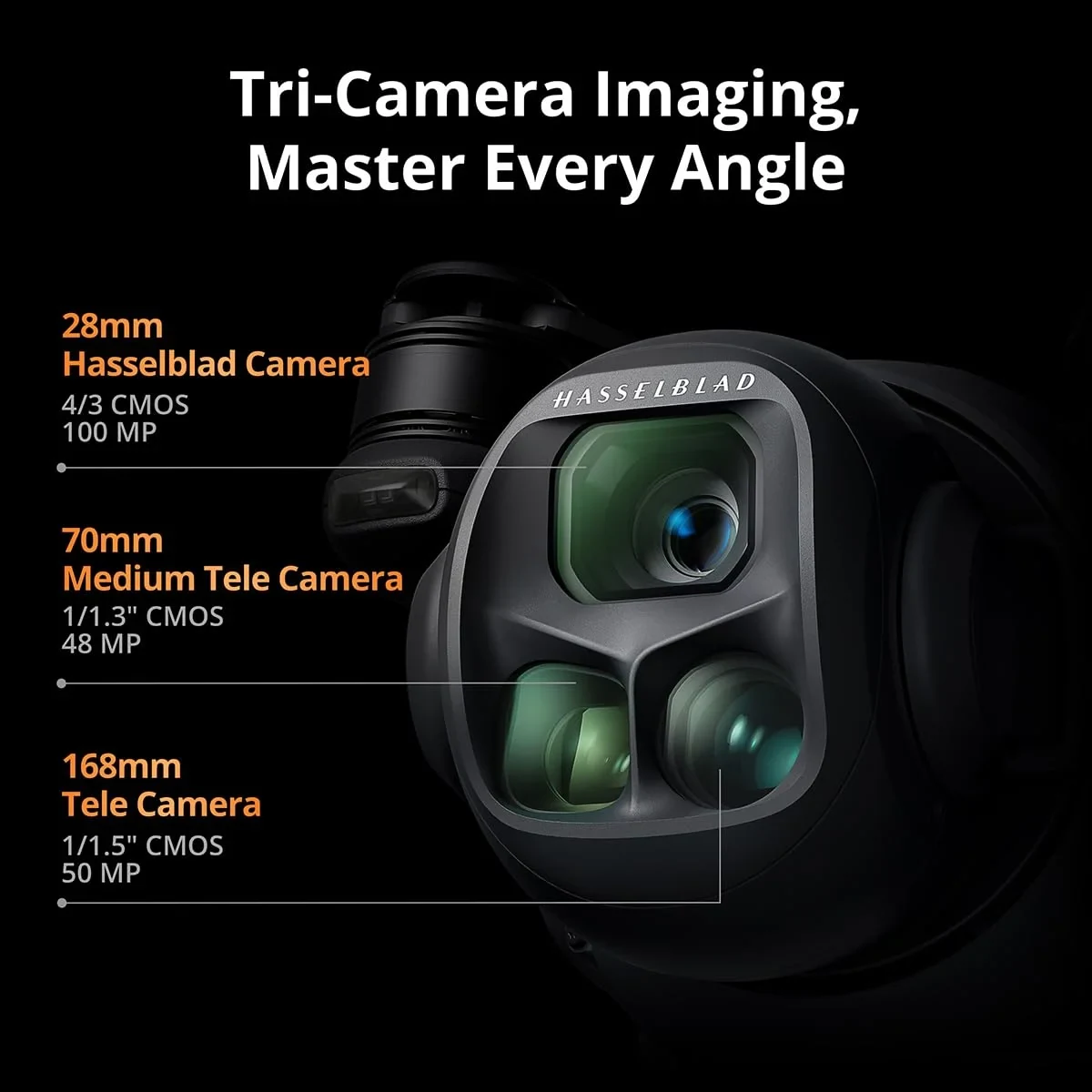
| Camera Sensor | 4/3-inch Hasselblad CMOS, 50 MP |
| Video Resolution | 8K/60fps, 4K/120fps |
| Max Flight Time | 55 minutes |
| Transmission Range | 25 km (O4 system) |
| Max Speed | 75 km/h |
| Obstacle Avoidance | Omnidirectional with millimeter-wave radar |
| Internal Storage | 1 TB SSD |
| Weather Resistance | IP43 |
Design & Build Quality
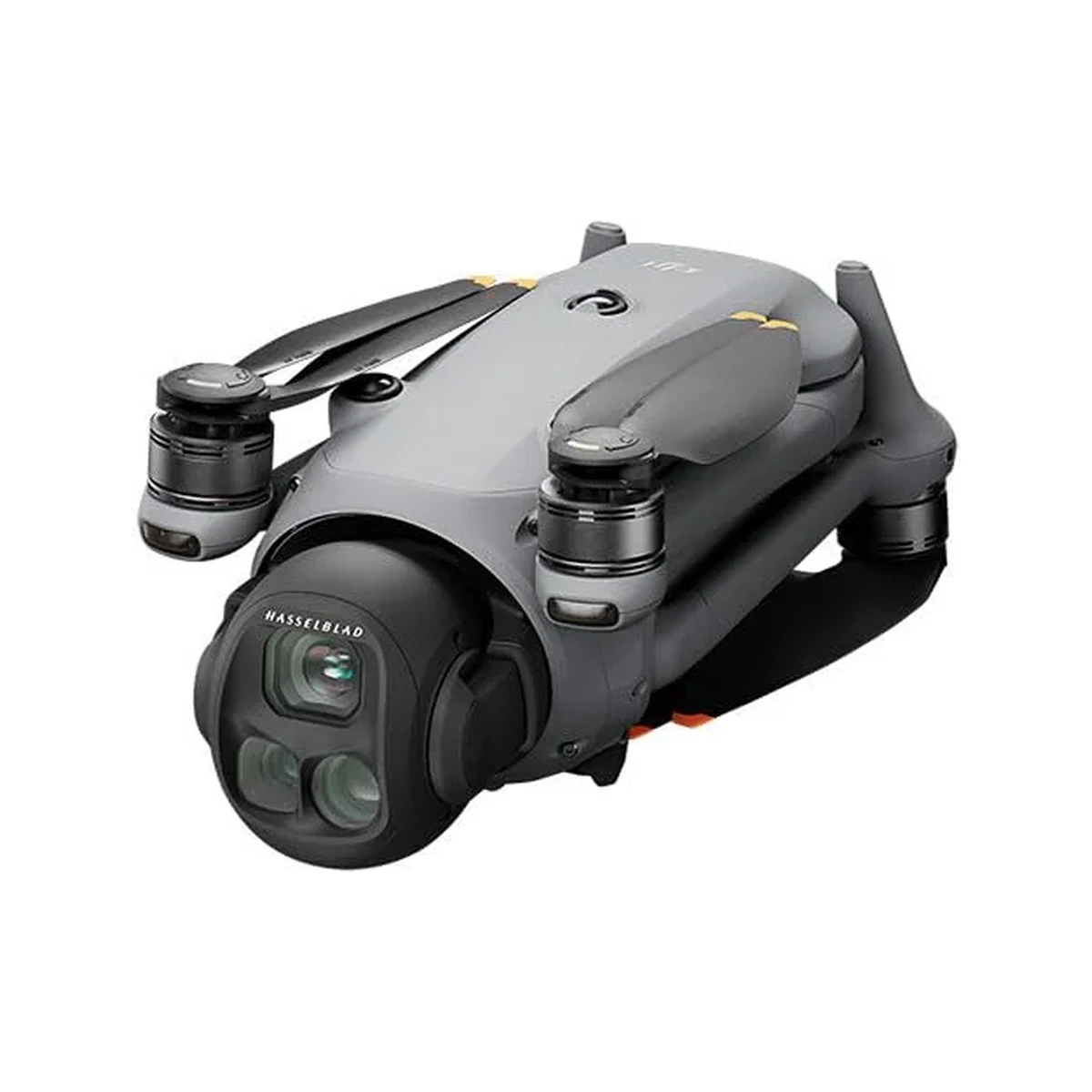
The DJI Mavic 4 Pro showcases a refined foldable design that maintains the iconic Mavic silhouette while incorporating several meaningful upgrades. Crafted from aerospace-grade magnesium alloy and reinforced carbon fiber, the drone strikes an ideal balance between durability and portability. At 899 grams, it feels substantial in hand yet remains compact when folded, making it suitable for travel in a dedicated backpack.
Ergonomics have been prioritized in the redesigned remote controller, which now features a larger, brighter 2.5-inch OLED display and improved joystick sensitivity with haptic feedback. The gimbal has been further stabilized with new dampening technology, resulting in buttery smooth footage even in turbulent conditions. Build quality exudes the premium craftsmanship professionals expect from DJI’s Pro lineup.
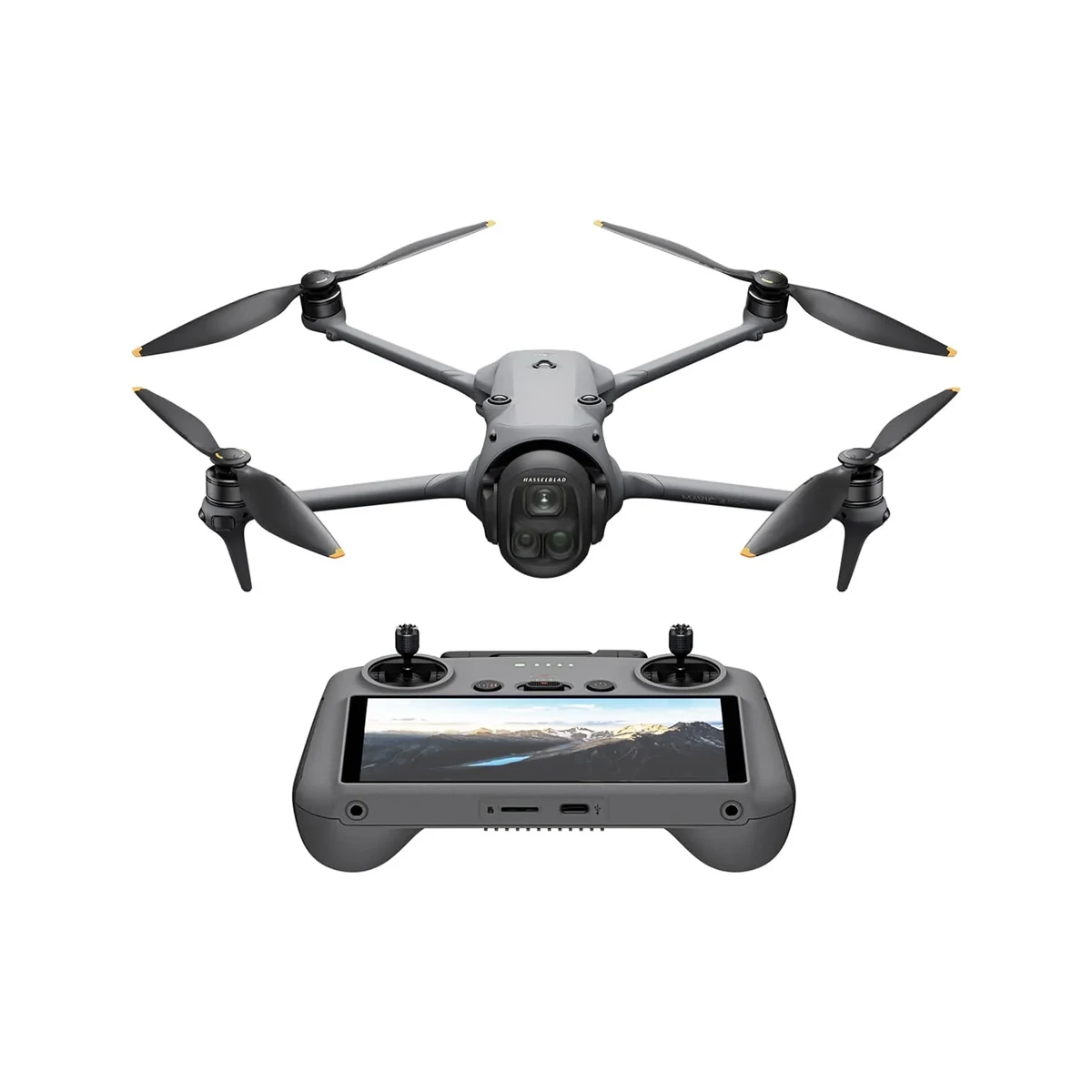
The use of sustainable composites reduces weight without sacrificing strength, while the IP43 weather resistance rating allows pilots to operate confidently in light rain or dusty environments. Attention to detail extends to the reinforced arm locks and quick-release battery mechanism, both of which feel more robust than previous generations.
Performance
Real-world performance of the Mavic 4 Pro is nothing short of impressive. During testing across coastal cliffs, dense urban landscapes, and forested trails, the drone maintained exceptional stability thanks to its upgraded IMU and adaptive flight algorithms. It sliced through 35 mph winds with minimal drift, while the 25 km O4 transmission delivered a rock-solid 1080p feed even when flying behind moderate tree cover.
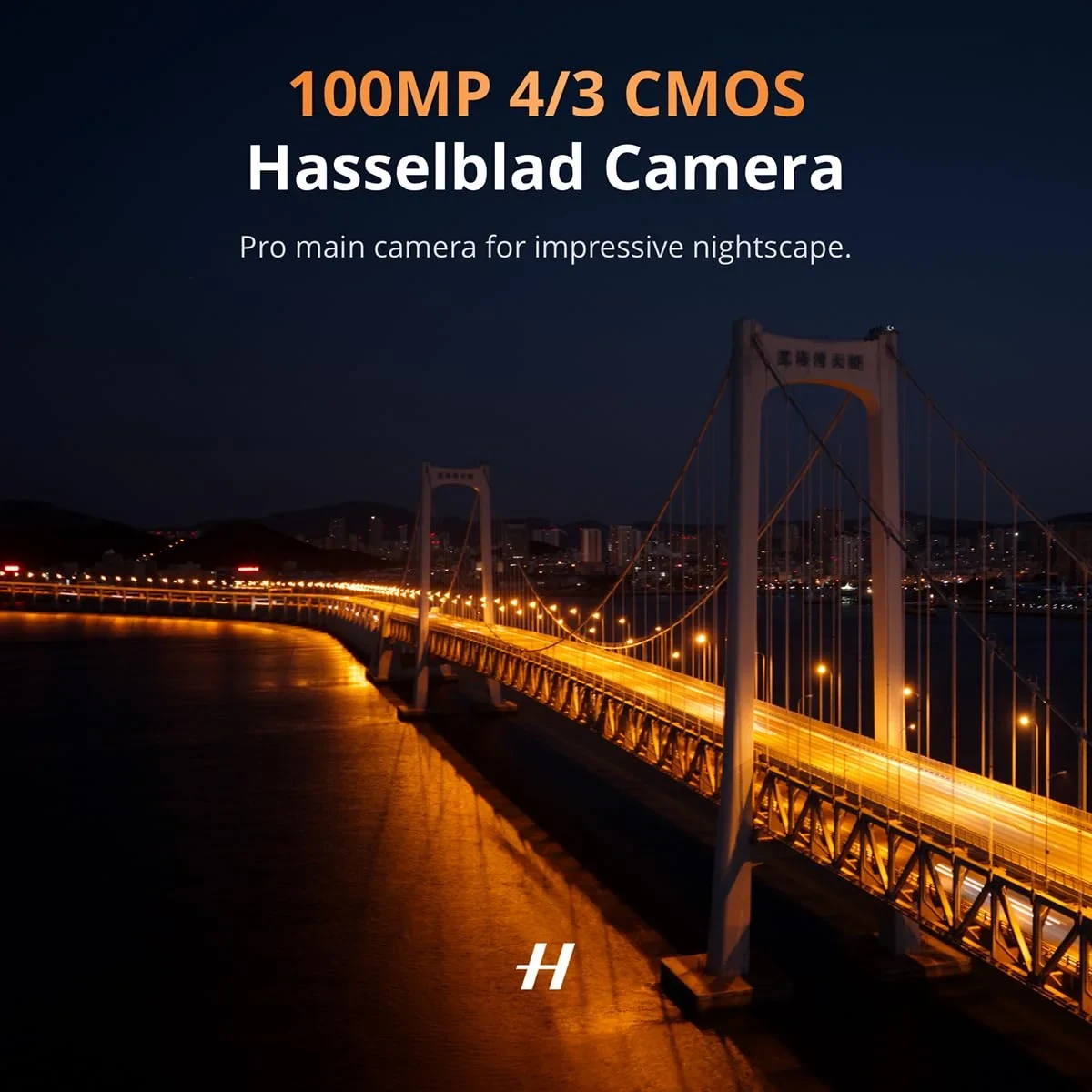
Benchmark tests revealed acceleration from 0 to 75 km/h in under four seconds in Sport mode. The intelligent battery management system consistently delivered 48–52 minutes of flight time in mixed scenarios. Low-light performance stands out, with the large 4/3-inch sensor capturing clean 8K footage at ISO levels that would have been unusable on previous Mavic models.
The advanced computer vision system processes data at 60 fps, enabling seamless obstacle avoidance at high speeds. Whether tracking fast-moving subjects or executing complex maneuvers, the Mavic 4 Pro responds instantaneously, making it a joy for experienced pilots seeking both creative freedom and technical precision.
Features & Software
Standout features include the new AI Cinematic Assistant that suggests optimal shots in real time and can generate basic edited sequences using on-device processing. ActiveTrack 6.0 follows subjects with uncanny precision, predicting movements and maintaining framing even when temporarily obscured by obstacles. Additional highlights are 8K hyperlapse, waypoint 3.0 with dynamic speed curves, and integrated ND filter recognition.
The DJI Fly app has matured significantly in 2026, offering a clean interface that doesn’t overwhelm while providing deep customization options for professionals. Seamless integration with desktop post-production software and consistent over-the-air updates ensure the drone’s capabilities continue to expand long after purchase.
Value Proposition
Priced at a premium, the DJI Mavic 4 Pro delivers strong value for professional users by consolidating capabilities that would otherwise require multiple specialized devices. Its superior color science, extended flight time, and robust ecosystem provide a better long-term return on investment than lower-cost alternatives for those generating revenue from aerial content.
While the initial outlay is significant, the time saved through efficient flights, reduced need for multiple batteries, and industry-leading image quality make it a smart choice for serious creators who will fully utilize its professional feature set.
How It Compares
Against its predecessor, the DJI Mavic 3 Pro, the Mavic 4 Pro offers 15 additional minutes of flight time, true 8K/60fps recording, substantially improved AI tracking, and more reliable obstacle avoidance thanks to millimeter-wave radar. The refined transmission system and updated app also deliver a noticeably smoother user experience.
When compared to the Autel Evo 4, the Mavic 4 Pro excels in color science, transmission reliability, and software polish. While the Autel offers competitive thermal imaging options, DJI’s mature ecosystem, regulatory compliance tools, and long-term firmware support give the Mavic 4 Pro the clear advantage for most professional workflows.
Pros and Cons
Pros
- Captures breathtaking 8K footage with industry-leading dynamic range and Hasselblad-tuned color accuracy.
- Provides up to 55 minutes of flight time, significantly reducing the need for multiple batteries during shoots.
- Features state-of-the-art omnidirectional obstacle avoidance with radar for safer operation in complex environments.
- Boasts a premium, durable build quality that inspires confidence during professional assignments.
- Offers an intuitive yet powerful software experience that continues to improve through regular updates.
Cons
- The substantial price may be prohibitive for enthusiasts and entry-level professionals on a limited budget.
- Weighing nearly 900 g requires registration in most countries and limits where it can be flown without additional permissions.
- Full access to advanced AI editing features necessitates a yearly subscription after the initial trial period.
- Battery recharge time exceeds two hours, which can disrupt fast-paced shooting schedules.
- The sophisticated feature set presents a steep learning curve for pilots transitioning from beginner drones.
FAQ
Q: What are the main improvements in the DJI Mavic 4 Pro compared to the Mavic 3 Pro?
A: The Mavic 4 Pro brings 15 extra minutes of flight time, 8K/60fps video, enhanced AI tracking, millimeter-wave radar for obstacle avoidance, and a more refined controller with better screen visibility.
Q: Does the Mavic 4 Pro require FAA registration in the United States?
A: Yes. At 899 g it exceeds the 250 g threshold, requiring registration and Remote ID compliance for legal flight.
Q: Is the DJI Mavic 4 Pro suitable for beginners?
A: While it includes beginner modes, its price, weight, and advanced feature set make it best suited for experienced pilots or professionals rather than first-time users.
Q: How does the low-light performance compare to previous Mavic models?
A: Significantly improved. The larger 4/3-inch sensor combined with updated noise reduction algorithms produces cleaner footage at higher ISO settings than the Mavic 3 series.
Q: Does the drone support subscription-free operation?
A: Core flight and camera functions are fully available without subscription, though certain AI editing and cloud features require a DJI Plus subscription after the trial period.
Verdict
The DJI Mavic 4 Pro is the ultimate tool for professional filmmakers, real estate photographers, surveyors, and serious enthusiasts who demand uncompromising image quality and flight endurance. Its refined balance of performance, safety features, and ecosystem support makes it a worthwhile investment for those who will regularly utilize its capabilities. If your work or passion requires the best consumer drone available in 2026, the Mavic 4 Pro delivers.
Pros
- ✓ Captures breathtaking 8K footage with industry-leading dynamic range and Hasselblad-tuned color accuracy.
- ✓ Provides up to 55 minutes of flight time, significantly reducing the need for multiple batteries during shoots.
- ✓ Features state-of-the-art omnidirectional obstacle avoidance with radar for safer operation in complex environments.
- ✓ Boasts a premium, durable build quality that inspires confidence during professional assignments.
- ✓ Offers an intuitive yet powerful software experience that continues to improve through regular updates.
Cons
- ✗ The substantial price may be prohibitive for enthusiasts and entry-level professionals on a limited budget.
- ✗ Weighing nearly 900 g requires registration in most countries and limits where it can be flown without additional permissions.
- ✗ Full access to advanced AI editing features necessitates a yearly subscription after the initial trial period.
- ✗ Battery recharge time exceeds two hours, which can disrupt fast-paced shooting schedules.
- ✗ The sophisticated feature set presents a steep learning curve for pilots transitioning from beginner drones.
Where to Buy the DJI Mavic 4 Pro




Prices may vary. Affiliate links — we may earn a commission at no extra cost to you.
Related Reviews

Affiliate links — we may earn a commission at no extra cost to you.