









The Sony a6700 stands as one of the most capable APS-C mirrorless cameras available in 2026, combining a 26MP sensor, class-leading AI autofocus, and professional video tools in a compact body. Whether capturing fast wildlife, documenting travel, or shooting hybrid content, it delivers flagship performance without the bulk of full-frame systems. This review examines its real-world capabilities, build quality, and whether it remains a smart buy years after launch.
Table of Contents
Key Specifications
| Feature | Detail |
|---|---|
| Sensor | 26MP APS-C Exmor R CMOS |
| Processor | BIONZ XR with AI processing unit |
| Autofocus | 759 phase-detection points with subject recognition (human, animal, bird, insect, vehicle, airplane) |
| Burst Shooting | 11 fps mechanical, 11 fps electronic with AF/AE tracking |
| Video | 4K60p 10-bit 4:2:2, S-Log3, S-Cinetone, HLG |
| Stabilization | 5-axis IBIS up to 5 stops |
| Viewfinder | 2.36 million-dot OLED EVF, 120fps refresh |
| Rear Screen | 3.0″ 1.03M-dot fully articulating touchscreen |
| Battery Life | Approx. 570 stills / 130 min video (CIPA) |
| Weight | 493g body only |
| Other | Weather-sealed magnesium alloy body, UHS-II SD slot, USB-C streaming |
Design & Build Quality
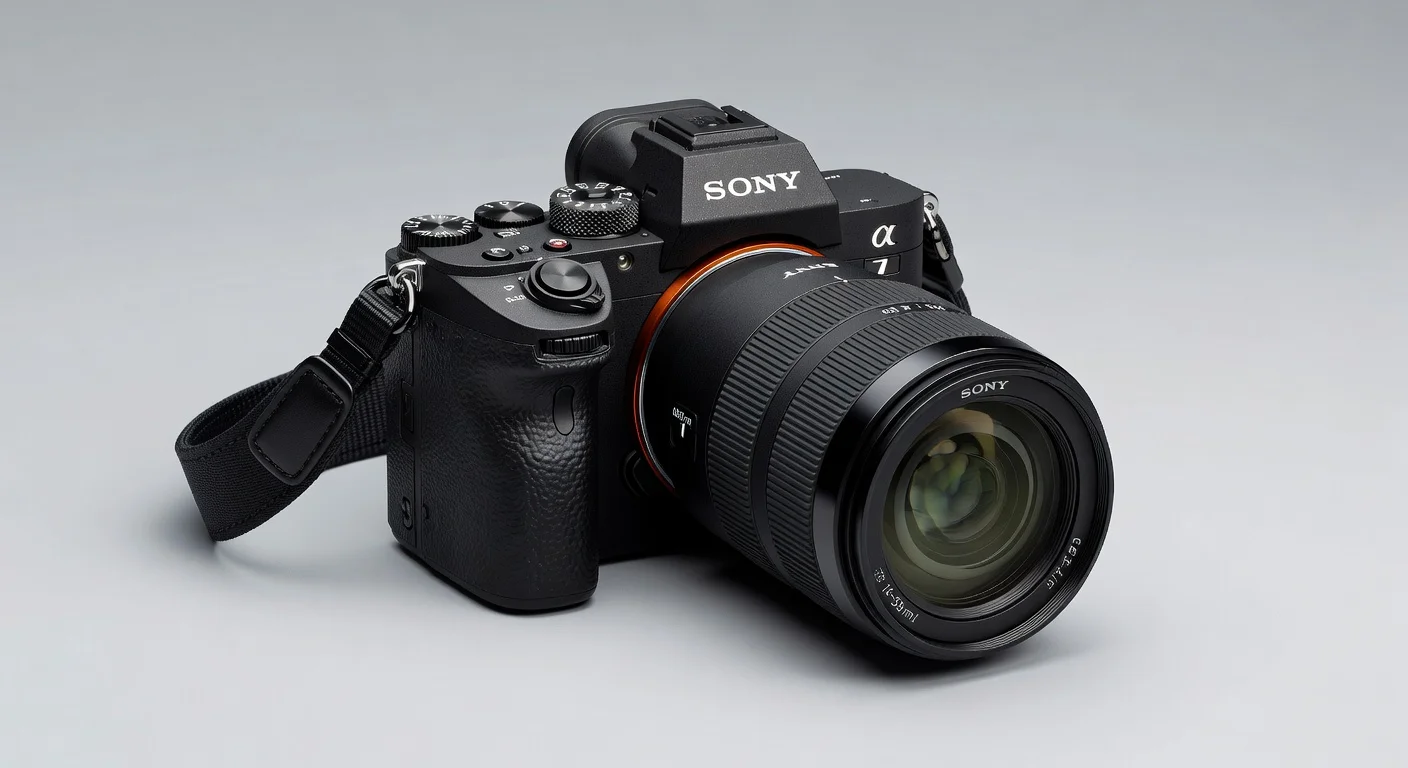
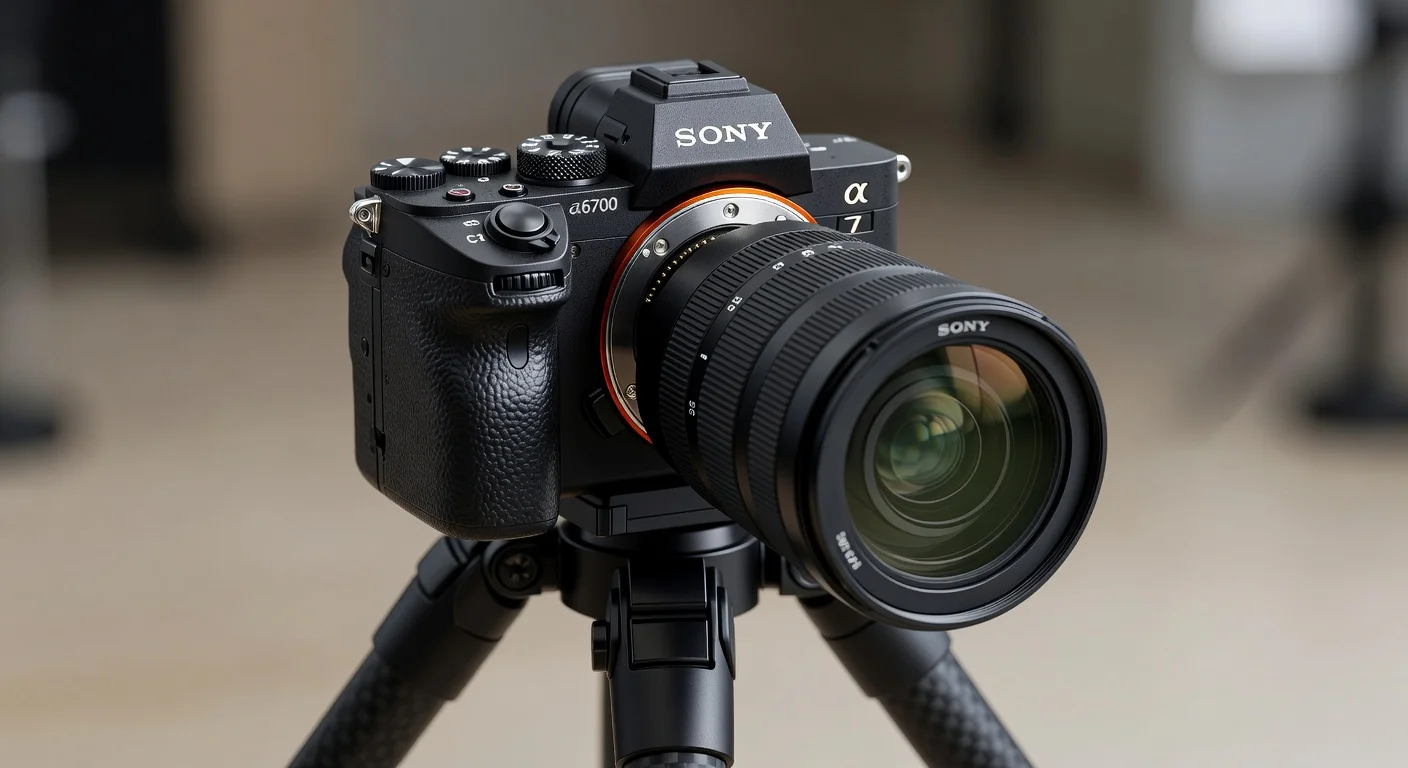
The Sony a6700 features a compact magnesium-alloy chassis that feels reassuringly solid despite its relatively small footprint. Weather sealing has been applied to all major seams and buttons, allowing confident use in light rain or dusty environments. The grip has been noticeably deepened compared to previous a6000-series models, providing a more secure hold even with larger telephoto lenses — a welcome ergonomic improvement for serious users who shoot all day.
Controls are logically placed with a dedicated exposure compensation dial and customizable function buttons. The 2.36-million-dot OLED viewfinder offers crisp, lag-free viewing with a high refresh rate, while the fully articulating touchscreen makes high- and low-angle shooting effortless. At just 493 grams, the camera slips easily into smaller camera bags, making it an excellent travel companion that doesn’t sacrifice build quality for portability.
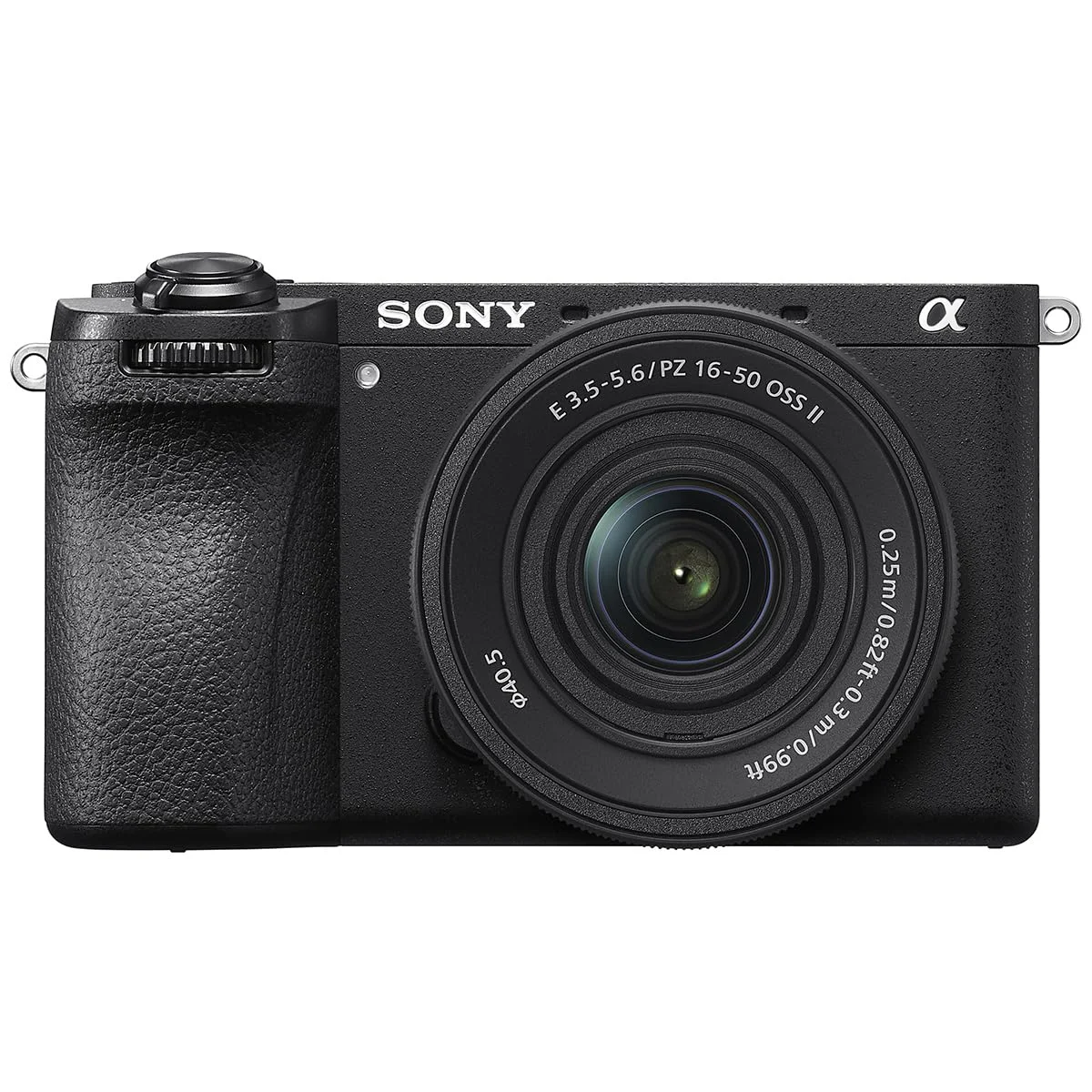
Overall, the design strikes an impressive balance between miniaturization and usability. While it lacks the top-plate LCD found on some competitors, the bright EVF and responsive rear screen more than compensate for most users.
Performance
In real-world testing throughout 2026, the a6700’s AI-driven autofocus remains its standout strength. Subject detection and tracking are exceptionally reliable, whether photographing erratic birds in flight, fast-paced sports, or candid street scenes. The camera maintains focus lock with impressive tenacity, even in challenging backlit or low-contrast conditions. Continuous shooting at 11 fps with full AF tracking delivers consistent results, with the buffer clearing quickly on modern UHS-II cards.
Image quality from the 26MP sensor is excellent, offering a useful balance of resolution and low-light performance. Clean results are possible up to ISO 12800, with well-controlled noise and strong dynamic range for the APS-C format. Colors are accurate and pleasing straight from camera, though many enthusiasts will appreciate the flexibility of shooting in RAW for post-processing.
For video users, 4K60p footage is detailed and benefits from the effective IBIS system, enabling smooth handheld shots. Rolling shutter is well controlled in most modes, though extended high-bitrate recording can trigger thermal limits after approximately 45-60 minutes depending on ambient temperature.
Features & Software
The a6700 inherits Sony’s latest AI processing unit, enabling highly sophisticated subject recognition that goes well beyond basic face and eye detection. Additional standout features include focus breathing compensation, an enhanced breathing correction algorithm, and flexible frame rates up to 120fps in Full HD for beautiful slow-motion work. The camera also supports 10-bit 4:2:2 recording internally with professional profiles including S-Log3 and S-Cinetone.
Sony’s menu system has seen meaningful refinement, though it still presents something of a learning curve for newcomers. The Creators’ App integration works reliably for wireless transfer and remote control, while firmware updates continue to add functionality years after the camera’s initial release. For hybrid creators, the ability to stream directly via USB-C without additional software makes the a6700 particularly versatile.
Value Proposition
Priced as a premium APS-C offering, the a6700 delivers strong value for photographers and videographers who need professional-grade autofocus and video features without moving to full-frame. It undercuts the cost of equivalent full-frame bodies while providing comparable speed and tracking performance in a lighter, more portable package. For users already invested in Sony E-mount glass, it represents a logical step up from older a6000-series models without requiring a complete system overhaul.
When compared against other high-end APS-C cameras, the a6700’s combination of class-leading AF, robust video specs, and effective stabilization gives it a compelling edge for hybrid shooters. The long-term support through firmware updates further enhances its value proposition well into 2026 and beyond.
How It Compares
Against the Canon EOS R7, the Sony a6700 offers superior subject detection and tracking, particularly for birds and insects, along with better overheating performance during extended video recording. However, the Canon provides dual card slots and a more intuitive menu system that some users may prefer.
Compared to the Fujifilm X-S20, the a6700 excels in autofocus speed and video specifications, while the Fuji counters with more engaging film simulations, slightly better battery life, and a unique retro control layout that many photographers find more tactile.
Pros and Cons
Pros
- Class-leading AI autofocus system that tracks complex subjects with remarkable consistency.
- Compact, weather-sealed magnesium body offers excellent build quality and portability.
- Versatile 4K60p 10-bit video with professional color profiles and effective stabilization.
- Strong image quality with usable high-ISO performance and pleasing color science.
- Regular firmware updates continue to improve functionality years after launch.
Cons
- The menu system, while improved, remains complex and can frustrate newcomers.
- Only a single UHS-II card slot may give pause to professional stills photographers.
- Battery life is adequate but requires carrying spares for full-day hybrid shooting.
- Premium pricing positions it close to entry-level full-frame cameras.
- Extended 4K recording can trigger overheating in warm conditions.
FAQ
Q: Is the Sony a6700 still worth buying in 2026?
A: Yes. Its AI autofocus, video capabilities, and ongoing firmware support keep it competitive against newer models, especially for hybrid creators who value compactness.
Q: How does the a6700’s autofocus compare to full-frame Sony cameras?
A: The a6700 uses the same latest-generation AI processing unit found in the a1 and a7R V, delivering nearly identical subject recognition and tracking performance in most scenarios.
Q: Can the Sony a6700 be used professionally for video?
A: Absolutely. With 4K60 10-bit internal recording, S-Log3, waveform tools, and reliable autofocus, many independent filmmakers and content creators use it as a primary or B-camera.
Q: Does the a6700 have an anti-aliasing filter?
A: No. The sensor omits the optical low-pass filter to maximize sharpness, though this can occasionally introduce moiré in certain patterned subjects.
Q: What is the best lens to pair with the a6700?
A: The Sony 16-55mm f/2.8 G is the ideal all-rounder, while the 70-350mm G OSS excels for wildlife and sports. For low light, the Sigma 23mm f/1.4 or Sony 24mm f/1.4 GM are excellent choices.
Verdict
The Sony a6700 remains an outstanding choice for serious enthusiasts, wildlife photographers, and hybrid content creators who need professional autofocus and video performance in a compact, travel-friendly package. Its combination of class-leading tracking, strong image quality, and versatile 4K recording capabilities makes it far more than just another APS-C camera. If you prioritize performance and portability over an intuitive menu system or dual card slots, the a6700 is highly recommended.
Pros
- ✓ Class-leading AI autofocus system that tracks complex subjects with remarkable consistency.
- ✓ Compact, weather-sealed magnesium body offers excellent build quality and portability.
- ✓ Versatile 4K60p 10-bit video with professional color profiles and effective stabilization.
- ✓ Strong image quality with usable high-ISO performance and pleasing color science.
- ✓ Regular firmware updates continue to improve functionality years after launch.
Cons
- ✗ The menu system, while improved, remains complex and can frustrate newcomers.
- ✗ Only a single UHS-II card slot may give pause to professional stills photographers.
- ✗ Battery life is adequate but requires carrying spares for full-day hybrid shooting.
- ✗ Premium pricing positions it close to entry-level full-frame cameras.
- ✗ Extended 4K recording can trigger overheating in warm conditions.
Where to Buy the Sony a6700





Prices may vary. Affiliate links — we may earn a commission at no extra cost to you.
Related Reviews

Affiliate links — we may earn a commission at no extra cost to you.