









The Panasonic Lumix S5 II revolutionized the mirrorless market with its long-awaited phase-detect autofocus and incredible video capabilities. We dive deep into whether this hybrid powerhouse remains the ultimate choice for content creators and hybrid shooters in 2026. Discover if its blend of exceptional in-body image stabilization and robust build quality still outshines the competition.
Table of Contents
Key Specifications
| Feature | Detail |
|---|---|
| Sensor | 24.2MP Full-Frame CMOS |
| Autofocus | Phase Hybrid AF (779-point) |
| Image Stabilization | 6.5-stop In-Body Image Stabilization (IBIS) |
| Video Resolution | Up to 6K at 30p, 4K at 60p (APS-C crop) |
| Viewfinder | 3.68m-dot OLED EVF (0.78x magnification) |
| Storage | Dual UHS-II SD Card Slots |
| Connectivity | Full-size HDMI, USB-C (PD), Wi-Fi, Bluetooth |
| Weight | 740g (Body with battery and SD card) |
Design & Build Quality
The Panasonic Lumix S5 II retains the rugged, utilitarian aesthetic that its predecessor was known for, but introduces subtle refinements that significantly enhance the shooting experience. Encased in a robust magnesium alloy die-cast body, the camera is comprehensively weather-sealed, ensuring peace of mind when shooting in adverse conditions. One of the most remarkable engineering feats is the integration of an active cooling fan seamlessly built into the EVF housing. This design choice maintains the camera’s compact form factor while unlocking unlimited recording times, a crucial advantage for professional videographers.
Ergonomically, Panasonic continues to lead the pack. The deep, pronounced grip provides a secure hold, even when paired with heavy, premium L-mount lenses. Button placement is intuitive and highly tactile, allowing for muscular memory operation during high-stakes shoots. The dedicated buttons for White Balance, ISO, and Exposure Compensation remain neatly clustered near the shutter, making quick adjustments effortless. Furthermore, the inclusion of a full-size HDMI port directly addresses a long-standing pain point for hybrid shooters who rely on external monitors.
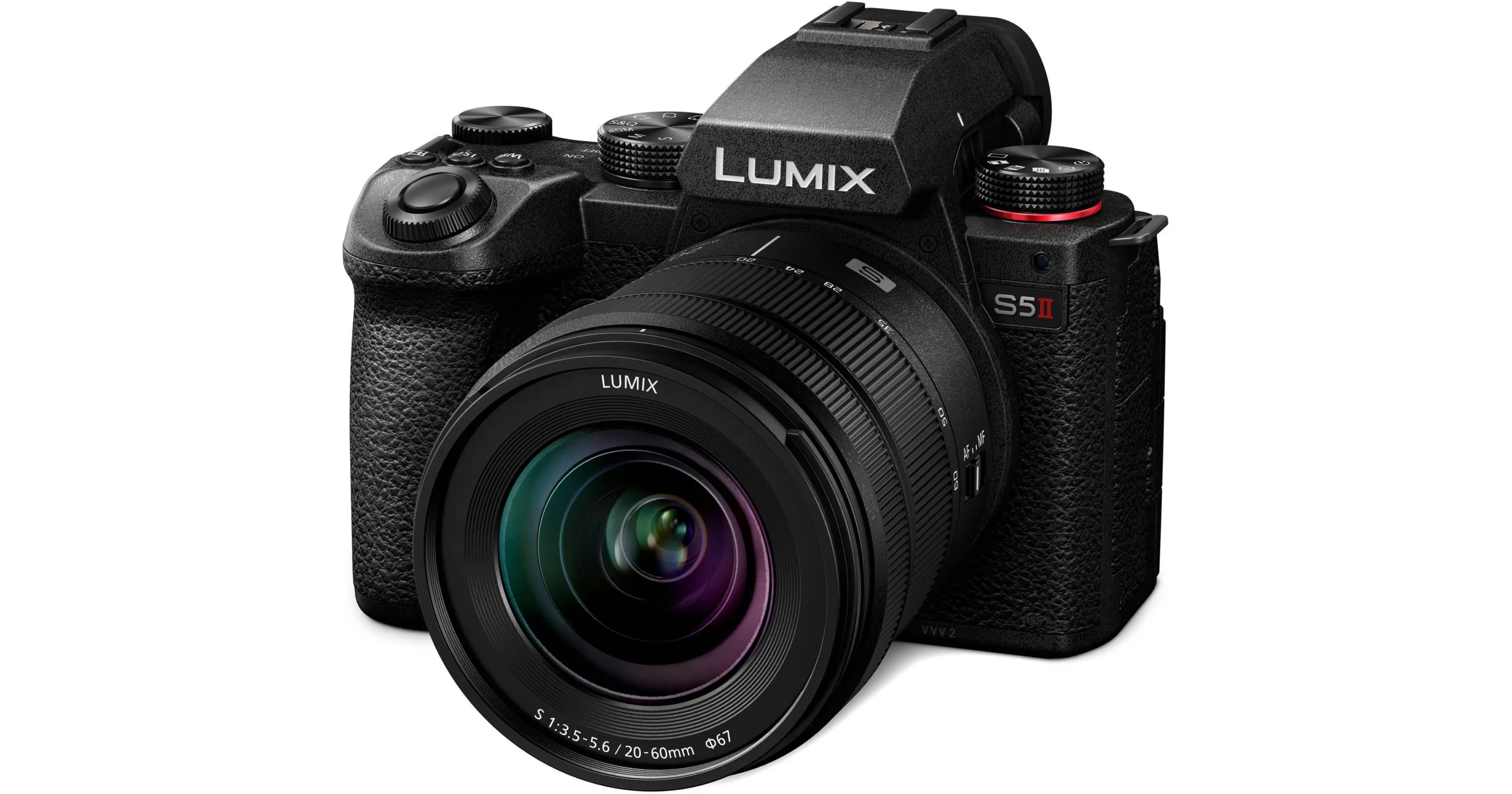
The rear features a fully articulating 3.0-inch touchscreen that is bright and responsive, alongside an upgraded 3.68-million dot OLED electronic viewfinder. The EVF is crisp, offering a 0.78x magnification that makes manual focusing a breeze. Overall, the S5 II strikes an exquisite balance between professional durability and portability, cementing its status as a highly capable tool for demanding creators in 2026.
Performance
Performance is where the Lumix S5 II truly redefines the Panasonic ecosystem, largely thanks to the introduction of Phase Hybrid Autofocus. For years, Panasonic’s reliance on DFD (Depth from Defocus) technology was the system’s Achilles’ heel, often resulting in distracting pulsing during video recording. The 779-point phase-detect system completely eradicates this issue. In real-world testing, the continuous autofocus (AF-C) tracks subjects with clinical precision, locking onto eyes, faces, and animals swiftly, even in heavily backlit or low-light scenarios down to -6 EV.
When it comes to image quality, the 24.2MP full-frame sensor delivers exceptional dynamic range and lush color science. Panasonic’s V-Log profile provides upwards of 14 stops of dynamic range, offering colorists immense flexibility in post-production. The camera handles noise exceptionally well; shooting at ISO 6400 yields impressively clean files, thanks to the Dual Native ISO architecture. For burst photography, the S5 II manages a respectable 9 fps with the mechanical shutter and up to 30 fps using the electronic shutter, making it more than capable of capturing moderate action and fast-moving subjects.
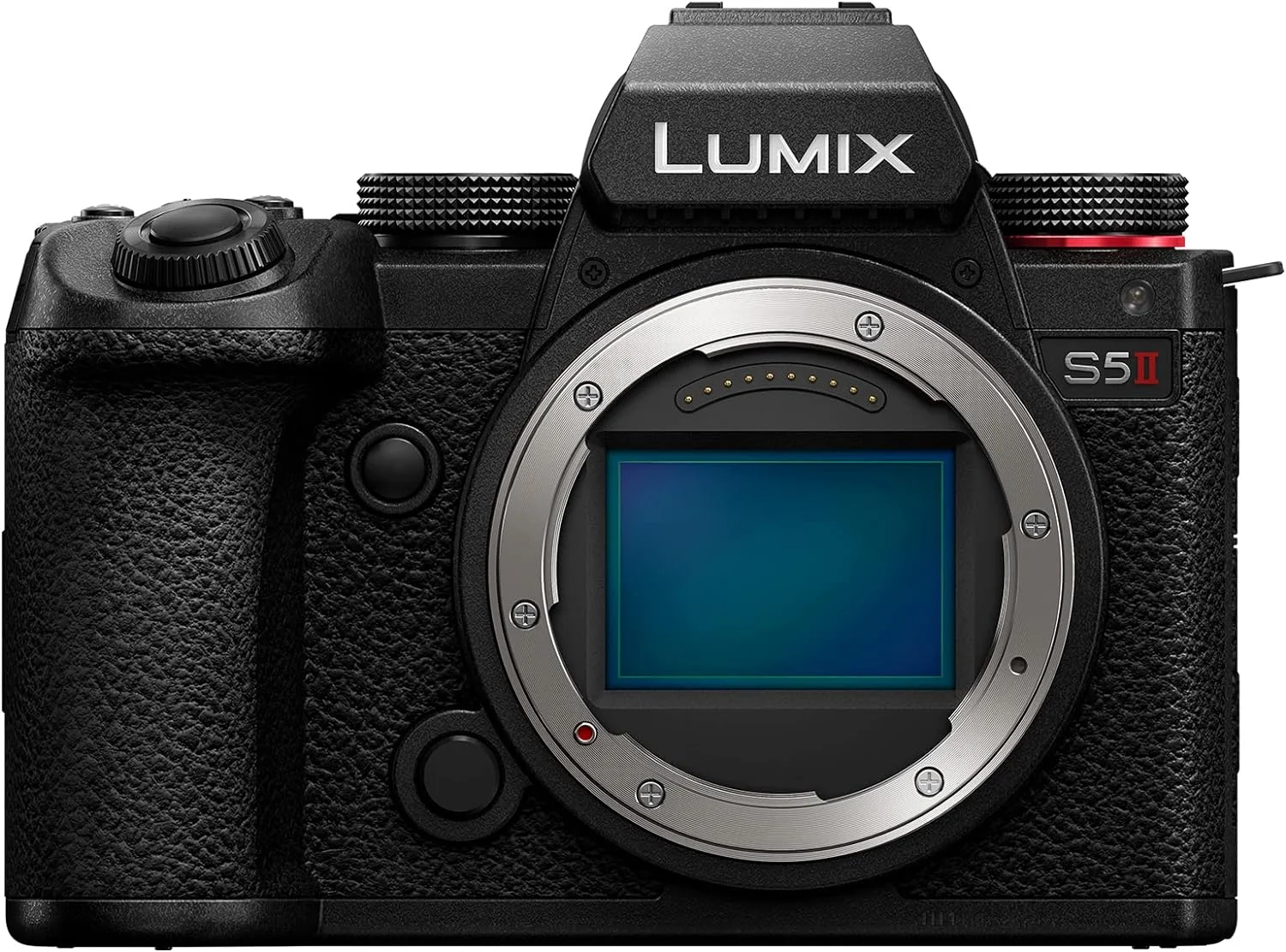
Another major performance pillar is the class-leading 5-axis In-Body Image Stabilization (IBIS). Panasonic’s Active I.S. technology offers up to 6.5 stops of compensation, effectively eliminating micro-jitters during walking shots. Whether you are vlogging handheld or capturing long-exposure night photography without a tripod, the stabilization is nothing short of magical, frequently allowing shooters to leave their gimbals at home.
Features & Software
The Lumix S5 II is generously packed with video-centric features that blur the line between a standard mirrorless camera and a dedicated cinema rig. It boasts 10-bit 4:2:2 internal recording, waveform monitors, vectorscopes, and real-time LUT (Look-Up Table) application, allowing creators to bake their color grade directly into the footage. The software menus, traditionally a strong suit for Panasonic, remain highly organized, touch-friendly, and customizable to accommodate complex hybrid workflows.
Connectivity and tethering are equally robust for the modern professional. The camera supports seamless wireless image transfer and remote control via the Lumix Sync app, which remains highly stable even through lengthy sessions. Additionally, USB-C power delivery allows the camera to be charged and operated simultaneously via a power bank, an indispensable feature for time-lapse photography and lengthy interviews.
Value Proposition
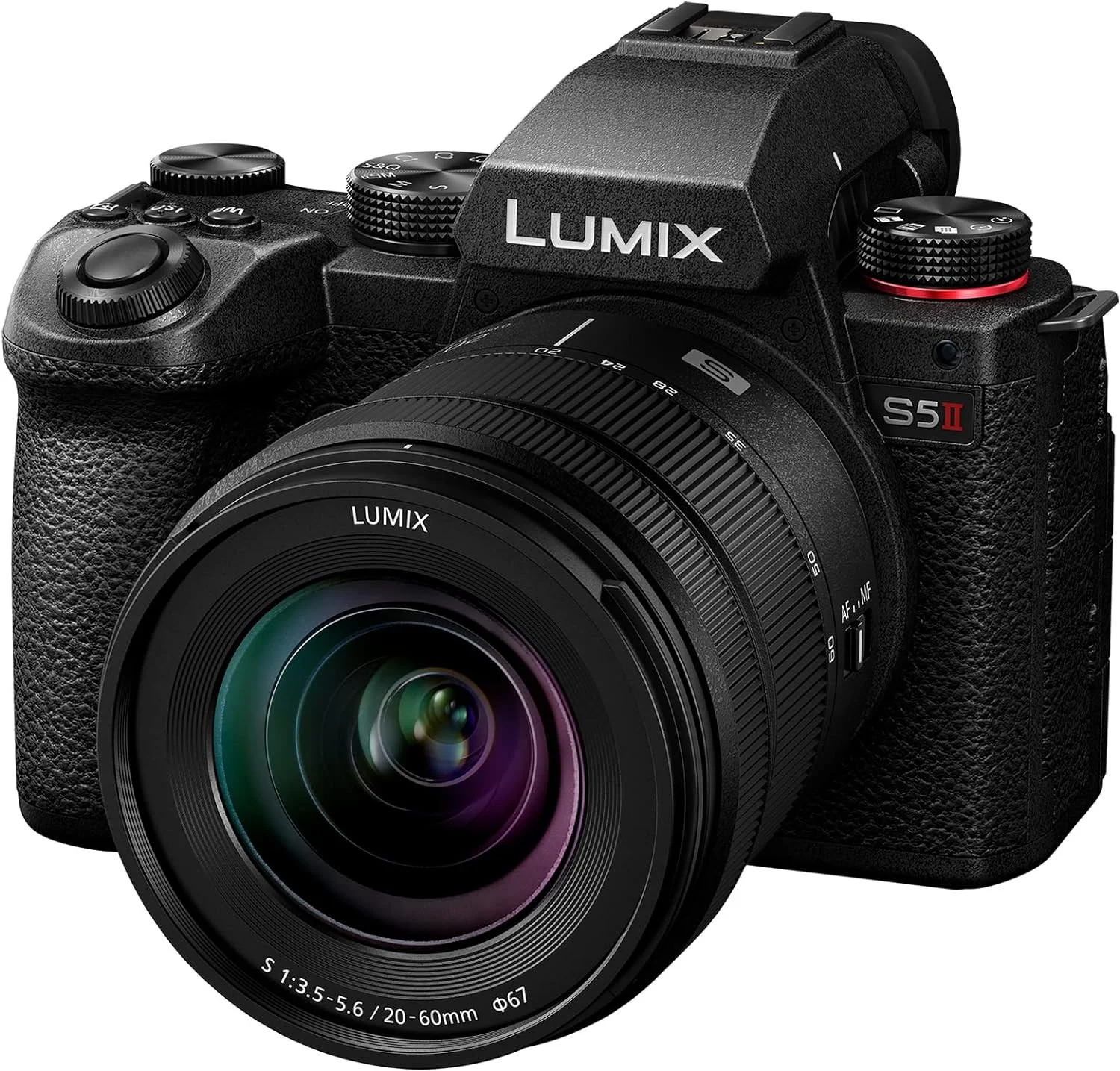
In 2026, the full-frame mirrorless market is more crowded than ever, yet the Panasonic Lumix S5 II maintains an extraordinary value proposition. Priced aggressively against entry-level and mid-range competitors, it punches well above its weight class by offering high-end cinema features—like open gate 6K video, active cooling, and precise shutter angle settings—that typically require a much larger investment.
When factoring in the rich and expanding ecosystem of L-mount lenses from Panasonic, Sigma, and Leica, the cost-to-performance ratio becomes incredibly difficult to beat. For independent filmmakers, YouTubers, and wedding videographers who need top-tier video specs without sacrificing photographic capabilities, the S5 II stands as one of the most cost-effective hybrid powerhouses on the market today.
How It Compares
When pitted against the Sony a7 IV, the Lumix S5 II holds its ground and often surpasses the Sony in video features. While the a7 IV boasts a higher 33MP resolution for photography and arguably a slightly faster autofocus system for fast-moving sports, the S5 II wins out with superior IBIS, a full-size HDMI port, lack of recording limits (thanks to the internal fan), and uncropped 4K 30p recording.

Against the Canon EOS R6 Mark II, the competition is fierce. The R6 Mark II excels in burst shooting speeds and offers excellent Dual Pixel AF. However, the S5 II’s inclusion of open gate 6K recording provides a massive advantage for creators who need to crop vertically for social media platforms, making the Panasonic a significantly more versatile tool for modern digital content pipelines.
Pros and Cons
Pros
- Phase-detect autofocus completely transforms and vastly improves video tracking capabilities.
- Class-leading 6.5-stop In-Body Image Stabilization makes handheld video incredibly smooth.
- Built-in cooling fan ensures unlimited recording times without overheating.
- Excellent value for money with pro-tier video features like 6K open gate and waveform monitors.
- Full-size HDMI port and durable weather-sealed body offer excellent physical utility.
Cons
- Recording 4K video at 60fps incurs an APS-C crop, limiting wide-angle lens options.
- The 24.2MP resolution may feel slightly low for heavy cropping in landscape or commercial studio photography.
- The burst shooting rate using the mechanical shutter (9 fps) is slower than direct competitors.
- The L-mount lens ecosystem, while rapidly growing, lacks the massive used market of Sony E-mount.
FAQ
Q: Does the Panasonic Lumix S5 II overheat during long recording sessions?
A: No, the camera features an innovative built-in cooling fan housed within the EVF assembly, allowing for unlimited recording times in most video formats without overheating.
Q: Can I use my old EF mount lenses on the Lumix S5 II?
A: Yes, you can easily adapt Canon EF lenses to the L-mount using a compatible adapter like the Sigma MC-21, and the new phase-detect autofocus still performs admirably with adapted glass.
Q: Does the camera have a recording limit?
A: The Lumix S5 II has no artificial recording limits; it will continue to record as long as you have battery power and storage space available.
Q: Does 4K 60p video have a crop on the S5 II?
A: Yes, recording in 4K at 60 frames per second applies an APS-C crop to the sensor, which will change your lens’s field of view by roughly 1.5x.
Verdict
The Panasonic Lumix S5 II is the ultimate full-frame mirrorless camera for hybrid shooters, independent filmmakers, and content creators who demand professional-grade video tools. With the addition of phase-detect autofocus, it successfully bridges the gap between reliable photography and elite videography. If your workflow relies heavily on high-quality video capture without breaking the bank, this camera is an absolute must-buy.
Where to Buy
Pros
- ✓ Phase-detect autofocus completely transforms and vastly improves video tracking capabilities.
- ✓ Class-leading 6.5-stop In-Body Image Stabilization makes handheld video incredibly smooth.
- ✓ Built-in cooling fan ensures unlimited recording times without overheating.
- ✓ Excellent value for money with pro-tier video features like 6K open gate and waveform monitors.
- ✓ Full-size HDMI port and durable weather-sealed body offer excellent physical utility.
Cons
- ✗ Recording 4K video at 60fps incurs an APS-C crop, limiting wide-angle lens options.
- ✗ The 24.2MP resolution may feel slightly low for heavy cropping in landscape or commercial studio photography.
- ✗ The burst shooting rate using the mechanical shutter (9 fps) is slower than direct competitors.
- ✗ The L-mount lens ecosystem, while rapidly growing, lacks the massive used market of Sony E-mount.
Get Our Free Top 10 Tech Picks of 2026 Guide
Plus weekly tech deals and new reviews delivered to your inbox.
[cp_email_signup]
No spam. Unsubscribe anytime.
Ready to buy the Panasonic Lumix S5 II?
Affiliate link — we may earn a commission at no extra cost to you.