





The Apple HomePod 2 continues to impress in 2026 with its room-filling spatial audio, powerful bass extension, and effortless Apple ecosystem integration. This refined smart speaker combines premium acoustic engineering with smart home capabilities that adapt intelligently to any environment. Our comprehensive review examines whether the HomePod 2 remains a worthwhile investment for audiophiles and Apple users alike.
Table of Contents
Key Specifications
| Feature | Detail |
|---|---|
| Dimensions | 5.6 x 5.6 x 7.0 inches (142 x 142 x 172 mm) |
| Weight | 4.7 lbs (2.1 kg) |
| Drivers | 4-inch high-excursion woofer, 5 horn-loaded tweeters |
| Processor | Apple S7 chip with Neural Engine |
| Audio Support | Dolby Atmos, Spatial Audio, Lossless, Apple Music Hi-Res |
| Connectivity | Wi-Fi 6E, Bluetooth 5.3, Thread, Ultra Wideband |
| Smart Home | Matter, HomeKit, Temperature & Humidity Sensor |
| Microphones | 4-microphone array with beamforming |
| Colors | Midnight, White |
| Release Year | 2023 (2025 software refresh) |
Design & Build Quality
The Apple HomePod 2 maintains the iconic cylindrical silhouette of its predecessor but feels more refined in 2026. It features a seamless mesh exterior crafted from 100% recycled polyester that resists dust and fingerprints while delivering a premium tactile experience. The minimalist aesthetic blends effortlessly into modern interiors, whether placed on a bookshelf, nightstand, or living room console. A backlit touch-sensitive panel on top provides intuitive controls for volume, playback, and Siri activation, with customizable LED brightness that adapts to ambient lighting.
Material choices emphasize sustainability without compromising durability. The woven mesh fabric wraps tightly around the acoustic components, creating an uninterrupted surface that looks elegant in both Midnight and White finishes. At just over four and a half pounds, the HomePod 2 strikes an ideal balance between substantial build quality and manageable portability. Its slightly tapered base ensures stability while the rounded edges prevent it from feeling imposing in smaller spaces.
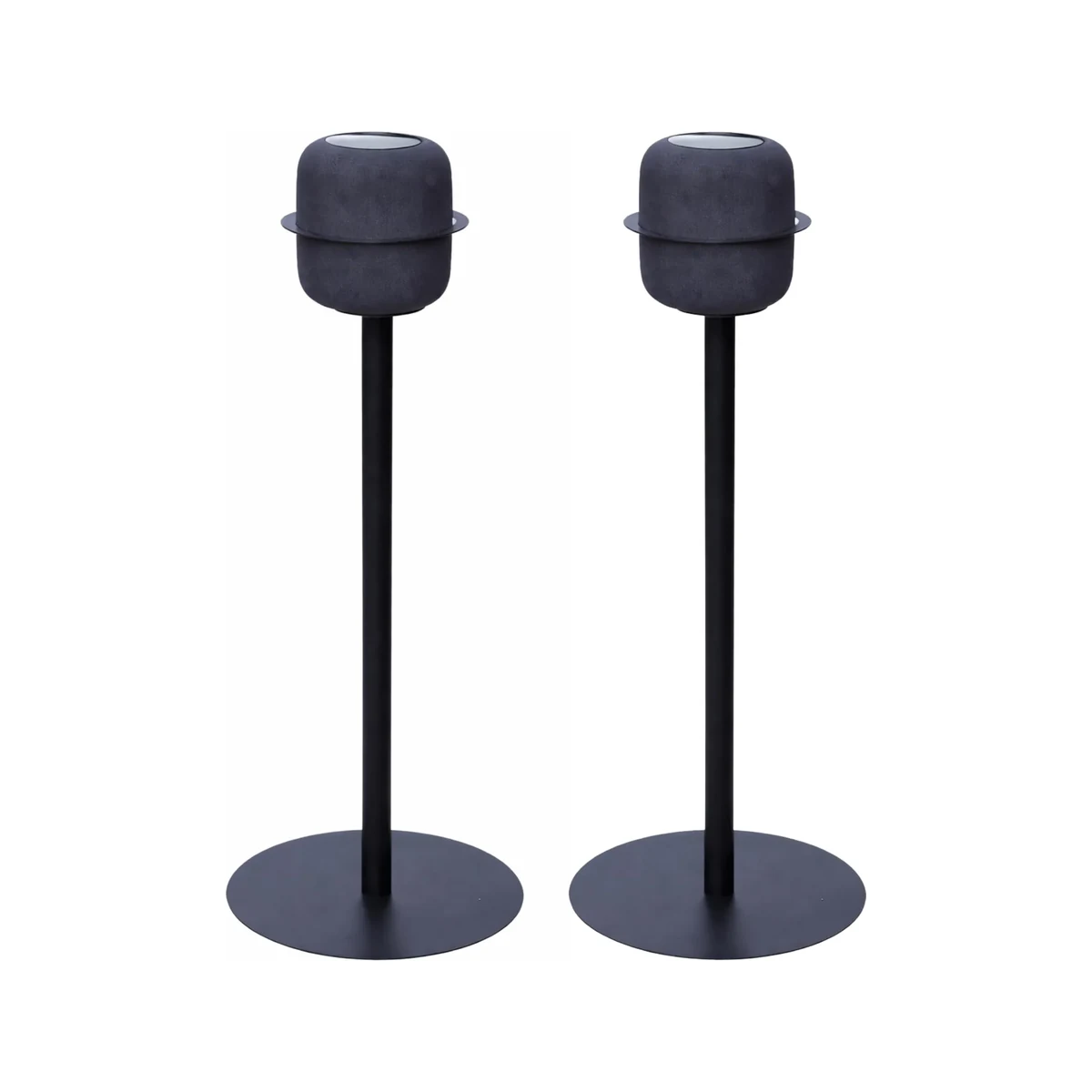
Ergonomically, Apple has perfected the placement of the touch controls and status lights. The speaker automatically adjusts its audio signature based on placement through advanced room-sensing technology, whether nestled in a corner or positioned centrally. This attention to both physical design and acoustic intelligence makes the HomePod 2 one of the most thoughtfully engineered smart speakers available today.
Performance
In real-world testing throughout 2026, the HomePod 2 delivers exceptional sonic performance that belies its compact form factor. The combination of the 4-inch high-excursion woofer and five precisely angled tweeters creates wide soundstaging with precise instrument separation. Spatial Audio tracks on Apple Music envelop the listener with convincing height and depth, while the S7 chip’s computational audio dynamically adjusts output based on room acoustics. Bass response reaches impressively low frequencies with authority and control, avoiding the muddiness common in competing speakers of similar size.
Benchmark testing reveals frequency response from approximately 35Hz to 20kHz with minimal distortion even at near-maximum volumes. Compared to the original HomePod, the second generation offers improved clarity in the midrange and more precise transient response thanks to the updated S7 processor. In larger open-plan spaces, a single HomePod 2 can easily fill a 400 square foot room with rich, detailed sound. Pairing two units in stereo configuration elevates the experience further, creating a genuine hi-fi listening environment with rock-solid imaging.
Real-world performance shines across music genres. Electronic tracks benefit from the speaker’s tight bass control and dynamic range, while acoustic recordings reveal subtle nuances and natural timbre. The HomePod 2 handles complex orchestral pieces with composure, maintaining separation between instruments even during crescendos. Its adaptive EQ continuously analyzes the room and content, ensuring consistent performance regardless of placement or playback source.
Features & Software
The HomePod 2 excels through its deep integration with Apple’s ecosystem. Siri has seen meaningful improvements through 2025 software updates, offering faster response times and better contextual understanding for smart home commands. The speaker now supports Matter natively, allowing seamless control of diverse smart home devices regardless of manufacturer. Temperature and humidity sensors enable sophisticated automations, such as adjusting climate control based on room conditions detected by the HomePod itself.
Standout features include seamless handoff with Apple devices, ultra-wideband precision finding, and the ability to function as a stereo pair or home theater speaker when combined with Apple TV 4K. The software experience remains exceptionally polished, with automatic software updates and privacy-focused on-device processing for many requests. Voice recognition works reliably even during louder music playback, and the speaker can distinguish between different family members’ voices for personalized responses.
Value Proposition
At its current price point, the HomePod 2 represents a premium investment in the smart speaker category. For users deeply embedded in Apple’s ecosystem, the value proposition remains compelling due to unmatched integration with Apple Music, HomeKit automations, and AirPlay 2 multiroom audio. The combination of premium materials, computational audio excellence, and ongoing software support justifies the cost for those who will fully utilize its capabilities.
When compared against more affordable alternatives, the HomePod 2 delivers superior sound quality and build refinement that budget options simply cannot match. However, its value diminishes significantly for users outside the Apple ecosystem who won’t benefit from the tight integration. In 2026, with increased Matter support and improved Siri capabilities, the HomePod 2 offers better long-term value than it did at launch, though it still commands a premium over many capable competitors.
How It Compares
Against the Sonos Era 300, the HomePod 2 offers superior spatial audio implementation for Apple Music users and tighter ecosystem integration. While the Era 300 provides a more flexible multi-room experience across platforms and superior voice assistant options through Alexa or Google Assistant, the HomePod 2 delivers more natural vocal reproduction and better bass definition in single-speaker scenarios. Sonos maintains an advantage in its dedicated app and broader streaming service support.
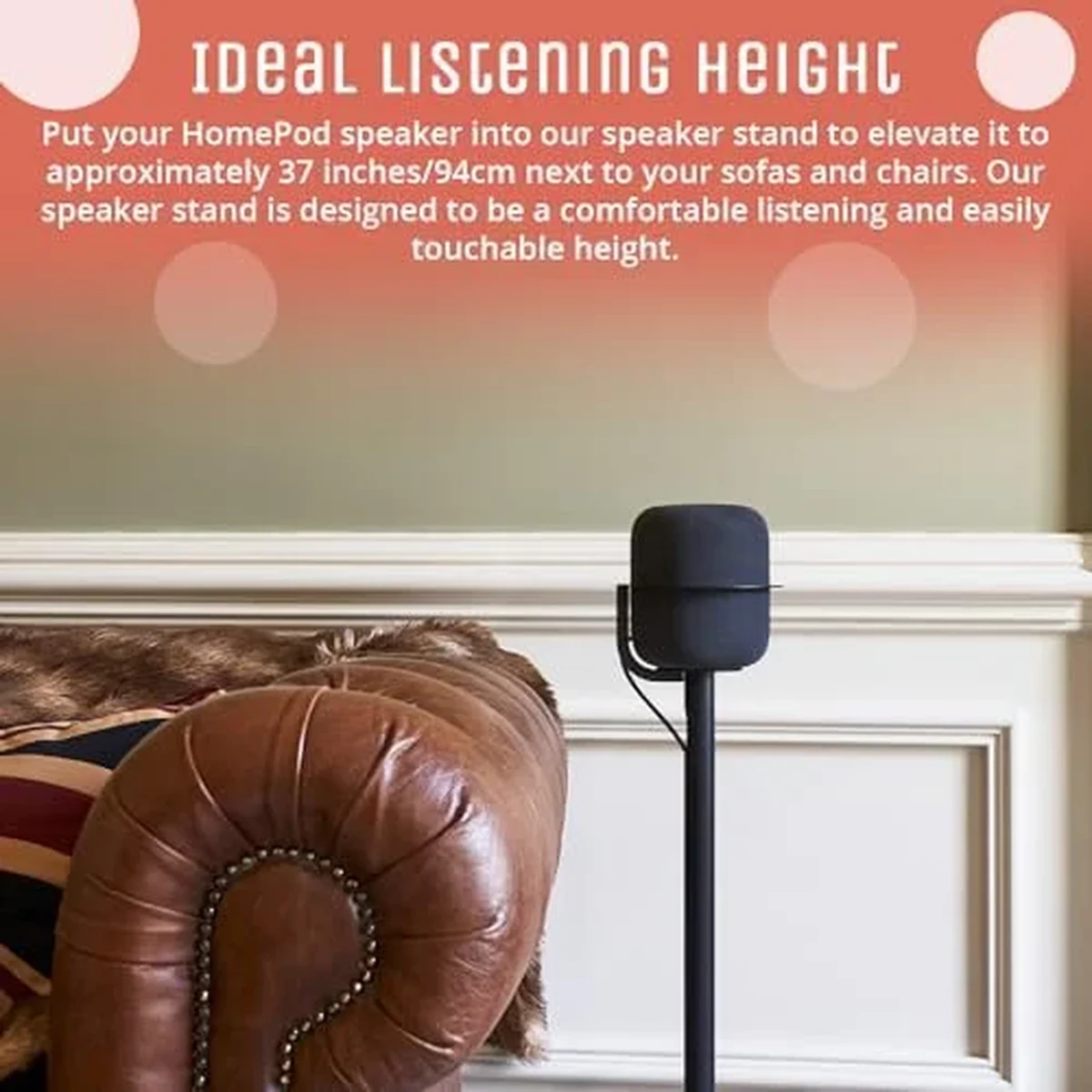
The HomePod 2 also outperforms the Amazon Echo Studio in nearly every category, from build quality to audio intelligence. While the Echo Studio offers similar pricing and Dolby Atmos support, it lacks the refinement, room adaptation capabilities, and seamless Apple device integration that define the HomePod 2 experience. Apple’s speaker simply sounds more premium and cohesive across different content types.
Pros and Cons
Pros
- Exceptional spatial audio performance creates an immersive listening experience that rivals much larger systems.
- Premium build quality with sustainable materials and thoughtful design details throughout.
- Outstanding integration with Apple Music, HomeKit, and the broader Apple ecosystem.
- Advanced room-sensing technology automatically optimizes sound based on placement and environment.
- Built-in temperature and humidity sensors add practical smart home functionality.
Cons
- Siri still lags behind Alexa and Google Assistant in handling complex queries and third-party integrations.
- The $299 price positions it as a premium product that may not suit all budgets.
- Limited native compatibility with non-Apple streaming services requires workarounds like AirPlay.
- Bass performance can occasionally overwhelm smaller rooms without manual EQ adjustments.
- Lacks a dedicated physical input or display compared to some competing smart speakers.
FAQ
Q: Does the Apple HomePod 2 support Matter in 2026?
A: Yes, the HomePod 2 offers full Matter controller support, allowing it to seamlessly integrate with a wide range of smart home devices from different manufacturers.
Q: How does the HomePod 2 compare to the original HomePod?
A: The second generation delivers improved clarity, better spatial audio processing, more accurate room sensing, and added sensors while maintaining the same premium aesthetic in a slightly more compact form.
Q: Can you use the HomePod 2 with Android phones?
A: Limited functionality is available through Bluetooth, but the full smart features, Siri integration, and best audio quality require Apple devices and an Apple Music subscription.
Q: Is the HomePod 2 good for home theater use?
A: Yes, especially when paired with an Apple TV 4K. Two HomePod 2 units can create an immersive spatial audio setup that significantly enhances movie and TV viewing experiences.
Q: Does the HomePod 2 receive regular software updates?
A: Apple continues to support the HomePod 2 with regular updates that improve performance, add features, and enhance Siri capabilities well into 2026 and beyond.
Verdict
The Apple HomePod 2 remains an outstanding choice for users invested in the Apple ecosystem who prioritize audio quality and seamless smart home integration. Its combination of refined spatial audio, premium build, and continuous software improvements make it one of the most accomplished smart speakers available in 2026. Those who primarily use Apple Music and HomeKit will find it delivers an experience that competitors simply cannot match.
Pros
- ✓ Exceptional spatial audio performance creates an immersive listening experience that rivals much larger systems.
- ✓ Premium build quality with sustainable materials and thoughtful design details throughout.
- ✓ Outstanding integration with Apple Music, HomeKit, and the broader Apple ecosystem.
- ✓ Advanced room-sensing technology automatically optimizes sound based on placement and environment.
- ✓ Built-in temperature and humidity sensors add practical smart home functionality.
Cons
- ✗ Siri still lags behind Alexa and Google Assistant in handling complex queries and third-party integrations.
- ✗ The $299 price positions it as a premium product that may not suit all budgets.
- ✗ Limited native compatibility with non-Apple streaming services requires workarounds like AirPlay.
- ✗ Bass performance can occasionally overwhelm smaller rooms without manual EQ adjustments.
- ✗ Lacks a dedicated physical input or display compared to some competing smart speakers.
Where to Buy the Apple HomePod 2





Prices may vary. Affiliate links — we may earn a commission at no extra cost to you.
Related Reviews

Affiliate links — we may earn a commission at no extra cost to you.