






The Lenovo Legion Go S SteamOS combines premium handheld hardware with Valve’s Linux-based operating system to deliver a refined portable gaming experience. Featuring a sharp high-refresh-rate display and potent AMD silicon, it aims to outperform the Steam Deck while maintaining the console-like simplicity gamers crave. Our 2026 review explores whether this hybrid truly excels in real-world use.
Table of Contents
Key Specifications
| Feature | Detail |
|---|---|
| Processor | AMD Ryzen Z2 Extreme (8 cores / 16 threads, up to 5.1 GHz) |
| Graphics | AMD Radeon 890M (RDNA 3.5, 16 CUs) |
| Display | 8.8-inch IPS, 2560×1600, 165Hz, VRR, 500 nits |
| Memory | 24GB LPDDR5X-7500 |
| Storage | 1TB PCIe 4.0 NVMe SSD (expandable via M.2 slot) |
| Battery | 55.5Wh |
| Weight | 795g |
| OS | SteamOS 3.7 (Linux-based) |
Design & Build Quality
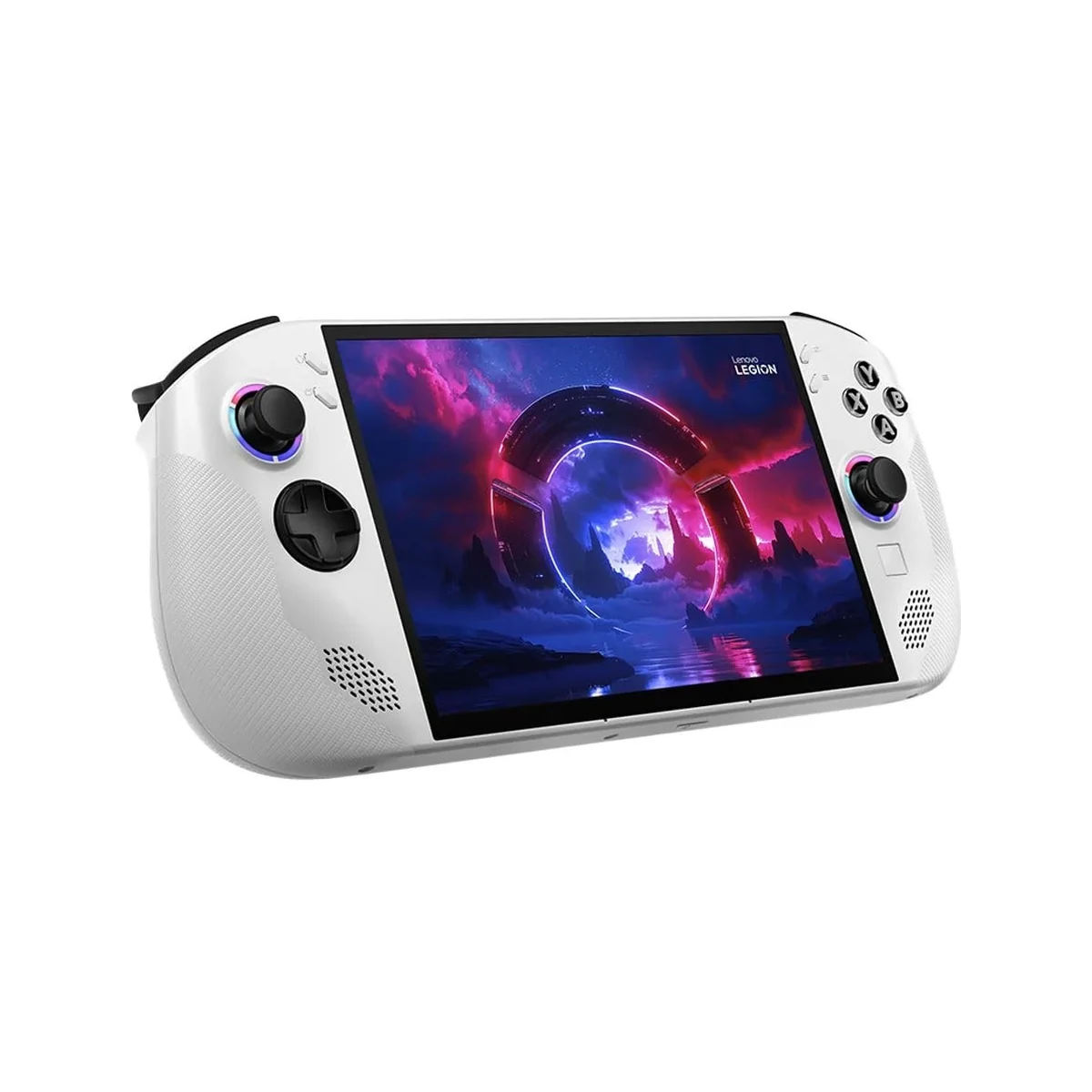
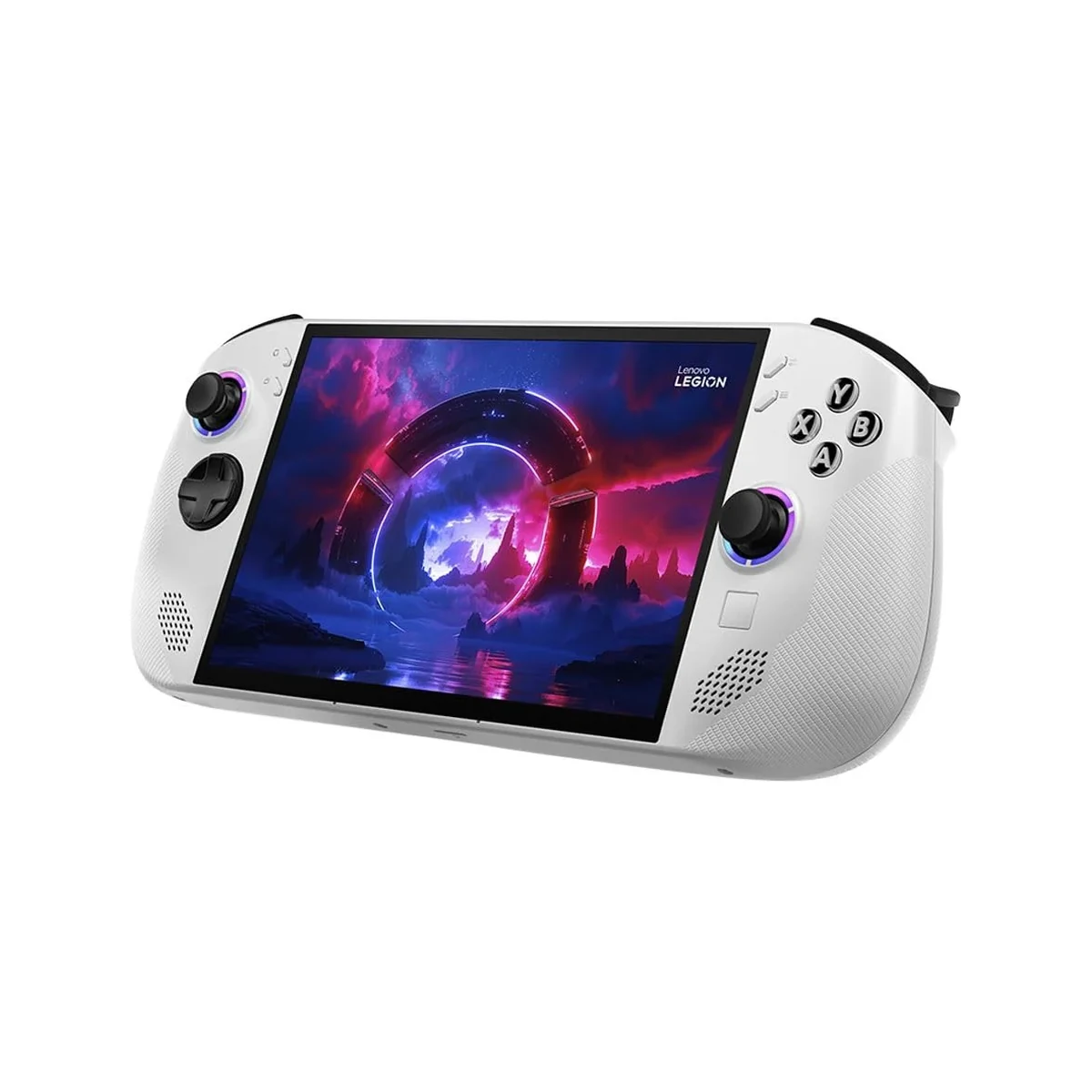
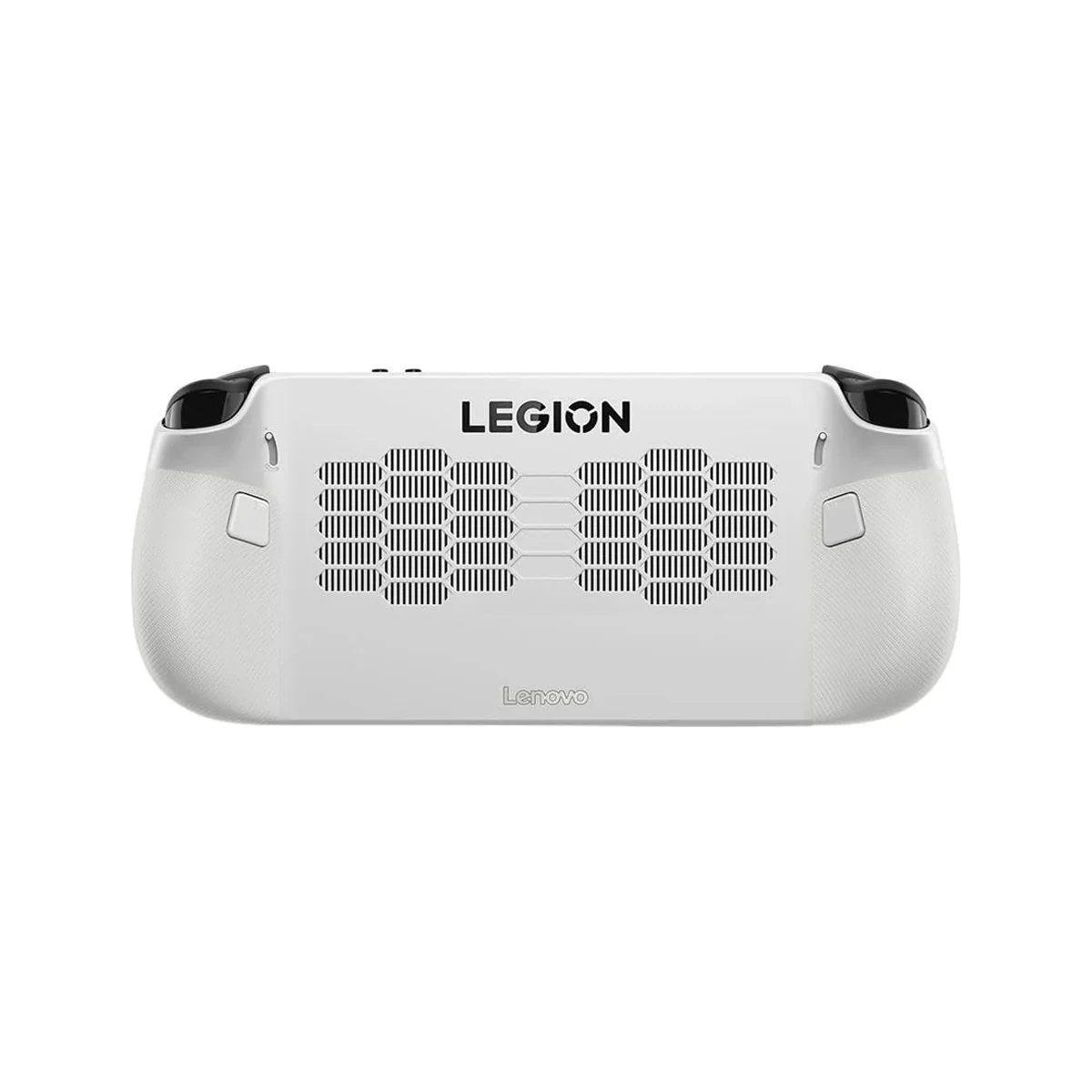
The Lenovo Legion Go S SteamOS adopts a refined silhouette that feels noticeably more premium than its Windows counterpart. The chassis combines a matte magnesium alloy top deck with reinforced polymer grips that have been subtly reshaped for better palm filling. At 795g it is no lightweight, yet the weight distribution is excellent, allowing comfortable marathon sessions without excessive hand fatigue.
Ergonomics receive meaningful upgrades over the original Legion Go. Hall-effect joysticks and triggers eliminate stick drift while providing crisp, accurate response that competitive players will appreciate. The rear macro buttons sit perfectly under the middle fingers, and the newly textured grip surfaces prevent slipping during intense play. RGB lighting has been toned down to subtle accents that complement the clean SteamOS aesthetic rather than fighting it.
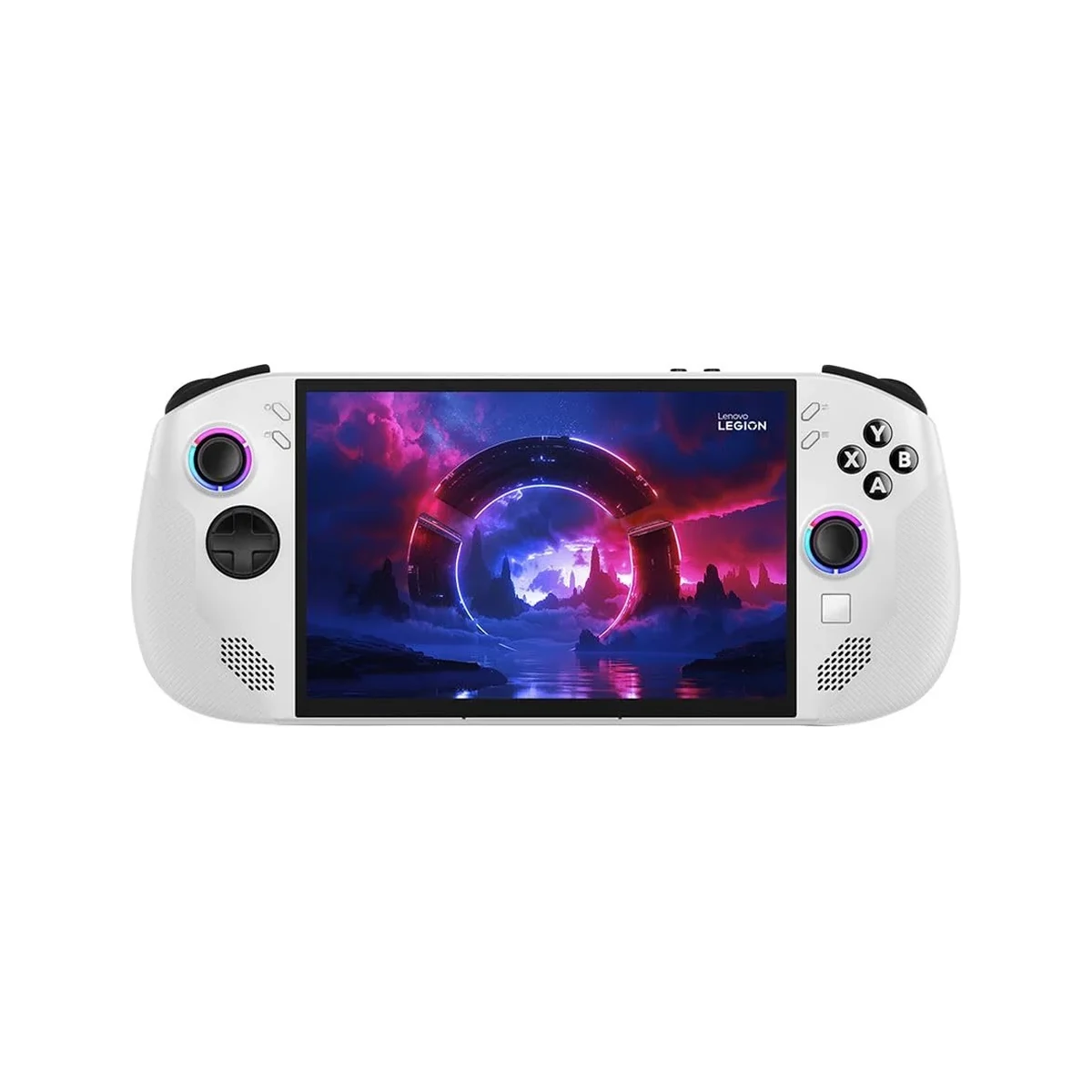
Build quality is flagship-grade. Hinges feel robust, ports are firmly seated, and the large 8.8-inch display sits behind strengthened Gorilla Glass with minimal flex. The device survives casual drops and backpack travel without issue, though the larger footprint means it won’t slip into small pockets like the Steam Deck.
Performance
Powered by the AMD Ryzen Z2 Extreme and 24GB of fast LPDDR5X memory, the Legion Go S SteamOS delivers impressive results in 2026’s demanding titles. In Cyberpunk 2077 at 1600p medium settings with FSR 3.1, the handheld maintains 55-65 fps with frame generation enabled. Elden Ring runs locked at 120 fps on high, while newer releases such as GTA VI (PC) achieve a smooth 45-60 fps at balanced presets.
Thermal performance stands out. Lenovo’s dual-fan cooling solution paired with a larger vapor chamber keeps CPU and GPU temperatures under 78°C even during extended sessions. Fan noise remains unobtrusive in Balanced mode and only becomes noticeable in the aggressive Performance profile. Load times are snappy thanks to the 1TB PCIe 4.0 SSD, with typical level loads completing in under eight seconds.
Battery life sits between 3.5 and 5 hours depending on settings. Indie titles at 30W TDP can stretch toward six hours, while AAA games at 45W see the battery drop to around three hours. This represents a modest improvement over the original Legion Go but still trails the Steam Deck OLED in efficiency, a worthwhile trade-off for the substantial performance uplift.
Features & Software
The headline feature is, of course, native SteamOS. Booting directly into Valve’s Big Picture Mode creates an immediate console-like experience with zero driver conflicts or Windows background processes. Proton compatibility has reached excellent levels in 2026; the vast majority of Steam libraries run flawlessly, and community tools like Steam Deck Verified titles translate perfectly to the Legion Go S.
Lenovo has worked closely with Valve to integrate hardware-specific features. Custom TDP controls, fan curves, and per-game profiles are accessible directly from the Steam overlay. The 165Hz VRR panel supports tear-free gaming across a wide refresh range, while the excellent front-facing speakers deliver surprisingly wide stereo imaging and clear dialogue. Expandable storage via the accessible M.2 slot and USB4 connectivity for docking or eGPU use round out a versatile feature set.
Value Proposition
At a launch price of $699, the Legion Go S SteamOS occupies an interesting middle ground. It undercuts premium Windows handhelds like the ROG Ally X while offering significantly more power and a cleaner software experience than the base Steam Deck OLED. The combination of a larger, sharper screen, stronger APU, and future-proof 24GB of RAM delivers strong long-term value for enthusiasts who primarily game through Steam.
The value proposition shines brightest for users who want a dedicated gaming device rather than a general-purpose PC. By removing Windows licensing and bloat, Lenovo can allocate more resources to cooling and battery, resulting in a more focused product that feels like a true evolution of the handheld category rather than a laptop in miniature.
How It Compares
Against the Valve Steam Deck OLED, the Legion Go S provides a sharper 2560×1600 panel, considerably more graphical horsepower, and faster memory. However, the Deck retains advantages in battery efficiency and its unmatched integration within the Steam ecosystem. Owners who prioritize maximum performance and screen real estate will prefer the Legion, while those wanting longest playtimes and lowest price may still favor the Deck.
Compared with the ASUS ROG Ally X, the Legion Go S offers a more refined out-of-box experience thanks to SteamOS. It avoids Windows 11’s background overhead and driver quirks, resulting in better thermals and simpler operation. The Ally X wins for users who need full Windows compatibility for non-Steam launchers, but for pure Steam gaming the Legion Go S feels more purpose-built.
Pros and Cons
Pros
- Outstanding performance from the AMD Z2 Extreme APU easily handles modern AAA titles at high settings.
- Crisp 165Hz QHD+ display delivers vibrant colors and smooth motion that surpasses the Steam Deck.
- Native SteamOS provides a seamless, console-like experience with excellent Proton compatibility.
- Premium build quality and refined ergonomics make it comfortable for long gaming sessions.
- Strong thermal design keeps the device relatively cool and quiet under load.
Cons
- Battery life is average at best, dropping to 3-4 hours with demanding modern games.
- The 795g weight makes it noticeably heavier than both the Steam Deck and ROG Ally X.
- Some non-Steam titles still require community workarounds or launch options on SteamOS.
- Premium pricing positions it above the most affordable handheld options.
- Limited access to certain Windows-only Lenovo utilities due to the Linux-based OS.
FAQ
Q: Does the Lenovo Legion Go S SteamOS support non-Steam games?
A: Yes. Most launchers work through community tools like Heroic Games Launcher or Lutris, though setup is less plug-and-play than on Windows handhelds.
Q: How does the Legion Go S compare to the original Legion Go?
A: The S model trades Windows flexibility for a cleaner SteamOS experience, improved thermals, and a more refined ergonomic design while maintaining similar performance characteristics.
Q: Is the screen an upgrade over the Steam Deck OLED?
A: Yes. The 8.8-inch 2560×1600 165Hz panel offers higher resolution and refresh rate, though the Deck OLED retains a slight edge in color volume and black levels.
Q: Can you upgrade the storage?
A: Absolutely. The M.2 2280 slot supports easy user upgrades up to 4TB with current PCIe 4.0 drives.
Q: Is SteamOS on the Legion Go S the same as on the Steam Deck?
A: It is based on the same foundation but includes Lenovo-specific tuning for fan curves, TDP limits, and hardware controls accessible through the Steam overlay.
Verdict
The Lenovo Legion Go S SteamOS is the best choice for enthusiasts who want maximum Steam gaming performance in a dedicated handheld. It excels for desktop-replacement-style portable play where screen quality and frame rates matter more than all-day battery life. If you’re deeply invested in the Steam library and crave a premium, no-compromise experience in 2026, this device is strongly recommended.
Pros
- ✓ Outstanding performance from the AMD Z2 Extreme APU easily handles modern AAA titles at high settings.
- ✓ Crisp 165Hz QHD+ display delivers vibrant colors and smooth motion that surpasses the Steam Deck.
- ✓ Native SteamOS provides a seamless, console-like experience with excellent Proton compatibility.
- ✓ Premium build quality and refined ergonomics make it comfortable for long gaming sessions.
- ✓ Strong thermal design keeps the device relatively cool and quiet under load.
Cons
- ✗ Battery life is average at best, dropping to 3-4 hours with demanding modern games.
- ✗ The 795g weight makes it noticeably heavier than both the Steam Deck and ROG Ally X.
- ✗ Some non-Steam titles still require community workarounds or launch options on SteamOS.
- ✗ Premium pricing positions it above the most affordable handheld options.
- ✗ Limited access to certain Windows-only Lenovo utilities due to the Linux-based OS.
Where to Buy the Lenovo Legion Go S SteamOS





Prices may vary. Affiliate links — we may earn a commission at no extra cost to you.
Related Reviews

Affiliate links — we may earn a commission at no extra cost to you.