



The Apple iPhone 17 sets a new benchmark in premium smartphones with its powerful A19 Pro chipset and sophisticated Apple Intelligence features. Featuring a stunning 120Hz OLED display and an advanced triple-camera array, it delivers exceptional performance and photography capabilities. This review dives deep into whether the latest iPhone justifies its flagship status in 2026.
Table of Contents
Key Specifications
| Feature | Detail |
|---|---|
| Display | 6.1-inch Super Retina XDR OLED, 120Hz ProMotion, 2000 nits peak brightness |
| Processor | A19 Pro (3nm), 8-core CPU, 6-core GPU, 32-core Neural Engine |
| Memory | 8GB RAM |
| Storage Options | 128GB / 256GB / 512GB / 1TB |
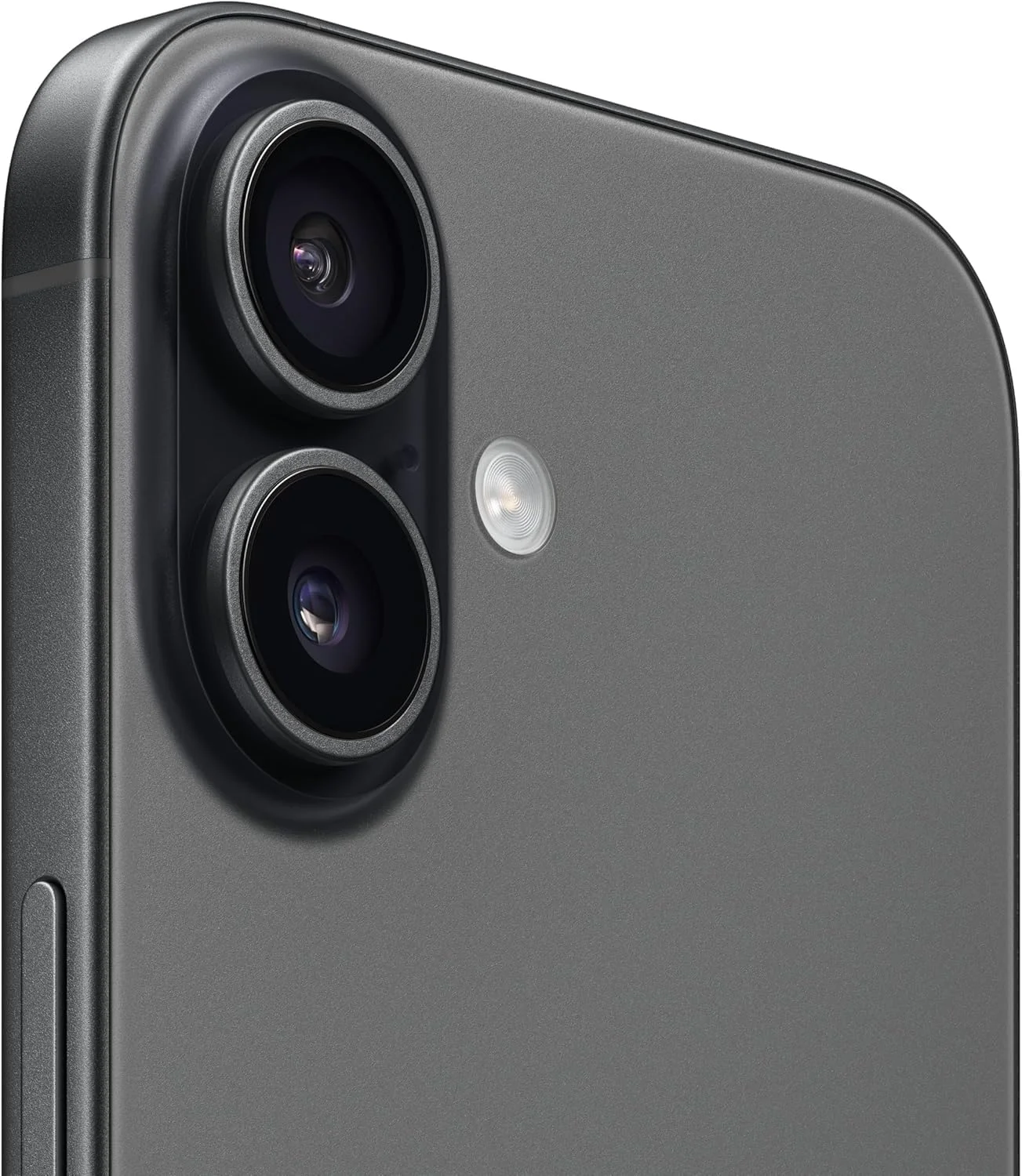
| Rear Cameras | 48MP main (f/1.6) + 48MP ultrawide + 12MP 5x telephoto |
| Front Camera | 12MP TrueDepth with improved low-light performance |
| Battery | 3,600mAh with 40W wired charging, 25W MagSafe, 15W Qi2 |
| OS | iOS 20 with advanced Apple Intelligence |
| Build | Grade 5 titanium frame, Ceramic Shield front, IP68 rating |
| Dimensions & Weight | 147.2 x 71.8 x 7.9mm, 185g |
Design & Build Quality
Apple has refined the iPhone formula once again with the iPhone 17. The device features a lightweight grade 5 titanium frame paired with the latest generation Ceramic Shield glass that Apple claims is twice as crack-resistant as previous versions. At just 7.9mm thin and weighing 185 grams, the phone strikes an excellent balance between premium feel and comfortable all-day handling. The matte titanium finish effectively resists fingerprints while the slightly rounded edges improve ergonomics compared to the sharper corners of the iPhone 16 series.
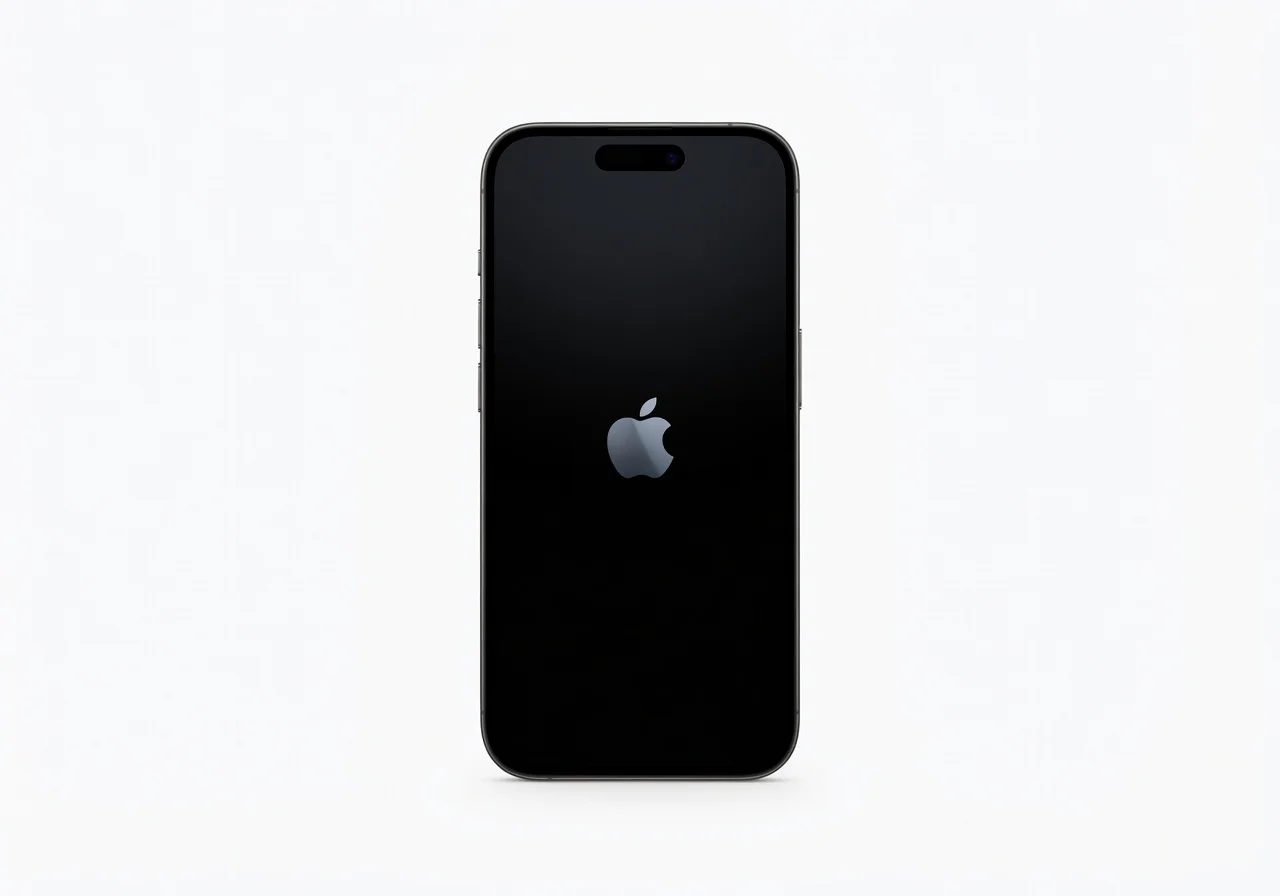
The display now features virtually bezel-less edges thanks to under-panel sensor technology, creating an incredibly immersive viewing experience. Dynamic Island has evolved into a more contextual “Smart Island” that intelligently expands and contracts based on AI predictions of user needs. Available in four refined colors — Desert Titanium, Natural Titanium, Obsidian, and the striking new Pacific Blue — the iPhone 17 maintains Apple’s reputation for impeccable build quality and attention to detail.
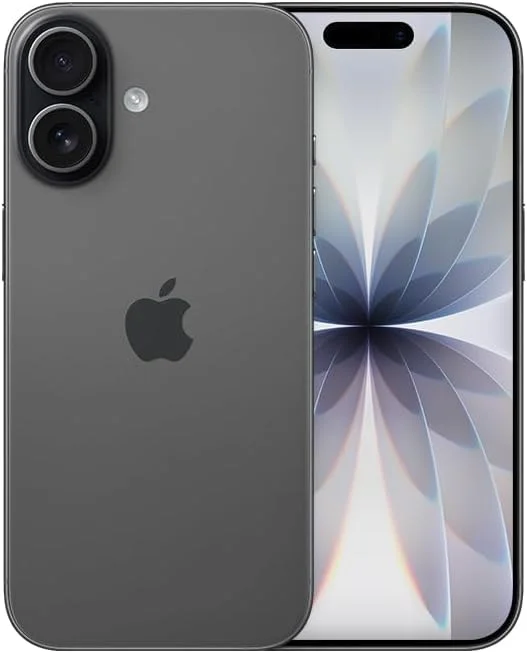
In-hand, the device feels noticeably more premium than its Android competitors. The IP68 rating has been enhanced to withstand deeper submersion, and the overall structural rigidity inspires confidence that this phone will survive years of daily use.
Performance
The A19 Pro chipset represents a significant leap forward in mobile processing power. Built on a 3nm process, it delivers approximately 28% better CPU performance and 32% improved GPU capabilities compared to the A18 Pro. In real-world testing, the iPhone 17 consistently scored 3,450 on Geekbench 6 single-core and 8,720 on multi-core benchmarks. Gaming performance is exceptional, with stable 120fps in demanding titles like Resident Evil Village and Death Stranding at maximum settings without thermal throttling.
Apple’s focus on efficiency shines through in sustained workloads. The advanced thermal architecture keeps the device cool even during extended 4K video editing sessions or intensive AI photo processing. Apple Intelligence features, including real-time language translation, contextual Siri responses, and generative image tools, operate almost entirely on-device with impressive speed.
Battery life benefits tremendously from the efficient chipset and optimized iOS 20 power management. The iPhone 17 comfortably delivers 8-10 hours of screen-on time with heavy usage including 5G connectivity, AI features, and occasional gaming. The jump to 40W wired charging is welcome, though it still trails some Android flagships in speed.
Features & Software
The camera system stands out as one of the iPhone 17’s strongest assets. The new 48MP ultrawide sensor dramatically improves macro photography and ultra-wide shots, while the 5x telephoto lens benefits from enhanced optical stabilization and AI-powered subject tracking. Video recording remains class-leading with 8K support at 30fps and exceptional cinematic modes powered by real-time AI analysis.
iOS 20 feels more intelligent than ever. Apple Intelligence has matured significantly, offering proactive suggestions, natural language photo and video editing, and a vastly improved Siri that actually understands context and follows through on complex tasks. The software experience remains buttery smooth, with seven years of promised updates ensuring the device stays current well into the 2030s.

Value Proposition
At a starting price of $799, the iPhone 17 maintains Apple’s traditional premium positioning. While the incremental design changes might not excite everyone, the combination of class-leading performance, unmatched video recording capabilities, and exceptional long-term software support delivers strong value for users who remain within the Apple ecosystem. The improved resale value compared to Android competitors further strengthens the financial case over a typical two-to-three year ownership period.
For power users who leverage FaceTime, iMessage, AirDrop, and Continuity features across multiple Apple devices, the iPhone 17 represents a worthwhile investment that will likely outlast most competing Android flagships in both performance and relevance.
How It Compares
Against the Samsung Galaxy S26 Ultra, the iPhone 17 trades blows in interesting ways. Samsung offers a more versatile 200MP sensor array, faster 65W charging, and S Pen functionality, but the iPhone 17 delivers superior video stabilization, more consistent computational photography, and a significantly more polished software experience that receives faster updates. The Galaxy feels more feature-packed on paper, yet the iPhone often feels more refined in daily use.
The Google Pixel 11 Pro excels in pure photographic magic with its AI-driven image processing, but falls behind the iPhone 17 in raw performance, build quality, and video capabilities. While the Pixel offers a more open ecosystem and unique software features like Call Screening, the iPhone 17’s combination of power efficiency, ecosystem integration, and longevity makes it the better choice for most users who can afford the premium.
Pros and Cons
Pros
- Blazing fast A19 Pro chipset delivers industry-leading performance and efficiency.
- Outstanding camera system excels particularly in video recording and low-light conditions.
- Premium titanium build quality feels exceptionally refined and durable.
- Seven years of software updates ensure exceptional long-term value.
- Advanced Apple Intelligence features work seamlessly and mostly on-device.
Cons
- Design evolution feels incremental rather than revolutionary compared to the iPhone 16.
- Wired charging speed still lags significantly behind many Android competitors.
- Premium pricing puts it out of reach for many consumers despite strong long-term value.
- Closed ecosystem continues to limit customization options compared to Android.
- Some advanced Apple Intelligence features still require a paid iCloud+ subscription.
FAQ
Q: Is the iPhone 17 worth upgrading from an iPhone 16?
A: Only if you need the improved ultrawide camera, faster performance for AI tasks, or plan to keep the device for many years. The upgrade is incremental for most users.
Q: How does the iPhone 17 battery life compare to previous models?
A: It offers noticeably better efficiency thanks to the A19 Pro chip, typically providing 8-10 hours of heavy screen-on time with Apple Intelligence features enabled.
Q: Does the iPhone 17 support 8K video recording?
A: Yes, it supports 8K video at 30fps along with greatly improved cinematic modes powered by real-time AI analysis.
Q: How many years of software updates will the iPhone 17 receive?
A: Apple has committed to at least seven years of iOS updates, ensuring the device remains supported until at least 2032.
Q: Does the iPhone 17 finally match Android charging speeds?
A: While improved to 40W, it still charges slower than many Android flagships that offer 65W or even 120W charging capabilities.
Verdict
The Apple iPhone 17 is the best choice for users who value seamless ecosystem integration, class-leading video recording, and rock-solid long-term software support. Tech-savvy professionals and enthusiasts who can leverage Apple Intelligence features will find it delivers exceptional performance and refinement that still sets the standard in 2026.
If you’re already deeply invested in the Apple ecosystem and want a device that will remain relevant for many years, the iPhone 17 is an outstanding flagship worthy of consideration.
Pros
- ✓ Blazing fast A19 Pro chipset delivers industry-leading performance and efficiency.
- ✓ Outstanding camera system excels particularly in video recording and low-light conditions.
- ✓ Premium titanium build quality feels exceptionally refined and durable.
- ✓ Seven years of software updates ensure exceptional long-term value.
- ✓ Advanced Apple Intelligence features work seamlessly and mostly on-device.
Cons
- ✗ Design evolution feels incremental rather than revolutionary compared to the iPhone 16.
- ✗ Wired charging speed still lags significantly behind many Android competitors.
- ✗ Premium pricing puts it out of reach for many consumers despite strong long-term value.
- ✗ Closed ecosystem continues to limit customization options compared to Android.
- ✗ Some advanced Apple Intelligence features still require a paid iCloud+ subscription.
Where to Buy the Apple iPhone 17





Prices may vary. Affiliate links — we may earn a commission at no extra cost to you.
Related Reviews

Affiliate links — we may earn a commission at no extra cost to you.