


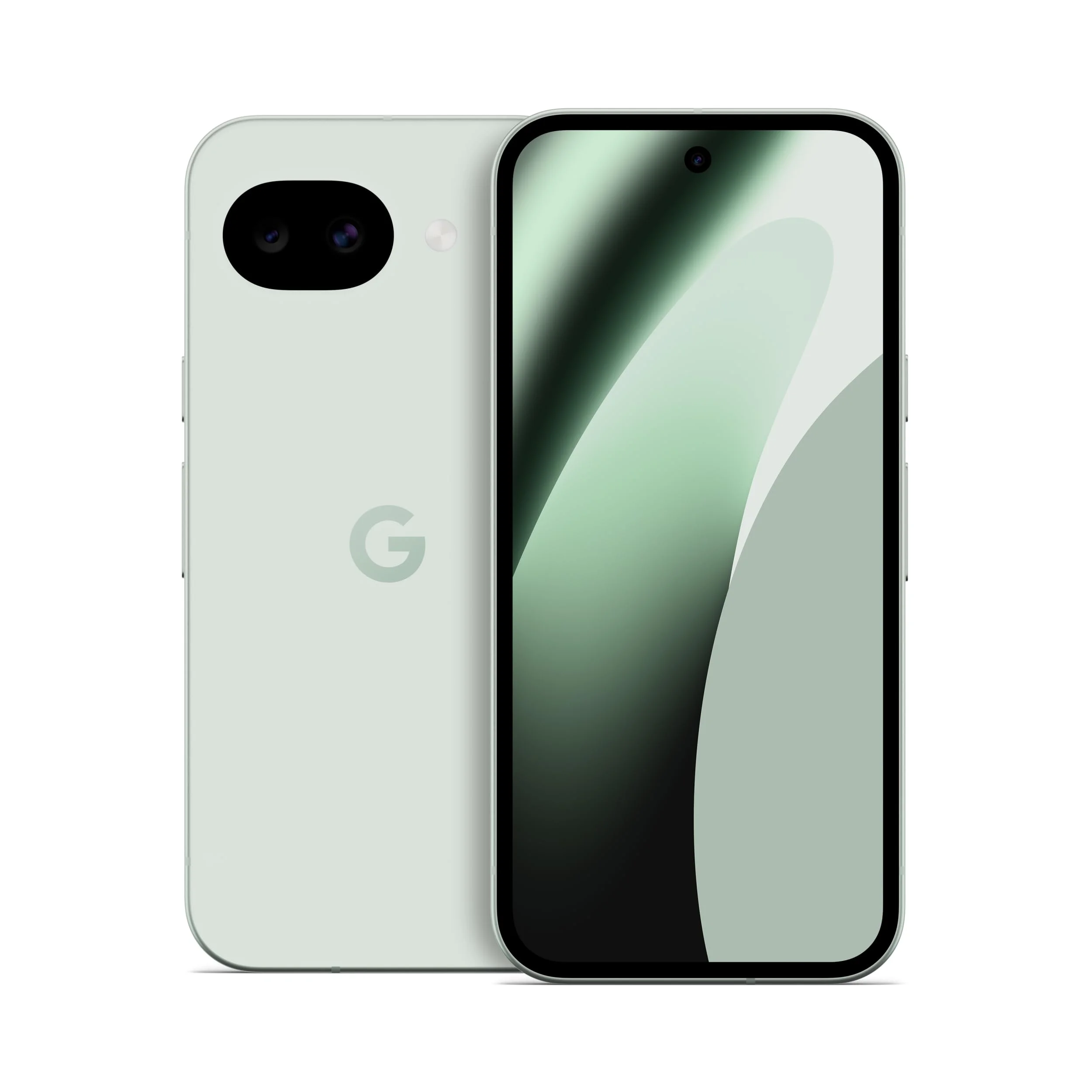
The Google Pixel 10a arrives in 2026 as Google’s most compelling mid-range phone yet, blending the Tensor G5 chipset with class-leading computational photography and seven years of promised software updates. This compact device delivers flagship-level AI features and image quality while maintaining an accessible price point that undercuts most competitors. Tech enthusiasts seeking pure Android, reliable performance, and exceptional cameras should pay close attention.
Table of Contents
Key Specifications
| Feature | Detail |
|---|---|
| Display | 6.1-inch OLED, 120Hz refresh rate, 1080×2400 resolution, 2000 nits peak brightness |
| Processor | Google Tensor G5 (4nm) |
| RAM / Storage | 8GB LPDDR5X / 128GB or 256GB UFS 3.1 (no microSD slot) |
| Rear Cameras | 50MP main (f/1.7, OIS) + 13MP ultrawide (f/2.2, 120°) |
| Front Camera | 13MP (f/2.2) |
| Battery | 4,900mAh with 27W wired charging, 15W wireless charging |
| OS | Android 16 at launch, 7 years of OS and security updates |
| Dimensions & Weight | 152.8 x 72.0 x 8.5mm, 180g |
| Other Features | IP67 rating, stereo speakers, under-display fingerprint sensor, eSIM, Gemini AI suite |
Design & Build Quality
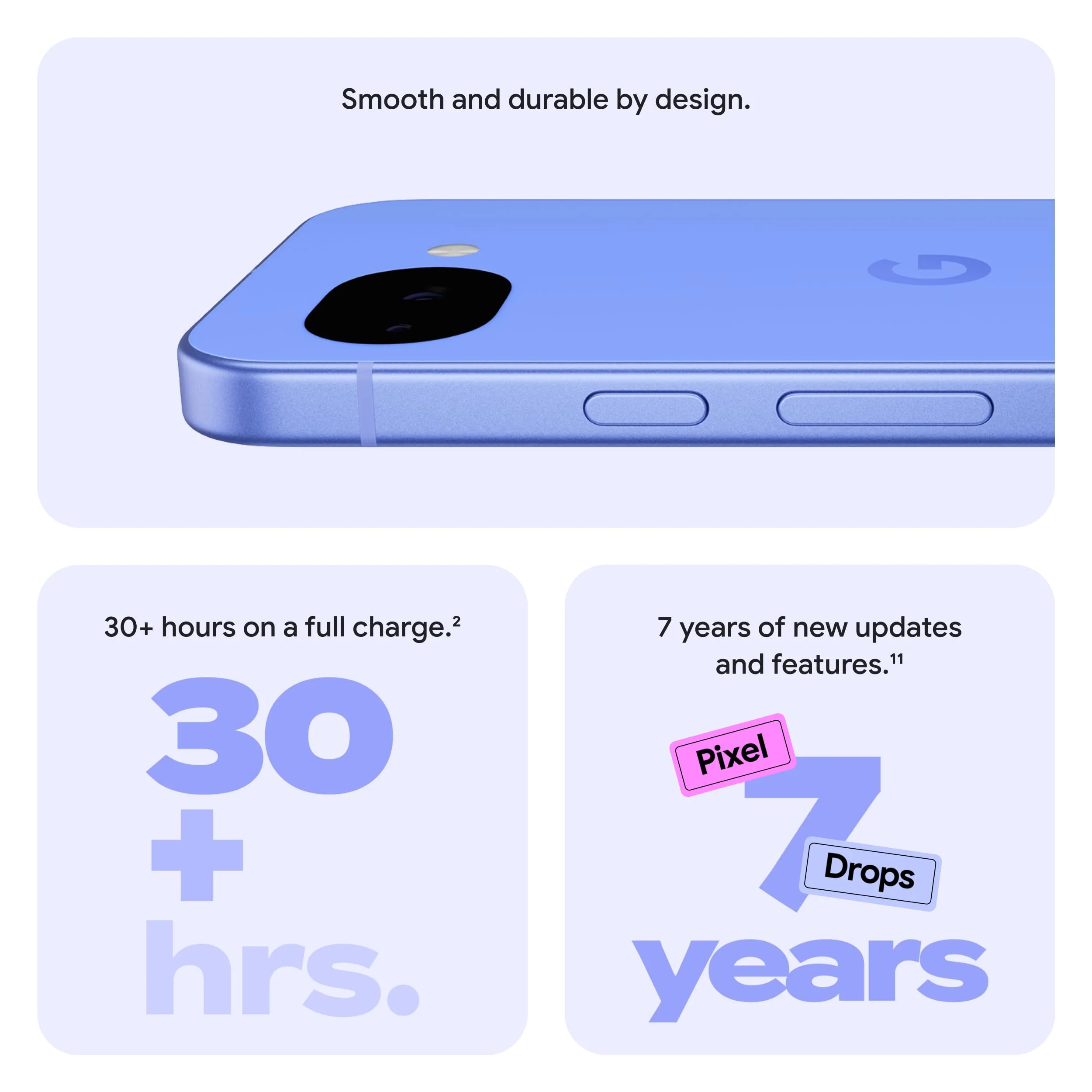
The Pixel 10a maintains Google’s signature minimalist aesthetic while introducing meaningful refinements for 2026. The flat-edged design feels modern yet comfortable in one hand, measuring just 8.5mm thick and weighing a manageable 180 grams. The matte plastic rear panel resists fingerprints exceptionally well and provides surprising grip, while the aluminum frame gives it a more premium feel than its price category suggests. The iconic camera bar has been slightly slimmed down, creating a cleaner silhouette that still announces its Pixel identity from across the room.
Build quality impresses for a mid-range device with an IP67 rating that protects against dust and temporary water immersion. The under-display optical fingerprint sensor is fast and reliable, though not quite as instantaneous as ultrasonic alternatives on pricier phones. Gorilla Glass 5 covers the display, which features slim symmetrical bezels that look appropriately contemporary in 2026. At 6.1 inches, this remains one of the few genuinely compact Android phones available, making it particularly appealing for users tired of oversized slabs.
Ergonomics are excellent thanks to the balanced weight distribution and textured power button that provides satisfying tactile feedback. The stereo speakers are surprisingly loud and clear for this price point, though they lack the depth of true flagship implementations. Overall, Google has created a device that feels considered rather than compromised.
Performance
The Tensor G5 represents a meaningful leap forward for Google’s in-house silicon, manufactured on a more efficient 4nm process that delivers both better sustained performance and improved thermal management compared to previous generations. In real-world usage, the Pixel 10a feels responsive and capable across everyday tasks, from rapid app switching to smooth multitasking with multiple AI features running simultaneously. The custom chip excels at on-device machine learning tasks, making features like real-time call screening, live translation, and Magic Editor feel instantaneous rather than cloud-dependent.
Benchmark numbers place the Tensor G5 comfortably in the upper mid-range category. It achieves approximately 1,850 points in Geekbench 6 single-core and 4,650 in multi-core tests, while GPU performance handles modern titles like Genshin Impact at 60fps on medium settings with occasional frame drops during extended sessions. The phone maintains respectable temperatures even during prolonged camera use or AI processing, a notable improvement over earlier Tensor generations that tended to throttle more aggressively.
Memory management proves excellent with 8GB of LPDDR5X RAM, keeping apps resident in memory for days. Storage speeds are quick enough for fast app installs and photo library navigation. While power users chasing absolute maximum gaming performance might look toward Snapdragon-equipped rivals, the Pixel 10a delivers more than enough speed for the vast majority of users while prioritizing efficiency and AI capabilities over raw benchmark dominance.
Features & Software
The Pixel 10a shines brightest in its software experience and camera capabilities. Running pure Android 16 with Google’s signature Material You theming, the interface feels clean, intuitive, and remarkably bloat-free. The seven-year update commitment ensures this phone will remain current and secure until 2033, dramatically extending its usable lifespan compared to most Android competitors. Gemini AI integration runs deeply throughout the system, offering contextual assistance, smart replies, and creative tools that genuinely enhance daily use rather than serving as marketing gimmicks.
The camera system remains the Pixel 10a’s strongest selling point. Despite using last-generation sensors, Google’s computational photography magic delivers results that frequently outperform hardware-heavy competitors. The 50MP main sensor captures stunning dynamic range, accurate colors, and natural bokeh, while Night Sight continues to set the benchmark for low-light performance in this price range. Video stabilization is excellent, and the ultrawide maintains strong consistency with the primary shooter.

Value Proposition
At its expected $499 price point, the Pixel 10a delivers exceptional value by focusing on what matters most to many users: photography, software longevity, and AI features. Rather than competing on specifications alone, Google has optimized the experience around computational excellence and long-term reliability. This approach creates a device that feels more premium in daily use than its hardware specifications might suggest, particularly when compared to competitors that prioritize faster charging or higher refresh rates at the expense of camera quality and update support.
The value equation becomes even more compelling when considering the total cost of ownership. With seven years of updates, users won’t feel pressured to upgrade every two to three years, potentially saving hundreds of dollars over the device’s lifetime. The combination of wireless charging, IP67 protection, and flagship-grade cameras at this price creates a compelling proposition that forces competitors to either match Google’s software commitment or offer significantly more compelling hardware to justify their positioning.
How It Compares
Against the Samsung Galaxy A56, the Pixel 10a offers superior camera processing and a cleaner, more refined software experience with two additional years of OS updates. While the Galaxy A56 provides faster 45W charging and a slightly brighter display, the Pixel’s computational photography and AI features deliver more consistent real-world satisfaction for most users. The Samsung does edge ahead in gaming performance thanks to its Exynos chipset, but the Pixel feels more polished for photography-focused users.

The Nothing Phone (3a) presents an interesting alternative with its unique Glyph interface and more aggressive pricing, but it lacks the Pixel’s camera prowess and long-term software support. Google’s deep integration with its services and superior AI implementation give the Pixel 10a a clear advantage for users invested in the Google ecosystem.
Pros and Cons
Pros
- Exceptional computational photography that outperforms many flagships in real-world scenarios.
- Seven years of software updates provide unmatched long-term value and security.
- Compact 6.1-inch form factor remains comfortable for one-handed use.
- Tensor G5 delivers excellent AI performance with improved thermal management.
- Clean Android 16 experience with thoughtful Gemini AI integrations.
Cons
- 27W charging speed lags significantly behind competitors offering 45W or faster.
- Tensor G5 still trails flagship Snapdragon chips in raw gaming performance and benchmarks.
- Plastic construction, while practical, may disappoint users seeking a glass-backed premium feel.
- No telephoto lens limits optical zoom capabilities compared to some rivals.
- Battery life can dip noticeably when using multiple AI features simultaneously.
FAQ
Q: How many years of software updates does the Google Pixel 10a receive?
A: Google has committed to seven years of both feature updates and security patches, keeping the device supported until 2033.
Q: Does the Pixel 10a support wireless charging?
A: Yes, it supports 15W wireless charging along with the 27W wired charging capability.
Q: Is the Pixel 10a good for gaming?
A: The device handles most games well at medium settings but isn’t optimized for high-end gaming like phones with flagship Snapdragon processors.
Q: How does the Pixel 10a camera compare to flagship Pixels?
A: While hardware is slightly older, the computational photography is remarkably close to the Pixel 10 Pro in most conditions, particularly in daylight and night photography.
Q: Does the Pixel 10a have a headphone jack?
A: No, it follows the industry trend of removing the 3.5mm port in favor of USB-C audio and wireless options.
Verdict
The Google Pixel 10a is the clear choice for photographers, Android purists, and anyone who values long-term software support over bleeding-edge specifications. It excels as an everyday companion that consistently delivers excellent photos, smooth performance for daily tasks, and thoughtful AI features that enhance rather than complicate the user experience.
While it makes some compromises in charging speed and gaming performance, these feel minor compared to its strengths in the areas that matter most for its target audience. In 2026, the Pixel 10a sets the standard for what a mid-range smartphone should be.
Pros
- ✓ Exceptional computational photography that outperforms many flagships in real-world scenarios.
- ✓ Seven years of software updates provide unmatched long-term value and security.
- ✓ Compact 6.1-inch form factor remains comfortable for one-handed use.
- ✓ Tensor G5 delivers excellent AI performance with improved thermal management.
- ✓ Clean Android 16 experience with thoughtful Gemini AI integrations.
Cons
- ✗ 27W charging speed lags significantly behind competitors offering 45W or faster.
- ✗ Tensor G5 still trails flagship Snapdragon chips in raw gaming performance and benchmarks.
- ✗ Plastic construction, while practical, may disappoint users seeking a glass-backed premium feel.
- ✗ No telephoto lens limits optical zoom capabilities compared to some rivals.
- ✗ Battery life can dip noticeably when using multiple AI features simultaneously.
Where to Buy the Google Pixel 10a





Prices may vary. Affiliate links — we may earn a commission at no extra cost to you.
Related Reviews

Affiliate links — we may earn a commission at no extra cost to you.