





The Google Pixel 10 Pro sets a new standard for AI-powered smartphones in 2026 with its advanced Tensor G5 processor and groundbreaking camera system. Offering pure Android 17 and seven years of software support, it delivers an exceptional user experience that tech enthusiasts will love. Our detailed review explores whether this flagship truly lives up to the hype.
Table of Contents
Key Specifications
| Feature | Detail |
|---|---|
| Display | 6.8-inch LTPO OLED, 1-120Hz, 1440×3200, 3000 nits peak |
| Processor | Google Tensor G5 (3nm) |
| RAM / Storage | 16GB LPDDR5X / 128GB to 1TB UFS 4.0 |
| Rear Cameras | 50MP main (f/1.68, OIS) + 48MP ultrawide + 48MP 5x periscope |
| Front Camera | 42MP with autofocus |
| Battery | 5000mAh, 45W wired, 23W wireless, 5W reverse wireless |
| OS | Android 17 with 7 years of updates |
| Build | Titanium frame, Gorilla Glass Armor, IP68, 198g |
| Other | Ultrasonic fingerprint, Wi-Fi 7, Bluetooth 5.4, UWB |
| Starting Price | $1099 |
Design & Build Quality
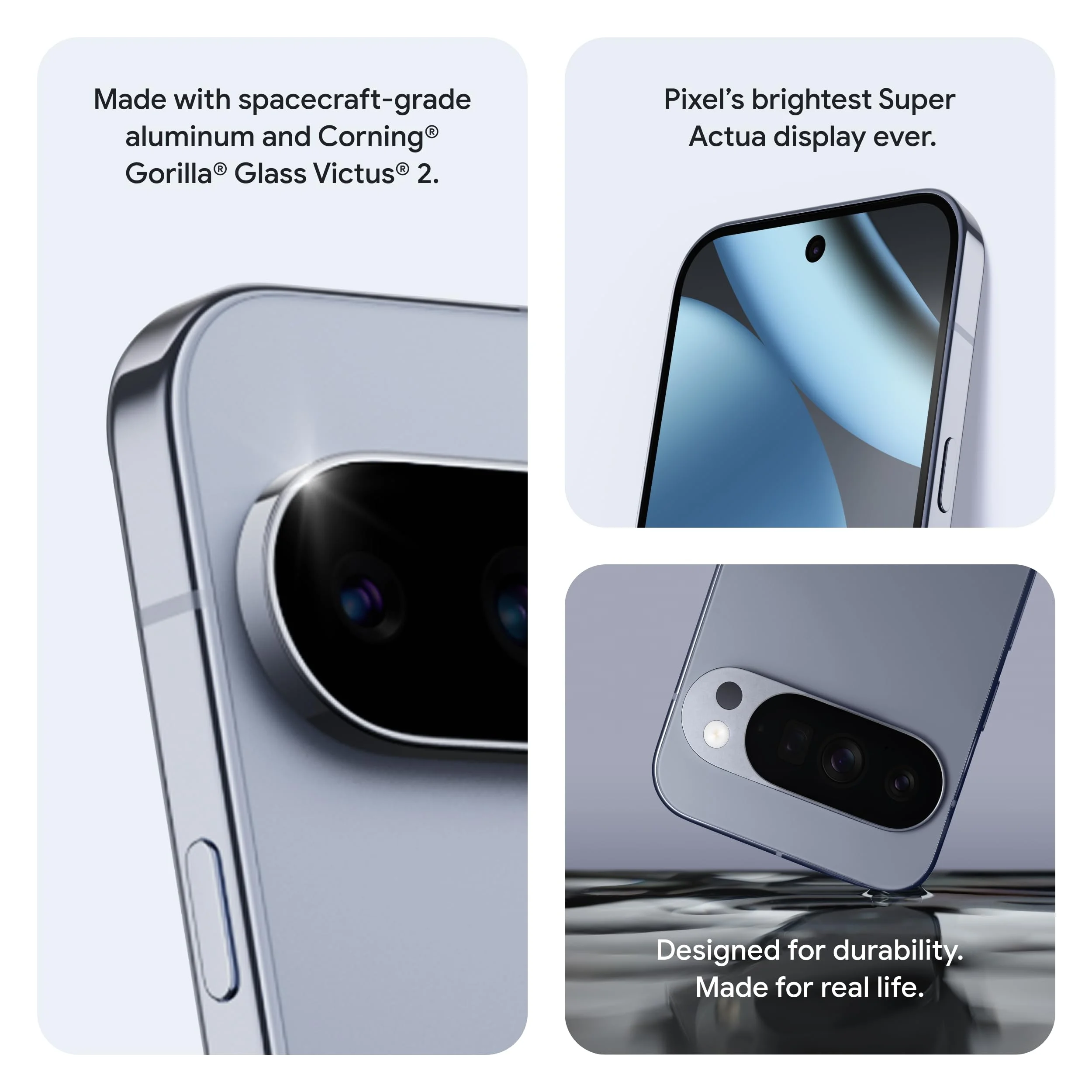
The Google Pixel 10 Pro continues the brand’s signature design language while elevating materials and craftsmanship. It features a polished titanium frame paired with a matte glass back that resists fingerprints exceptionally well. The iconic camera visor has been refined with a more seamless integration into the chassis, creating a distinctive look that immediately identifies it as a Pixel. At 198 grams and 8.4mm thick, the phone strikes an excellent balance between premium feel and one-handed usability despite its generous 6.8-inch display. The flat sides with subtly rounded corners provide confident grip, while the new Bay Blue finish offers a refreshing alternative to the usual black and white colorways.
Durability credentials are class-leading. The front is protected by the latest Gorilla Glass Armor with improved scratch resistance and anti-reflective properties that make the display remarkably easy to view outdoors. An IP68 rating ensures survival against dust and water, and Google has reinforced the internal structure to better withstand drops. The ultrasonic in-display fingerprint sensor is fast and reliable even with slightly damp fingers, addressing a common complaint from previous generations.
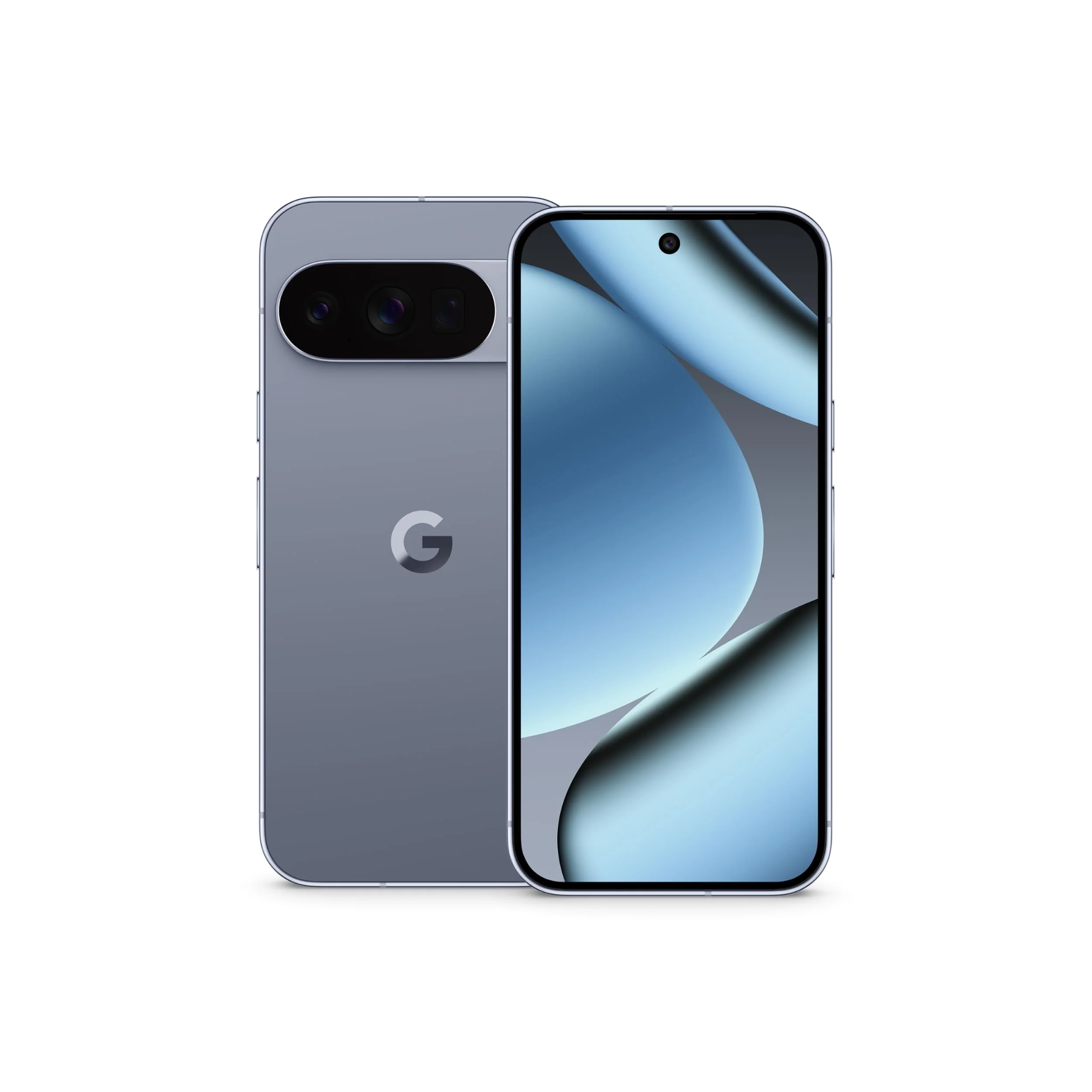
Ergonomics have clearly been a priority. The weight distribution feels natural during extended use, and the power and volume buttons are perfectly positioned for thumb reach. While the large camera bar does create some rear protrusion when placed on a flat surface, the supplied case (sold separately) mitigates this effectively. Overall, the Pixel 10 Pro feels like a thoroughly considered device rather than a spec-sheet exercise.
Performance
The Tensor G5 represents Google’s most significant silicon advancement yet. Built on a 3nm process, it delivers snappy real-world performance that feels more consistent than the Tensor G4. Day-to-day tasks—app switching, web browsing, and social media—happen instantaneously with no perceptible lag. Where the chipset truly shines is in on-device AI processing. Features like real-time language translation, generative image editing, and the new Audio Magic Eraser operate with remarkable speed, often completing complex tasks entirely on the device rather than relying on cloud processing.
Benchmark numbers place the Pixel 10 Pro in the upper tier but not at the absolute peak. It scores approximately 4,850 on Geekbench 6 single-core and 14,800 multi-core, with AnTuTu results hovering around 1.35 million. Gaming performance has improved considerably thanks to better thermal management, yet sustained frame rates in demanding titles like Genshin Impact still fall behind the latest Snapdragon and Apple silicon after 20-30 minutes of play. The vapor chamber cooling solution does an admirable job preventing excessive throttling, keeping surface temperatures comfortable during normal use.

Battery efficiency benefits from the new process node and Google’s software optimizations. The 5000mAh cell comfortably delivers 7-8 hours of screen-on time with heavy usage including photography, navigation, and AI features. The 45W wired charging is adequate but not class-leading, reaching 50% in approximately 28 minutes. Wireless charging speeds have also seen modest improvement. For users who prioritize consistent daily performance and exceptional AI capabilities over raw gaming power, the Tensor G5 delivers a compelling experience.
Features & Software
The Pixel 10 Pro’s standout feature remains its cameras, now elevated by even more sophisticated computational photography and on-device AI. The triple 50MP/48MP/48MP array produces consistently excellent results across all focal lengths, with the 5x periscope telephoto particularly impressive in challenging lighting. New AI tools like Video Boost with real-time stabilization and the enhanced Magic Editor allow for creative possibilities that competitors simply cannot match.
Running Android 17, the software experience is the cleanest and most refined in the Android ecosystem. Google promises seven years of OS and security updates, ensuring the device remains current until 2033. The integration of Gemini Nano and the new “Pixel Studio” features create a genuinely useful AI companion that enhances rather than complicates daily use. Call Screen, Live Translate, and Now Playing continue to work flawlessly, while new context-aware suggestions feel genuinely intelligent rather than gimmicky.
Value Proposition
At $1099, the Pixel 10 Pro occupies the same premium territory as its strongest competitors while offering a distinctly different value proposition. Where Samsung loads its devices with every possible feature and Apple relies on ecosystem lock-in, Google focuses on camera excellence, AI innovation, and software purity. The seven-year update commitment significantly strengthens its long-term value compared to most Android rivals.
For users who primarily value photography, clean software, and intelligent features over raw benchmark numbers, the Pixel 10 Pro represents excellent value. The inclusion of advanced AI capabilities that actually improve daily life rather than serving as marketing bullet points helps justify the premium pricing. However, those seeking maximum gaming performance or the absolute latest display technology may find better value in competing flagships.
How It Compares
Against the Samsung Galaxy S26 Ultra, the Pixel 10 Pro offers superior point-and-shoot photography and a cleaner software experience without the bloat. However, Samsung counters with S Pen functionality, higher zoom capabilities (up to 100x), and a more powerful chipset for gaming. The S26 Ultra’s display also reaches higher peak brightness, though the Pixel’s anti-reflective coating often makes it more usable in direct sunlight.

Compared to the iPhone 18 Pro, the Pixel delivers more versatile zoom photography and superior low-light performance. The iPhone maintains advantages in video recording consistency and ecosystem integration. iOS users will appreciate the iPhone’s more powerful silicon for gaming and future-proofing, while Android enthusiasts will prefer the Pixel’s customization options and AI features that feel more integrated into daily workflows.
Pros and Cons
Pros
- Class-leading camera system with groundbreaking AI editing tools that deliver consistently excellent results.
- Purest Android experience available with seven years of promised updates and exceptionally smooth performance.
- Impressive on-device AI capabilities that work quickly and reliably without constant cloud dependency.
- Beautiful display with anti-reflective coating that performs remarkably well in bright outdoor conditions.
- Refined design with premium materials and excellent ergonomics for a phone of its size.
Cons
- Tensor G5 still cannot match the raw gaming performance and sustained frame rates of Snapdragon-powered competitors.
- Charging speeds lag behind the fastest Android flagships, with no charger included in the box.
- Premium pricing puts it in direct competition with devices that offer more raw power or specialized features like an S Pen.
- The large camera visor, while iconic, creates wobble when the phone is placed on flat surfaces.
- Occasional thermal throttling during extended gaming sessions despite improved cooling.
FAQ
Q: Does the Google Pixel 10 Pro come with a charger?
A: No, the box contains only the phone, a USB-C cable, and documentation. You’ll need to purchase a 45W USB-PD charger separately for optimal charging speeds.
Q: How many years of software updates does the Pixel 10 Pro receive?
A: Google has committed to seven years of Android OS upgrades and security patches, keeping the device supported until 2033.
Q: Is the Pixel 10 Pro good for gaming?
A: It handles most games well but experiences more thermal throttling and lower sustained frame rates compared to phones using the latest Snapdragon or Apple silicon.
Q: How does the Pixel 10 Pro camera compare to the iPhone 18 Pro?
A: The Pixel generally delivers better computational photography, dynamic range, and low-light performance, while the iPhone offers more consistent video recording.
Q: Does the Pixel 10 Pro support wireless charging?
A: Yes, it supports 23W wireless charging and 5W reverse wireless charging for compatible accessories.
Verdict
The Google Pixel 10 Pro is the ideal choice for photography enthusiasts, AI early adopters, and users who simply want the cleanest, most refined Android experience available. Its combination of exceptional cameras, intelligent software features, and long-term support makes it one of the most compelling flagships of 2026 despite not leading in raw performance benchmarks.
While gamers and power users chasing maximum specs might look elsewhere, those who value real-world usability and creative tools will find the Pixel 10 Pro hard to beat. It perfectly embodies Google’s vision of what a smartphone should be.
Pros
- ✓ Class-leading camera system with groundbreaking AI editing tools that deliver consistently excellent results.
- ✓ Purest Android experience available with seven years of promised updates and exceptionally smooth performance.
- ✓ Impressive on-device AI capabilities that work quickly and reliably without constant cloud dependency.
- ✓ Beautiful display with anti-reflective coating that performs remarkably well in bright outdoor conditions.
- ✓ Refined design with premium materials and excellent ergonomics for a phone of its size.
Cons
- ✗ Tensor G5 still cannot match the raw gaming performance and sustained frame rates of Snapdragon-powered competitors.
- ✗ Charging speeds lag behind the fastest Android flagships, with no charger included in the box.
- ✗ Premium pricing puts it in direct competition with devices that offer more raw power or specialized features like an S Pen.
- ✗ The large camera visor, while iconic, creates wobble when the phone is placed on flat surfaces.
- ✗ Occasional thermal throttling during extended gaming sessions despite improved cooling.
Where to Buy the Google Pixel 10 Pro





Prices may vary. Affiliate links — we may earn a commission at no extra cost to you.
Related Reviews

Affiliate links — we may earn a commission at no extra cost to you.