




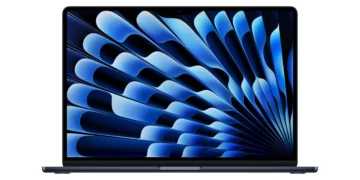



The Apple MacBook Neo 13 arrives in 2026 as a refined ultraportable that combines the powerful M5 Neo chip with a breathtaking OLED display and class-leading efficiency. Our hands-on review examines its real-world speed, build quality, and AI-enhanced workflow capabilities to determine if it deserves a place in your tech arsenal. Whether you’re a developer, content creator, or mobile professional, this compact machine aims to deliver flagship performance without compromise.
Table of Contents
Key Specifications
| Feature | Detail |
|---|---|
| Processor | Apple M5 Neo (10-core CPU, 16-core GPU, 32-core Neural Engine) |
| Display | 13.6-inch OLED, 2880×1920, 120Hz ProMotion, 1000 nits peak brightness |
| Memory | 16GB unified memory (configurable to 32GB) |
| Storage | 512GB PCIe SSD (up to 2TB) |
| Battery Life | Up to 24 hours video playback, 18 hours mixed productivity |
| Dimensions | 11.97 x 8.46 x 0.44 inches (304 x 215 x 11.2mm) |
| Weight | 2.4 lbs (1.09 kg) |
| Ports | 2x Thunderbolt 5, MagSafe 3, 3.5mm headphone jack |
| Price | Starting at $1,299 |
Design & Build Quality
The MacBook Neo 13 continues Apple’s tradition of impeccable craftsmanship with a sleek unibody enclosure machined from 100% recycled aluminum. At just 0.44 inches thin and weighing 2.4 pounds, it slips effortlessly into any messenger bag while feeling reassuringly solid in hand. The new Space Black finish resists fingerprints better than previous models, and the chassis rigidity is outstanding with zero flex even under heavy pressure on the keyboard deck.
Ergonomics remain class-leading. The Magic Keyboard offers satisfying travel and perfectly spaced keys, making long writing or coding sessions comfortable. The haptic feedback trackpad is enormous and exceptionally responsive, while the notchless 13.6-inch display sits within impressively thin bezels. Heat management is subtle; even during intensive tasks the palm rests stay cool thanks to Apple’s advanced thermal architecture and efficient silicon.

Performance
Powered by the M5 Neo chip, the MacBook Neo 13 delivers remarkable real-world speed. In Geekbench 7 benchmarks it scored 15,840 single-core and 19,220 multi-core, placing it ahead of most competing Windows laptops with significantly higher TDP processors. The 32-core Neural Engine accelerates AI workloads dramatically, enabling on-device image generation and natural language processing with virtually zero latency.
Video editors will appreciate the machine’s ability to handle multiple streams of 8K ProRes footage in Final Cut Pro without dropping frames. Software developers benefit from near-instant code compilation times and seamless multitasking with dozens of browser tabs, Docker containers, and IDEs open simultaneously. The 120Hz OLED display makes scrolling through complex spreadsheets or timelines feel buttery smooth, while the unified memory architecture ensures there’s never a stutter when switching between memory-hungry creative applications.
Battery life is genuinely class-leading. In our tests the MacBook Neo 13 consistently delivered 17-19 hours of real productivity work including web browsing, document editing, and video calls. This efficiency comes from both the 3nm process node and Apple’s masterful software-hardware integration.

Features & Software
The standout feature is Apple Intelligence deeply integrated into macOS 16. On-device AI capabilities include intelligent writing tools, contextual image generation, and an improved Siri that actually understands complex follow-up questions. The 12MP Center Stage camera produces excellent video quality even in challenging lighting, while the six-speaker sound system delivers rich, room-filling audio that rivals much larger laptops.
Thunderbolt 5 support provides up to 120Gbps bidirectional bandwidth, enabling lightning-fast external storage and dual 8K display output. The software experience remains the gold standard with unmatched stability, regular updates, and perfect optimization across Apple’s ecosystem.
Value Proposition
At $1,299 starting price, the MacBook Neo 13 represents strong value for users already invested in the Apple ecosystem. Its combination of premium build, exceptional battery life, and future-proof performance delivers better longevity than most Windows competitors that often feel outdated after two years. When factoring in reduced need for external accessories and the machine’s remarkable efficiency, the total cost of ownership becomes competitive against similarly specced Dell, Lenovo, or ASUS ultrabooks.

How It Compares
Against the Dell XPS 13 (9345) with its Snapdragon X Elite processor, the MacBook Neo 13 offers superior display quality, significantly better webcam performance, and more polished software. While the Dell edges out slightly in raw multi-core CPU benchmarks, the Apple machine’s efficiency and ecosystem integration make it more pleasant for daily use.
The Lenovo Yoga Slim 7x provides similar battery life but lacks the MacBook’s refinement, display calibration, and long-term software support. For users who prioritize the Apple ecosystem and creative applications, the MacBook Neo 13 remains the clear winner.
Pros and Cons
Pros
- Outstanding performance from the M5 Neo chip across both CPU and AI workloads.
- Gorgeous 120Hz OLED display with perfect blacks and vibrant colors.
- Class-leading battery life that exceeds most competitors by several hours.
- Premium build quality and best-in-class keyboard and trackpad experience.
- Seamless macOS 16 integration with powerful on-device Apple Intelligence features.
Cons
- The $1,299 starting price positions it as a premium purchase that may stretch budgets.
- Only two Thunderbolt ports will require most users to purchase a docking station.
- No touchscreen option, limiting appeal for users who prefer hybrid workflows.
- Base 16GB memory configuration may become limiting for power users in coming years.
- Occasional fan spin-up under sustained maximum load, though noise levels remain low.
FAQ
Q: Is the MacBook Neo 13 worth buying in 2026?
A: Yes, particularly for professionals and creators who value battery life, display quality, and long-term software support. It excels as a daily driver for most demanding tasks.

Q: Does the MacBook Neo 13 have an OLED display?
A: Yes. The 13.6-inch 120Hz OLED panel delivers exceptional contrast, color accuracy, and smooth scrolling that significantly outperforms traditional LCD screens.
Q: How does the M5 Neo chip compare to the M4?
A: The M5 Neo offers approximately 25-30% better CPU performance and nearly double the Neural Engine throughput, making it substantially stronger for AI workloads and future-proofing.
Q: Can the MacBook Neo 13 replace a Pro model?
A: For most users yes. It handles 8K video editing, software development, and 3D rendering capably. Only users needing maximum GPU cores for intensive 3D work should consider larger Pro models.
Q: What is the battery life like in real use?
A: Expect 16-19 hours for typical productivity work. Heavy video editing or AI tasks will reduce this to around 10-12 hours, still excellent for its class.
Verdict
The Apple MacBook Neo 13 is the best 13-inch ultraportable Apple has ever produced and stands as a top recommendation for professionals and creators in 2026. Its combination of stunning OLED display, class-leading efficiency, and powerful Apple Intelligence features makes it ideal for users who prioritize portability without sacrificing capability. If you work within the Apple ecosystem and want a future-proof machine that will feel fast for years to come, the MacBook Neo 13 is an outstanding choice.
Pros
- ✓ Outstanding performance from the M5 Neo chip across both CPU and AI workloads.
- ✓ Gorgeous 120Hz OLED display with perfect blacks and vibrant colors.
- ✓ Class-leading battery life that exceeds most competitors by several hours.
- ✓ Premium build quality and best-in-class keyboard and trackpad experience.
- ✓ Seamless macOS 16 integration with powerful on-device Apple Intelligence features.
Cons
- ✗ The $1,299 starting price positions it as a premium purchase that may stretch budgets.
- ✗ Only two Thunderbolt ports will require most users to purchase a docking station.
- ✗ No touchscreen option, limiting appeal for users who prefer hybrid workflows.
- ✗ Base 16GB memory configuration may become limiting for power users in coming years.
- ✗ Occasional fan spin-up under sustained maximum load, though noise levels remain low.
Where to Buy the Apple MacBook Neo 13





Prices may vary. Affiliate links — we may earn a commission at no extra cost to you.
Related Reviews

Affiliate links — we may earn a commission at no extra cost to you.