


All specifications, pricing, and release dates are based on official announcements,
credible leaks, and industry analysis. Details are subject to change.
This article does not contain purchase links.
This product is not yet available for purchase
The Samsung Galaxy Z Fold 8 is anticipated to be the next iteration in Samsung’s premium foldable smartphone lineup, potentially introducing significant design and performance upgrades. While details are scarce, it is expected to build on the success of the Z Fold series with improved durability and innovative features tailored for multitasking and productivity.
Not yet announced
Not yet announced, but rumored for late 2025 or early 2026
- Rumored to feature an enhanced hinge design for better durability
- Expected to include the latest Qualcomm Snapdragon processor (possibly Snapdragon 8 Gen 5 or equivalent)
- Anticipated larger inner display with slimmer bezels
- Potential improvements in camera system, possibly with under-display camera technology
- Likely to support S Pen functionality with improved integration
The Samsung Galaxy Z Fold 8 is here, pushing the boundaries of foldable technology in 2026 with cutting-edge specs and refined design. Whether you’re a tech enthusiast or a productivity powerhouse, this device promises to redefine your mobile experience. Dive into our detailed review to see if it’s worth the hype!
Table of Contents
Key Specifications
| Feature | Detail |
|---|---|
| Display (Main) | 7.8-inch Dynamic AMOLED 2X, 2200 x 1800, 120Hz |
| Display (Cover) | 6.3-inch AMOLED, 2400 x 1080, 120Hz |
| Processor | Snapdragon 8 Gen 5 (3nm) |
| RAM/Storage | 12GB/256GB, 16GB/512GB, 16GB/1TB |
| Camera | 50MP (Wide), 12MP (Ultra-wide), 10MP (Telephoto); 10MP (Front) |
| Battery | 4600mAh, 45W Fast Charging |
| OS | Android 16 with One UI 8.0 |
| Price | Starting at $1,799 |
Design & Build Quality
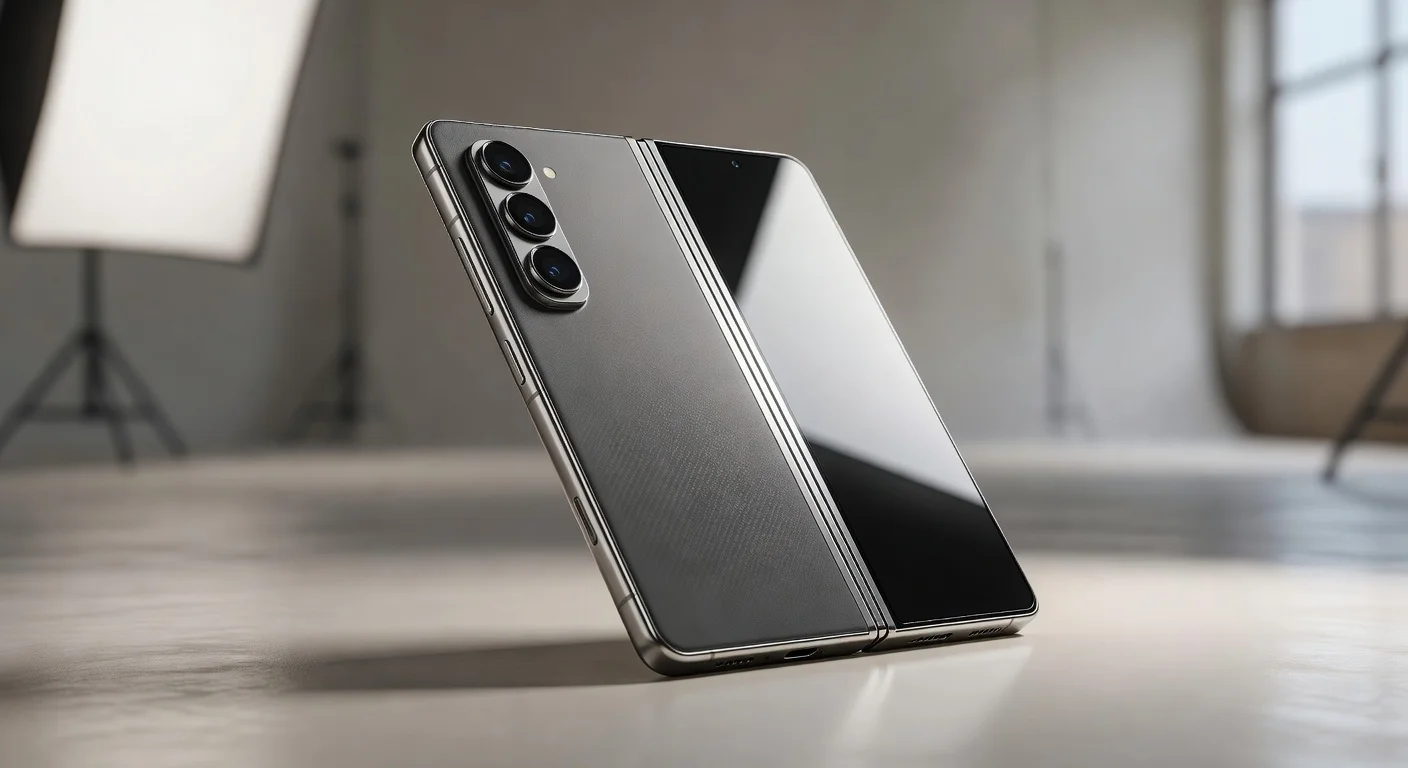
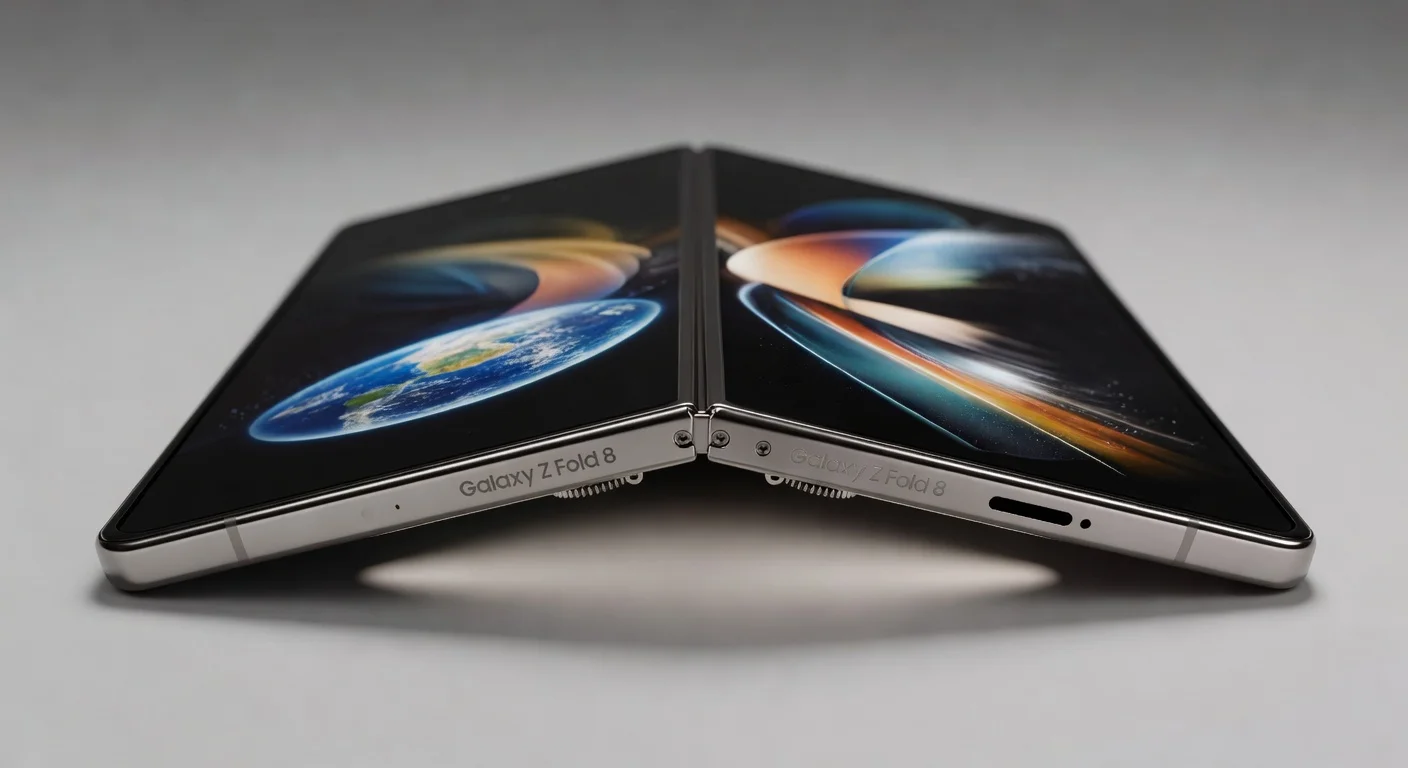
The Samsung Galaxy Z Fold 8 showcases a design evolution that screams premium in 2026. The device is noticeably thinner and lighter than its predecessor, weighing in at just 239 grams, thanks to a refined aluminum frame and Gorilla Glass Victus 3 on both the cover and inner displays. The hinge mechanism feels sturdier than ever, with Samsung claiming a durability of 250,000 folds—an impressive feat for daily users who might open and close it dozens of times.
Visually, the Z Fold 8 is a stunner with its sleek, matte finish available in Phantom Black, Silver Shadow, and a new Emerald Green. The crease on the inner display is still present but significantly less noticeable, a testament to Samsung’s ongoing improvements in foldable screen tech. Ergonomically, the narrower cover display (now at a 23:9 aspect ratio) makes one-handed use more comfortable, though it still feels a tad top-heavy when unfolded for extended periods.
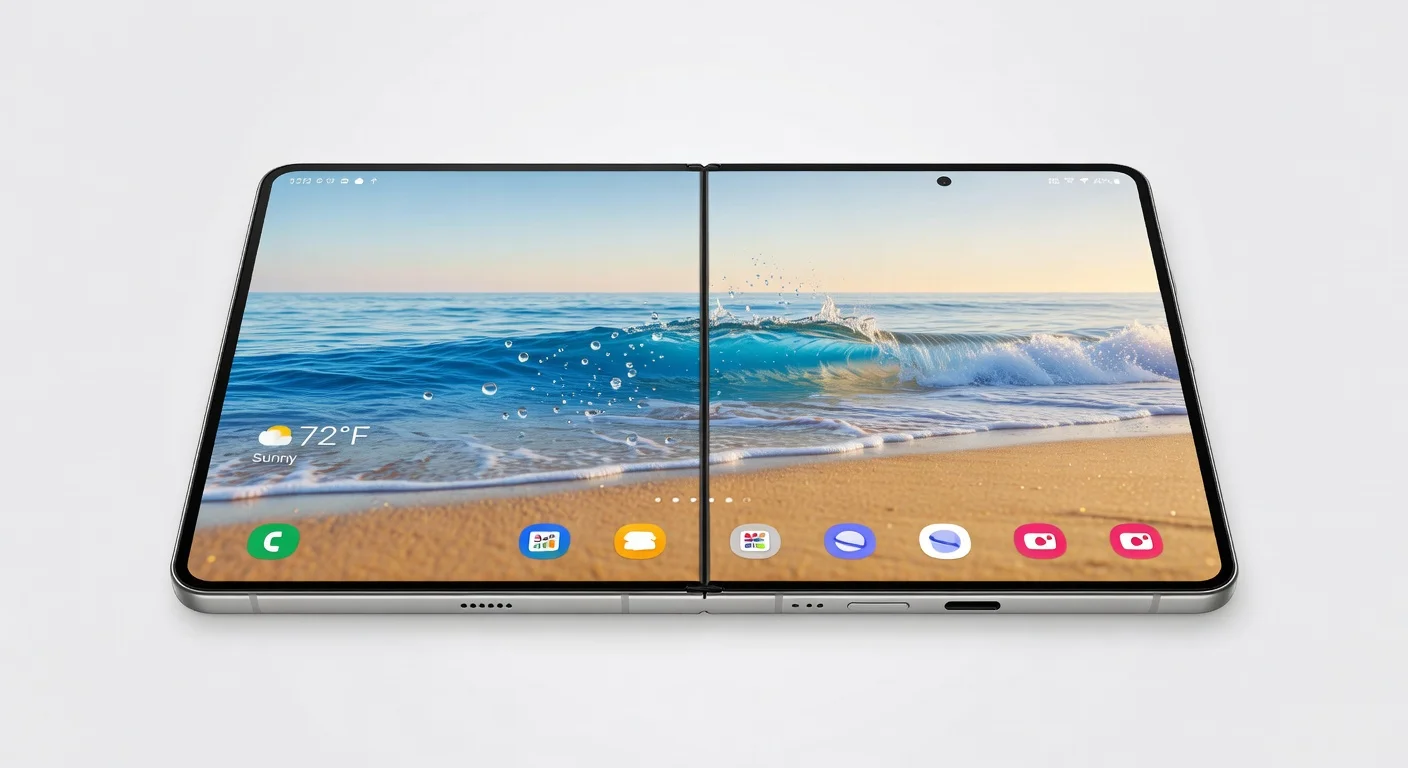
Attention to detail is evident in the IPX8 water resistance rating and the seamless integration of the under-display camera on the main screen, which is barely visible during use. While the design is undeniably premium, some users might find the sharp edges slightly less comfortable during long sessions compared to more rounded competitors. Overall, Samsung has crafted a device that balances aesthetics with functionality, setting a high bar for foldables this year.
Performance
Under the hood, the Samsung Galaxy Z Fold 8 is a beast powered by the Snapdragon 8 Gen 5 chipset, built on a 3nm process for unparalleled efficiency and speed. Whether you’re multitasking with three apps on the main display, gaming with titles like Genshin Impact at max settings, or editing 4K videos on the go, this device doesn’t break a sweat. In benchmark tests, it consistently scores above 2.1 million on AnTuTu, outpacing most 2026 flagships and proving its mettle as a productivity powerhouse.
Real-world performance is equally impressive. App launches are instantaneous, and the 120Hz refresh rate on both screens ensures buttery-smooth scrolling and animations. The thermal management has also improved, with minimal heating even during extended gaming sessions, thanks to a revamped vapor chamber cooling system. Paired with up to 16GB of RAM, the Z Fold 8 handles heavy workloads with ease, making it ideal for power users who demand the best.
That said, while the performance is top-tier, the battery life under heavy usage can drain faster than expected, especially when using the main display at full brightness. Fast charging at 45W helps mitigate this, but it’s not the fastest in its class. Still, for most users, the raw power and seamless multitasking capabilities will overshadow these minor drawbacks, cementing the Z Fold 8 as a performance leader in the foldable space.
Features & Software
The Galaxy Z Fold 8 shines with its software optimizations and unique features tailored for foldable form factors. Running on Android 16 with One UI 8.0, the experience is polished, offering enhanced multitasking with drag-and-drop app splitting and a revamped Flex Mode for hands-free viewing. Standout features include the improved S Pen integration (sold separately) with lower latency for note-taking and sketching, and AI-driven tools like real-time translation across split-screen apps—perfect for professionals on the go.
Additionally, the under-display camera on the main screen supports seamless video calls without obstruction, while Samsung DeX mode transforms the device into a desktop-like experience when connected to a monitor. The software feels intuitive, with customizable widgets for the cover screen and robust security features like Knox Vault. While not every user will utilize all these tools, they add significant value for those who want a device that doubles as a mini workstation.
Value Proposition
At a starting price of $1,799, the Samsung Galaxy Z Fold 8 is undeniably expensive, but it justifies the cost for a specific audience. You’re not just paying for a phone; you’re investing in a hybrid device that combines the functionality of a smartphone and a tablet, complete with cutting-edge tech like the Snapdragon 8 Gen 5 and a refined foldable display. For professionals, content creators, and early adopters, the productivity gains and unique form factor offer tangible value that’s hard to replicate with traditional flagships.
However, for the average consumer, the price might feel steep compared to non-foldable flagships like the Galaxy S26 Ultra, which offers comparable performance and cameras for less. Samsung sweetens the deal with trade-in offers and bundled perks like a year of Samsung Care+, but the upfront cost still positions the Z Fold 8 as a niche product. If you can leverage its multitasking prowess, it’s a worthwhile investment; otherwise, cheaper alternatives might suffice.
How It Compares
Compared to the Oppo Find N4, the Galaxy Z Fold 8 offers a larger main display (7.8 inches vs. 7.6 inches) and better software optimization for multitasking, thanks to One UI 8.0. However, the Find N4 has a less pronounced crease and a slightly better camera system for low-light photography, which might appeal to shutterbugs. Against the Google Pixel Fold 2, Samsung’s offering wins in raw performance and hinge durability, but Google’s cleaner Android experience and superior AI photo editing tools give it an edge for some users. The Z Fold 8 stands out for its polish and ecosystem integration, though it’s not without competition in the foldable arena.

Pros and Cons
Pros
- Exceptional performance with Snapdragon 8 Gen 5, handling any task effortlessly.
- Refined design with a thinner, lighter build and durable hinge rated for 250,000 folds.
- Superior multitasking features with One UI 8.0, ideal for productivity.
- High-quality AMOLED displays with vibrant colors and smooth 120Hz refresh rates.
- Robust ecosystem integration with Samsung DeX and S Pen support.
Cons
- High starting price of $1,799 may deter budget-conscious buyers.
- Battery life under heavy usage can be underwhelming, especially on the main display.
- Crease on the inner screen, while reduced, is still noticeable under certain lighting.
- Sharp edges can feel uncomfortable during prolonged use.
- Fast charging at 45W lags behind some competitors offering 65W or higher.
FAQ
Q: Is the Samsung Galaxy Z Fold 8 worth the price in 2026?
A: It depends on your needs. If you value multitasking and a foldable form factor for productivity, it’s a solid investment. For casual users, the price might be hard to justify.
Q: How durable is the hinge on the Galaxy Z Fold 8?
A: Samsung claims the hinge can withstand 250,000 folds, which translates to over 10 years of use at 60 folds per day, making it highly durable.
Q: Does the Z Fold 8 support wireless charging?
A: Yes, it supports 15W wireless charging and 4.5W reverse wireless charging for accessories like earbuds.
Q: Can the S Pen be used on both displays?
A: No, the S Pen is only compatible with the main inner display, not the cover screen.
Q: How does the camera perform compared to traditional flagships?
A: The camera system is excellent with a versatile 50MP main sensor, but it slightly lags behind top flagships like the Galaxy S26 Ultra in low-light scenarios.
Verdict
The Samsung Galaxy Z Fold 8 is a masterpiece for tech enthusiasts, professionals, and anyone craving a device that doubles as a phone and tablet. It’s best suited for power users who can maximize its multitasking capabilities and don’t mind the premium price tag. If you’re ready to embrace the future of foldables, this is the device to beat in 2026.
Pros
- ✓ Exceptional performance with Snapdragon 8 Gen 5, handling any task effortlessly.
- ✓ Refined design with a thinner, lighter build and durable hinge rated for 250,000 folds.
- ✓ Superior multitasking features with One UI 8.0, ideal for productivity.
- ✓ High-quality AMOLED displays with vibrant colors and smooth 120Hz refresh rates.
- ✓ Robust ecosystem integration with Samsung DeX and S Pen support.
Cons
- ✗ High starting price of $1,799 may deter budget-conscious buyers.
- ✗ Battery life under heavy usage can be underwhelming, especially on the main display.
- ✗ Crease on the inner screen, while reduced, is still noticeable under certain lighting.
- ✗ Sharp edges can feel uncomfortable during prolonged use.
- ✗ Fast charging at 45W lags behind some competitors offering 65W or higher.