















The Sony Alpha 7R V continues to redefine high-resolution photography in 2026 with its groundbreaking features and cutting-edge tech. Whether you’re a professional photographer or a passionate enthusiast, this camera promises to elevate your craft. Dive into our detailed review to uncover its strengths and potential drawbacks.
Table of Contents
Key Specifications
| Feature | Detail |
|---|---|
| Sensor | 61.0 MP Full-Frame Back-Illuminated Exmor R CMOS |
| ISO Range | 100-32,000 (Expandable to 50-102,400) |
| Autofocus | 693-Point Phase-Detection AF with AI Subject Recognition |
| Video | 8K 24p, 4K 60p with 10-bit 4:2:2 Internal Recording |
| Viewfinder | 9.44M-Dot OLED EVF |
| Burst Shooting | 10 fps with Mechanical Shutter |
| Weight | 723g (with Battery and Card) |
Design & Build Quality
The Sony Alpha 7R V showcases a refined design that builds on the legacy of its predecessors while introducing subtle yet impactful improvements. Crafted with a robust magnesium alloy chassis, the camera feels both lightweight and durable, weighing in at 723 grams with the battery and memory card. Its weather-sealed construction ensures reliability in challenging conditions, making it a trusty companion for outdoor shoots, whether you’re braving rain or dust.
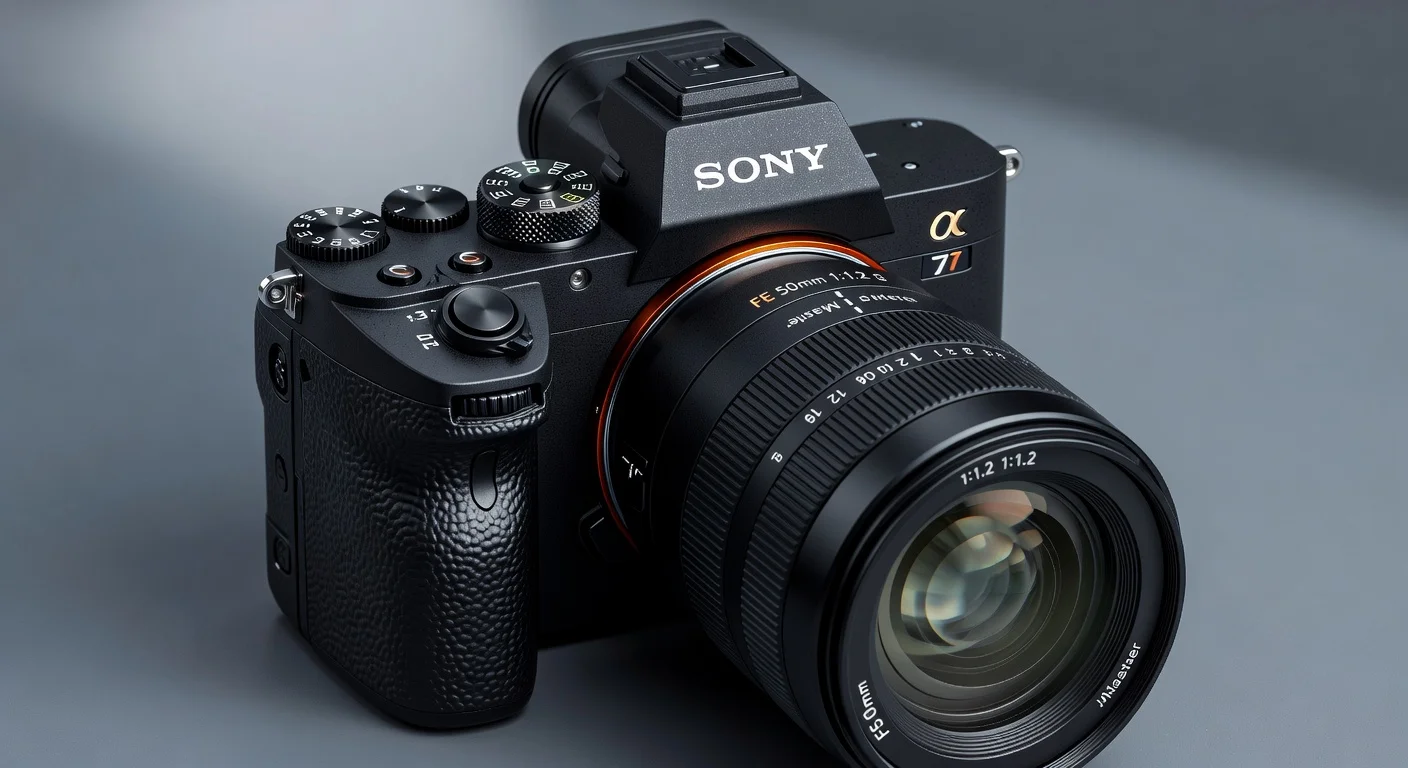
Ergonomically, Sony has hit the mark with a deeper grip that enhances comfort during extended shooting sessions—an upgrade that long-time users will appreciate. The fully articulated 3.2-inch touchscreen LCD, paired with a high-resolution 9.44M-dot OLED viewfinder, offers flexibility and clarity for composing shots from any angle. Button placement feels intuitive, with customizable dials and a dedicated exposure compensation wheel that streamline adjustments on the fly.
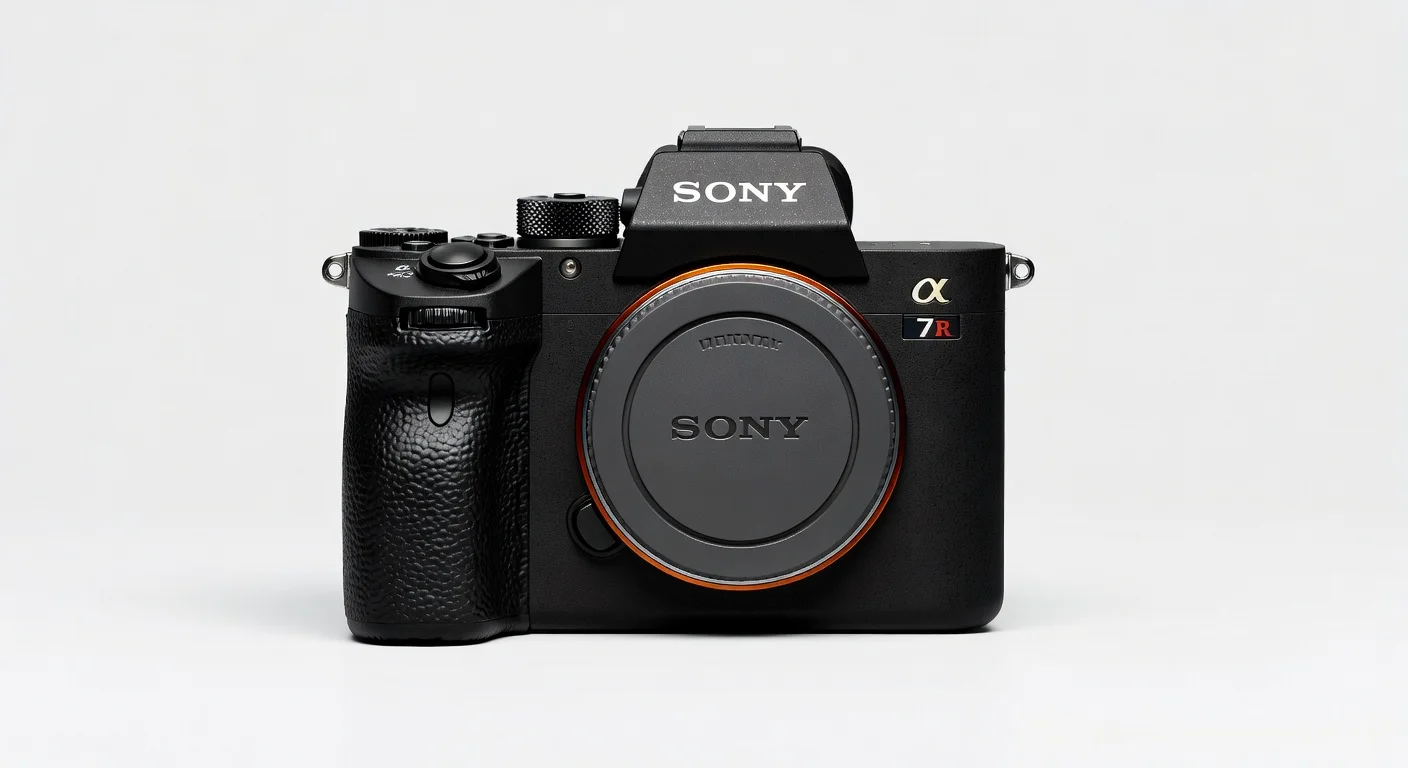
However, the menu system, while improved, can still feel dense for newcomers, and the dual card slot design (supporting CFexpress A and SD cards) might require an adapter for some users. Despite these minor quirks, the Alpha 7R V’s build quality exudes professionalism, catering to photographers who demand gear that can keep up with their vision.
Performance
In terms of raw performance, the Sony Alpha 7R V is a powerhouse, driven by its 61.0-megapixel full-frame sensor that captures staggering detail, ideal for large prints or heavy cropping. Paired with the latest BIONZ XR processor, the camera handles high-resolution files with ease, delivering vibrant colors and impressive dynamic range even in challenging lighting. During real-world testing in 2026, landscape shots at ISO 100 revealed exceptional sharpness, while low-light performance up to ISO 12,800 remained surprisingly clean with minimal noise.
Autofocus is another standout, with a 693-point phase-detection system enhanced by AI-driven subject recognition. Whether tracking fast-moving wildlife or human subjects, the Alpha 7R V locks focus with uncanny precision, outperforming many rivals in its class. Burst shooting at 10 fps, though not the fastest in 2026, is more than adequate for most professional needs, especially with the camera’s massive buffer capacity that prevents slowdowns during extended bursts.
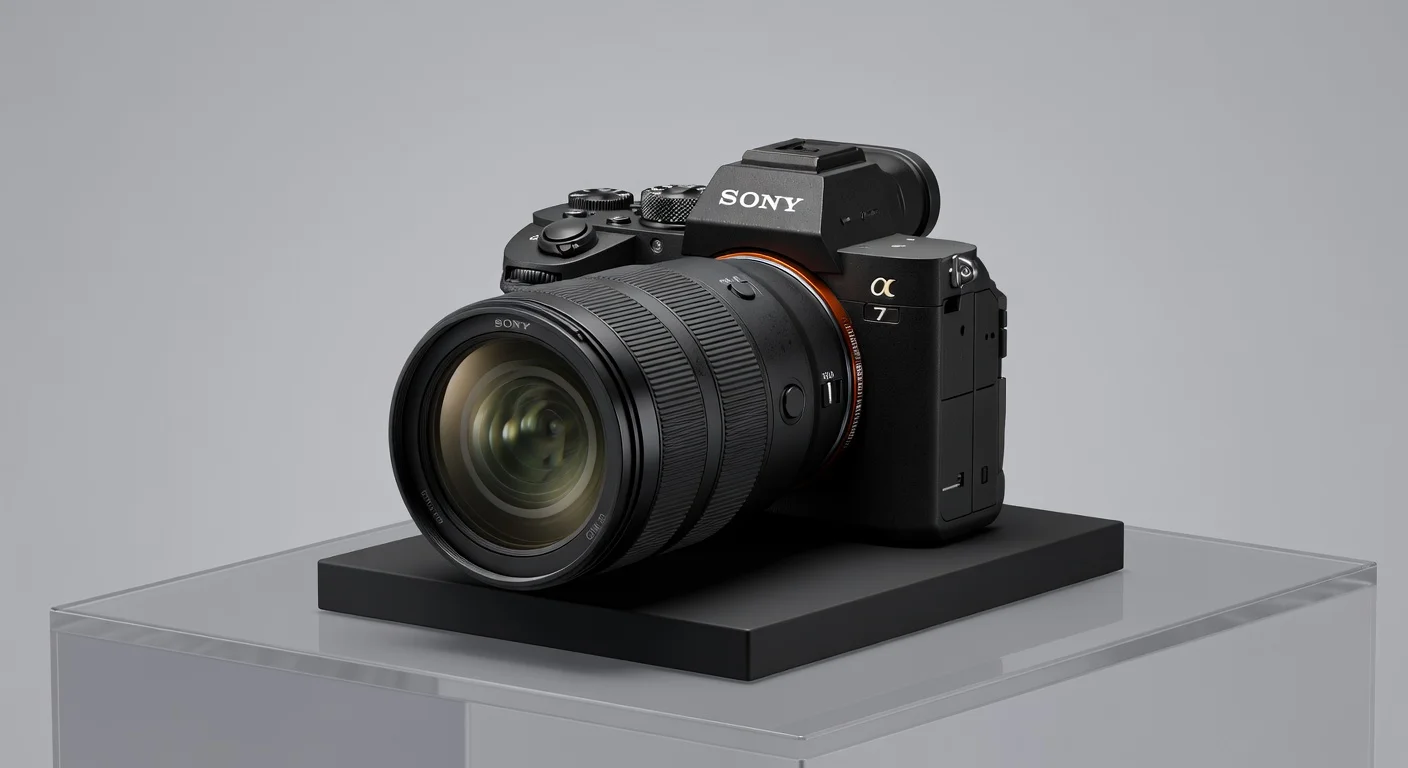
That said, battery life could be better—intensive shoots, especially with 8K video, drain the NP-FZ100 battery faster than expected, often requiring a spare. Additionally, while the in-body image stabilization (IBIS) offers up to 8 stops of compensation, it occasionally struggles with handheld 8K recording. Still, for stills and most video scenarios, the Alpha 7R V’s performance is nothing short of exceptional.
Features & Software
The Sony Alpha 7R V is packed with cutting-edge features that set it apart in the high-resolution mirrorless market. Its 8K video recording at 24p with 10-bit 4:2:2 internal capture is a game-changer for hybrid shooters, while advanced tools like focus breathing compensation and real-time tracking elevate both photo and video workflows. The AI-based autofocus, capable of recognizing humans, animals, birds, and even vehicles, feels futuristic, adapting seamlessly to diverse shooting scenarios.
On the software front, Sony’s updated menu system is more user-friendly than ever, with touch-enabled navigation and customizable quick menus. Connectivity options, including Wi-Fi 6 and USB-C 3.2 Gen 2 for tethering, ensure smooth integration with modern workflows, though the companion Imaging Edge app still lags behind competitors in intuitiveness. Overall, the feature set caters brilliantly to professionals pushing creative boundaries in 2026.
Value Proposition
Priced at a premium in 2026, the Sony Alpha 7R V targets photographers and videographers who prioritize resolution and versatility over budget constraints. At around $3,900 (body only), it’s not cheap, but the combination of a 61MP sensor, 8K video, and AI-driven autofocus justifies the cost for pros needing top-tier performance in a single body. When factoring in the durability and future-proof features, the investment feels worthwhile for those earning from their craft.
Compared to other high-end mirrorless cameras, the Alpha 7R V offers unmatched resolution in its price bracket, though it sacrifices some speed compared to sports-focused models. For studio, landscape, or hybrid creators, the value is clear, but hobbyists or those focused purely on action photography might find more cost-effective alternatives with similar core capabilities.
How It Compares
Against the Canon EOS R5 Mark II, the Sony Alpha 7R V holds a clear edge in resolution (61MP vs. 45MP), making it the better choice for detail-obsessed photographers. However, Canon’s model offers superior burst speed (12 fps vs. 10 fps) and slightly better battery life, appealing more to action shooters. When pitted against the Nikon Z8, Sony’s AI autofocus feels more advanced, though Nikon’s 8K video implementation is arguably more user-friendly with fewer overheating concerns. Each camera has its niche, but the Alpha 7R V shines brightest for high-resolution stills and hybrid versatility.
Pros and Cons
Pros
- Exceptional 61MP sensor delivers unparalleled detail for stills and cropping.
- AI-driven autofocus excels in tracking diverse subjects with precision.
- 8K video recording with advanced features suits hybrid creators.
- Robust, weather-sealed build ensures durability in tough conditions.
- Fully articulated touchscreen and high-res EVF enhance shooting flexibility.
Cons
- Battery life struggles during intensive shoots, especially with 8K video.
- Burst speed of 10 fps lags behind competitors for fast action photography.
- Menu system, while improved, can still overwhelm new users.
- Premium price point may deter hobbyists or budget-conscious buyers.
- Imaging Edge app lacks the polish of rival companion software.
FAQ
Q: Is the Sony Alpha 7R V good for video?
A: Absolutely, with 8K 24p and 4K 60p recording in 10-bit 4:2:2 internally, plus features like focus breathing compensation, it’s a top choice for hybrid shooters.
Q: How does the Alpha 7R V perform in low light?
A: It performs admirably up to ISO 12,800 with minimal noise, thanks to the back-illuminated sensor, though extreme ISOs show some degradation.
Q: Is this camera suitable for beginners?
A: Not ideally—it’s designed for pros or advanced enthusiasts due to its complex features and high price.
Q: Does it support dual card slots?
A: Yes, it supports both CFexpress A and SD cards, offering flexibility for storage needs.
Q: How effective is the in-body stabilization?
A: The 8-stop IBIS is excellent for stills and most video, though it can struggle with handheld 8K recording.
Verdict
The Sony Alpha 7R V is a stellar choice for professional photographers and hybrid creators who prioritize high-resolution stills and cutting-edge video capabilities. It’s best suited for landscape, studio, and commercial shooters willing to invest in premium gear. If resolution and versatility are your top needs in 2026, this camera is hard to beat.
Pros
- ✓ Exceptional 61MP sensor delivers unparalleled detail for stills and cropping.
- ✓ AI-driven autofocus excels in tracking diverse subjects with precision.
- ✓ 8K video recording with advanced features suits hybrid creators.
- ✓ Robust, weather-sealed build ensures durability in tough conditions.
- ✓ Fully articulated touchscreen and high-res EVF enhance shooting flexibility.
Cons
- ✗ Battery life struggles during intensive shoots, especially with 8K video.
- ✗ Burst speed of 10 fps lags behind competitors for fast action photography.
- ✗ Menu system, while improved, can still overwhelm new users.
- ✗ Premium price point may deter hobbyists or budget-conscious buyers.
- ✗ Imaging Edge app lacks the polish of rival companion software.
Where to Buy the Sony Alpha 7R V





Prices may vary. Affiliate links — we may earn a commission at no extra cost to you.
Related Reviews

Affiliate links — we may earn a commission at no extra cost to you.