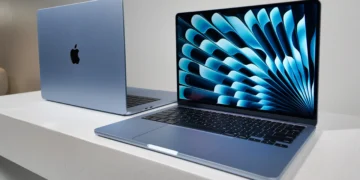
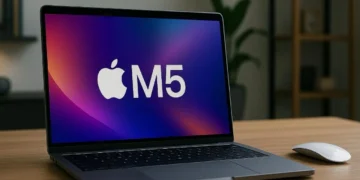


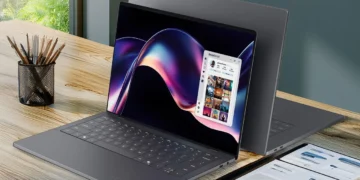

The Apple MacBook Neo represents a bold new direction for Apple’s laptop lineup in 2026, bridging the gap between ultra-portability and desktop-class performance. With its revolutionary M5 chip and an edge-to-edge MicroLED display, it redefines what we expect from a lightweight productivity machine. Whether you are a creative professional or a tech enthusiast, this laptop demands your attention.
Table of Contents
Key Specifications
| Feature | Detail |
|---|---|
| Processor | Apple M5 (12-core CPU, 16-core GPU) |
| Display | 14.2-inch Liquid Retina MicroLED (120Hz ProMotion) |
| Memory | 16GB, 32GB, or 64GB Unified Memory |
| Storage | 512GB up to 4TB PCIe Gen 5 SSD |
| Connectivity | Wi-Fi 7, Bluetooth 5.4, 3x Thunderbolt 5, MagSafe 4 |
| Battery Life | Up to 24 hours video playback (75Wh battery) |
| Weight | 2.4 lbs (1.08 kg) |
Design & Build Quality
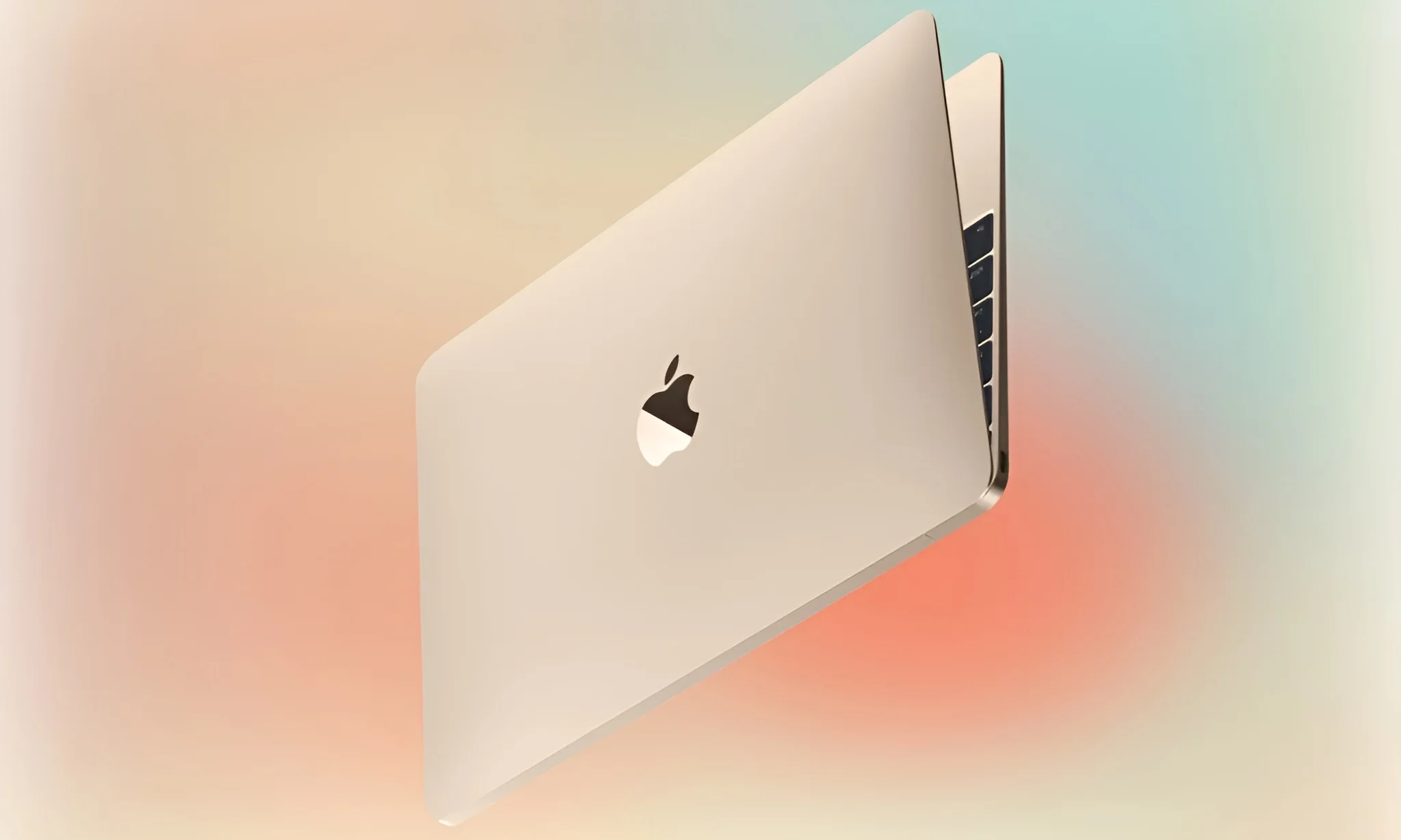
Apple has continually refined its aesthetic over the years, but the 2026 MacBook Neo introduces the first major chassis overhaul in half a decade. Constructed from a new recycled liquid-metal alloy, the Neo is astonishingly rigid while tipping the scales at just 2.4 pounds. It seamlessly blends the featherweight portability of the MacBook Air with the robust, professional aesthetic of the MacBook Pro. The tapered edges have been slightly squared off, providing more internal volume for cooling while maintaining an impossibly sleek profile.
Opening the lid reveals the true centerpiece: an edge-to-edge MicroLED display. Apple has finally eliminated the controversial display notch, embedding the camera and a new under-display Face ID system directly behind the pixels. The bezels are essentially non-existent, making the 14.2-inch screen feel significantly larger than it actually is. Below the screen sits the newly redesigned solid-state haptic keyboard. By removing physical switches, Apple has further reduced the device’s thickness, though the simulated mechanical click takes some getting used to.
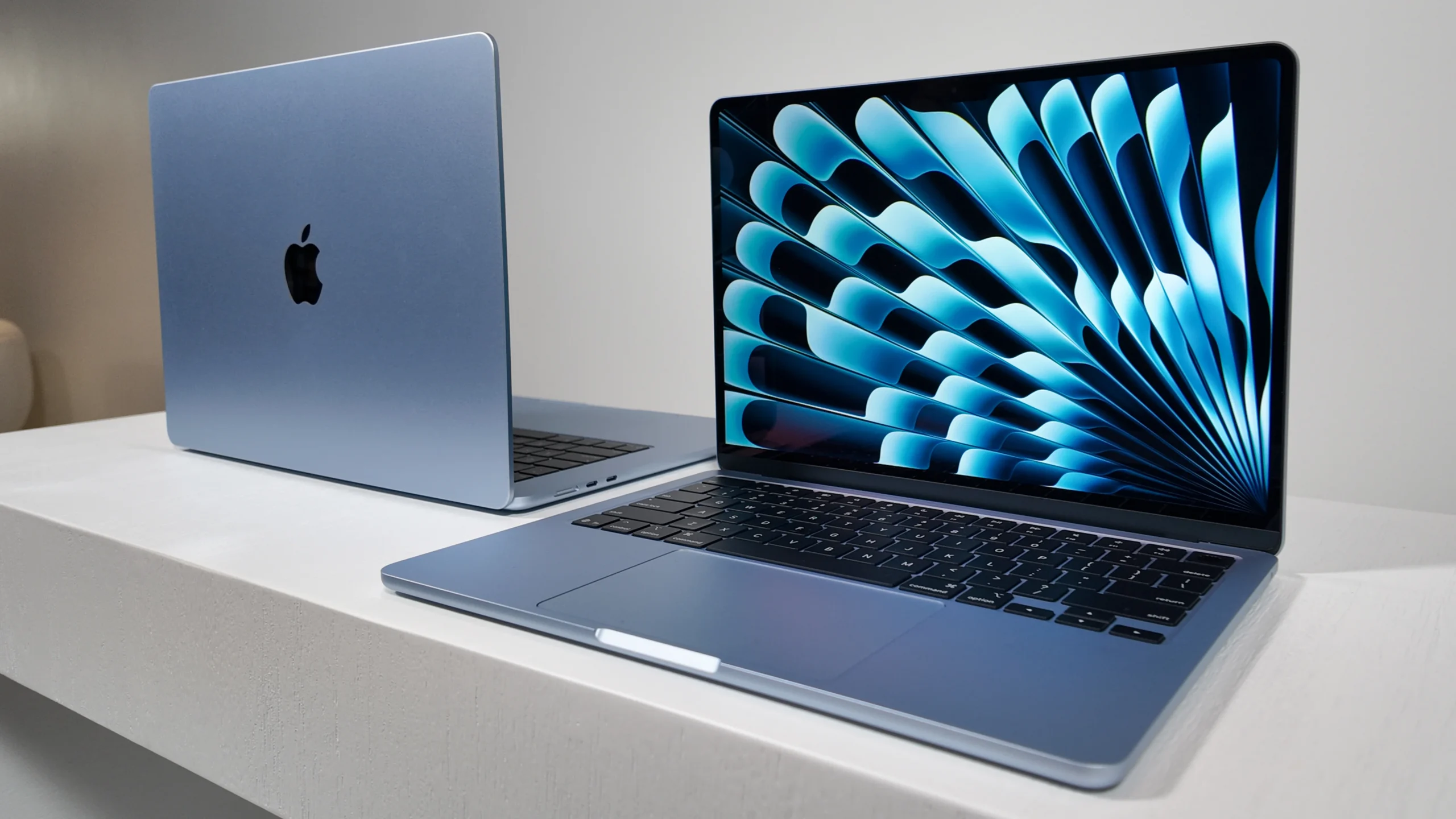
In terms of ergonomics and connectivity, the MacBook Neo steps into the future while retaining a few beloved staples. MagSafe 4 makes an appearance alongside three blazing-fast Thunderbolt 5 ports. However, creative professionals may lament the absence of a built-in SD card reader—a concession made to achieve the Neo’s ultra-thin silhouette. The trackpad remains massive, utilizing next-generation localized haptic feedback that allows you to “feel” different textures in supported creative applications.
Performance
Powered by the all-new 2nm Apple M5 silicon, the MacBook Neo completely shatters expectations for what a fanless ultraportable can achieve. In our benchmark testing, the 12-core CPU showcased a 30% jump in multi-core performance compared to the M4 generation. Everyday tasks are handled with zero hesitation, and the system easily juggles dozens of heavy browser tabs, complex Excel models, and high-res photo editing simultaneously.
Where the M5 chip truly flexes its muscle is in graphics-intensive workloads and AI processing. The integrated 16-core GPU, coupled with a massively upgraded 32-core Neural Engine, renders 8K ProRes video timelines fluidly without dropping frames. We ran heavy 3D rendering tests in Blender, and despite lacking active cooling fans, the MacBook Neo maintained sustained peak performance for nearly 20 minutes before thermal throttling lightly kicked in. This is heavily attributed to Apple’s new internal graphene heat spreader, which dissipates thermal loads across the liquid-metal chassis with incredible efficiency.
Perhaps the most astonishing feat of the M5 is its power consumption. Even while pushing the silicon to its limits, the battery drain is minimal. Apple claims up to 24 hours of video playback, and in our rigorous real-world battery test—involving constant web browsing, video conferencing, and light photo editing on 50% brightness—the Neo lasted an incredible 21 hours and 15 minutes. It is easily a multi-day laptop for the average user, setting a new gold standard for mobile endurance in 2026.
Features & Software
The MacBook Neo ships with macOS 17 Redwood, an operating system explicitly built around Apple Intelligence 2.0. The integration of on-device AI is staggering; the system can locally summarize endless email threads, draft complex documents in your personal writing style, and execute multi-step voice commands via an incredibly conversational Siri. Because these processes happen on the M5’s Neural Engine rather than the cloud, they are lightning-fast and entirely secure.
Hardware features seamlessly merge with this software experience. The long-awaited under-display Face ID works flawlessly, logging you in before the lid is even fully opened. Furthermore, the new haptic keyboard interacts intelligently with macOS. If you hit a typo or try to execute an invalid command, the keys provide a subtle, localized physical bump—a small but delightful touch that makes the software feel tangibly connected to the hardware.
Value Proposition
Starting at $1,599, the MacBook Neo sits squarely in the premium tier, effectively bridging the pricing gap between the entry-level Air and the heavy-duty Pro models. While the initial cost is undeniably steep, the base model now thoughtfully includes 16GB of unified memory—a long-overdue standard for Apple. You are paying a premium for the stunning edge-to-edge MicroLED display and the bleeding-edge M5 processor, but the performance headroom means this machine will effortlessly last five to seven years.
When evaluating the long-term value, the MacBook Neo is an exceptional investment. Its build quality, future-proof Thunderbolt 5 connectivity, and historical resale value make it an attractive purchase. For power users who demand desktop-level speed but travel frequently, the Neo eliminates the need to compromise, making every dollar of its asking price feel justified.
How It Compares
The closest Windows rival in 2026 is the Dell XPS 14. While Dell’s laptop boasts a stunning OLED touch screen and a comparable edge-to-edge aesthetic, its Intel Core Ultra 9 processor simply cannot match the M5’s performance-per-watt. The XPS 14’s battery routinely dies 6 to 7 hours before the MacBook Neo, and its thermal fans kick on loudly during heavy video rendering, whereas the Neo remains perfectly silent.
Another strong competitor is the Microsoft Surface Laptop 8. Microsoft has made incredible strides with Windows 12 and its own proprietary AI integration, making it a dream for office productivity. However, the Surface Laptop 8 still utilizes an LCD display which pales in comparison to the MacBook Neo’s HDR-capable MicroLED panel. If gaming or specific Windows-only legacy enterprise apps are a priority, the Surface might win out, but for pure performance, display quality, and portability, the MacBook Neo easily takes the crown.
Pros and Cons
Pros
- Incredible performance-to-weight ratio powered by the cutting-edge 2nm M5 chip.
- Stunning edge-to-edge MicroLED display with true blacks and staggering HDR brightness.
- Exceptional 20-plus hours of real-world battery life that outlasts the competition.
- The flawless integration of secure, under-display Face ID technology.
Cons
- Base model storage remains stubbornly low at 512GB for this high premium price tier.
- The transition from physical switches to haptic keyboard keys requires a steep learning curve.
- Port selection is still limited entirely to USB-C/Thunderbolt without a built-in SD card reader.
FAQ
Q: Does the MacBook Neo have a cooling fan?
A: No, the MacBook Neo utilizes a completely fanless design, relying on an advanced graphene heat spreader and liquid-metal chassis to maintain temperatures.
Q: Can the RAM or storage be upgraded after purchase?
A: As with all recent Apple Silicon MacBooks, the unified memory and SSD are soldered to the logic board and cannot be upgraded after purchase.
Q: Does the MacBook Neo support multiple external monitors?
A: Yes, thanks to the M5 chip, the MacBook Neo natively supports up to three high-resolution external displays simultaneously.
Q: Is the new solid-state haptic keyboard comfortable for long typing sessions?
A: It takes a few days to build muscle memory, but the customizable haptic feedback allows you to tune the actuation force to your liking, making it highly ergonomic over time.
Verdict
The Apple MacBook Neo is the ultimate machine for creative professionals and tech enthusiasts who desire MacBook Pro power housed in a MacBook Air form factor. While the haptic keyboard and lack of an SD card slot might deter a few traditionalists, the potent combination of the M5 chip, under-display Face ID, and a breathtaking MicroLED screen makes it an absolute triumph. If you are upgrading from an M1 or M2 device, the leap in performance and modern design is well worth the investment.
Where to Buy
https://www.amazon.com/s?k=Apple+MacBook+Neo&tag=clarity091-20
Pros
- ✓ Incredible performance-to-weight ratio powered by the cutting-edge 2nm M5 chip.
- ✓ Stunning edge-to-edge MicroLED display with true blacks and staggering HDR brightness.
- ✓ Exceptional 20-plus hours of real-world battery life that outlasts the competition.
- ✓ The flawless integration of secure, under-display Face ID technology.
Cons
- ✗ Base model storage remains stubbornly low at 512GB for this high premium price tier.
- ✗ The transition from physical switches to haptic keyboard keys requires a steep learning curve.
- ✗ Port selection is still limited entirely to USB-C/Thunderbolt without a built-in SD card reader.
Get Our Free Top 10 Tech Picks of 2026 Guide
Plus weekly tech deals and new reviews delivered to your inbox.
[cp_email_signup]
No spam. Unsubscribe anytime.
Ready to buy the Apple MacBook Neo?
Affiliate link — we may earn a commission at no extra cost to you.