Tech Essentials








In a market saturated with futuristic, ergonomic cameras, Nikon’s Zf boldly looks to the past for its soul. It wraps a flagship-level autofocus system and processing engine in a meticulously crafted, retro-inspired body. The result is a camera that isn’t just a tool, but an experience—one that challenges our assumptions about what a modern camera should be.
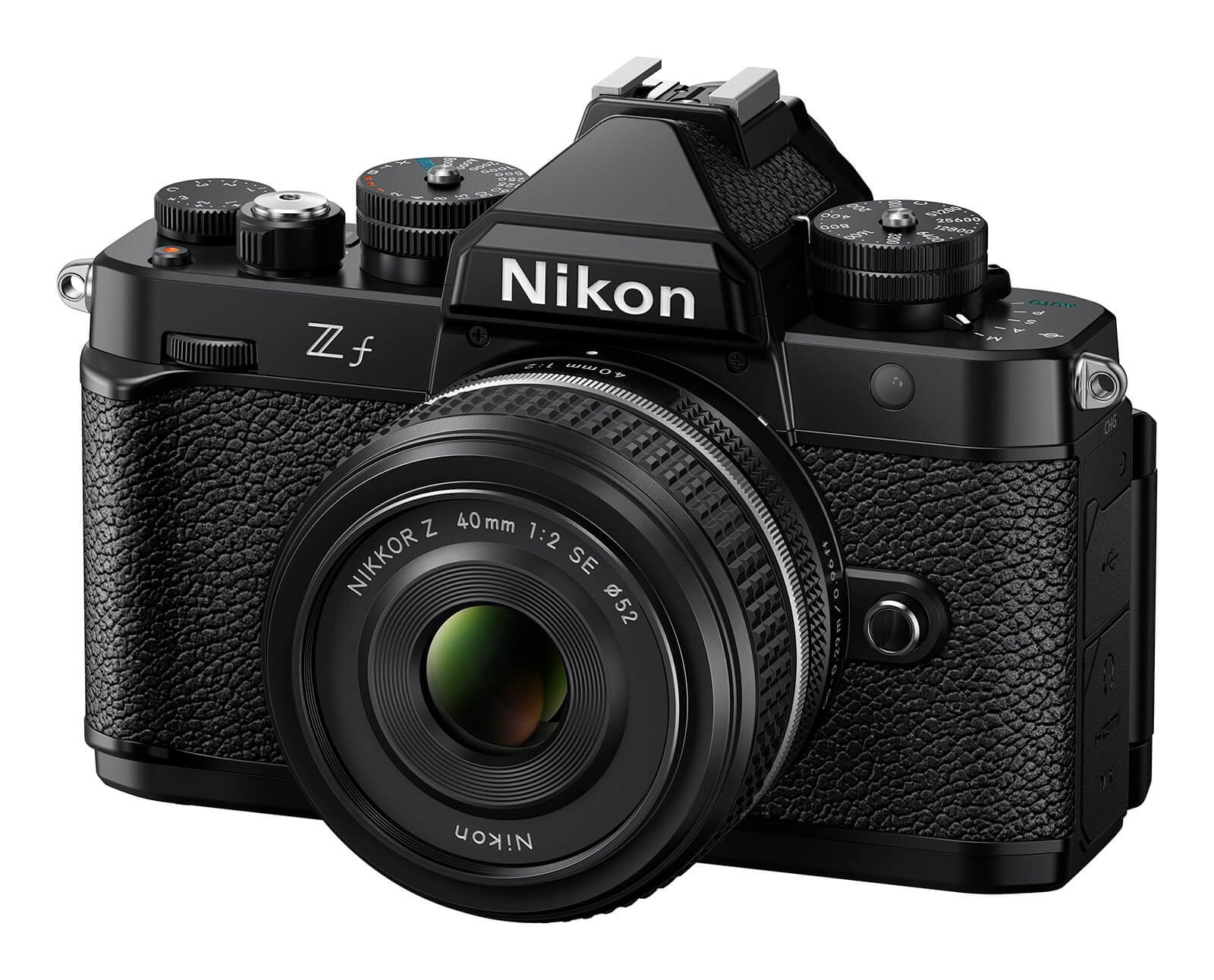
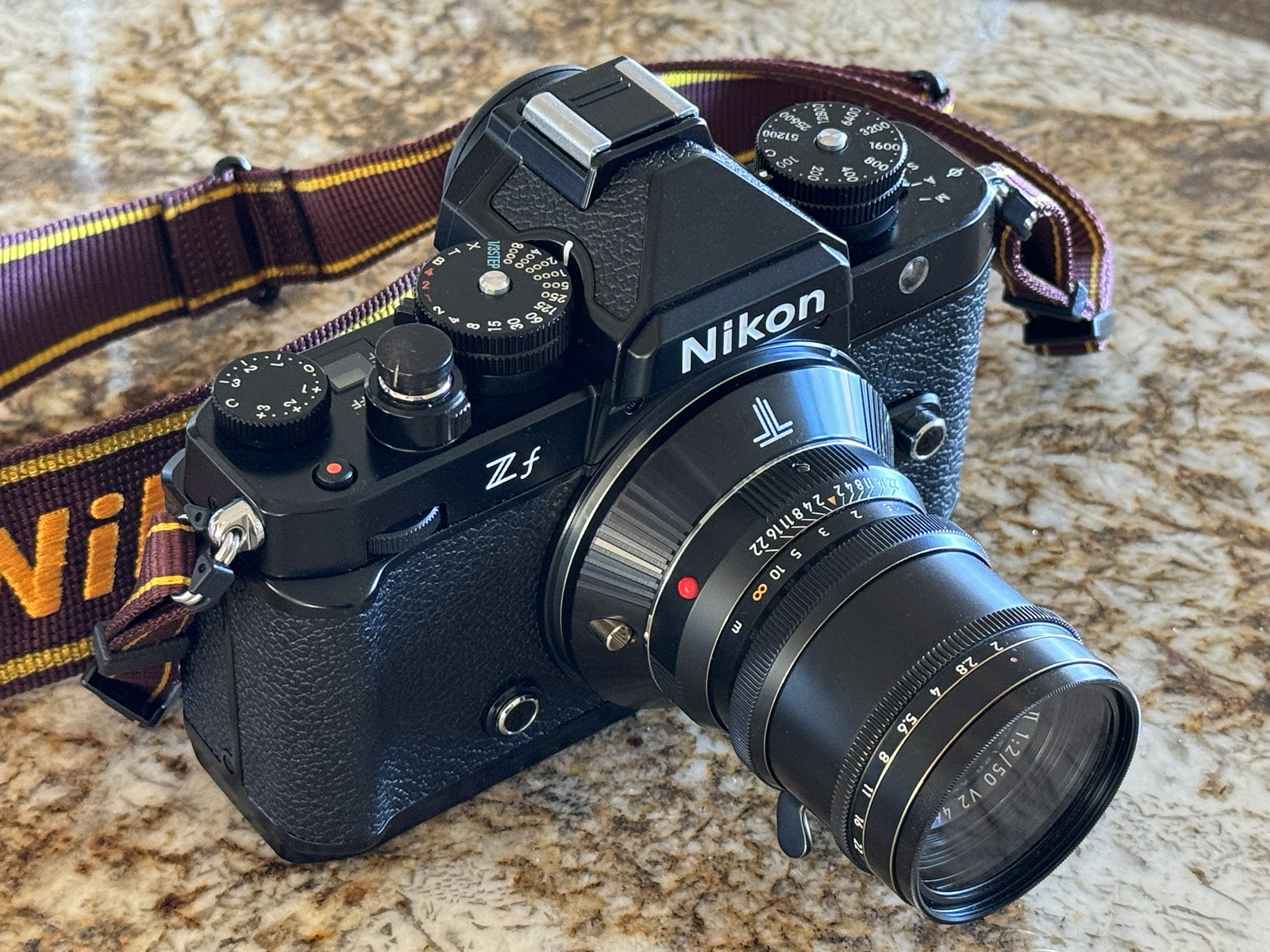
The first thing you notice about the Nikon Zf is its undeniable presence. Drawing direct inspiration from the legendary FM2 film SLR, its design is a masterclass in tactile nostalgia. The top plate is adorned with beautifully machined brass dials for ISO, shutter speed, and exposure compensation, each clicking into place with satisfying mechanical precision. The magnesium alloy body, wrapped in a textured faux leather, feels dense and substantial, conveying a sense of durability that many modern cameras lack. This is a camera that begs to be handled, encouraging a more deliberate and thoughtful shooting process. However, this commitment to retro form comes at a functional cost. The grip is a mere sliver compared to its modern Z-series siblings, making the camera feel unbalanced and front-heavy with anything larger than a compact prime lens. While a third-party grip can mitigate this, it’s a clear trade-off for the sake of aesthetics.

Beneath that vintage exterior lies the hyper-modern heart of a Nikon Z8. The Zf is powered by the same EXPEED 7 processor, unlocking an autofocus system that is light-years ahead of what its design might suggest. The 3D-tracking and advanced subject detection for humans, animals, and vehicles are simply superb. It latches onto a subject’s eye and refuses to let go, offering a level of performance that feels almost like cheating in a camera this stylish. This powerhouse processor is paired with the proven 24.5MP full-frame sensor from the Z6II, a capable chip that delivers clean files with excellent dynamic range. While not a new sensor, its performance is more than enough for most photographers. Furthermore, the in-body image stabilization is phenomenal, offering up to 8 stops of compensation that makes handheld low-light shooting remarkably effective.
Where the Zf’s identity becomes slightly confused is in its professional-oriented features, or lack thereof. The camera includes a dual card slot setup, but in a bizarre configuration: one fast UHS-II SD slot and one much slower UHS-I microSD slot. This decision effectively cripples the Zf for serious event or wedding work, as using the second slot for a real-time backup will bottleneck the camera’s performance. It’s a baffling compromise in an otherwise premium-feeling device. Video capabilities are strong, with 10-bit internal 4K/30p video oversampled from 6K, and a cropped 4K/60p option. The fully articulating screen is also a boon for videographers, though some stills-focused photographers may have preferred a simpler tilting mechanism.
Ultimately, the Nikon Zf is a camera of purposeful compromises. It sacrifices the sterile ergonomic efficiency of its peers for an engaging and tactile shooting experience. It pairs a world-class autofocus system with a workhorse sensor and a professionally limiting storage solution. This isn’t the camera for the pure spec-chaser or the working pro who needs a fail-safe tool for a high-pressure job. Instead, the Zf is for the enthusiast photographer who values the process as much as the result. It’s for the artist who wants a camera that inspires them to go out and shoot, offering a potent blend of flagship performance and timeless design that few competitors can match.

Where to Buy:
Nikon Zf Quick Summary
Key Scores:
-
Value:
85% -
Design:
95% -
Performance:
88% -
Quality:
92% -
Popularity:
87%
Top Pros
- ✅ Flagship autofocus provides exceptionally fast and reliable subject tracking.
- ✅ Exquisite retro design features premium materials and tactile controls.
- ✅ Class-leading image stabilization delivers up to eight stops of correction.
- …
Key Cons
- ❌ Shallow grip makes handling larger or heavier lenses uncomfortable.
- ❌ The dual card slot implementation feels unbalanced and professionally limiting.
- ❌ Manual dials can slow down operation in fast-paced shooting scenarios.