Tech Essentials
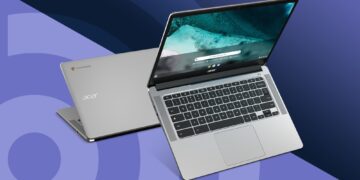
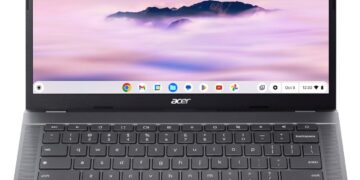

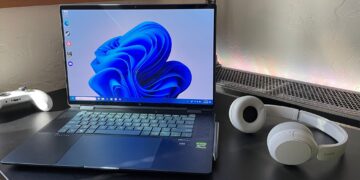
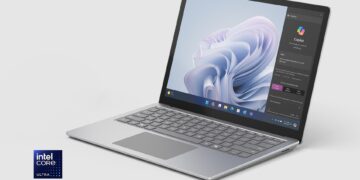



Intel is betting the farm on a new vision for the PC, and the Core Ultra processor is its opening move. This isn’t just another annual speed bump; it’s a fundamental rethinking of what a laptop chip can and should be. The era of the AI PC has officially begun, and Meteor Lake is leading the charge.
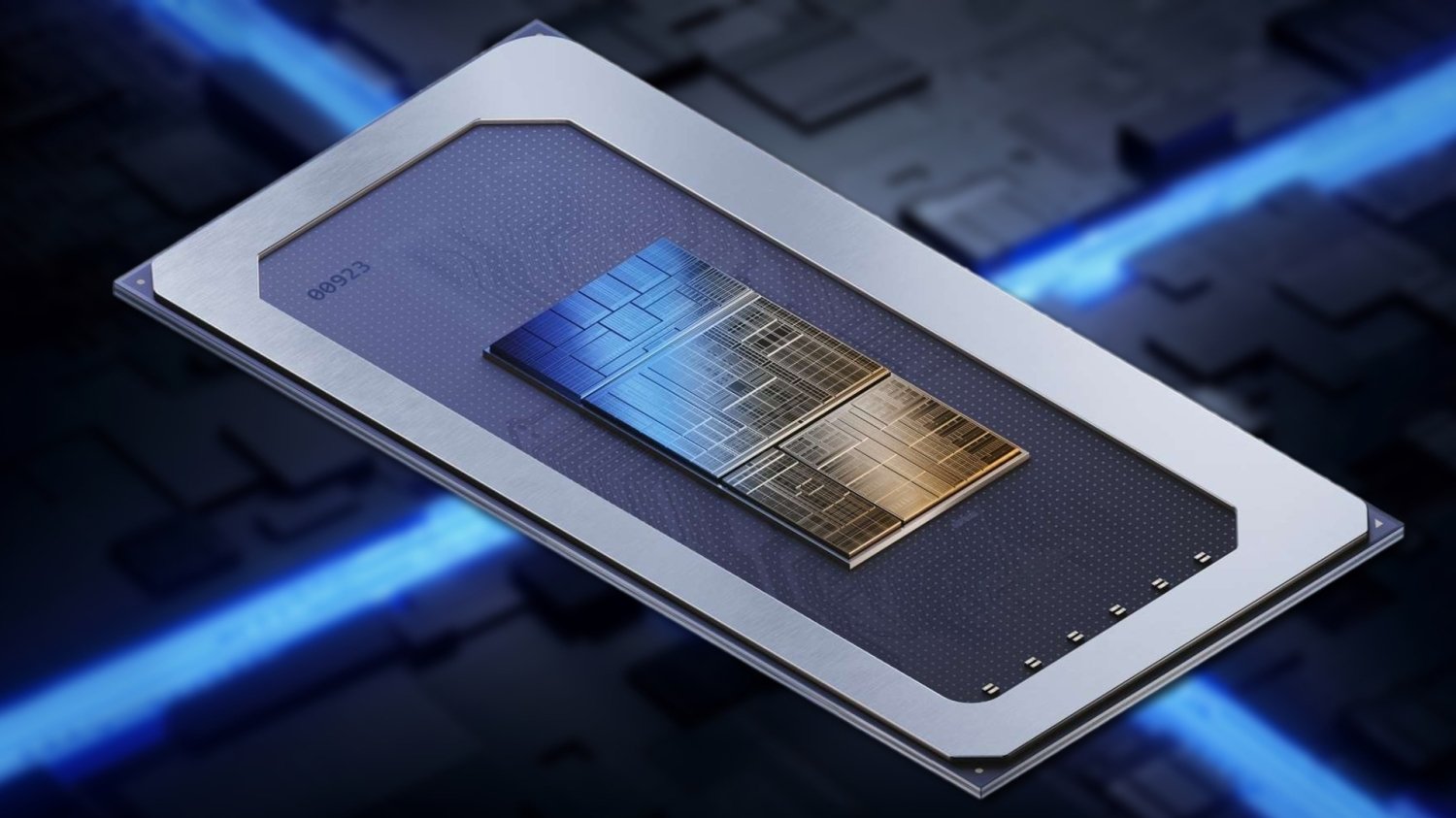
Intel’s Core Ultra, codenamed Meteor Lake, represents the most significant architectural shift for the company in over a decade. Moving away from a traditional monolithic design, Intel has embraced a “disaggregated” or tile-based architecture, piecing together separate silicon for compute, graphics, I/O, and system-on-a-chip (SoC) functions using its advanced Foveros 3D packaging technology. This chiplet-style approach is a marvel of engineering, allowing Intel to mix and match process nodes to optimize power and performance for each component. The immediate result is a smarter, more efficient processor designed for the realities of modern mobile computing.

When it comes to performance, the story is nuanced. The new Redwood Cove P-cores and Crestmont E-cores deliver solid, responsive performance for everyday productivity and demanding tasks. However, if you’re chasing the absolute highest multi-core benchmark scores, you might find that high-end chips from competitors or even Intel’s own previous generation can sometimes pull ahead in short, all-out sprints. The real magic of Meteor Lake isn’t in peak throughput but in sustained performance and efficiency. A new class of Low-Power E-cores, located on the SoC tile, now handles background processes and simple tasks like video playback, allowing the main compute tile to power down completely, leading to a dramatic improvement in battery life.
The two standout features are the integrated graphics and the new Neural Processing Unit (NPU). The integrated Intel Arc GPU is a game-changer, leaving the old Iris Xe graphics in the dust. It offers a roughly 2x performance uplift, making 1080p gaming on thin-and-light laptops a legitimate reality, not just a slideshow. For content creators, the AV1 encode/decode support and strong media engine performance are significant boons. The NPU, meanwhile, is Intel’s forward-looking play. It’s a dedicated, low-power AI engine designed to handle tasks like real-time background blur in video calls (via Windows Studio Effects) or AI-driven features in creative software. While its utility is still nascent and dependent on developer adoption, it efficiently offloads these tasks from the CPU and GPU, saving power and freeing up resources.
Ultimately, the value proposition of Core Ultra isn’t about winning a single benchmark; it’s about the total package. You get a chip that delivers a more balanced and efficient user experience. The leap in graphics power alone makes it a worthy upgrade for many, and the gains in battery life are tangible and welcome. While the NPU’s full potential is yet to be realized, it positions Core Ultra laptops as a smart investment for a future where on-device AI becomes increasingly integral to our workflows.
For the user who prioritizes all-day battery, a responsive system, and the ability to do some decent gaming or creative work without a discrete GPU, Intel’s Core Ultra processors are a compelling and intelligent choice. It’s a platform built for the way we actually use laptops today—and tomorrow. While raw power enthusiasts might look elsewhere, those seeking a smarter, more efficient, and well-rounded mobile experience will find Meteor Lake to be exactly the revolution they’ve been waiting for.
Where to Buy:

Intel Core Ultra Processors (Meteor Lake) Quick Summary
Key Scores:
-
Value:
80% -
Design:
92% -
Performance:
88% -
Quality:
90% -
Popularity:
85%
Top Pros
- ✅ Integrated Arc graphics deliver impressive gaming and creative performance.
- ✅ New architecture provides a major leap in overall power efficiency.
- ✅ The dedicated NPU accelerates AI tasks for future applications.
- …
Key Cons
- ❌ Raw CPU performance can lag behind some key competitors.
- ❌ The NPU’s full potential relies heavily on future software support.
- ❌ Marketing focus on AI feels slightly ahead of current reality.