




The Valve Index VR Kit remains one of the most compelling premium PC VR systems in 2026, pairing precise tracking with class-leading controllers and a still-impressive high-refresh display. For enthusiasts who want immersive room-scale VR without compromise, it continues to deliver a polished, deeply engaging experience.
Table of Contents
Key Specifications
| Feature | Detail |
|---|---|
| Product | Valve Index VR Kit |
| Display Type | Dual LCD panels |
| Resolution | 1440 x 1600 per eye |
| Refresh Rate | 80Hz, 90Hz, 120Hz, up to 144Hz experimental mode |
| Field of View | Approx. 130 degrees, depending on face fit and eye relief |
| Tracking | SteamVR 2.0 Lighthouse external tracking |
| Controllers | Valve Index Controllers with finger tracking |
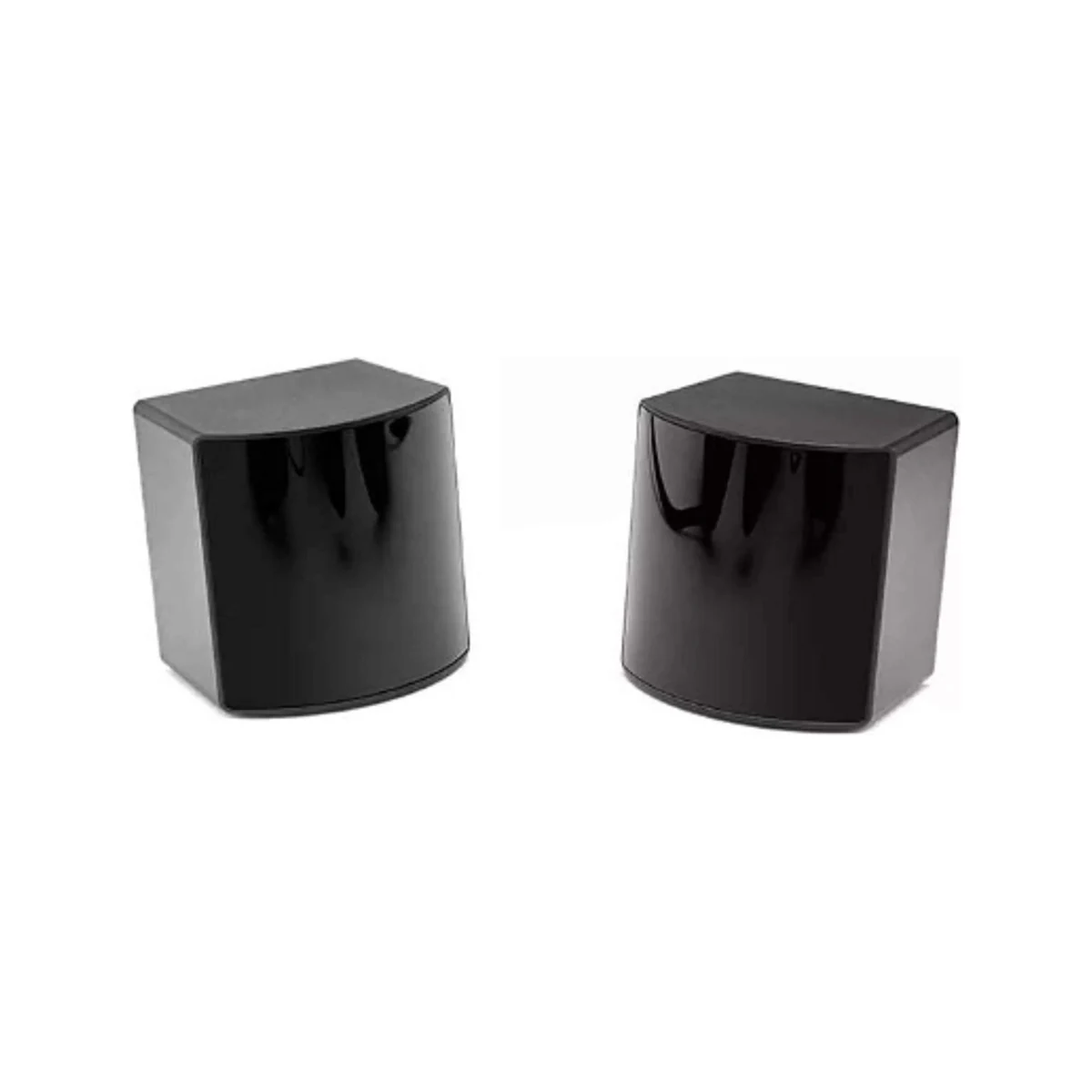
| Audio | Off-ear near-field speakers |
| IPD Adjustment | Physical IPD adjustment |
| Connection | DisplayPort and USB 3.0 via tethered breakout |
| Platform | PC VR via SteamVR |
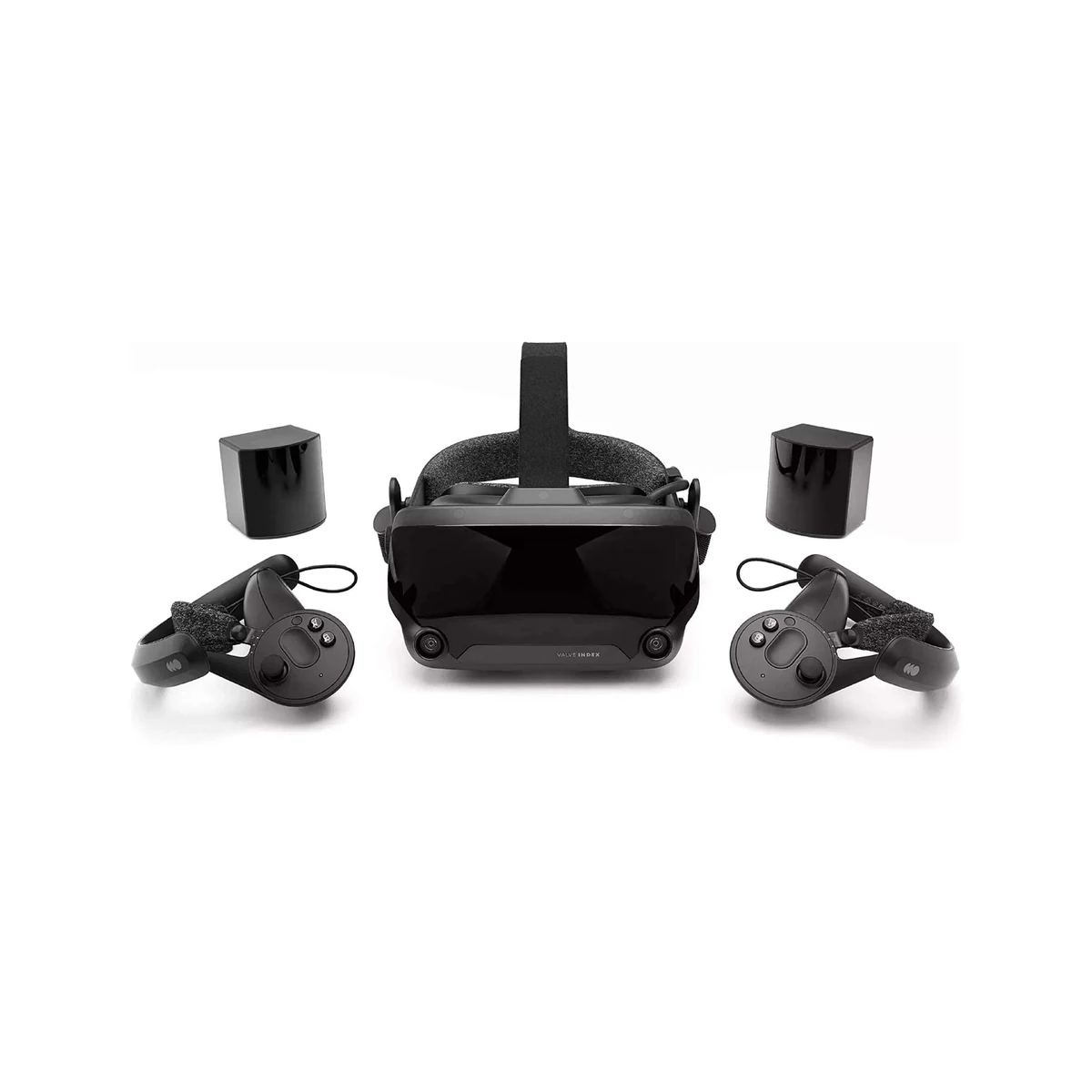
| Included in Kit | Headset, 2 controllers, 2 base stations, cables, power adapters, mounting hardware |
Design & Build Quality
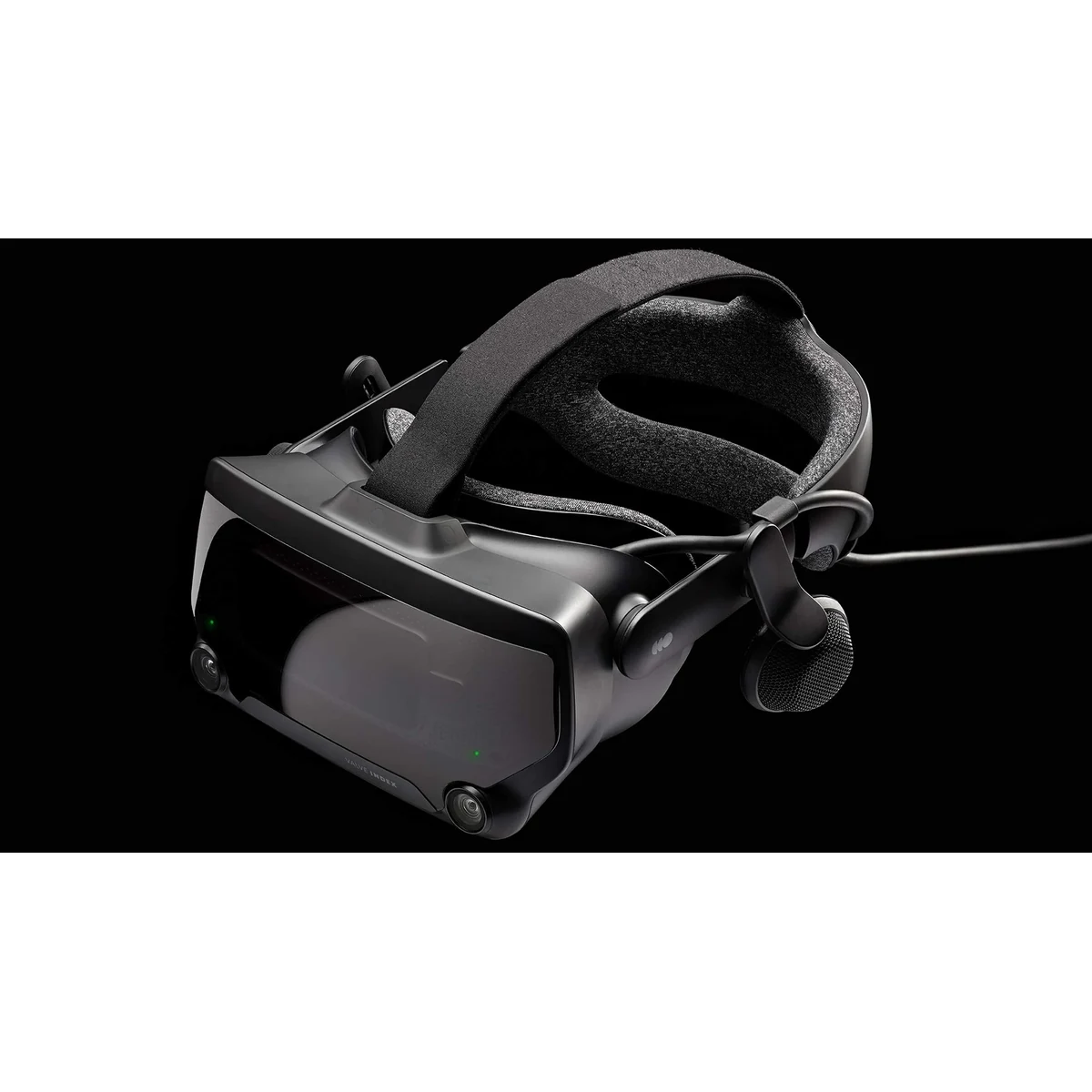
Valve’s design approach with the Index VR Kit is unmistakably enthusiast-focused. The headset looks purposeful rather than flashy, with a robust industrial aesthetic that prioritises function, adjustability, and long-session comfort. The materials feel premium throughout, from the solid head strap assembly to the well-finished facial interface and the reassuringly durable controller shells. Even in 2026, the Index still gives the impression of a high-end device built for serious VR users rather than casual experimentation.
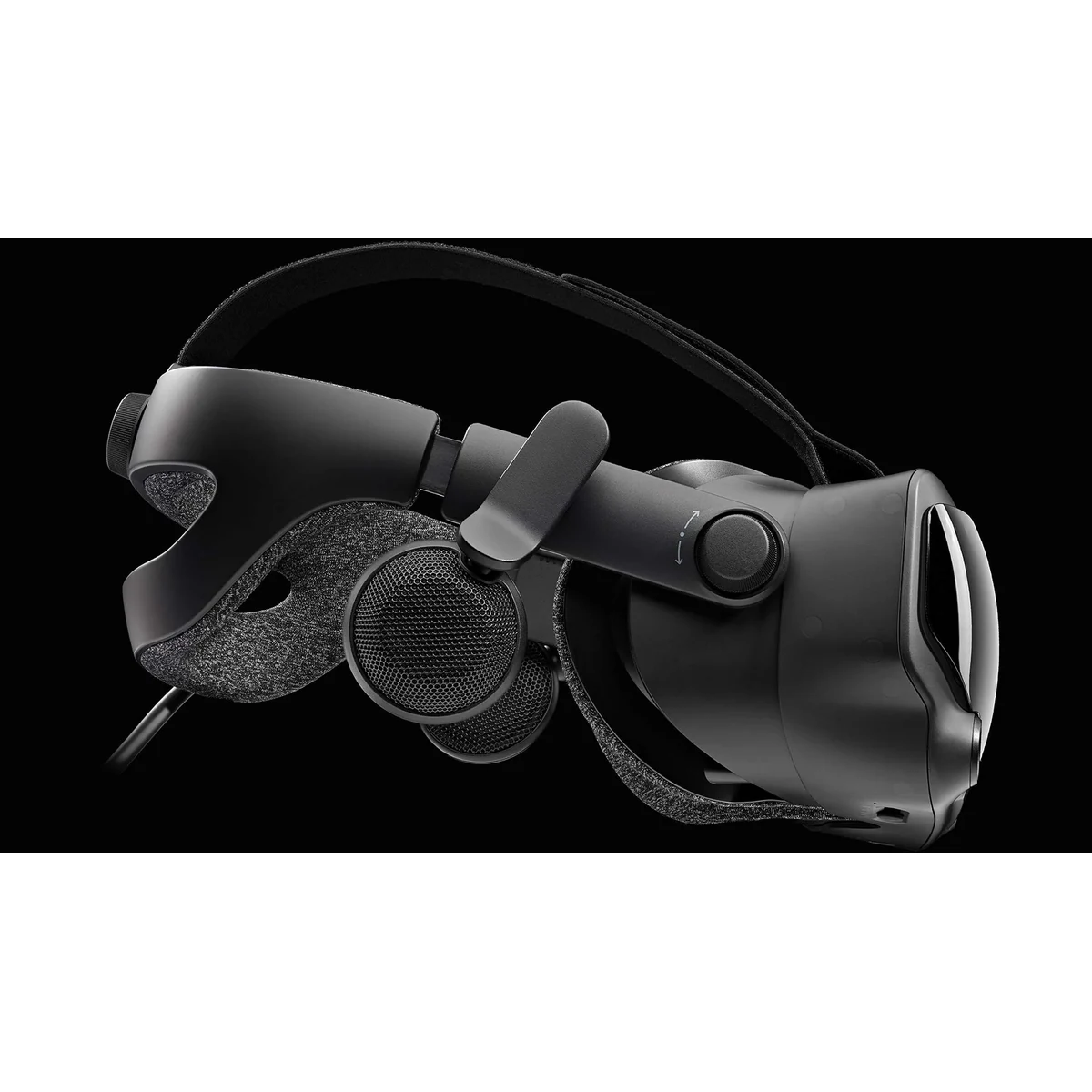
Ergonomically, the headset remains one of the better-balanced tethered PC VR systems. The rear adjustment dial makes it easy to achieve a secure fit, while the physical IPD slider and eye relief adjustment allow for meaningful customisation. That eye relief control is especially useful, helping users bring the lenses closer for a wider perceived field of view. Weight distribution is handled well enough for longer sessions, though the full kit setup is undeniably more involved than newer standalone headsets.
The standout design element is still the Valve Index Controllers. Their hand-strap system lets you release your grip without dropping the controllers, which adds a natural layer of interaction in games built to support them. Build quality is excellent, and the input layout feels thoughtfully refined for both traditional VR controls and more advanced gesture-based gameplay.
Performance
In real-world use, the Valve Index VR Kit continues to impress thanks to its Lighthouse tracking system. Positional accuracy remains a major strength, especially in room-scale environments where quick hand movement, occlusion-heavy interactions, and precise object manipulation matter. In rhythm games, simulation titles, and physics-heavy VR experiences, the tracking feels exceptionally stable and responsive. This is still one of the best setups for users who want consistent low-latency performance without relying on inside-out camera tracking.
Display performance is where the Index shows both its age and its enduring strengths. The 1440 x 1600 per-eye resolution is no longer class-leading by 2026 standards, and some newer headsets offer sharper image clarity and reduced screen-door effect. However, the Index counters with excellent motion smoothness. Running at 120Hz or 144Hz on a capable gaming PC, movement looks fluid and natural, which is especially beneficial in fast-paced titles like Half-Life: Alyx, Beat Saber, and competitive VR shooters. The wider field of view also contributes to a more immersive experience than many narrower rivals.
To get the most out of the Index, you need a reasonably powerful PC. Driving modern VR games at high refresh rates and elevated render resolutions can put serious demand on the GPU. On mid-range systems, 90Hz is often the practical sweet spot, while high-end rigs can better exploit 120Hz and 144Hz modes. The headset rewards strong hardware, and when paired with a modern gaming desktop, it still delivers a premium VR experience with excellent responsiveness and comfort.
Features & Software
The Valve Index VR Kit’s feature set is built around immersion and precision. The off-ear speakers remain one of the best audio solutions in consumer VR, producing spacious, detailed sound without pressing against the ears. This design improves comfort while preserving environmental awareness and delivering surprisingly rich positional audio. Combined with the headset’s field of view and high refresh rate options, the Index creates a convincing sense of presence that still holds up extremely well.
On the software side, SteamVR remains the heart of the experience. Setup is more complex than standalone ecosystems, but the trade-off is access to one of the deepest PC VR content libraries available. SteamVR offers mature room setup tools, extensive compatibility, and a broad range of customisation options for enthusiasts. The Index also benefits from excellent support in flagship PC VR titles, and the controller tracking features can add meaningful interaction depth in games that are designed to use them properly.
Value Proposition
The Valve Index VR Kit sits firmly in the premium tier, and its value depends heavily on what kind of VR user you are. If you want a plug-and-play headset for casual gaming, media consumption, or mixed-reality apps, newer standalone options may make more financial sense. But for dedicated PC VR enthusiasts, the Index still offers a compelling package built around elite tracking, best-in-class controllers, and a mature ecosystem that prioritises high-end room-scale play.
Its value improves further if you care more about interaction quality and tracking reliability than raw panel resolution. While some rivals now deliver sharper visuals or wireless convenience, few match the Index’s total package for enthusiasts who already own a gaming PC and want a deeply immersive SteamVR experience. In that context, the Index remains less about headline specs and more about delivering consistently high-quality VR where it matters most.
How It Compares
Compared with the Meta Quest 3, the Valve Index VR Kit is less convenient and far less flexible for casual use. The Quest 3 offers standalone operation, mixed reality features, and optional PC VR streaming in a much simpler package. However, the Index wins decisively on controller ergonomics, external tracking precision, and native high-refresh PC VR performance for users who want the most accurate room-scale setup.
Against the HTC Vive Pro 2, the Index gives up clear resolution advantage but often feels more balanced overall. The Vive Pro 2 delivers a sharper image on paper, yet the Index’s controllers, audio system, and broader all-round usability still make it a favourite among many PC VR enthusiasts. If visual sharpness is your top priority, HTC has the edge; if interaction quality and tracking-driven immersion matter more, the Index remains highly competitive.
Pros and Cons
Pros
- The Lighthouse tracking system delivers outstanding accuracy for room-scale VR and fast-paced gameplay.
- The Valve Index Controllers remain among the most immersive and ergonomic VR controllers available.
- High refresh rate support up to 144Hz helps create exceptionally smooth motion on capable PCs.
- The off-ear speakers provide excellent audio quality and comfort during long sessions.
- Adjustable fit, IPD, and eye relief make the headset more adaptable than many rivals.
Cons
- The display resolution is no longer cutting-edge compared with newer premium VR headsets in 2026.
- Full setup requires external base stations, cabling, and a compatible gaming PC, which increases complexity.
- The tethered design feels less convenient than modern wireless or standalone alternatives.
- It is still a relatively expensive investment for users entering PC VR from scratch.
- Some users may find the overall system bulkier and less travel-friendly than newer compact headsets.
FAQ
Q: Is the Valve Index VR Kit still worth buying in 2026?
A: Yes, especially for enthusiasts who prioritise precise tracking, premium controllers, and high-end PC VR gaming over standalone convenience.
Q: Does the Valve Index require a PC?
A: Yes. The Valve Index is a tethered PC VR headset and needs a compatible gaming PC with the required graphics and connectivity.
Q: Is the Valve Index good for room-scale VR?
A: Absolutely. Its SteamVR Lighthouse tracking remains one of the best systems for room-scale movement, accurate hand presence, and low-latency interaction.
Q: How does the Valve Index compare to newer standalone headsets?
A: It offers better tracking precision and often a more enthusiast-grade PC VR experience, but it lacks the portability, wireless freedom, and simplicity of standalone models.
Q: What is the biggest downside of the Valve Index today?
A: The biggest drawback is that its display resolution now trails several newer competitors, even though its refresh rate and tracking performance remain excellent.
Verdict
The Valve Index VR Kit is still one of the best premium PC VR systems for enthusiasts who want precise tracking, superb controllers, and a deeply immersive room-scale experience. It is best suited to dedicated gamers with a capable PC who value interaction quality and smooth performance more than standalone convenience or cutting-edge resolution.
Pros
- ✓ The Lighthouse tracking system delivers outstanding accuracy for room-scale VR and fast-paced gameplay.
- ✓ The Valve Index Controllers remain among the most immersive and ergonomic VR controllers available.
- ✓ High refresh rate support up to 144Hz helps create exceptionally smooth motion on capable PCs.
- ✓ The off-ear speakers provide excellent audio quality and comfort during long sessions.
- ✓ Adjustable fit, IPD, and eye relief make the headset more adaptable than many rivals.
Cons
- ✗ The display resolution is no longer cutting-edge compared with newer premium VR headsets in 2026.
- ✗ Full setup requires external base stations, cabling, and a compatible gaming PC, which increases complexity.
- ✗ The tethered design feels less convenient than modern wireless or standalone alternatives.
- ✗ It is still a relatively expensive investment for users entering PC VR from scratch.
- ✗ Some users may find the overall system bulkier and less travel-friendly than newer compact headsets.
Where to Buy the Valve Index VR Kit





Prices may vary. Affiliate links — we may earn a commission at no extra cost to you.
Related Reviews

Affiliate links — we may earn a commission at no extra cost to you.