


The Nintendo Switch Lite refines the handheld gaming formula into a lightweight, pocketable device that delivers Nintendo’s best exclusives without compromise. In 2026 it remains one of the most accessible and enjoyable ways to play on the go. Our detailed review examines whether this dedicated portable still holds up against modern competition.
Table of Contents
Key Specifications
| Feature | Detail |
|---|---|
| Display | 5.5-inch LCD, 1280 × 720 resolution |
| Processor | Custom NVIDIA Tegra X1 |
| Storage | 32GB internal, microSD expandable (up to 2TB) |
| Battery Life | 3–7 hours depending on game and brightness |
| Dimensions | 208 × 91 × 21 mm |
| Weight | 277 grams |
| Connectivity | Wi-Fi 802.11ac, Bluetooth 4.1 |
| Controls | Integrated D-pad, analog sticks, buttons (no HD rumble or IR camera) |
Design & Build Quality
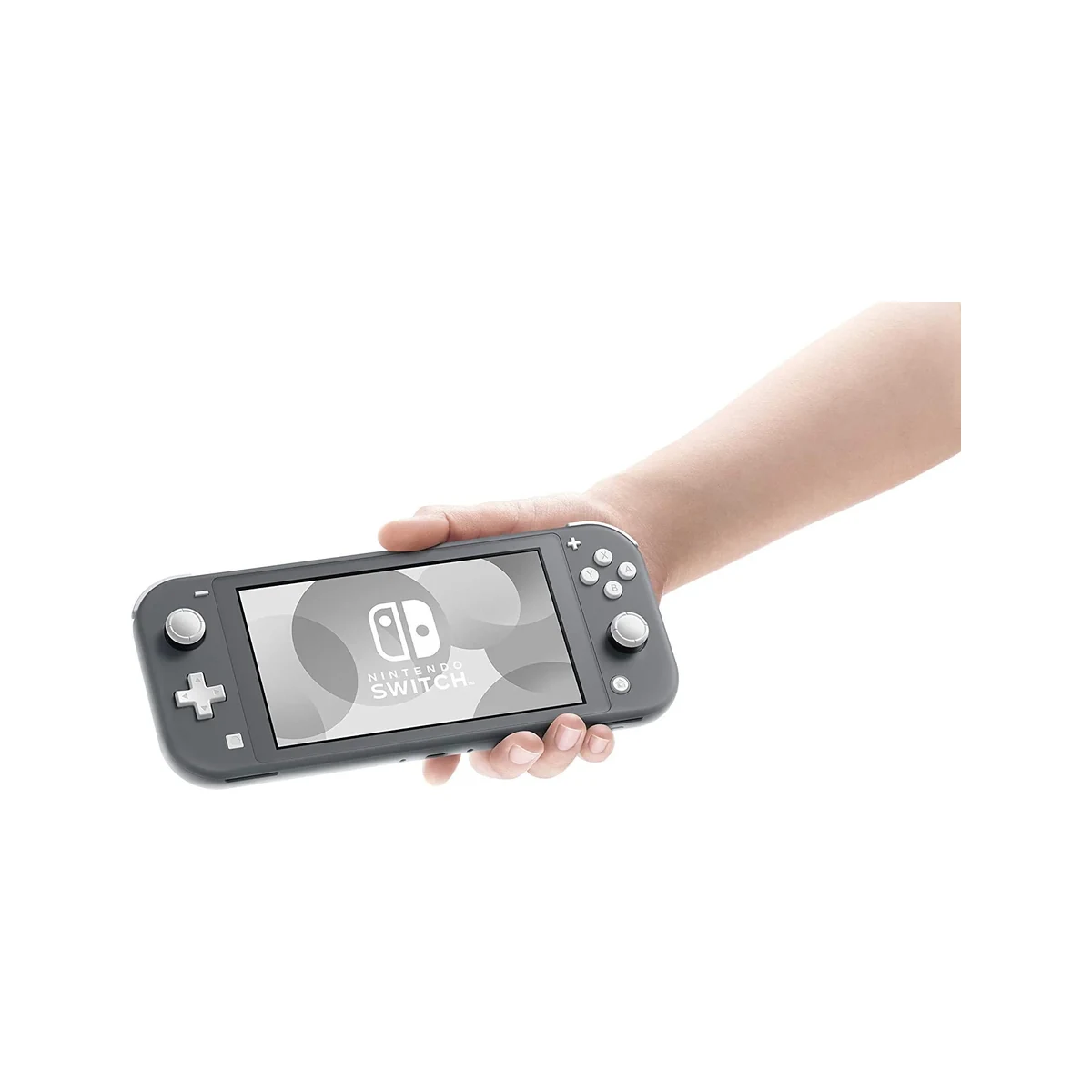
The Nintendo Switch Lite features a sleek, unified unibody design that feels significantly more compact than the original Switch. Its matte plastic construction resists fingerprints while providing excellent grip thanks to gently rounded edges and thoughtfully placed controls. At only 277 grams, the device slips easily into a jacket pocket or bag, making it ideal for commuting, travel, or spontaneous gaming sessions in 2026.
Ergonomics have been refined specifically for handheld play. The integrated Joy-Con style controls sit more naturally under the thumbs, and the slightly smaller chassis suits both smaller and medium-sized hands during extended play. Unlike the standard Switch, there are no detachable controllers, which eliminates wobble and potential connectivity issues while creating a more solid, confidence-inspiring feel in the hands.
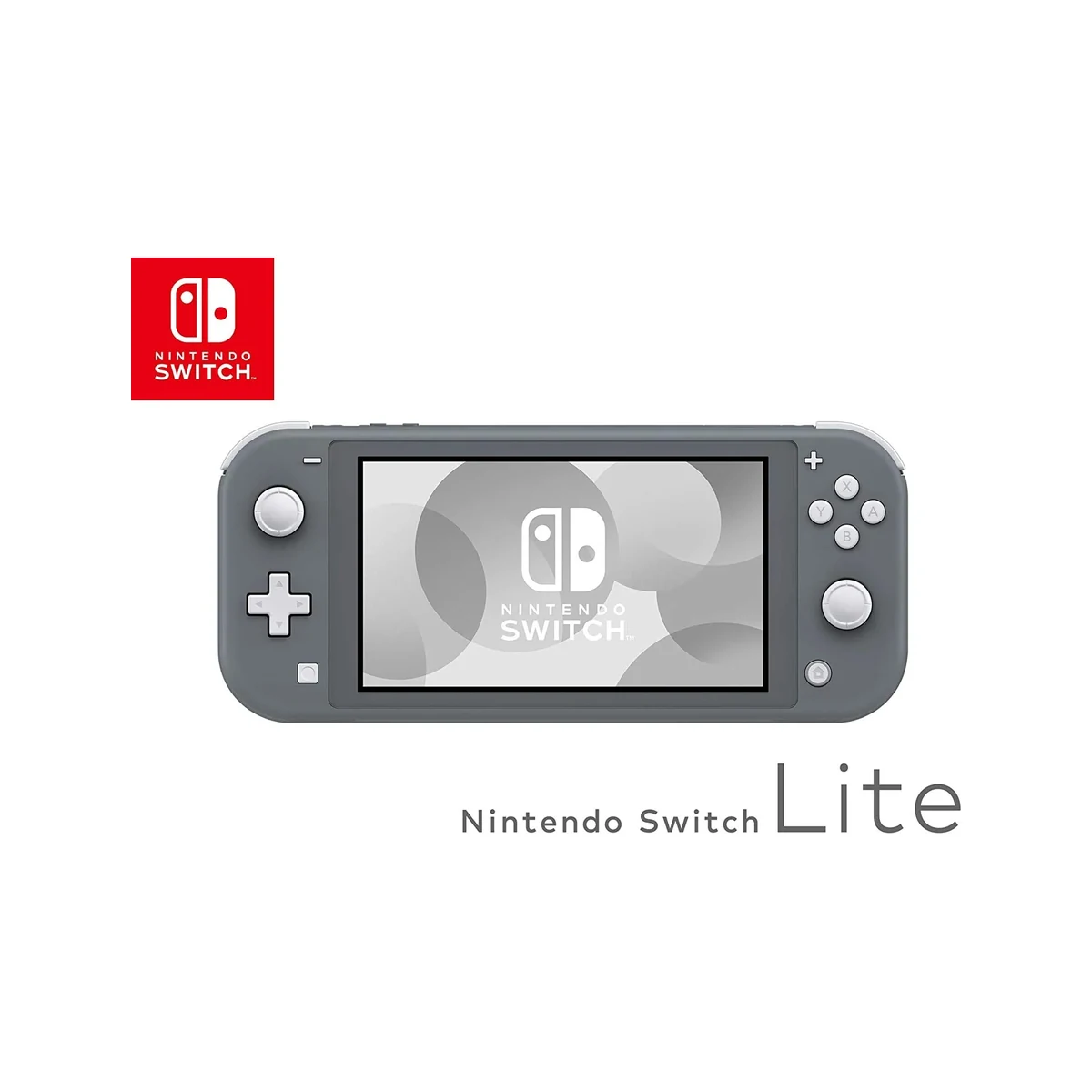
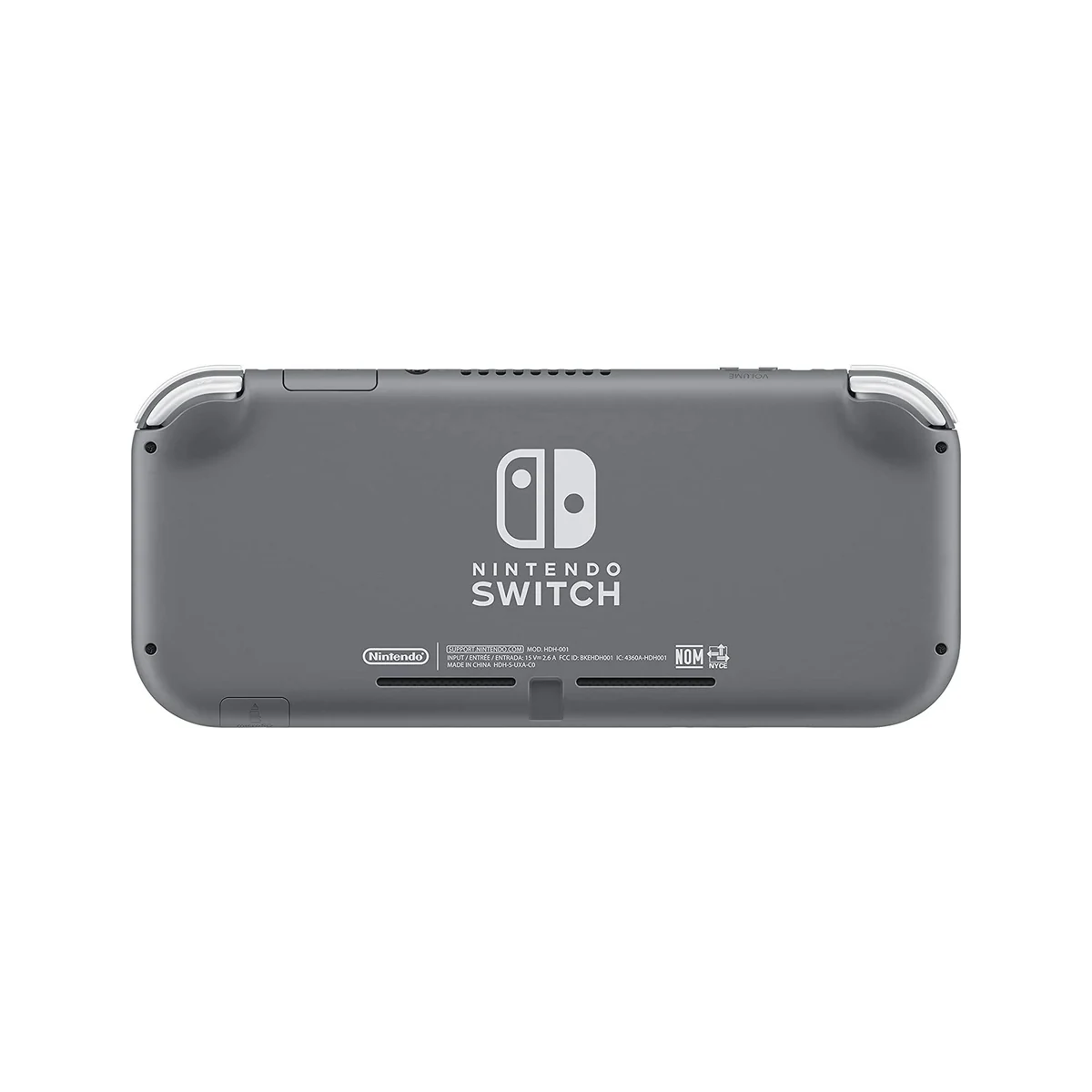
Build quality remains characteristically high for Nintendo. The hinge-less design inspires durability, and the device has proven resilient against the rigors of daily portable use. However, the lack of a kickstand or TV docking capability reinforces its singular purpose as a pure handheld console.
Performance
The Switch Lite utilizes the same custom NVIDIA Tegra X1 chipset found in the original Switch, delivering reliable 720p performance optimized for its native display. First-party Nintendo titles such as The Legend of Zelda: Tears of the Kingdom and Metroid Prime Remastered run smoothly with stable frame rates and minimal thermal throttling. In real-world testing, demanding open-world games maintain consistent 30fps gameplay while lighter titles frequently hit 60fps.
Load times are respectable thanks to fast internal storage and modern microSD cards, though they naturally lag behind newer handhelds powered by AMD or custom silicon in 2026. The console’s efficient thermal design keeps it surprisingly cool during marathon sessions, avoiding the uncomfortable warmth sometimes experienced on more powerful Windows-based portables.
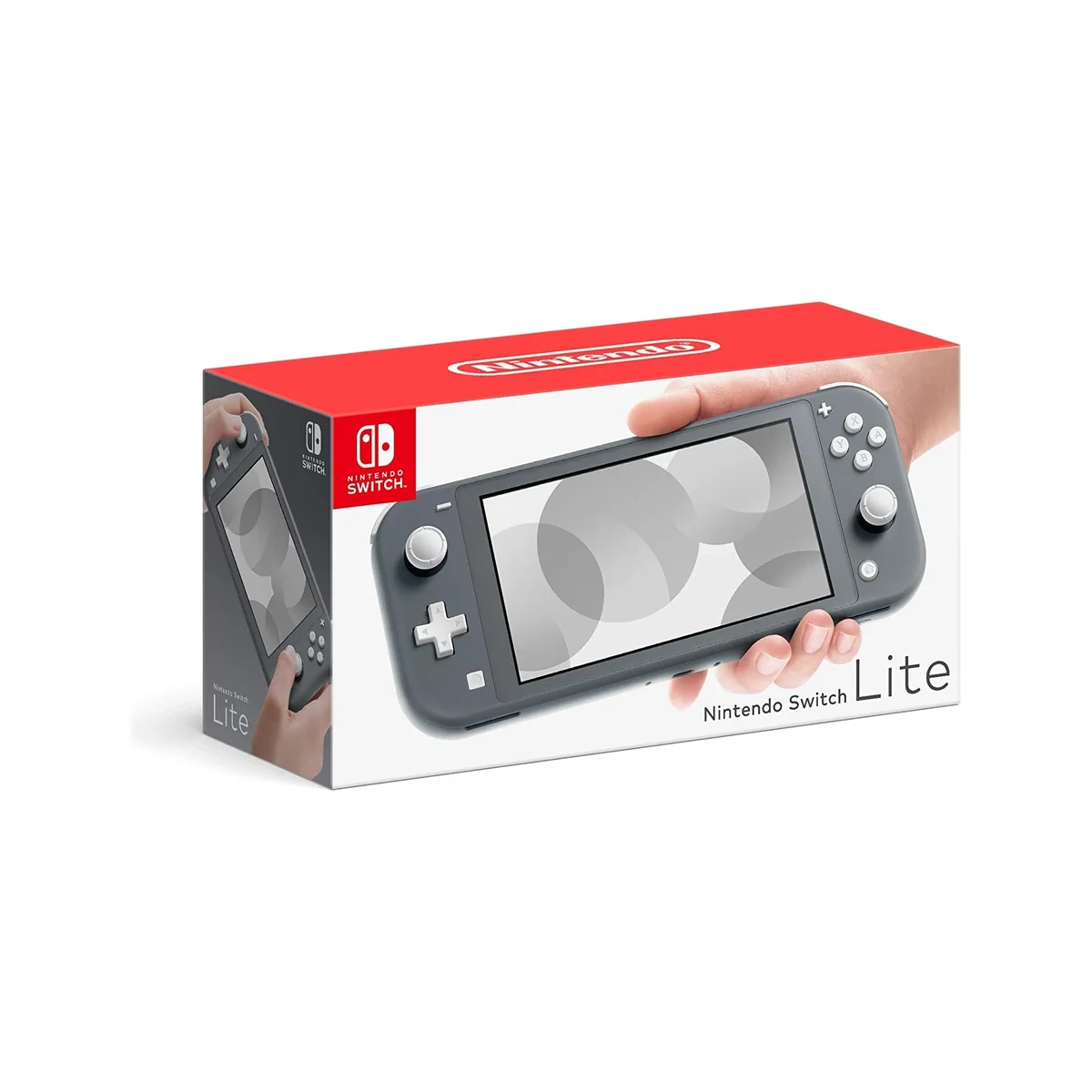
Battery life varies significantly by title. Older 2D games can stretch to seven hours, while graphically intensive releases typically deliver between 3.5 and 5 hours at moderate brightness. This efficiency-focused performance makes the Lite an excellent companion for long flights or road trips where consistent playtime matters more than raw graphical fidelity.
Features & Software
The standout feature of the Switch Lite is its uncompromising focus on portable play. By removing TV output and detachable controllers, Nintendo has created a device that feels purpose-built rather than compromised. The software experience remains excellent, with the intuitive Switch interface, seamless eShop integration, and robust parental controls that continue to set the standard for family-friendly gaming.
Nintendo Switch Online functionality works flawlessly for both online multiplayer and cloud saves. The absence of HD rumble and IR camera is noticeable only to completionists, while the fixed controls completely eliminate the infamous Joy-Con drift problem that plagued earlier models.
Value Proposition
At its current street price in 2026, the Nintendo Switch Lite continues to offer exceptional value for gamers seeking Nintendo’s exclusive library without paying premium prices. It significantly undercuts more powerful PC handhelds while providing access to hundreds of polished first-party and third-party titles that remain unavailable on competing platforms. The console’s focused design philosophy delivers a refined experience rather than a watered-down version of the standard Switch.
For families, commuters, or secondary device buyers, the Lite represents one of the most cost-effective entries into modern gaming. Its long-term software support from Nintendo ensures the library will continue growing, maintaining relevance even as more powerful hardware emerges.
How It Compares
Against the Nintendo Switch OLED, the Lite sacrifices screen vibrancy, a larger display, and TV connectivity for a lighter body and substantially lower price. The OLED model remains preferable for players who want versatility and premium visuals, while the Lite excels for dedicated handheld enthusiasts.
Compared to the PlayStation Portal, the Switch Lite offers superior battery life, a stronger first-party game library, and true portability without relying on a home console for streaming. However, the Portal provides higher visual fidelity when streaming from a PS5. For pure Nintendo fans, the Switch Lite remains the more compelling and self-contained package.
Pros and Cons
Pros
- Delivers exceptional portability with its lightweight 277g chassis and pocket-friendly dimensions.
- Features Nintendo’s vast library of exclusive games perfectly optimized for handheld play.
- Provides solid battery life ranging from 3 to 7 hours depending on the title.
- Eliminates Joy-Con drift issues through its integrated, fixed controller design.
- Represents outstanding value as an affordable entry point to the Nintendo ecosystem in 2026.
Cons
- Cannot connect to a television, limiting versatility compared to the standard Nintendo Switch.
- The 5.5-inch LCD screen lacks the contrast, color accuracy, and black levels of modern OLED displays.
- Its aging Tegra hardware shows limitations when compared to more powerful 2026 handhelds like the Steam Deck.
- Fixed controls require purchasing additional accessories for local multiplayer gaming sessions.
- Missing advanced features including HD rumble and improved motion controls found on other Switch models.
FAQ
Q: Is the Nintendo Switch Lite still worth buying in 2026?
A: Absolutely, especially if your primary focus is portable Nintendo gaming. It offers excellent value and access to an unmatched library of handheld-optimized titles.
Q: Does the Switch Lite support every Nintendo Switch game?
A: The vast majority of the library is compatible, though some games designed heavily around TV play or motion controls may feel less optimal in handheld mode.
Q: How does the battery life compare to newer handhelds?
A: The Lite actually fares quite well, offering 3–7 hours depending on the game. Its efficiency-focused hardware often outlasts more powerful devices running demanding PC games.
Q: Can you use the Switch Lite for local multiplayer?
A: Yes, but you will need additional controllers since the device only has one built-in set of controls.
Q: Does it have the same screen as the original Switch?
A: It uses the same LCD technology but in a smaller 5.5-inch form factor. The Switch OLED model features a superior screen.
Verdict
The Nintendo Switch Lite remains the best choice for gamers who want a dedicated, lightweight handheld focused entirely on portable play. In 2026 it continues to excel for travelers, families, younger players, and anyone prioritizing Nintendo’s world-class exclusives over raw power or versatility. If you don’t need TV output and want maximum value from the Switch ecosystem, the Lite is still an outstanding recommendation.
Pros
- ✓ Delivers exceptional portability with its lightweight 277g chassis and pocket-friendly dimensions.
- ✓ Features Nintendo’s vast library of exclusive games perfectly optimized for handheld play.
- ✓ Provides solid battery life ranging from 3 to 7 hours depending on the title.
- ✓ Eliminates Joy-Con drift issues through its integrated, fixed controller design.
- ✓ Represents outstanding value as an affordable entry point to the Nintendo ecosystem in 2026.
Cons
- ✗ Cannot connect to a television, limiting versatility compared to the standard Nintendo Switch.
- ✗ The 5.5-inch LCD screen lacks the contrast, color accuracy, and black levels of modern OLED displays.
- ✗ Its aging Tegra hardware shows limitations when compared to more powerful 2026 handhelds like the Steam Deck.
- ✗ Fixed controls require purchasing additional accessories for local multiplayer gaming sessions.
- ✗ Missing advanced features including HD rumble and improved motion controls found on other Switch models.
Where to Buy the Nintendo Switch Lite





Prices may vary. Affiliate links — we may earn a commission at no extra cost to you.
Related Reviews

Affiliate links — we may earn a commission at no extra cost to you.