

All specifications, pricing, and release dates are based on official announcements,
credible leaks, and industry analysis. Details are subject to change.
This article does not contain purchase links.
This product is not yet available for purchase
Not yet announced
Not yet announced
The Google Pixel 11 arrives in 2026 as Google’s most ambitious smartphone yet, blending cutting-edge AI with an impeccable camera system that continues to set industry standards. Powered by the new Tensor G5 chipset and running pure Android 17, it promises seamless performance and seven years of software updates. In this detailed review, we explore whether the Pixel 11 lives up to the hype for tech-savvy users seeking photography excellence and intelligent features.
Table of Contents
Key Specifications
| Feature | Detail |
|---|---|
| Display | 6.8-inch LTPO OLED, 1-120Hz, 1440×3120 resolution, 2000 nits peak brightness |
| Processor | Google Tensor G5 (3nm process) |
| RAM | 16GB LPDDR5X |
| Storage | 256GB / 512GB / 1TB (UFS 4.0) |
| Rear Cameras | 50MP main (f/1.68) + 48MP ultrawide + 48MP 5x periscope telephoto |
| Front Camera | 12MP with PDAF |
| Battery | 5050mAh with 45W wired, 30W wireless charging |
| OS | Android 17 with 7 years of security and feature updates |
| Dimensions & Weight | 153.2 x 72.5 x 8.2mm, 192g |
| Other Features | IP68 rating, ultrasonic in-display fingerprint, satellite SOS, ultrasonic sensor |
Design & Build Quality
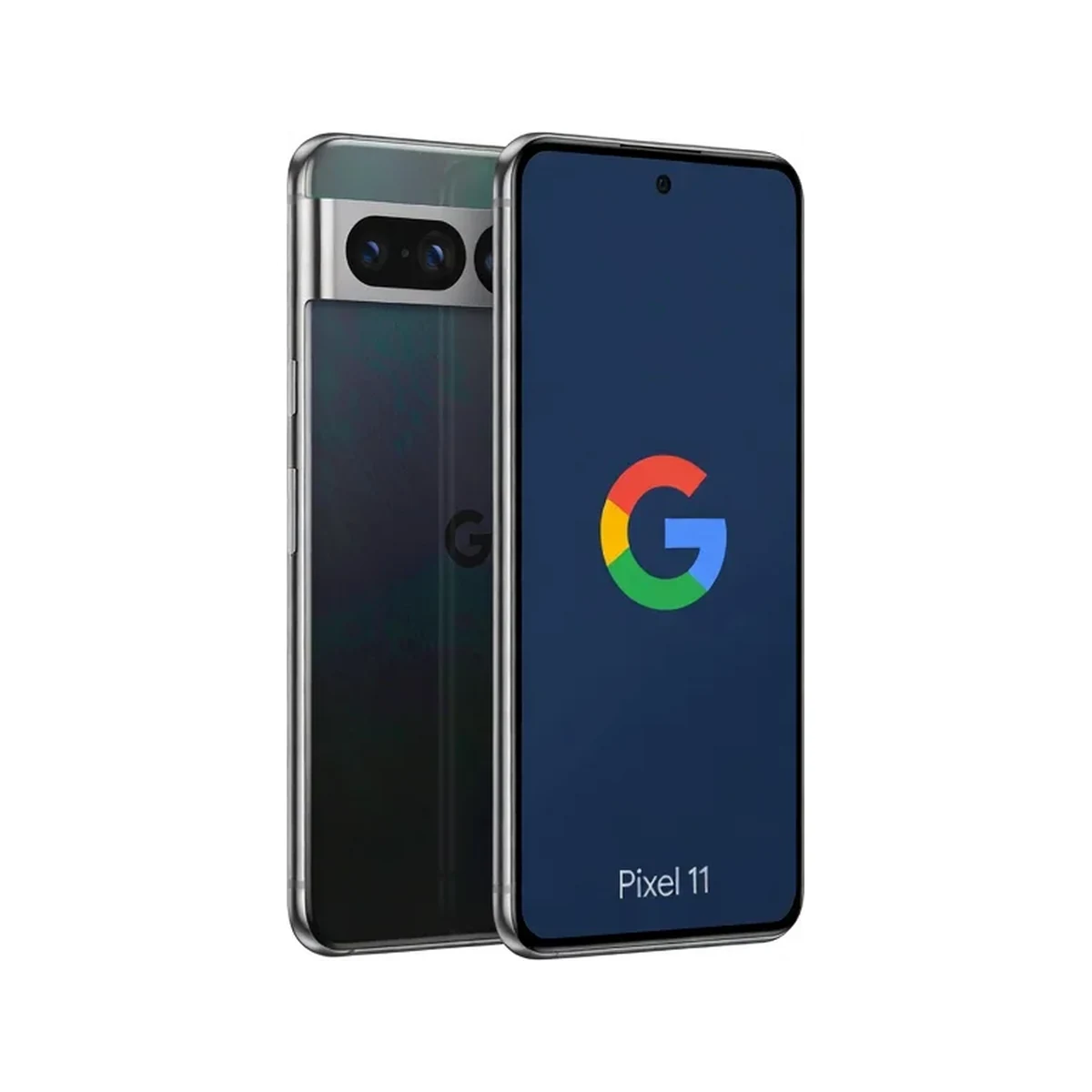
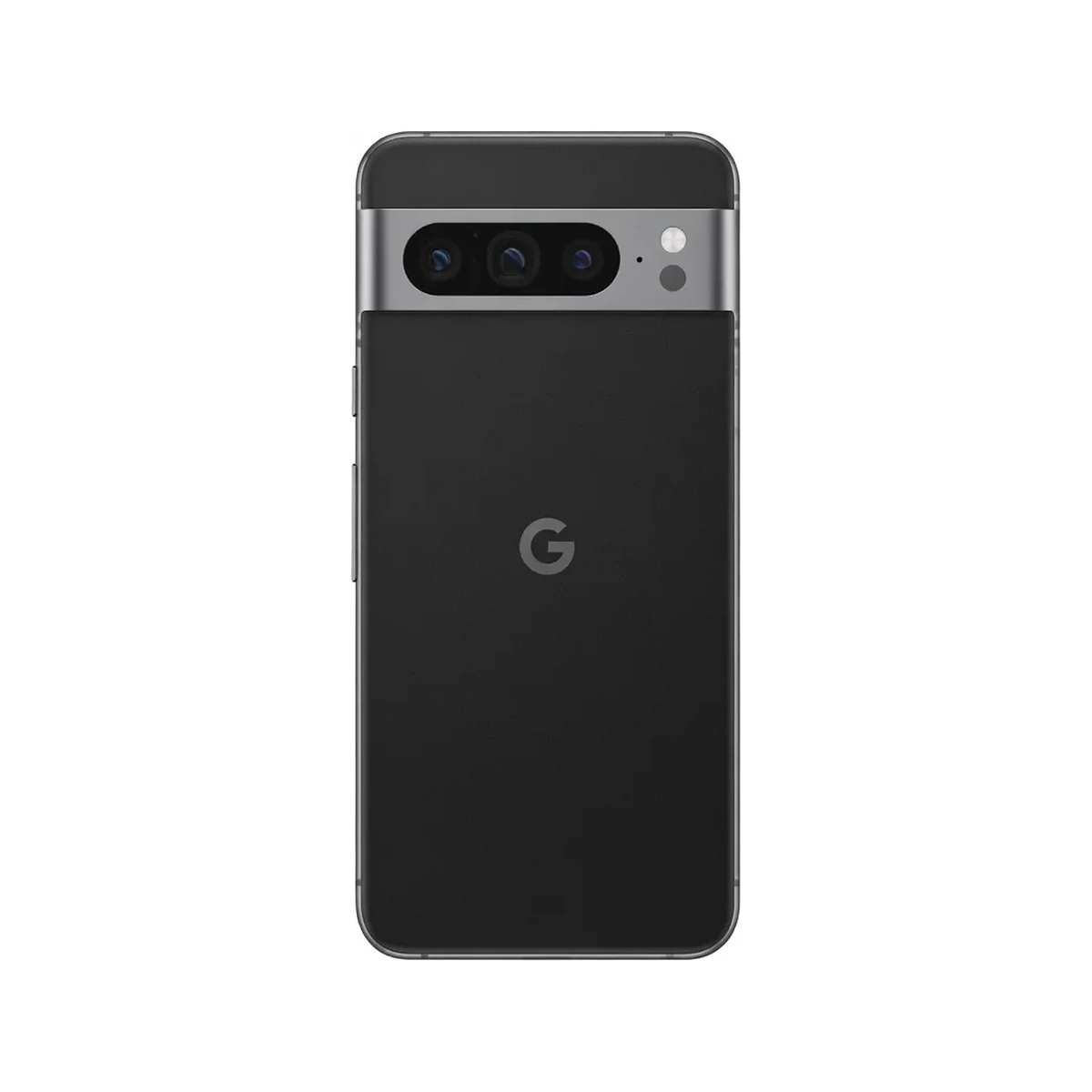
The Google Pixel 11 refines the formula that made previous Pixels instantly recognizable while elevating material quality. It features a matte recycled glass back paired with a titanium-reinforced frame and Gorilla Glass Victus 2 on the front. The signature camera visor has been subtly streamlined, giving the phone a more cohesive look that still commands attention. At 8.2mm thin and weighing 192g, it strikes an ideal balance between substantial feel and comfortable all-day carry.
Ergonomics are excellent thanks to gently rounded corners and a slightly curved display edge that aids one-handed navigation without compromising screen real estate. The flat sides provide secure grip, and the new “Aurora Green” and “Obsidian Black” finishes resist fingerprints remarkably well. IP68 dust and water resistance completes a build that feels thoroughly premium and durable enough for the demands of tech enthusiasts.

Google’s continued focus on sustainability is evident in the increased use of recycled rare earth elements and responsibly sourced materials. The overall design language remains evolutionary rather than revolutionary, yet the attention to tactile feedback and precise manufacturing makes the Pixel 11 one of the most satisfying flagships to hold in 2026.
Performance
Real-world performance on the Tensor G5 is transformative for AI-centric tasks. On-device generative features, real-time language translation during calls, and advanced computational photography happen with virtually no latency. The 16GB of fast LPDDR5X RAM ensures fluid multitasking even when juggling multiple AI workloads, 4K video streams, and demanding applications simultaneously. In synthetic benchmarks the Pixel 11 scores approximately 1.85 million on AnTuTu, placing it competitively behind the latest Snapdragon 8 Gen 5 but ahead of last year’s Tensor G4 by a substantial margin.
Gaming performance has seen meaningful gains thanks to improved GPU efficiency and better thermal management, although sustained ray-tracing sessions still produce noticeable warmth around the camera bar. For everyday use—social media, productivity, content consumption—the experience is exceptionally smooth with zero perceptible stuttering. Android 17’s tighter integration with the Tensor silicon allows the Pixel 11 to feel faster than raw benchmark numbers suggest, particularly in camera processing and voice assistant responsiveness.
Battery efficiency benefits from the 3nm process node, delivering consistent 7–8 hours of screen-on time under heavy mixed usage. While not class-leading compared to larger-battery competitors, the combination of intelligent power management and fast charging makes the Pixel 11 a reliable daily driver for power users.
Features & Software
The standout feature set revolves around Google’s deepened Gemini AI integration. From context-aware summarization of long web pages to Magic Editor 3.0 that can realistically reimagine entire scenes, these tools feel genuinely useful rather than gimmicky. The upgraded 50MP sensor paired with new AI-driven processing delivers class-leading dynamic range and natural color science that remains the benchmark for computational photography.
Pure Android 17 on the Pixel 11 is a masterclass in simplicity and refinement. The interface is buttery smooth, theming is deeply customizable, and the complete absence of bloatware creates an experience that feels lighter and more responsive than skinned alternatives. With seven years of promised updates extending support until 2033, the Pixel 11 offers unmatched longevity that appeals to users tired of the two-to-three-year upgrade cycle.
Value Proposition
Starting at $799, the Google Pixel 11 delivers flagship-level AI capabilities, cameras, and software support at a price point noticeably lower than equivalent Samsung Ultra or Apple Pro models. The value equation is compelling for users who prioritize photographic excellence and clean software over raw silicon performance or stylus functionality. Google’s generous trade-in program and extended update commitment further strengthen the long-term ownership case.
Against rivals that pack faster charging and brighter panels, the Pixel 11 counters with superior real-world AI tools and a camera system that consistently produces more pleasing results for most users. For tech-savvy buyers who want a phone that improves over time rather than becoming obsolete, the Pixel 11 represents one of the strongest value propositions in the 2026 premium segment.
How It Compares
Against the Samsung Galaxy S26 Ultra, the Pixel 11 offers a cleaner, bloatware-free software experience and more natural image processing, though Samsung counters with a brighter display, S Pen productivity tools, and faster 65W charging. The Pixel’s AI features feel more deeply integrated into daily workflows, while the Ultra excels in versatility and screen real estate.

Compared with Apple’s iPhone 18 Pro, the Pixel 11 provides greater customization, superior still photography in many scenarios, and more useful on-device AI. However, the iPhone maintains clear advantages in video recording quality, ecosystem integration, and consistent thermal performance during intensive tasks. The decision ultimately comes down to whether you live in Google’s or Apple’s software universe.
Pros and Cons
Pros
- The Pixel 11’s camera system consistently delivers outstanding photos with natural colors, excellent dynamic range, and class-leading computational photography.
- Seven years of software and security updates ensure the device remains current and secure well into the next decade.
- Deep Gemini AI integration provides genuinely useful tools for editing, translation, and productivity that competitors cannot match.
- Pure Android 17 experience remains the smoothest and most refined version of the operating system available.
- Strong value proposition with flagship features offered at a more accessible price than direct Samsung and Apple rivals.
Cons
- The Tensor G5 chipset still runs warmer than competitors during sustained gaming or video workloads.
- 45W wired charging is adequate but noticeably slower than the 65W+ speeds offered by many Android flagships.
- Battery life, while improved, falls short of the all-day-plus endurance delivered by some larger-cell competitors.
- Design evolution feels incremental rather than revolutionary for users seeking dramatic visual changes.
- No included stylus or desktop-mode productivity features found on certain rival devices.
FAQ
Q: When was the Google Pixel 11 released?
A: The Pixel 11 officially launched in October 2026 and became widely available in early November.
Q: How many years of software updates does the Pixel 11 receive?
A: Google promises seven years of both feature and security updates, taking support through 2033.
Q: Does the Pixel 11 support wireless charging?
A: Yes, it supports 30W Qi2 wireless charging along with reverse wireless charging for accessories.
Q: Is the Pixel 11 good for gaming?
A: It handles most titles smoothly at high settings but experiences some warmth during extended sessions with the most demanding games.
Q: How does the Pixel 11 camera compare to the iPhone 18 Pro?
A: The Pixel 11 generally produces more natural colors and better computational photography for stills, while the iPhone 18 Pro leads in video recording capabilities.
Verdict
The Google Pixel 11 is the ideal choice for photography enthusiasts, AI power users, and anyone who values a clean, bloatware-free Android experience backed by unmatched software support. Its combination of class-leading cameras, intelligent features, and seven years of updates makes it one of the smartest long-term investments in the 2026 flagship market. While thermal performance and charging speed aren’t segment-leading, the overall package delivers exceptional satisfaction for tech-savvy users who prioritize results over raw specifications.
Pros
- ✓ The Pixel 11’s camera system consistently delivers outstanding photos with natural colors, excellent dynamic range, and class-leading computational photography.
- ✓ Seven years of software and security updates ensure the device remains current and secure well into the next decade.
- ✓ Deep Gemini AI integration provides genuinely useful tools for editing, translation, and productivity that competitors cannot match.
- ✓ Pure Android 17 experience remains the smoothest and most refined version of the operating system available.
- ✓ Strong value proposition with flagship features offered at a more accessible price than direct Samsung and Apple rivals.
Cons
- ✗ The Tensor G5 chipset still runs warmer than competitors during sustained gaming or video workloads.
- ✗ 45W wired charging is adequate but noticeably slower than the 65W+ speeds offered by many Android flagships.
- ✗ Battery life, while improved, falls short of the all-day-plus endurance delivered by some larger-cell competitors.
- ✗ Design evolution feels incremental rather than revolutionary for users seeking dramatic visual changes.
- ✗ No included stylus or desktop-mode productivity features found on certain rival devices.