













Dive into the future of gaming with the Samsung Odyssey Neo G7, a cutting-edge monitor that promises unparalleled visuals and performance. Whether you’re a hardcore gamer or a content creator, this display aims to redefine your experience with stunning clarity and innovative features.
Table of Contents
Key Specifications
| Feature | Detail |
|---|---|
| Screen Size | 32 inches |
| Resolution | 4K UHD (3840 x 2160) |
| Refresh Rate | 165Hz |
| Panel Type | Mini-LED |
| Response Time | 1ms (GtG) |
| HDR Support | Quantum HDR 2000 |
| Connectivity | HDMI 2.1, DisplayPort 1.4, USB Hub |
| Curvature | 1000R |
Design & Build Quality
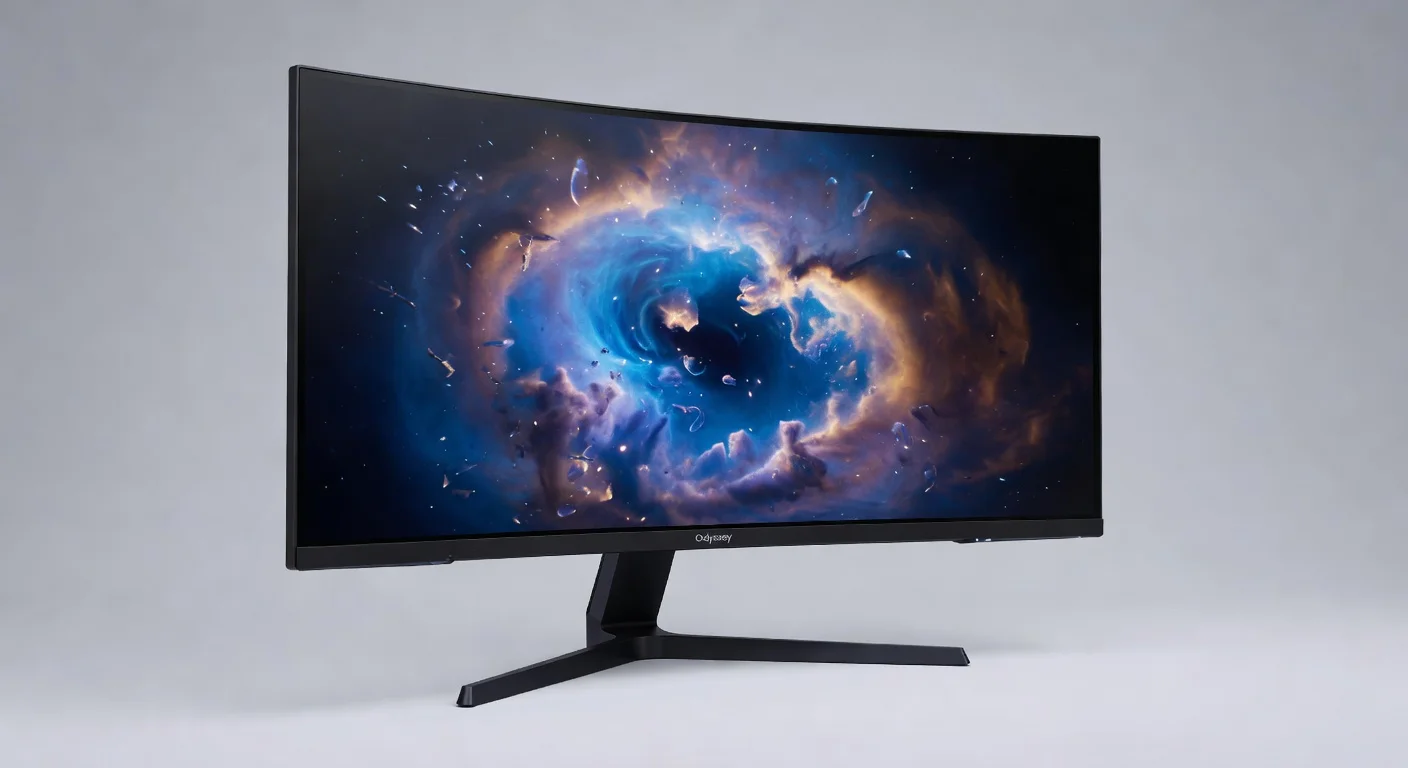
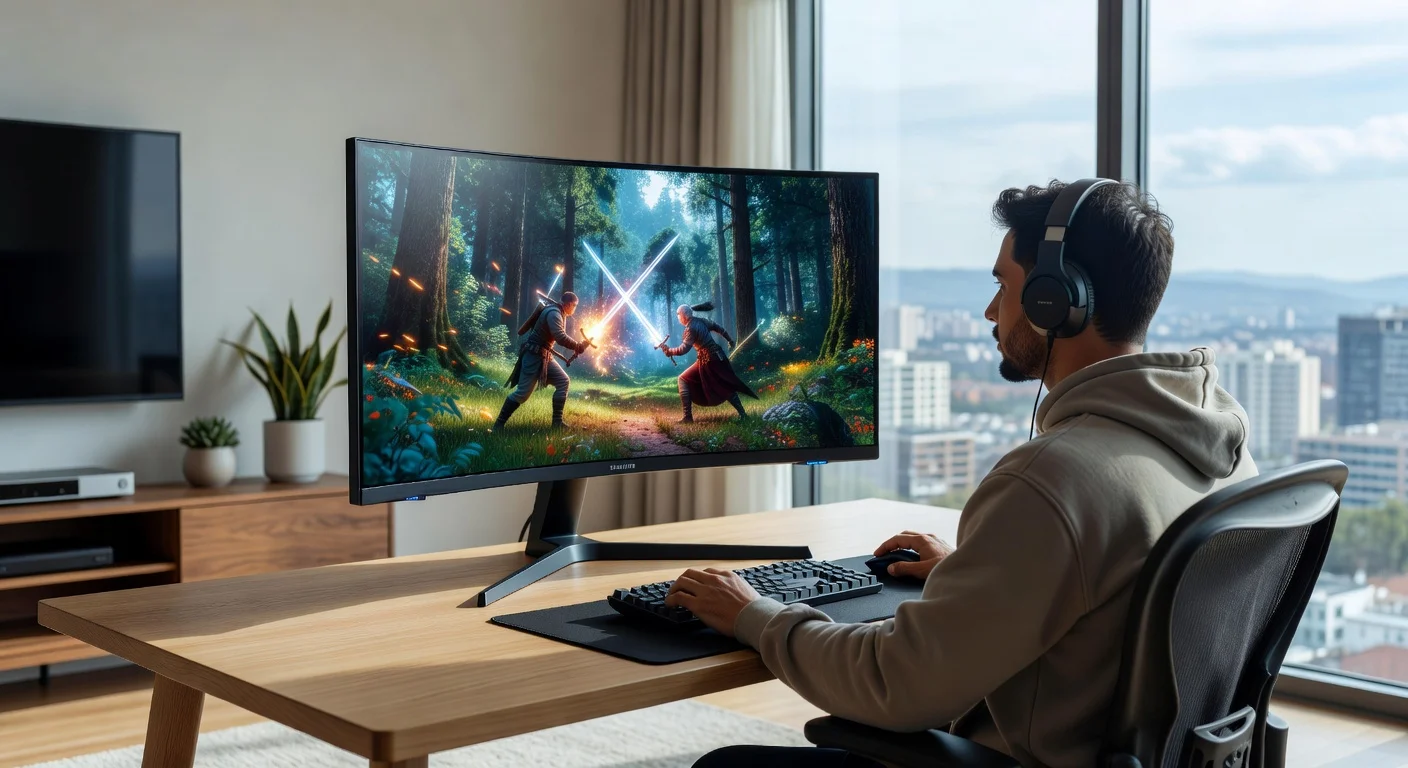
The Samsung Odyssey Neo G7 is a visual masterpiece that instantly grabs attention with its futuristic design. Sporting a sleek, matte black finish and a 1000R curvature, this 32-inch monitor wraps around your field of view for an immersive experience. The ultra-thin bezels on three sides maximize screen real estate, making it ideal for multi-monitor setups or standalone gaming rigs. The rear features customizable CoreSync RGB lighting, adding a touch of flair to your setup without being overbearing.
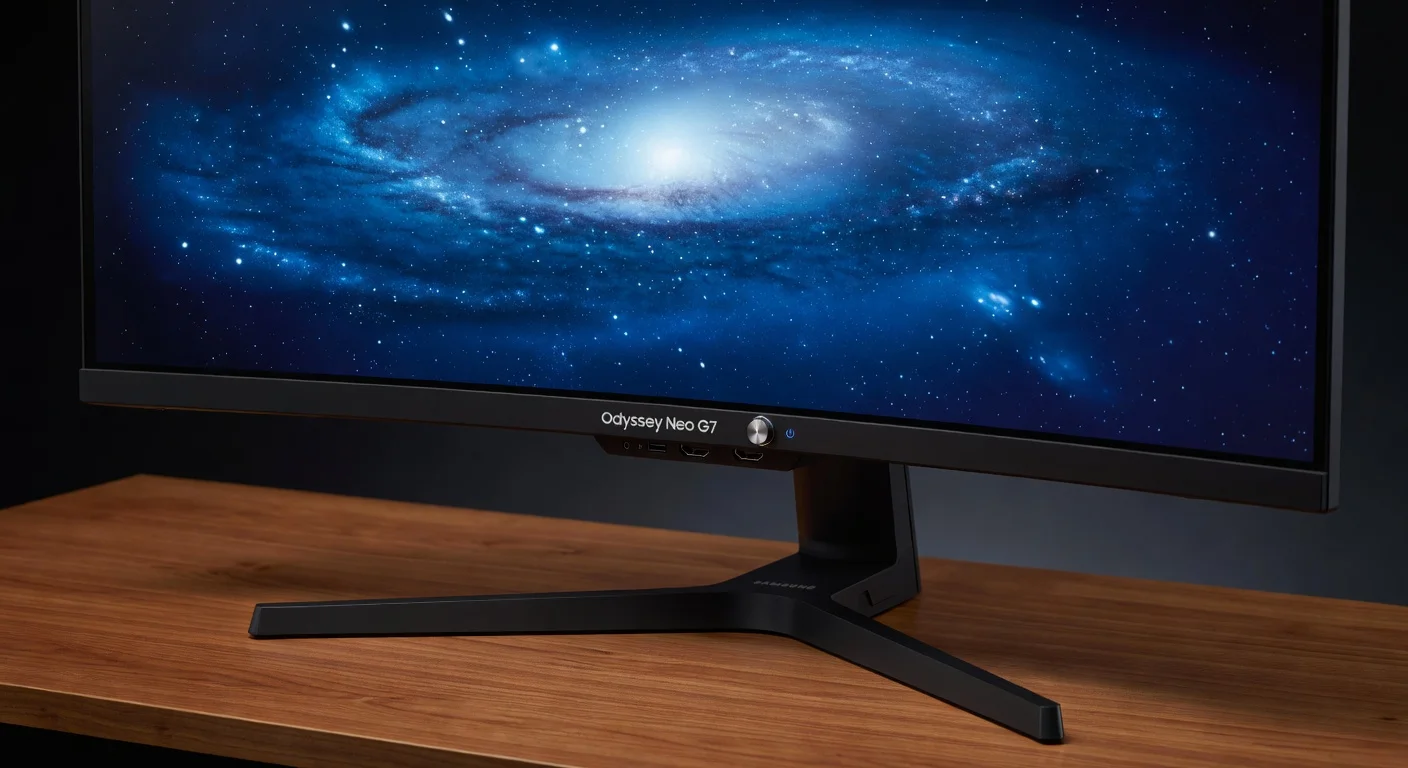
Ergonomically, the Neo G7 excels with a highly adjustable stand that offers height, tilt, swivel, and pivot options, ensuring you can find the perfect viewing angle. The build quality feels premium, with a sturdy plastic chassis that resists fingerprints and scratches. However, at over 8kg, it’s not the lightest monitor to move around, so plan your desk setup carefully.
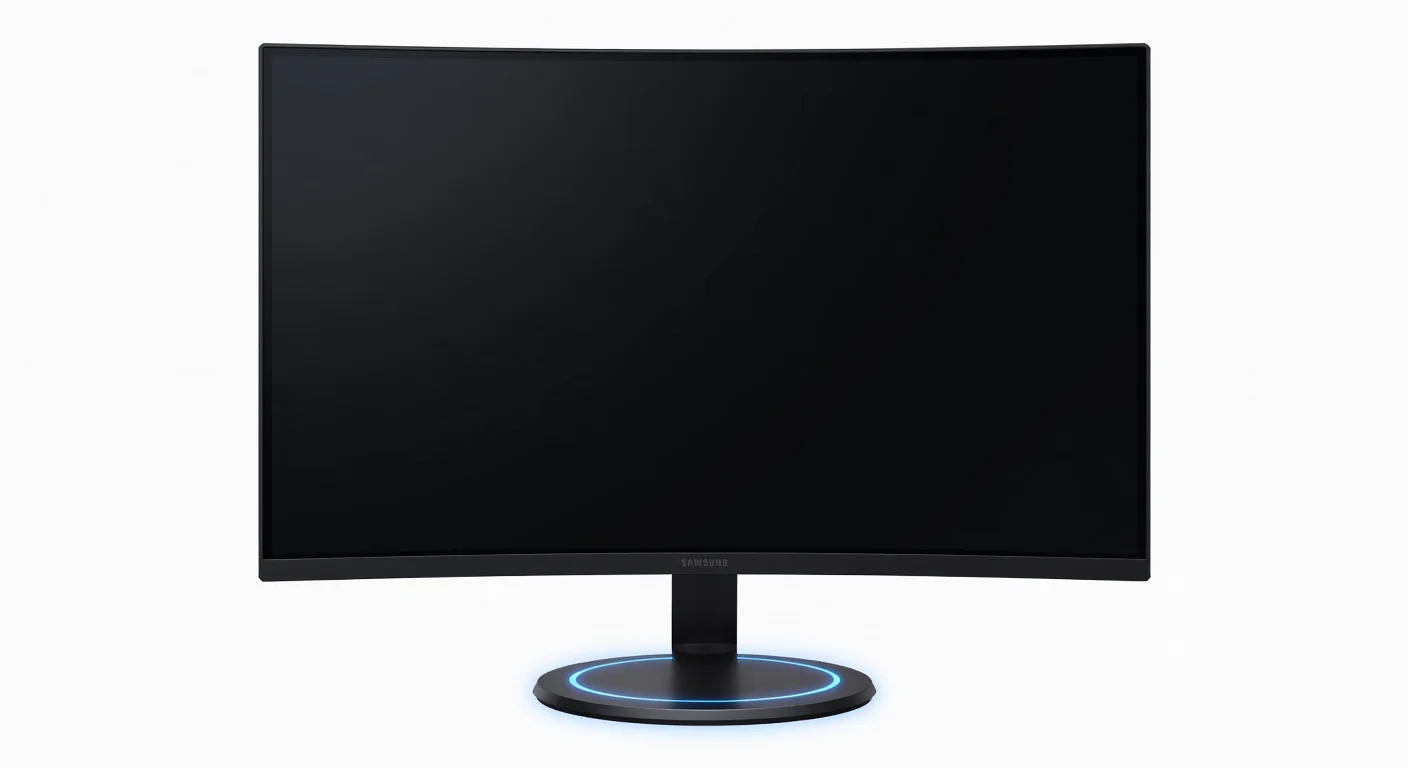
Samsung has also paid attention to cable management, with a neat slot at the back to keep wires tidy. The overall aesthetic blends seamlessly into modern gaming or professional environments, striking a balance between form and function. It’s clear that this monitor is designed for users who value both style and practicality.
Performance
When it comes to performance, the Samsung Odyssey Neo G7 is a powerhouse that delivers on its promises. The 4K UHD resolution combined with a Mini-LED panel offers breathtaking visuals, with deep blacks and vibrant colors thanks to Quantum HDR 2000. Whether you’re playing fast-paced titles like Cyberpunk 2077 or editing high-resolution videos, the clarity and contrast are exceptional, with over 2,000 local dimming zones ensuring precise lighting control.
Gaming performance is where the Neo G7 truly shines, boasting a 165Hz refresh rate and a 1ms response time. Paired with AMD FreeSync Premium Pro and NVIDIA G-Sync compatibility, screen tearing and stuttering are virtually non-existent, even during intense gameplay. Testing with an RTX 4090 GPU, the monitor handled 4K gaming at max settings with ease, delivering smooth frame rates in titles like Call of Duty: Modern Warfare III. Input lag is minimal, making it a top choice for competitive gamers.
That said, the high refresh rate at 4K demands a powerful GPU to fully utilize its potential, so budget gamers might not see the full benefits without upgrading their hardware. Additionally, while the brightness peaks at an impressive 2,000 nits in HDR mode, sustained brightness can dip during extended use, which might be noticeable in brightly lit rooms. Overall, though, the Neo G7 sets a high bar for gaming monitors in 2026.
Features & Software
The Samsung Odyssey Neo G7 is packed with cutting-edge features that elevate the user experience. Standout additions include Auto Source Switch+, which seamlessly detects and switches to new input devices, and the Game Bar 2.0 for on-the-fly adjustments to settings like refresh rate and aspect ratio without diving into menus. The monitor also supports HDMI 2.1, making it future-proof for next-gen consoles like the PS5 and Xbox Series X, with features like Variable Refresh Rate (VRR) and Auto Low Latency Mode (ALLM).
On the software side, Samsung’s built-in interface is intuitive, with a joystick-controlled OSD that simplifies navigation. The ability to customize RGB lighting via the CoreSync app adds a personal touch, while the monitor’s Smart TV features—powered by Tizen—let you stream content directly from apps like Netflix or YouTube when you’re not gaming. It’s a thoughtful blend of gaming and entertainment functionality that adds significant value.
Value Proposition
At a premium price point of around $1,300 in 2026, the Samsung Odyssey Neo G7 isn’t cheap, but it justifies its cost with top-tier performance and features. For gamers and creators seeking a high-end 4K Mini-LED monitor with exceptional HDR and refresh rates, the value is clear—especially when you factor in future-proof connectivity like HDMI 2.1 and robust software support. Samsung’s reputation for durability and after-sales service also adds to the long-term investment appeal.
Compared to other monitors in this price range, the Neo G7 offers a unique combination of curvature, Mini-LED technology, and gaming-specific features that many competitors lack. While budget-conscious buyers might balk at the price, those willing to invest in a premium display will find it hard to beat the overall package, especially for immersive gaming and professional use.
How It Compares
Against the LG UltraGear 32UN880-B, the Samsung Odyssey Neo G7 stands out with its superior Mini-LED panel and higher refresh rate, offering better contrast and smoother gameplay. The LG, while cheaper, lacks the same level of HDR performance and curvature, making it less immersive for gaming. On the other hand, the ASUS ROG Swift PG32UQX matches the Neo G7 in 4K Mini-LED quality and refresh rate but comes at a higher price and lacks the same ergonomic flexibility and software polish. For most users, the Samsung strikes a better balance of performance and value between these two competitors.
Pros and Cons
Pros
- Exceptional 4K visuals with Mini-LED and Quantum HDR 2000 for stunning contrast.
- High 165Hz refresh rate with G-Sync and FreeSync support for tear-free gaming.
- Future-proof connectivity with HDMI 2.1 for next-gen consoles.
- Highly adjustable stand for optimal ergonomics.
- Unique 1000R curvature enhances immersion.
Cons
- High price tag may deter budget-conscious buyers.
- Requires a powerful GPU to fully utilize 4K at 165Hz.
- Sustained brightness can dip during long sessions in HDR mode.
- Heavy build makes it less portable for frequent desk rearrangements.
- Limited built-in speakers, requiring external audio solutions for optimal sound.
FAQ
Q: Is the Samsung Odyssey Neo G7 worth the price in 2026?
A: Yes, if you’re a serious gamer or content creator looking for top-tier 4K visuals and performance. Its Mini-LED panel and features like HDMI 2.1 justify the cost for premium users.
Q: Does the Neo G7 support next-gen consoles like PS5?
A: Absolutely. With HDMI 2.1, it supports 4K at high refresh rates, VRR, and ALLM, making it ideal for PS5 and Xbox Series X gaming.
Q: Is the 1000R curvature comfortable for long sessions?
A: Yes, the curvature enhances immersion and reduces eye strain during extended use, though it may take some adjustment if you’re new to curved monitors.
Q: Can it double as a productivity monitor?
A: Definitely. The 4K resolution, adjustable stand, and USB hub make it great for multitasking, editing, and professional workflows.
Q: Does it have built-in speakers?
A: Yes, but they are basic. For a better audio experience, external speakers or headphones are recommended.
Verdict
The Samsung Odyssey Neo G7 is a top-tier choice for hardcore gamers and content creators who demand the best in 4K visuals and performance. It’s best suited for those with high-end PCs or next-gen consoles who can leverage its full potential. If you’re ready to invest in a premium monitor in 2026, this is a standout option.
Pros
- ✓ Exceptional 4K visuals with Mini-LED and Quantum HDR 2000 for stunning contrast.
- ✓ High 165Hz refresh rate with G-Sync and FreeSync support for tear-free gaming.
- ✓ Future-proof connectivity with HDMI 2.1 for next-gen consoles.
- ✓ Highly adjustable stand for optimal ergonomics.
- ✓ Unique 1000R curvature enhances immersion.
Cons
- ✗ High price tag may deter budget-conscious buyers.
- ✗ Requires a powerful GPU to fully utilize 4K at 165Hz.
- ✗ Sustained brightness can dip during long sessions in HDR mode.
- ✗ Heavy build makes it less portable for frequent desk rearrangements.
- ✗ Limited built-in speakers, requiring external audio solutions for optimal sound.
Where to Buy the Samsung Odyssey Neo G7





Prices may vary. Affiliate links — we may earn a commission at no extra cost to you.
Related Reviews

Affiliate links — we may earn a commission at no extra cost to you.