







The Whoop 4.0 has established itself as a staple in the fitness wearable market, but does its screen-free, data-heavy approach still hold up in 2026? We dive deep into its biometric tracking, recovery algorithms, and unique subscription model to see if it remains the ultimate tool for biohackers and athletes.
Table of Contents
Key Specifications
| Feature | Detail |
|---|---|
| Sensors | 5 LEDs, 4 Photodiodes, SpO2, Skin Temperature |
| Battery Life | Up to 4-5 days (wireless charging battery pack) |
| Display | None (Screen-free design) |
| Water Resistance | IP68, dustproof, and water-resistant up to 10 meters |
| Connectivity | Bluetooth Low Energy (BLE) |
| Weight | 27 grams |
Design & Build Quality
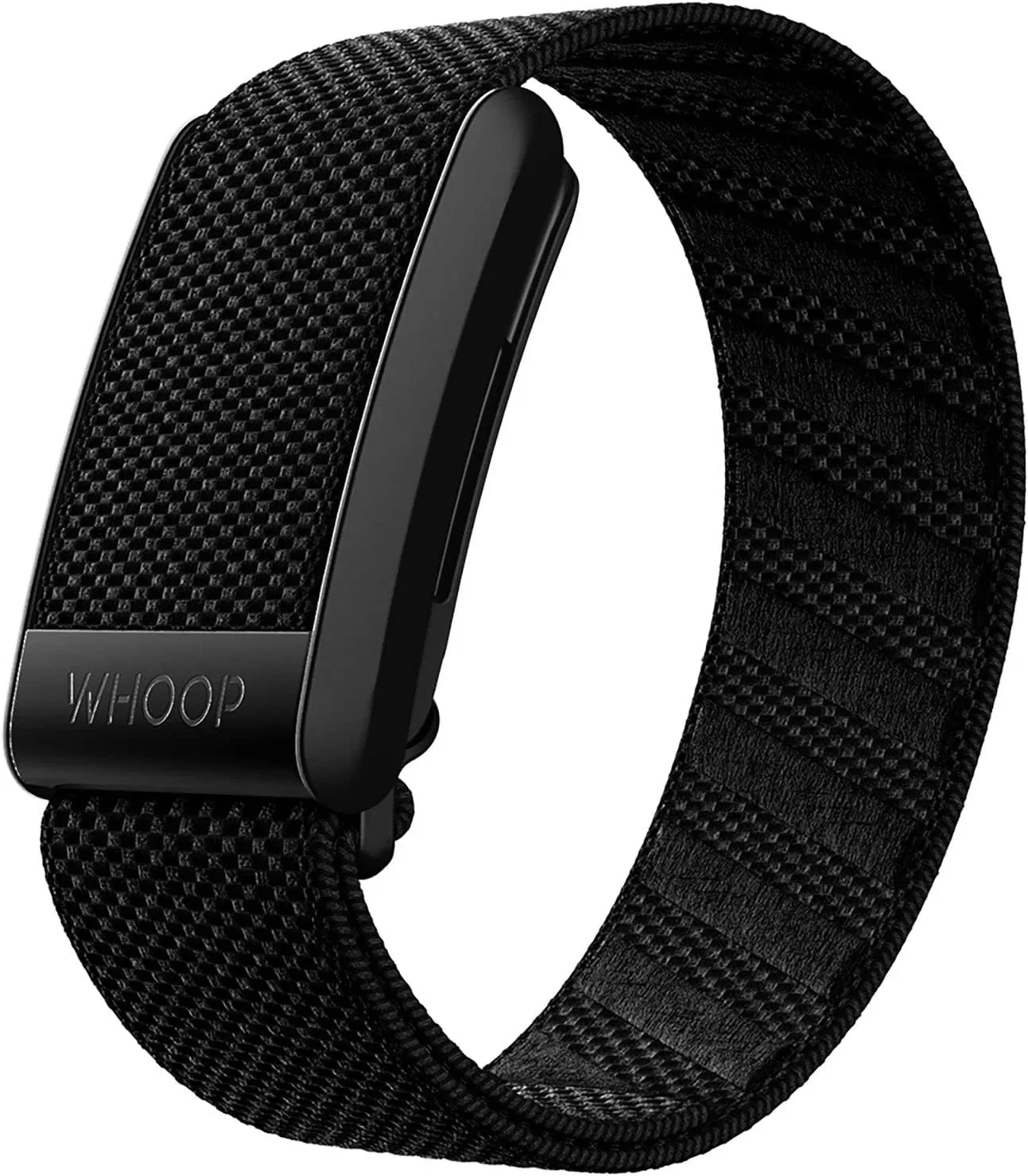
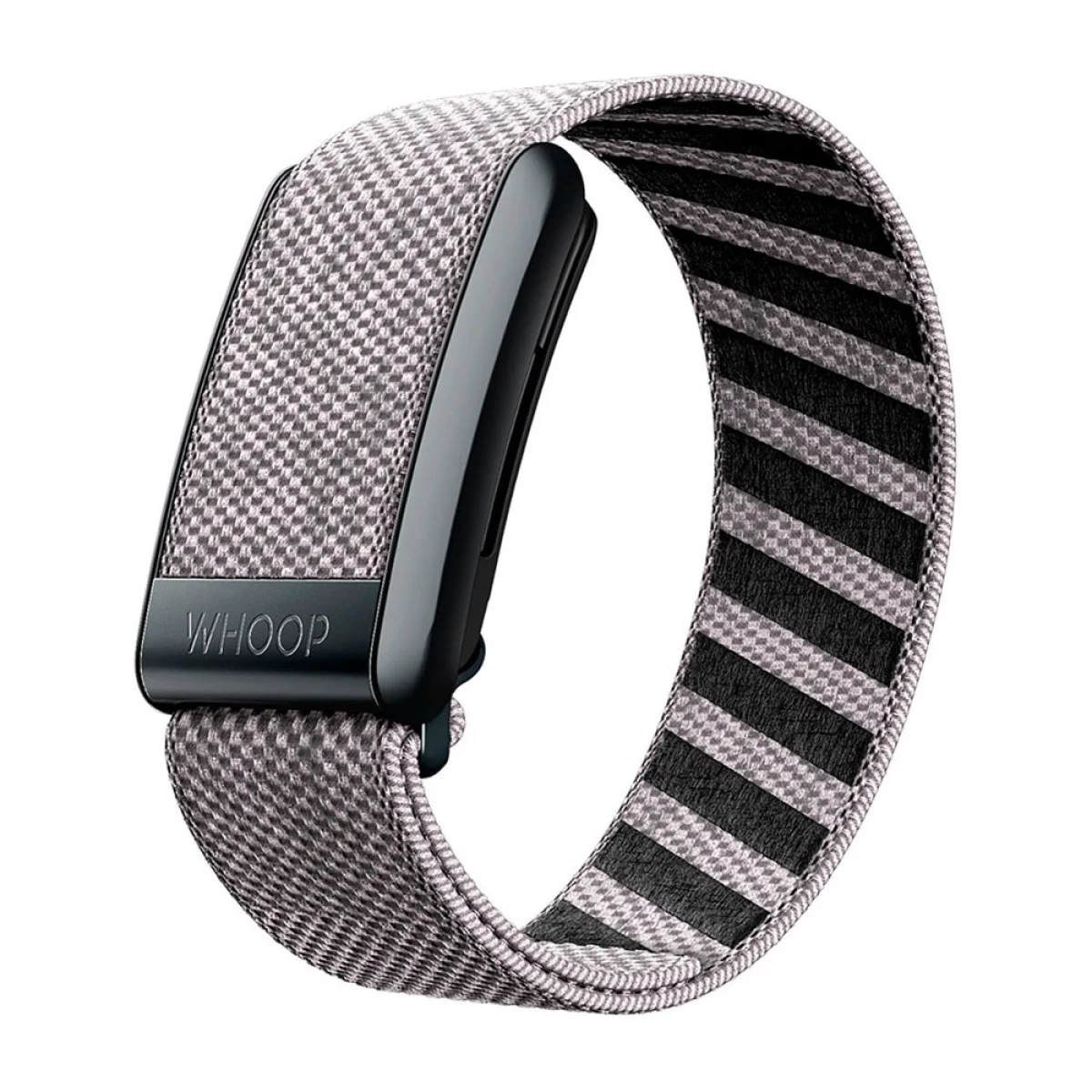
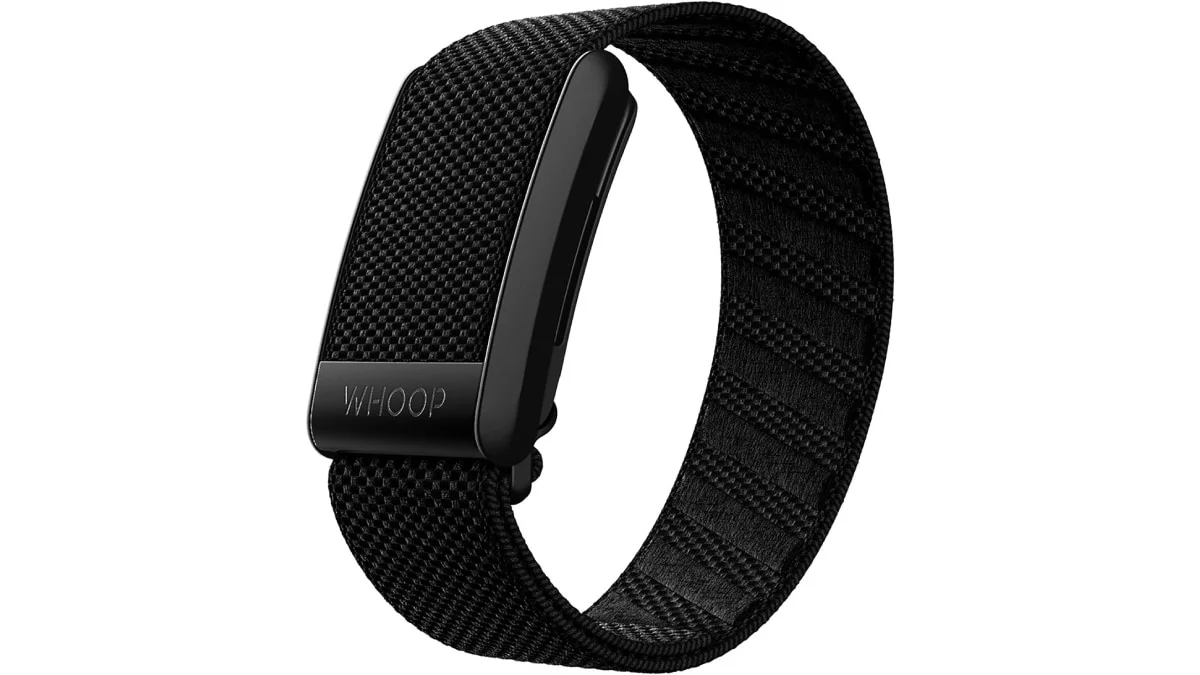
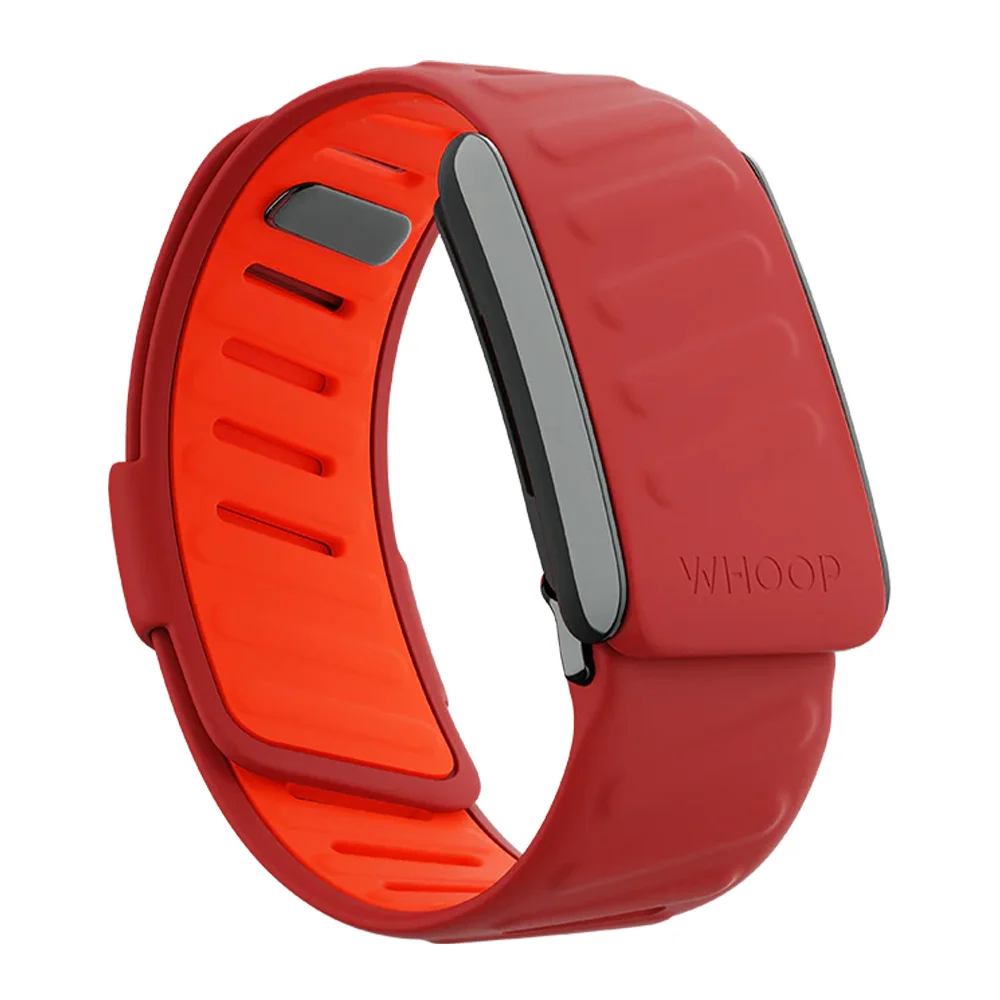
The Whoop 4.0 remains a masterclass in minimalist wearable design. By ditching the traditional screen entirely, the device sidesteps the distraction of constant notifications and focuses purely on what it does best: silent, continuous biometric tracking. The core sensor unit is incredibly compact, slipping seamlessly into the proprietary SuperKnit bands which are notably soft, breathable, and comfortable enough to wear 24/7 without causing skin irritation.
Build quality is robust, boasting an IP68 rating that makes it dustproof and water-resistant up to 10 meters. Whether you are swimming, sweating through a high-intensity interval session, or simply taking a hot shower, the Whoop 4.0 handles the elements effortlessly. The modular design also extends to the Whoop Body ecosystem, allowing users to move the sensor from the wrist to specially designed compression garments. This offers excellent ergonomic flexibility for contact sports or heavy weightlifting where a traditional wristband might get in the way.
The charging mechanism is undeniably clever, utilizing a slide-on waterproof battery pack that lets you charge the device while wearing it. However, the battery pack itself feels slightly more fragile than the main robust sensor unit. Furthermore, the proprietary nature of this charging system means you cannot simply use a standard USB-C cable if you happen to forget the pack while travelling.
Performance
In real-world performance, the Whoop 4.0 sets an incredibly high benchmark for continuous heart rate and biometric monitoring. Equipped with five LEDs (green, red, and infrared) and four photodiodes, the sensor array captures data at a staggering frequency compared to traditional smartwatches. This high polling rate ensures that sudden heart rate spikes during explosive workouts are captured with clinical accuracy, making it an invaluable tool for athletes who rely on precise cardiovascular load metrics to structure their training sessions.
When it comes to sleep and recovery tracking, the Whoop operates in a league of its own. It calculates a daily Recovery Score based on heart rate variability (HRV), resting heart rate (RHR), respiratory rate, and intricate sleep staging. In our 2026 testing, the algorithms continue to demonstrate remarkable alignment with perceived physical readiness. It accurately detects when you are under-recovered due to a late-night workout, mild illness, or alcohol consumption, adjusting its daily Strain Target recommendations dynamically to prevent overtraining.
Battery performance, however, is the device’s primary bottleneck. Despite the lack of an energy-draining display, the continuous high-frequency data sampling limits the battery life to roughly four to five days per charge. While the on-the-go charging pack mitigates the inconvenience of taking the band off, the comparatively short battery life feels slightly dated when compared to other modern fitness rings and bands that stretch well beyond the one-week mark.
Features & Software
The true magic of the Whoop 4.0 lies entirely within its smartphone application. The software experience is incredibly dense yet beautifully organized, offering a deep dive into your physiological data. Standout features like the Strain Coach and Sleep Coach provide actionable, real-time insights rather than just raw numbers. The Health Monitor dashboard gives users an at-a-glance view of vital metrics—including blood oxygen levels (SpO2) and skin temperature—complete with a downloadable PDF report that can be easily shared with a physician or coach.
Whoop has also seamlessly integrated robust AI coaching capabilities into the platform, leveraging natural language processing to let users ask specific questions about their personal data trends. The digital journal feature is another triumph; it allows you to track dozens of daily habits—from magnesium supplementation to viewing morning sunlight—and quantifies exactly how those specific behaviors positively or negatively impact your recovery and sleep quality over time.
Value Proposition
The Whoop 4.0’s value proposition is highly polarizing due to its Hardware-as-a-Service (HaaS) model. You do not actually buy the device outright; instead, you pay a monthly or annual subscription fee that includes the hardware, continuous software updates, and potential future hardware upgrades. For casual gym-goers, this ongoing cost can be tough to justify when a one-time purchase of a traditional smartwatch offers ample baseline tracking.
However, for serious athletes, biohackers, and data nerds, the ongoing value is undeniable. The subscription essentially pays for unparalleled software analytics, deep behavioral insights, and a community ecosystem that actively helps you optimize your daily lifestyle. If you treat fitness and recovery as an essential pillar of your life, the monthly fee acts as a relatively cheap investment into bespoke, data-driven personal health coaching.
How It Compares
When pitted against the Oura Ring Gen 3, the Whoop 4.0 leans heavily toward the athletic and physical training side of the spectrum. While Oura excels as a discrete, lifestyle-focused sleep tracker, Whoop provides far superior workout tracking, real-time exertion metrics, and dynamic training advice. Compared to the Garmin Fenix 8, the Whoop offers a much more comfortable sleep experience and removes the distraction of a smartwatch interface. However, the Garmin dominates in built-in GPS tracking, screen utility, and battery life, all without requiring a mandatory monthly subscription.
Pros and Cons
Pros
- Offers unparalleled insights into sleep stages, heart rate variability, and daily physical recovery.
- Features a comfortable, durable, and screen-free design ideal for distraction-free 24/7 wear.
- Includes a highly intuitive companion app with excellent AI-driven coaching and behavioral habit tracking.
- Allows you to charge the device without removing it from your wrist via the slide-on battery pack.
Cons
- Requires an expensive, mandatory ongoing subscription model to access any of your data.
- Lacks a built-in GPS, relying entirely on a connected smartphone for outdoor route tracking.
- Features a relatively short battery life of 4-5 days, which falls short of newer screen-free competitors.
- Uses a proprietary charging pack that can be easily lost and is costly to replace.
FAQ
Q: Does the Whoop 4.0 tell the time or show notifications?
A: No, the Whoop 4.0 is completely screen-free by design. It does not tell time, count steps, or display smartphone notifications, focusing entirely on continuous biometric data collection.
Q: Can I wear the Whoop 4.0 in the pool or shower?
A: Yes. The main sensor and the SuperKnit band are fully water-resistant up to 10 meters, making it perfectly safe for swimming, showering, and excessive sweating.
Q: What happens if I stop paying my Whoop subscription?
A: If you cancel your subscription, you lose access to the Whoop app and all your data analytics. The physical band becomes essentially useless until the subscription is reactivated.
Q: Does the Whoop 4.0 have GPS for tracking runs?
A: The Whoop 4.0 does not have built-in GPS. To track pace and route data for outdoor runs or cycling, you must carry your smartphone with you and use the app’s connected GPS feature.
Verdict
The Whoop 4.0 remains the ultimate wearable for dedicated athletes and data-driven biohackers who prioritize advanced recovery metrics and cardiovascular strain over basic smart notifications. While the ongoing subscription fee and lack of onboard GPS may deter casual users, its unparalleled software analytics make it a top-tier investment for those serious about optimizing their physiological performance in 2026.
Where to Buy
Pros
- ✓ Offers unparalleled insights into sleep stages, heart rate variability, and daily physical recovery.
- ✓ Features a comfortable, durable, and screen-free design ideal for distraction-free 24/7 wear.
- ✓ Includes a highly intuitive companion app with excellent AI-driven coaching and behavioral habit tracking.
- ✓ Allows you to charge the device without removing it from your wrist via the slide-on battery pack.
Cons
- ✗ Requires an expensive, mandatory ongoing subscription model to access any of your data.
- ✗ Lacks a built-in GPS, relying entirely on a connected smartphone for outdoor route tracking.
- ✗ Features a relatively short battery life of 4-5 days, which falls short of newer screen-free competitors.
- ✗ Uses a proprietary charging pack that can be easily lost and is costly to replace.
Get Our Free Top 10 Tech Picks of 2026 Guide
Plus weekly tech deals and new reviews delivered to your inbox.
[cp_email_signup]
No spam. Unsubscribe anytime.
Ready to buy the Whoop 4.0 Band?
Affiliate link — we may earn a commission at no extra cost to you.