









The AKG K371 studio headphones have carved out a legendary reputation among audiophiles and content creators for their remarkable adherence to the Harman Target curve. In 2026, these closed-back monitors continue to offer an unparalleled blend of reference-grade audio and sleek portability. Let us dive deep to see if they still hold the crown for the best budget studio headphones on the market.
Table of Contents
Key Specifications
| Feature | Detail |
|---|---|
| Type | Closed-back, Over-ear |
| Drivers | 50mm titanium-coated dynamic |
| Frequency Response | 5 Hz – 40 kHz |
| Impedance | 32 Ohms |
| Sensitivity | 114 dB SPL/V |
| Weight | 255g (8.9 oz) |
| Cable Interface | Mini-XLR (Detachable) |
Design & Build Quality
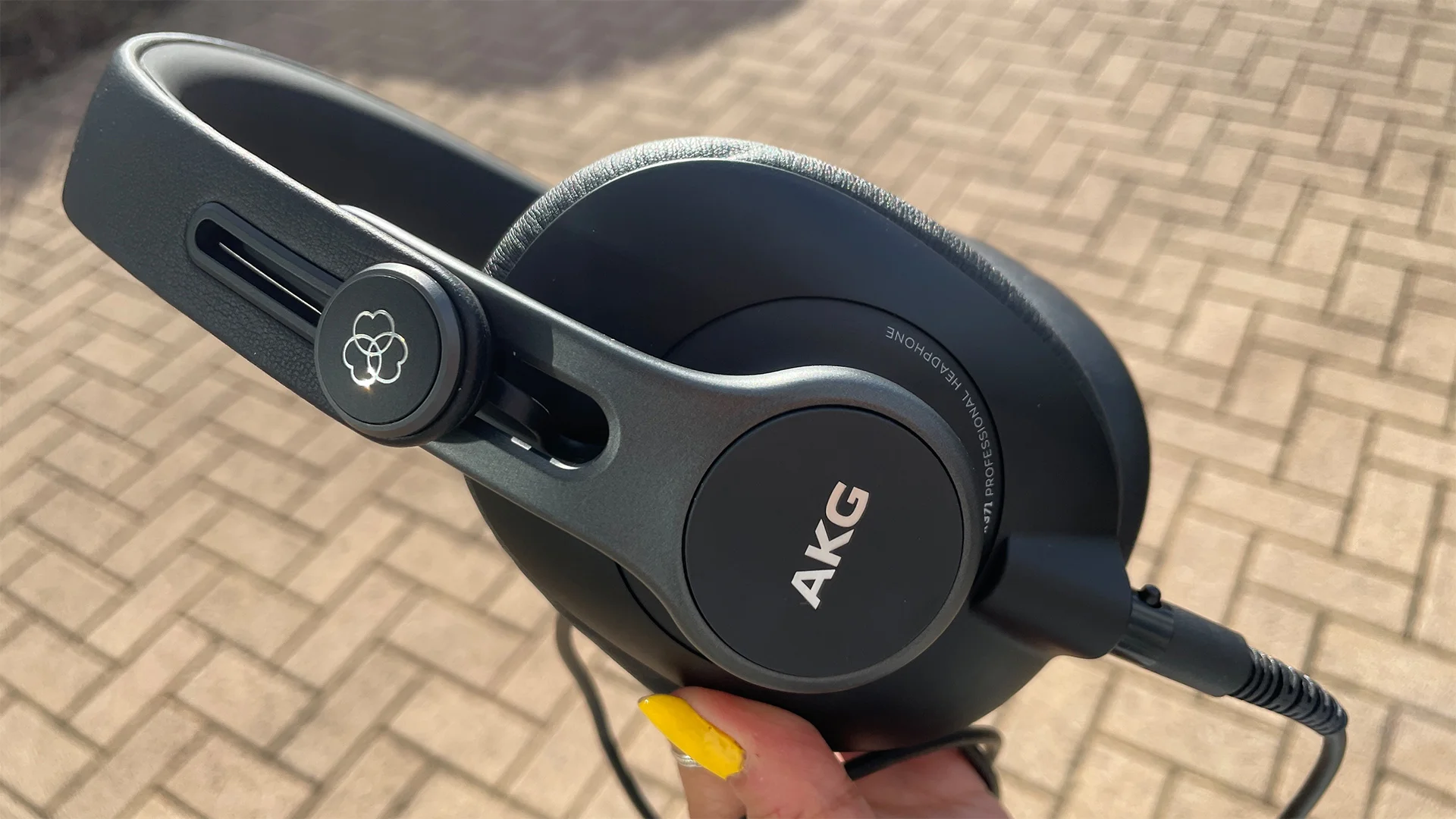
AKG shifted away from their traditional, bulky utilitarian designs with the K371, opting instead for a sleek, modern aesthetic that looks just as at home in a coffee shop as it does in a vocal booth. The matte black finish is understated and professional, while the metallic yokes and silicone-padded headband give the headphones a surprisingly premium feel for their price bracket. At just 255 grams, they are remarkably lightweight, making them a joy to wear during marathon editing or listening sessions.
Ergonomically, the K371 relies on slow-retention memory foam ear pads that are plush and comfortable. They provide a fantastic passive acoustic seal, though the ear cups are slightly shallow. Users should note that because the bass response relies heavily on this seal, thick-framed glasses or voluminous hair might slightly disrupt the low-end delivery. The ear cups also articulate vertically and horizontally, allowing the headphones to collapse inward for extremely compact storage in the included carrying pouch.
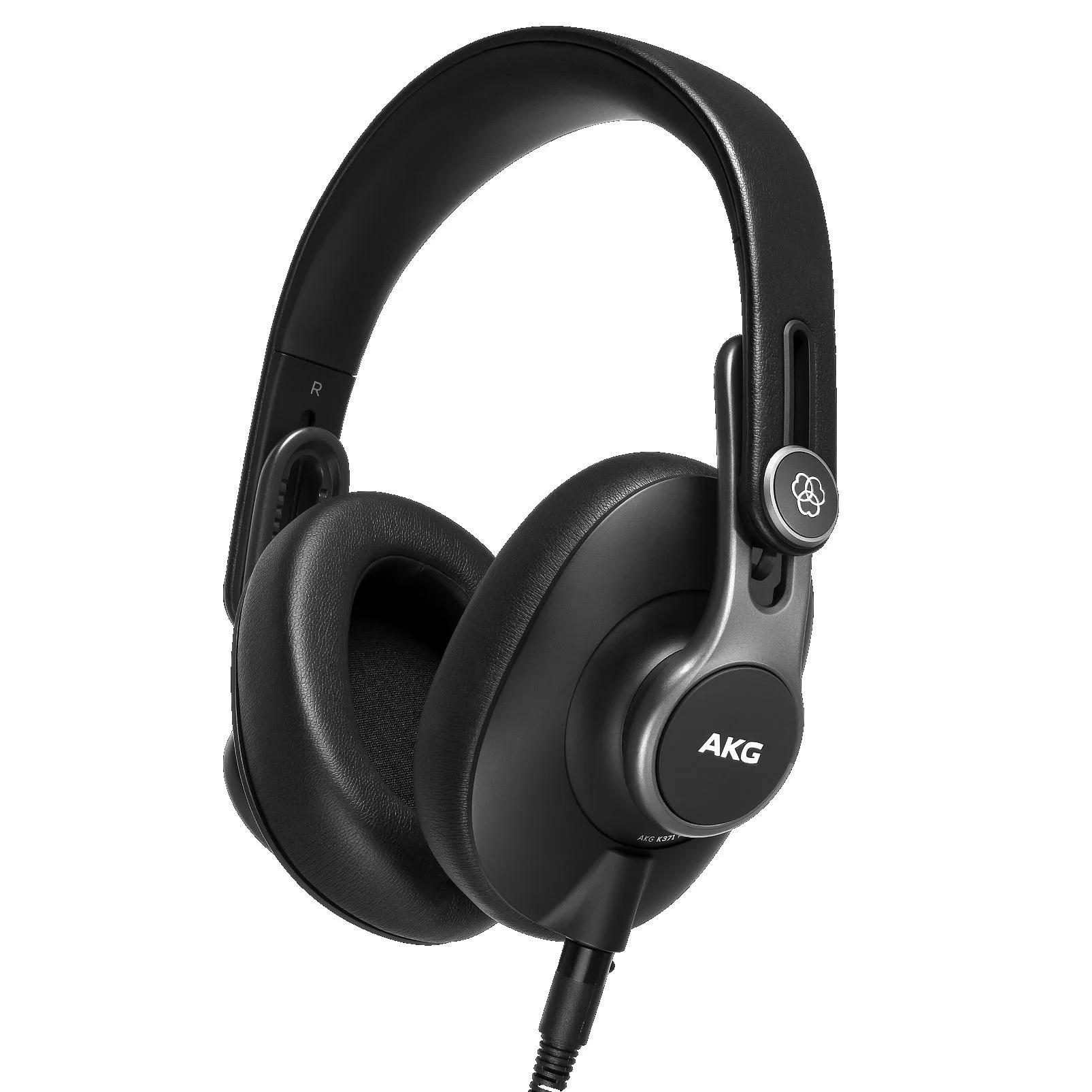
While the build quality is generally solid, it is not entirely bulletproof. The sliding adjustment mechanism relies on friction rather than distinct clicks, and some users find it can loosen slightly after years of heavy deployment. However, the use of metal in high-stress areas like the hinges ensures that, provided they aren’t abused, the K371 will easily survive the rigors of daily commuting and studio work.
Performance
When discussing the performance of the AKG K371, everything revolves around its tuning. These headphones are famously engineered to match the Harman Target acoustic curve—a scientifically developed frequency response designed to mimic the sound of high-end loudspeakers in a perfectly treated room. The result is a breathtakingly accurate sound signature. The 50mm titanium-coated drivers deliver incredibly deep, textured sub-bass that extends all the way down to 5 Hz without ever bleeding into or muddying the lower midrange.
The midrange itself is beautifully transparent, allowing vocals and acoustic instruments to shine with lifelike clarity. Unlike many studio monitors that artificially boost treble to create a false sense of “detail,” the K371 maintains a smooth, fatigue-free high end. You can easily pick out the subtle decay of a crash cymbal or the breath of a vocalist without wincing at sibilant or piercing frequencies. This makes them exceptionally reliable for audio mixing, as what you hear is a highly faithful representation of the source track.
If there is one limitation to their acoustic performance, it is the soundstage. Due to their closed-back design and thick, isolating pads, the soundstage is quite intimate. Music feels as though it is playing inside your head rather than in the room around you. However, the imaging—the ability to pinpoint exactly where an instrument or sound effect is coming from—is precise enough to make them highly capable for critical tracking and even competitive gaming. Furthermore, at just 32 Ohms, they are incredibly easy to drive; you will get phenomenal performance straight out of a modern laptop or smartphone dongle without needing a dedicated amplifier.
Features & Software
Because the AKG K371 is a purely analog, wired studio monitor, there are no companion apps, Bluetooth codecs, or firmware updates to manage. In 2026, there is something deeply refreshing about plug-and-play hardware that doesn’t rely on software to sound good. The “feature set” of the K371 instead lies in its exceptional modularity and connectivity options.
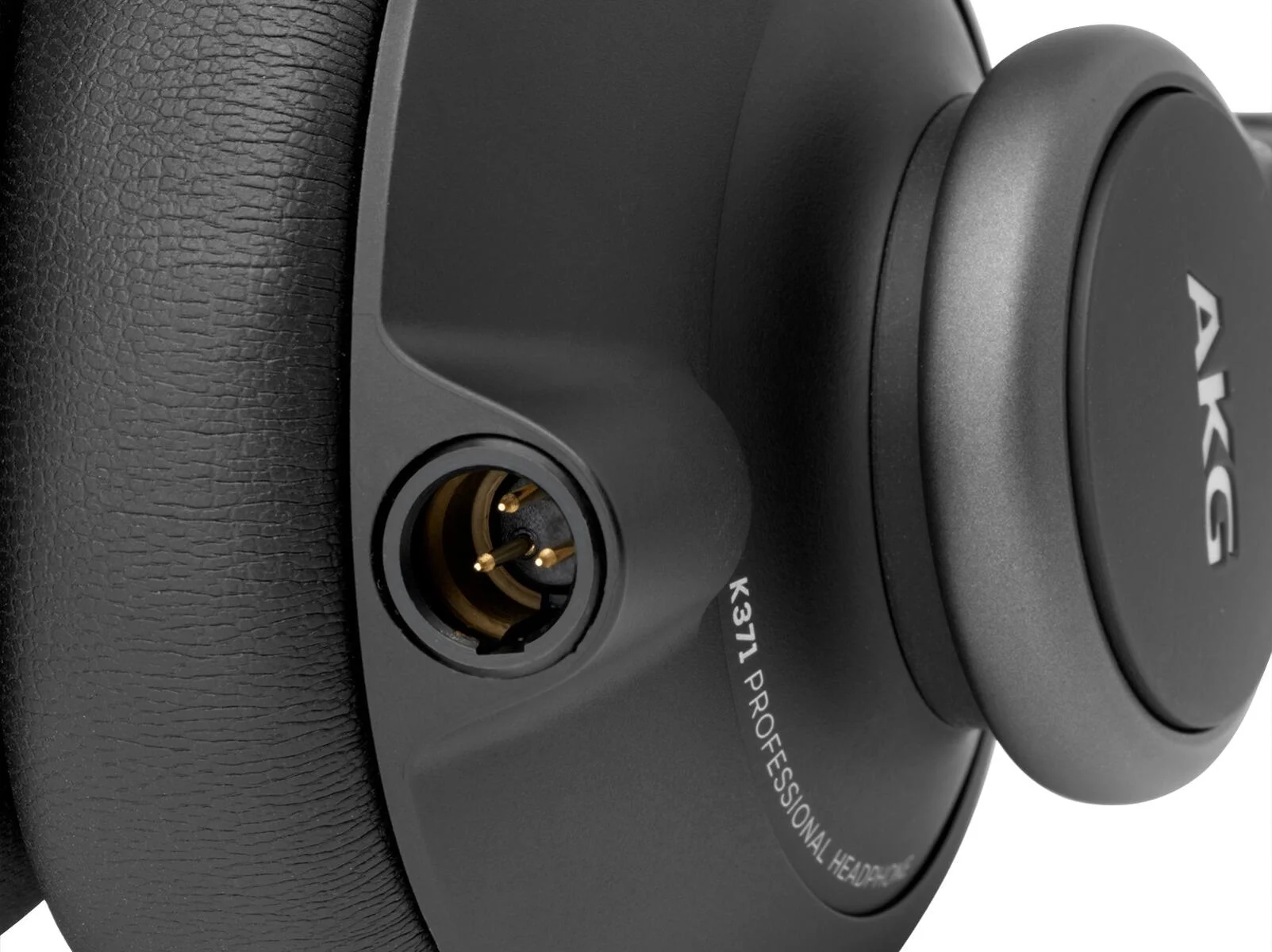
The left ear cup houses a robust, locking 3-pin Mini-XLR connector. AKG generously includes three distinct cables in the box: a 1.2-meter straight cable for mobile use, a 3-meter straight cable for lounging, and a 3-meter coiled cable tailored for studio consoles and audio interfaces. Coupled with a screw-on 1/4-inch adapter, this generous cabling package ensures the headphones can adapt instantly to virtually any listening environment or equipment setup you throw at them.

Value Proposition
Priced comfortably in the sub-$150 tier, the AKG K371 punches significantly above its weight class, offering a value proposition that is difficult to beat. You are essentially getting reference-grade, audiophile-approved tuning that would have cost over $500 a decade ago. It democratizes high-fidelity audio for bedroom producers, podcasters, and budget-conscious music lovers alike.
While consumer-oriented headphones in this price bracket might offer Active Noise Cancellation (ANC) or wireless capabilities, they almost always sacrifice audio accuracy and longevity to do so. With user-replaceable pads and standard Mini-XLR detachable cables, the K371 is an investment in durability and uncompromising sound quality that will easily outlast battery-powered alternatives.
How It Compares
When pitted against the industry-standard Audio-Technica ATH-M50x, the AKG K371 offers a notably more balanced and less fatiguing listening experience. The M50x tends to emphasize mid-bass and treble, which can sound energetic but harsh over time, whereas the K371 boasts far superior sub-bass extension and a smoother top end. When compared to the Beyerdynamic DT 770 Pro, the AKG is far more portable thanks to its foldable hinges and detachable cables. However, the DT 770 Pro edges out the AKG in terms of sheer tank-like ruggedness and offers a slightly wider perceived soundstage, albeit with a much sharper, more polarizing treble peak.
Pros and Cons
Pros
- Offers an exceptional adherence to the Harman Target curve for incredibly accurate, uncolored sound.
- Delivers deep, well-extended sub-bass that does not muddy or bleed into the midrange.
- Features a highly portable design with collapsible metal hinges for easy travel.
- Includes a generous assortment of high-quality, detachable Mini-XLR cables.
Cons
- The sliding headband mechanism can loosen over time with heavy, daily use.
- Achieving a proper acoustic seal can be difficult for users wearing thick glasses, which reduces bass impact.
- The soundstage feels relatively narrow, even when compared to other closed-back headphones.
- The proprietary Mini-XLR connector, while robust, limits the availability of cheap third-party aftermarket cables.
FAQ
Q: Do I need a headphone amplifier to drive the AKG K371?
A: No, with an impedance of 32 Ohms and a high sensitivity of 114 dB SPL/V, they can be easily driven to loud, dynamic volumes by standard smartphones, laptops, and basic audio dongles.
Q: Can the ear pads be replaced if they wear out?
A: Yes, the memory foam ear pads are user-replaceable. Swapping them out is an easy way to significantly extend the lifespan of the headphones.
Q: Are these headphones good for competitive gaming?
A: While their imaging is quite accurate for pinpointing directional cues like footsteps, their narrow soundstage means they aren’t the absolute best choice for expansive, immersive open-world games.
Q: Does the AKG K371 feature active noise cancellation (ANC)?
A: No, these are traditional passive closed-back headphones. However, the thick memory foam ear pads provide excellent passive noise isolation in moderate-noise environments.
Verdict
The AKG K371 remains a triumphant achievement in budget-friendly, reference-grade audio, offering a near-perfect implementation of the famed Harman curve. It is the ideal choice for audio engineers, content creators, and discerning everyday listeners who demand precise, lifelike sound reproduction without breaking the bank. If you can look past a few minor build quirks, this is undeniably one of the best-sounding closed-back headphones available in 2026.
Where to Buy
Pros
- ✓ Offers an exceptional adherence to the Harman Target curve for incredibly accurate, uncolored sound.
- ✓ Delivers deep, well-extended sub-bass that does not muddy or bleed into the midrange.
- ✓ Features a highly portable design with collapsible metal hinges for easy travel.
- ✓ Includes a generous assortment of high-quality, detachable Mini-XLR cables.
Cons
- ✗ The sliding headband mechanism can loosen over time with heavy, daily use.
- ✗ Achieving a proper acoustic seal can be difficult for users wearing thick glasses, which reduces bass impact.
- ✗ The soundstage feels relatively narrow, even when compared to other closed-back headphones.
- ✗ The proprietary Mini-XLR connector, while robust, limits the availability of cheap third-party aftermarket cables.
Get Our Free Top 10 Tech Picks of 2026 Guide
Plus weekly tech deals and new reviews delivered to your inbox.
[cp_email_signup]
No spam. Unsubscribe anytime.
Ready to buy the AKG K371?
Affiliate link — we may earn a commission at no extra cost to you.