Tech Essentials










The OM System OM-1 Mark II: A Masterclass in Refinement
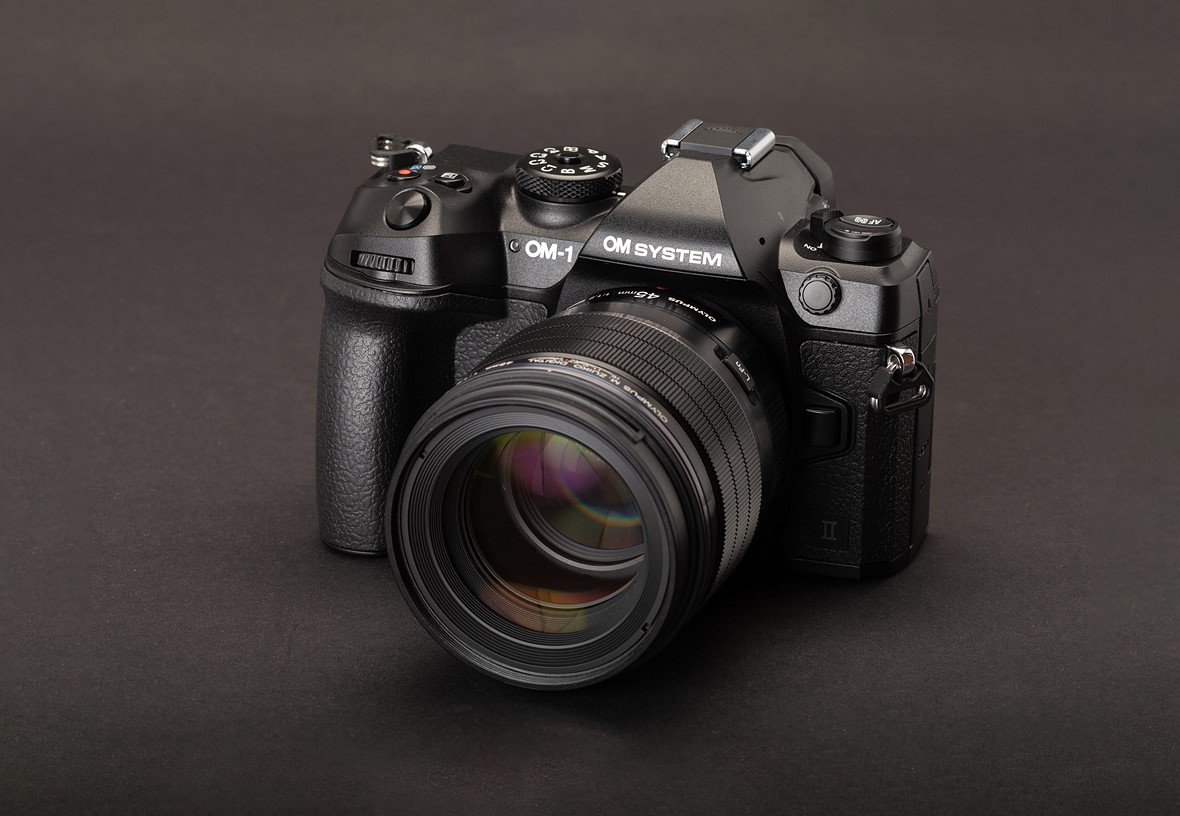
In a market saturated with revolutionary sensor technologies and ever-increasing megapixel counts, the OM System OM-1 Mark II arrives not with a bang, but with the quiet confidence of a master honing their craft. This isn’t a ground-up redesign; it’s a thoughtful, potent evolution of its celebrated predecessor. Instead of chasing the specs of its larger-sensor rivals, OM System has doubled down on its core philosophy: creating a compact, indestructible photographic tool supercharged by computational wizardry. The Mark II is a statement piece, arguing that the future of photography may lie not just in capturing light, but in intelligently shaping it before the shutter ever closes.
At its heart, the OM-1 Mark II retains the same 20.4MP Stacked BSI Live MOS sensor and TruePic X processor that made the original a speed demon. The camera is breathtakingly fast, capable of capturing blackout-free bursts at up to 120 fps with the electronic shutter. The real performance upgrade, however, is one you feel rather than see on a spec sheet: a massively expanded buffer. Where the original could sometimes gasp for breath after a long burst, the Mark II shoots on relentlessly. For wildlife and sports photographers, this single change elevates the camera from a capable tool to a truly reliable one. The AI-powered subject detection autofocus has also been refined, now with a more tenacious grip on birds and a newly added mode for human subjects, bringing it a step closer to the market leaders. While it may not have the psychic tracking of the latest Sony or Canon bodies, its performance is robust and more than capable for its intended audience.
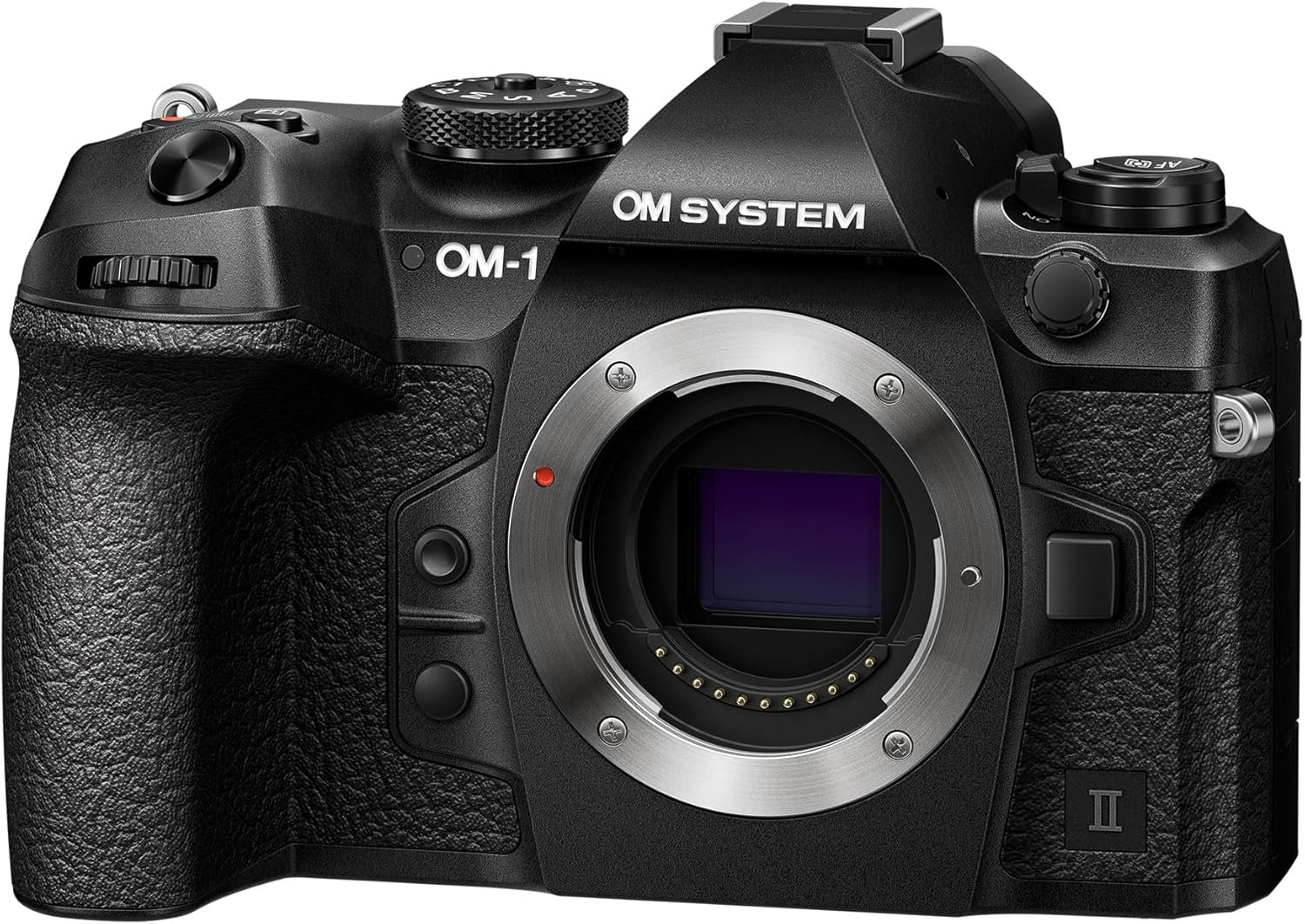
The true magic of the Mark II, however, lies in its peerless computational features. The headline act is the new Live GND (Graduated Neutral Density) filter. This in-camera simulation of a physical filter allows you to balance a bright sky against a darker foreground with stunning effectiveness, all while looking through the viewfinder. It’s a game-changer for landscape photographers, potentially eliminating a bag of glass filters for most situations. This joins an already impressive suite of features like an improved 80MP High-Res Shot mode (now with 14-bit RAW depth), Live ND, and in-camera focus stacking. These aren’t gimmicks; they are powerful tools that leverage the camera’s processing power to create images that would otherwise require extensive fieldwork and post-processing.
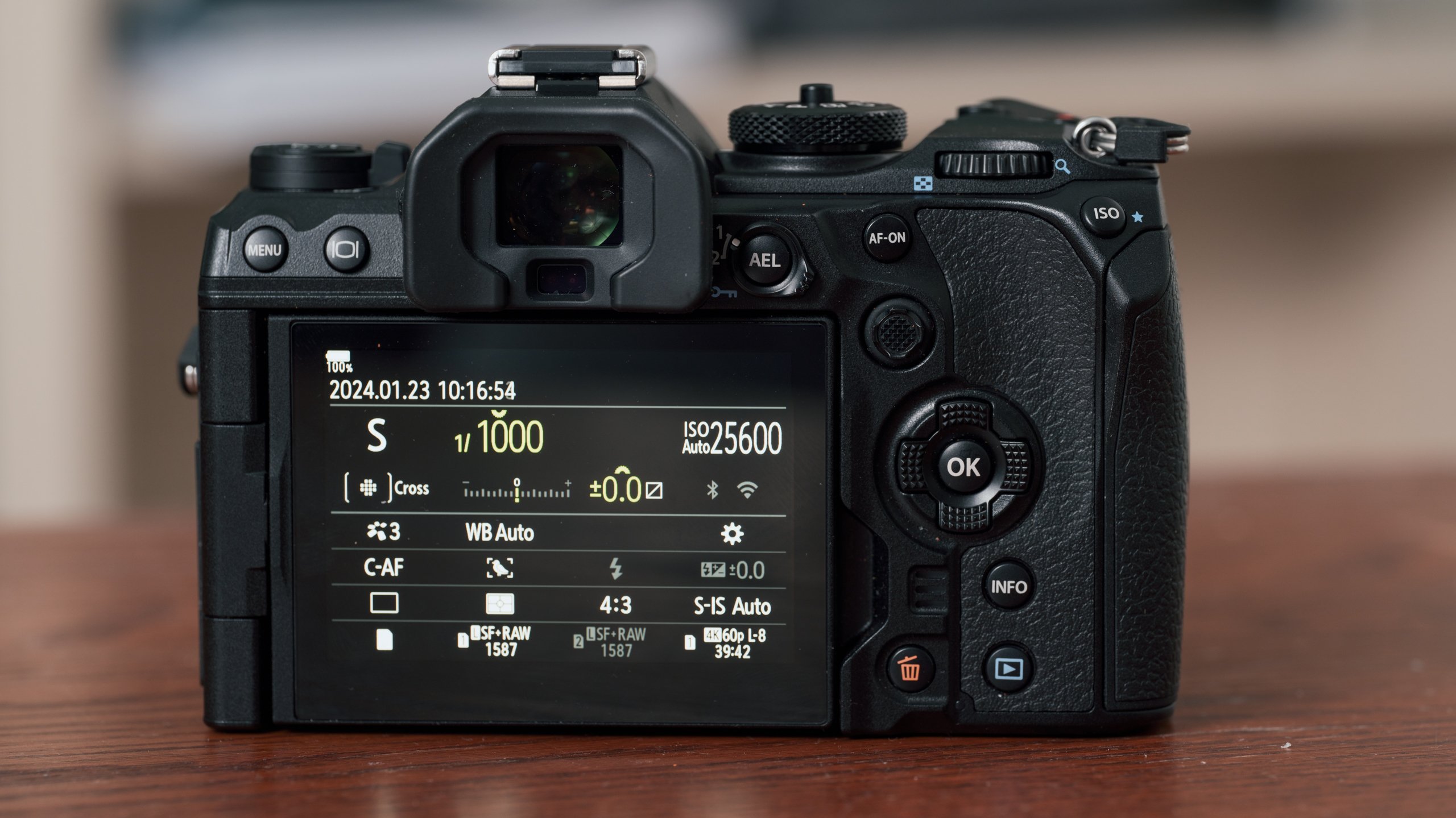
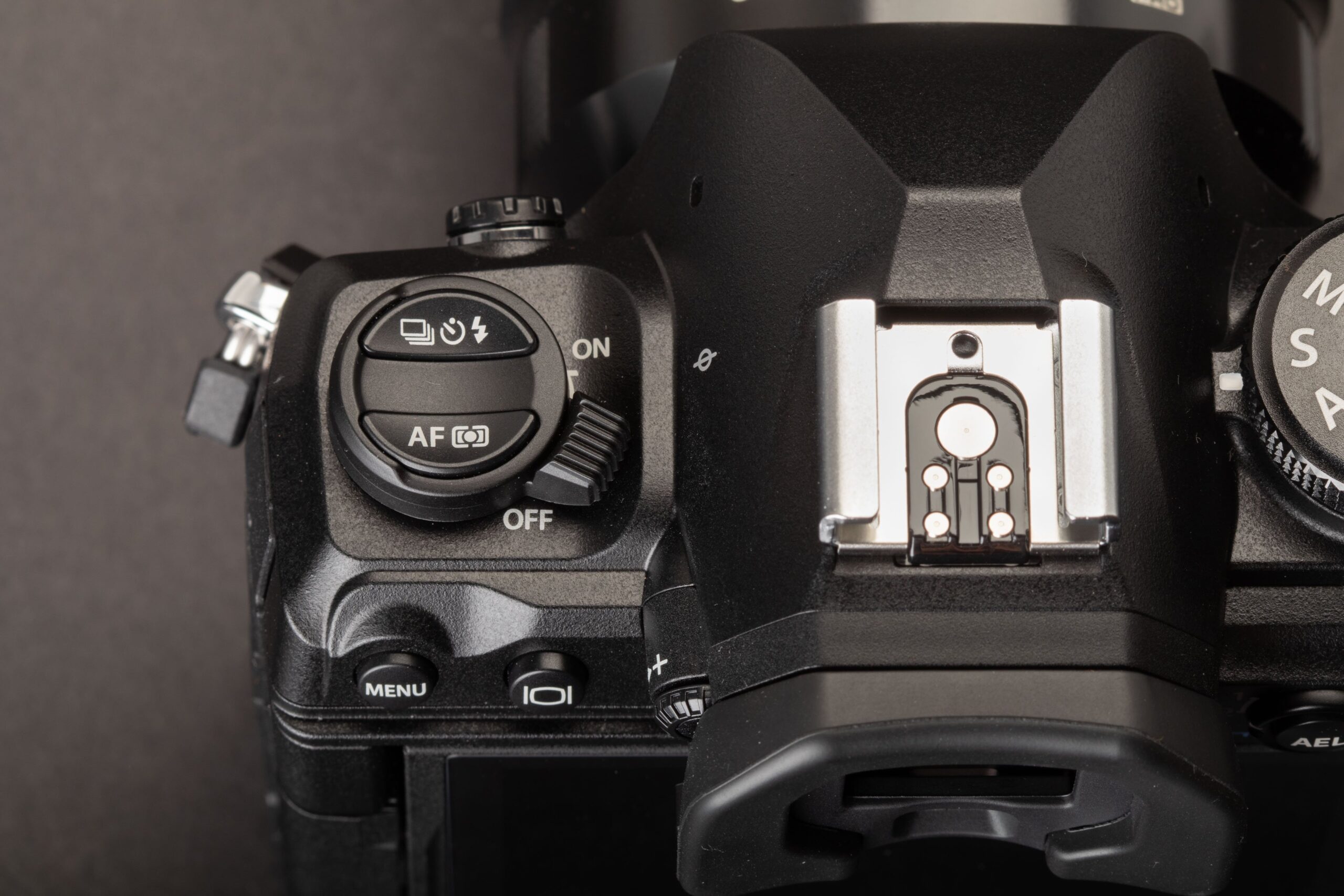
From a design perspective, the Mark II is an exercise in “if it ain’t broke, don’t fix it.” The body is virtually identical to its predecessor, which is excellent news for anyone who values ergonomics and durability. The grip is deep and secure, and the control layout is purposeful. The only notable physical change is the new rubberized coating on the command dials, which provides a much-improved tactile feel, especially when wearing gloves. More importantly, the camera retains its legendary IP53 weather-sealing rating. This isn’t just “weather-resistant”; it’s a guarantee that the camera can withstand freezing temperatures, dust storms, and torrential downpours. Paired with its world-class in-body image stabilization—now rated for an astonishing 8.5 stops of compensation—the OM-1 Mark II is unequivocally one of the most rugged and versatile cameras ever built for outdoor and adventure photography.
Of course, no camera is without its compromises. The Micro Four Thirds sensor, for all its benefits in speed and lens size, cannot defy the laws of physics. In very low light, noise is more apparent than on its APS-C and full-frame competitors, and achieving an extremely shallow depth of field requires faster, more specialized lenses. The value proposition is also complex. At its launch price, the OM-1 Mark II competes directly with excellent full-frame cameras. For a photographer who prizes low-light performance and creamy bokeh above all else, this isn’t the logical choice. But that’s missing the point. The OM-1 Mark II’s value isn’t in its sensor size, but in its holistic system: a compact, weatherproof, feature-packed powerhouse that enables you to get shots in conditions where other cameras would stay in the bag.
Final Verdict
The OM System OM-1 Mark II is not an essential upgrade for current Mark I owners unless the expanded buffer is critical to their workflow. For everyone else, it stands as the pinnacle of the Micro Four Thirds format and a compelling alternative to the mainstream. It is the ultimate tool for the photographer who prioritizes mobility, durability, and in-camera creative power over raw sensor size. If you are a wildlife, macro, or adventure photographer who hikes deep into the wilderness and shoots in unpredictable weather, there is simply no other camera system that offers this blend of performance, portability, and computational genius. It’s a specialized instrument, and in the hands of the right artist, it’s capable of creating masterpieces.
Where to Buy:
OM System OM-1 Mark II Quick Summary
Key Scores:
- Value: 89%
- Design: 91%
- Performance: 92%
- Quality: 91%
- Popularity: 87%
Top Pros
- ✅ In-camera Live GND feature revolutionizes landscape photography workflow.
- ✅ Class-leading IP53 weather sealing provides unmatched durability.
- ✅ Dramatically expanded buffer removes previous burst shooting limits.
- …
Key Cons
- ❌ Iterative update offers little reason for Mark I owners to upgrade.
- ❌ Micro Four Thirds sensor performance is limited in low light.
- ❌ Premium price places it against capable full-frame competitors.
- …