Tech Essentials




The Leica Q3: Engineering a Modern Masterpiece
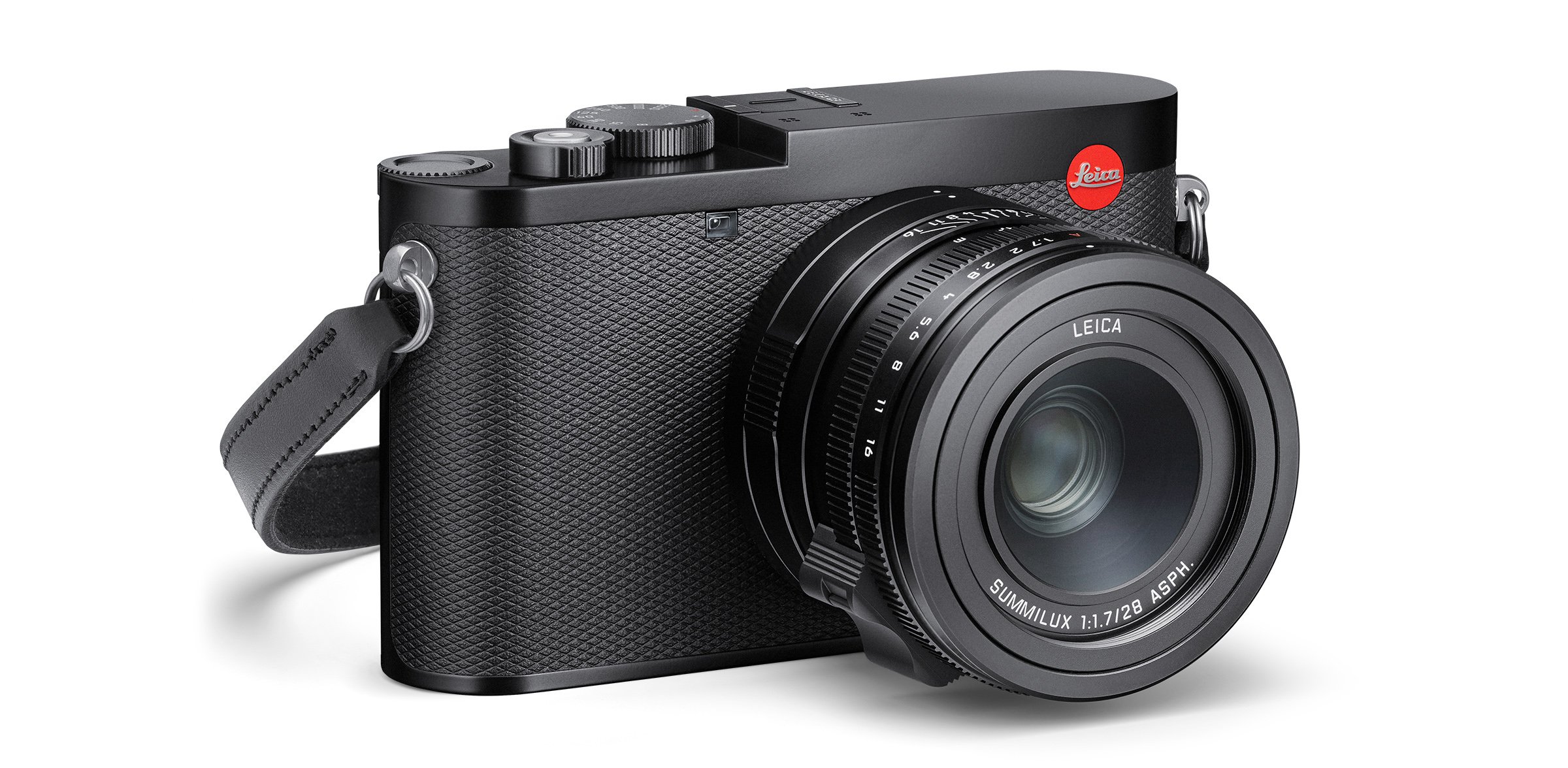
The Leica Q series has carved out a unique and revered space in the digital camera world. It’s the formula many have tried to replicate: a full-frame sensor paired with a world-class prime lens in a compact, exquisitely built body. With the Leica Q3, the German manufacturer isn’t just refreshing a successful product; it’s refining a philosophy. By blending its timeless design ethos with a spec sheet that rivals flagship mirrorless systems, the Q3 asks a compelling question: is this the ultimate “do-it-all” compact camera for the discerning creator? After spending considerable time with it, the answer is more nuanced and fascinating than a simple yes or no.
Design and Tactile Experience
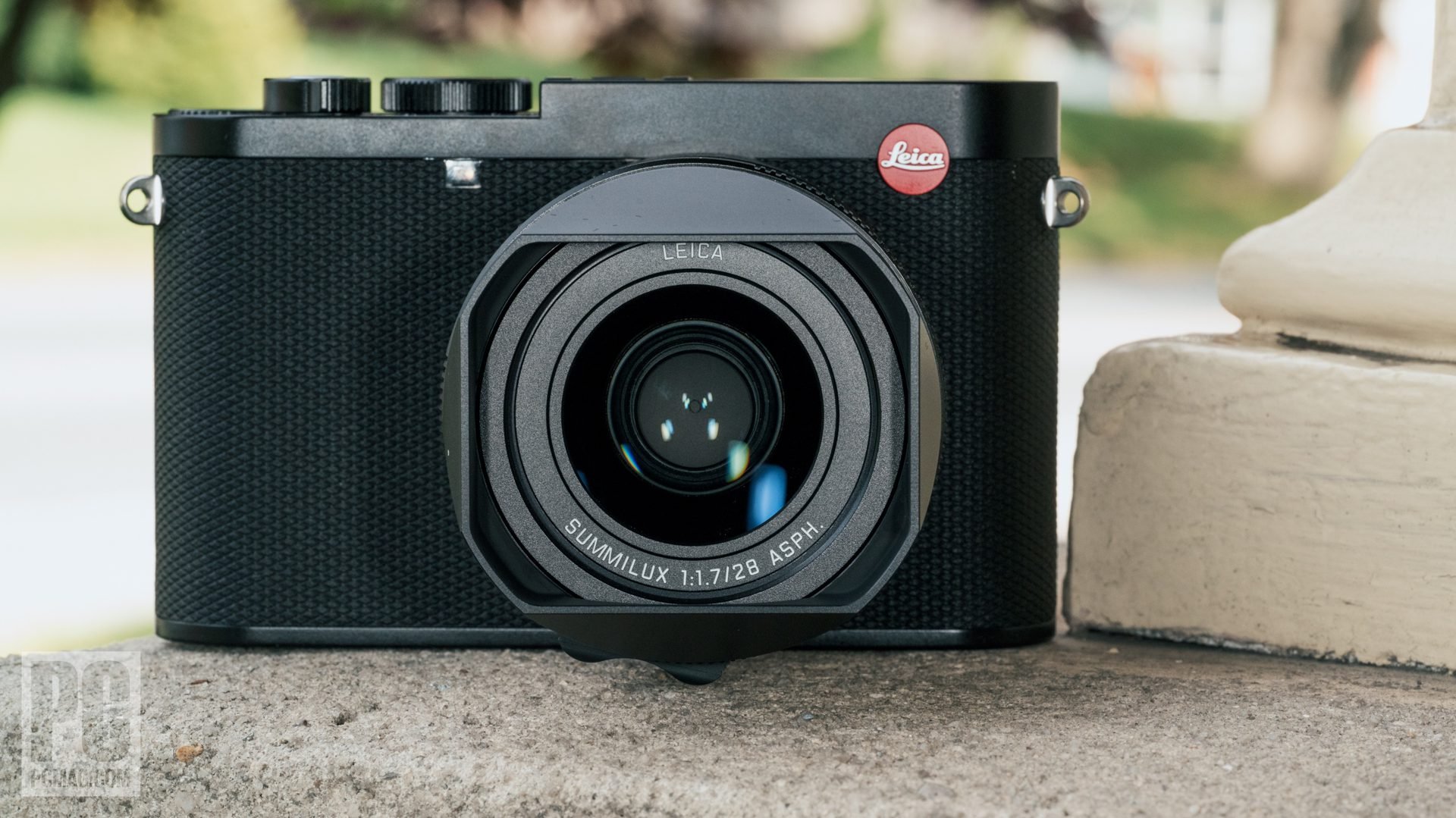
From the moment you pick it up, the Q3 feels less like a gadget and more like a precision instrument. Milled from a single block of magnesium alloy and wrapped in a familiar textured leatherette, its density and cool metallic touch exude quality. The design is an exercise in minimalist restraint, nearly identical to its predecessor, which is a testament to the “if it isn’t broken” school of thought.
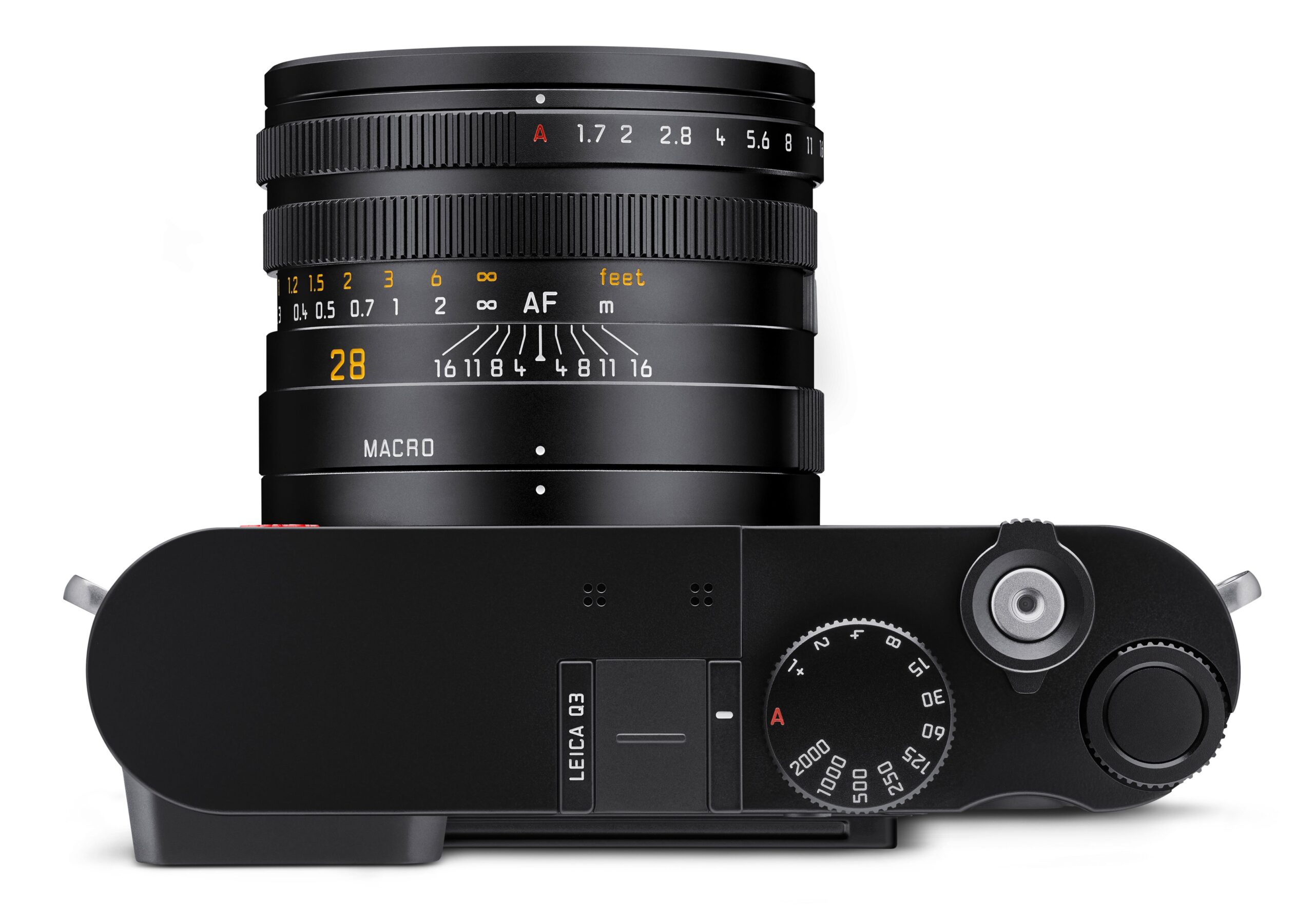
The monumental change, however, is the addition of a tilting rear LCD screen. For Leica purists, this might seem like a concession, but in practice, it’s a masterclass in integration. The mechanism is robust and the screen sits nearly flush with the body when closed, preserving the camera’s sleek profile. This single feature dramatically expands the Q3’s usability, making low-angle street photography and discreet shooting far more intuitive. Coupled with an IP52 weather-sealing rating, the Q3 is a beautiful object that is finally as rugged and versatile as its users demand.
Under the Hood: A Powerhouse of Performance
At the heart of the Q3 is the same 60-megapixel BSI CMOS sensor found in the flagship Leica M11, and its performance is nothing short of breathtaking. The level of detail it resolves is astonishing, providing immense cropping flexibility—a crucial feature for a fixed-lens camera. Leica’s Triple Resolution Technology allows you to capture DNG RAW files at 60, 36, or 18 megapixels, a brilliant feature for managing file sizes without sacrificing the benefits of the full sensor area.
Paired with the new Maestro IV processor, the Q3 is snappy and responsive. But the most significant performance leap is the new hybrid autofocus system. By incorporating phase-detection pixels on the sensor, the Q3’s AF is now leagues ahead of the contrast-only system in the Q2. It locks onto subjects with newfound speed and tenacity, and the eye/face detection is reliable for portraits and candid shots. While it may not match the bewilderingly complex tracking of a Sony or Canon flagship, it’s more than capable for its intended use cases and represents a massive quality-of-life improvement.
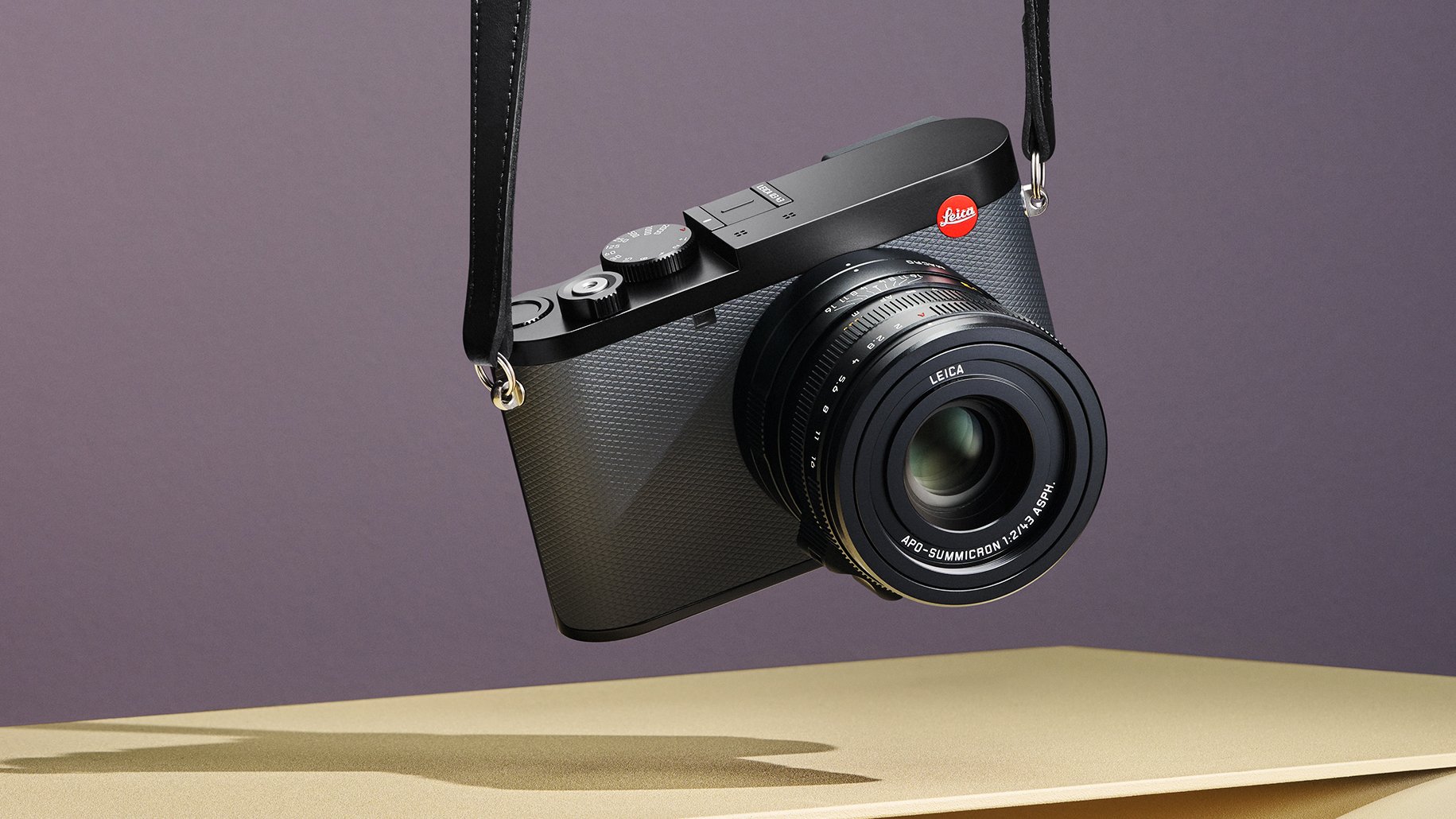
The legendary Summilux 28mm f/1.7 ASPH. lens remains unchanged, and for good reason. It is optically superb, delivering corner-to-corner sharpness even wide open, with beautiful micro-contrast and that signature Leica “pop.” The bokeh is smooth and pleasing, and the close-focus macro mode adds a layer of versatility that is genuinely useful.
Modern Features, Timeless Usability
Leica has packed the Q3 with a host of modern features. The jump to 8K video recording is impressive on paper, though the camera’s form factor and lack of advanced video controls make it more of a high-spec novelty than a professional filmmaking tool. More practical are the new ports: a USB-C for fast data transfer and in-camera charging, and a micro-HDMI for external monitoring. The updated Leica FOTOS app also promises significantly faster wireless image transfers.
Perhaps the most forward-thinking addition is the compatibility with wireless charging via an optional handgrip and charging pad. It’s a small, elegant convenience that fits perfectly with the camera’s premium ethos—simply set it down on your desk and it’s always ready to go. Despite these new additions, the core user experience remains wonderfully simple. The menu system is clean, and the physical controls for aperture, shutter speed, and focus are a joy to use, encouraging a deliberate and engaging photographic process.
The Verdict: An Object of Desire
The Leica Q3 is not a camera you purchase based on a cost-benefit analysis. It is an emotional investment in a photographic experience. The price is undeniably steep, and the fixed 28mm lens is a creative constraint that will not suit everyone. However, for those who embrace that limitation, the Q3 delivers an unparalleled combination of image quality, build quality, and user enjoyment.
It successfully bridges the gap between classic photographic principles and cutting-edge technology. The addition of a tilting screen and a modern autofocus system removes previous frustrations without compromising the camera’s soul. It is the ideal camera for the dedicated street photographer, the world traveler who demands quality without bulk, or the professional seeking a personal camera that inspires. The Leica Q3 is an exquisite, formidable, and deeply desirable machine that has rightfully earned its place at the pinnacle of compact cameras.
Where to Buy:
Leica Q3 Quick Summary
Key Scores:
- Value: 82%
- Design: 96%
- Performance: 94%
- Quality: 95%
- Popularity: 88%
Top Pros
- ✅ The 60MP full-frame sensor produces images with breathtaking detail.
- ✅ A new hybrid autofocus system is both remarkably fast and reliable.
- ✅ Its impeccable build quality and minimalist design feel distinctly premium.
- …
Key Cons
- ❌ The exceptionally high price tag makes it a significant investment.
- ❌ Its fixed 28mm lens limits versatility for certain photographic styles.
- ❌ Massive 60MP RAW files demand robust storage and processing power.
- …