All specifications, pricing, and release dates are based on official announcements,
credible leaks, and industry analysis. Details are subject to change.
This article does not contain purchase links.
This product is not yet available for purchase
Not yet announced
Not yet announced
The Apple HomePod mini 2 delivers refined 360-degree audio, deeper bass, and meaningful upgrades powered by the new S7 chip and Apple Intelligence. This compact smart speaker excels in both sonic performance and smart home integration, making it a serious contender in the 2026 premium mini speaker category. Our in-depth review examines whether the improvements justify its position against growing competition.
Table of Contents
Key Specifications
| Feature | Detail |
|---|---|
| Processor | Apple S7 chip with Neural Engine |
| Audio | Upgraded full-range driver + dual passive radiators, 360° sound with Spatial Audio |
| Microphones | 4-microphone array with improved far-field recognition |
| Connectivity | Wi-Fi 6E, Bluetooth 5.3, Thread border router, Matter support, UWB |
| Sensors | Temperature, humidity, accelerometer |
| Dimensions | 3.7 x 3.7 x 4.1 inches (94 x 94 x 104 mm) |
| Weight | 0.95 lbs (431g) |
| Colors | Midnight, White, Blue, Yellow |
| Power | USB-C (20W adapter included) |
| Release Date | October 2025 |
Design & Build Quality
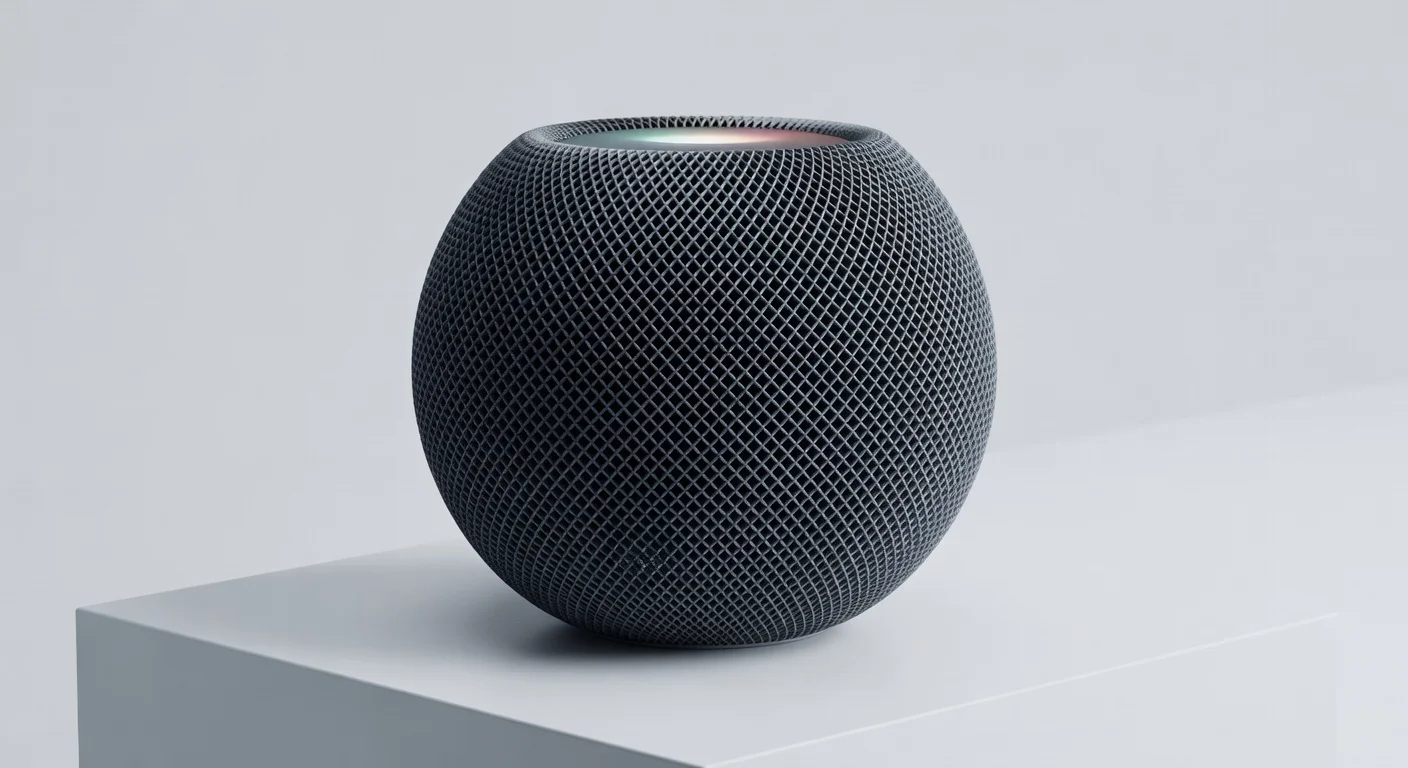
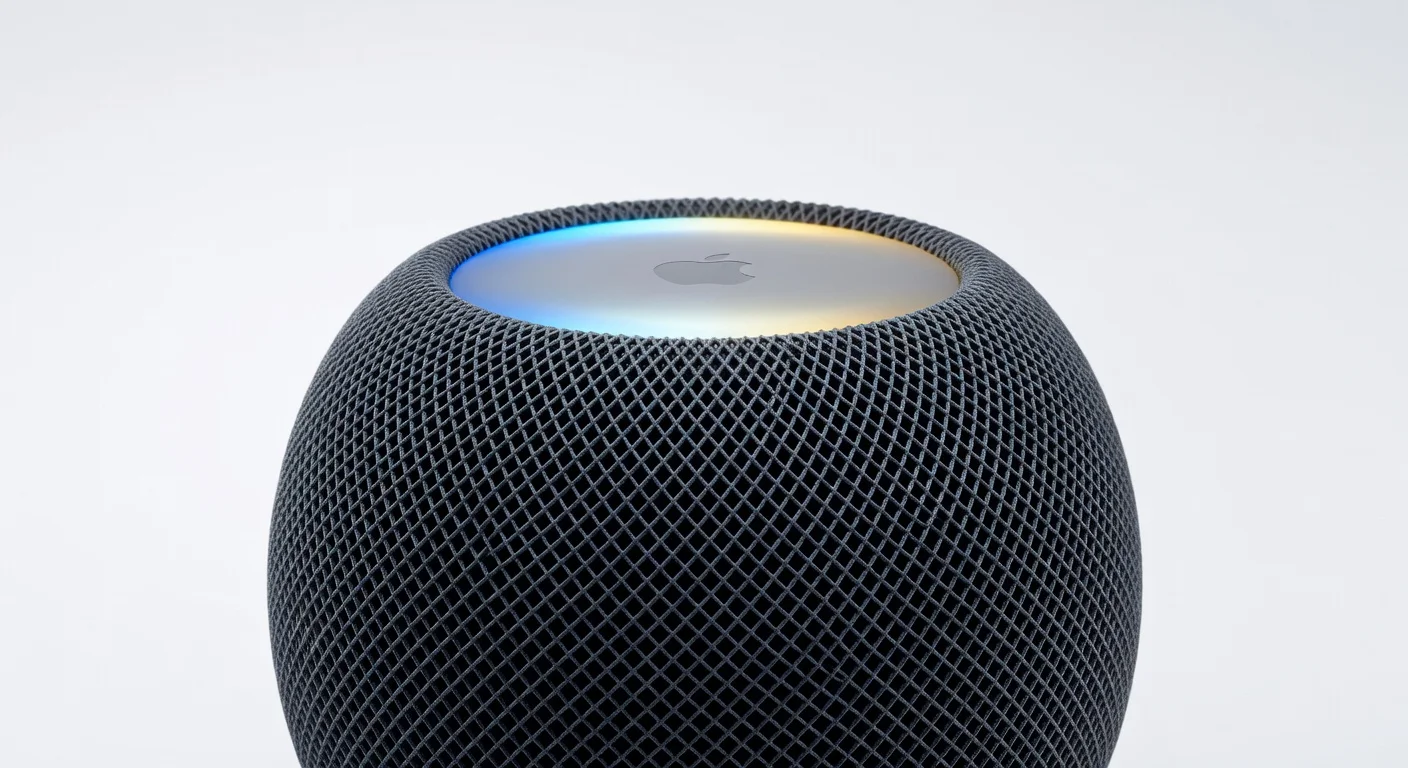
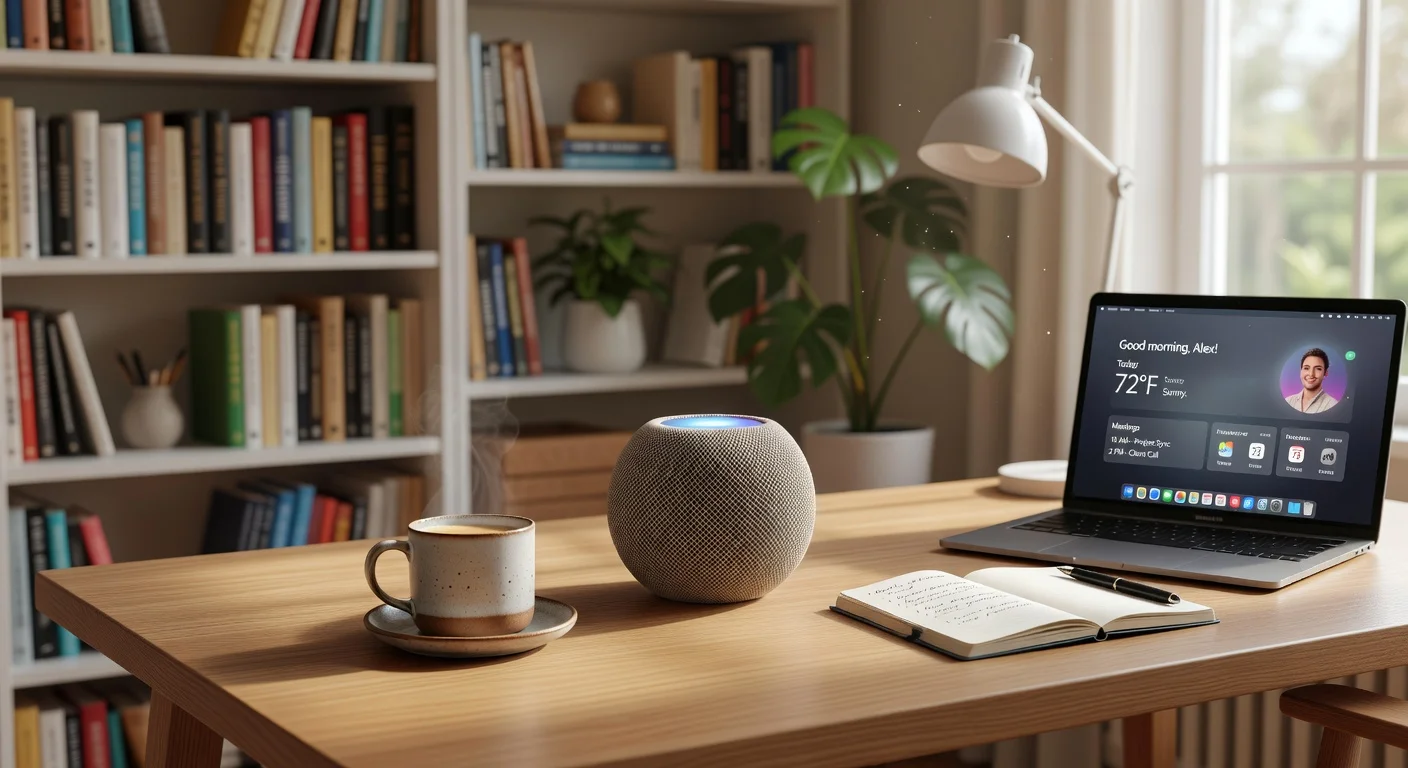
The HomePod mini 2 retains the iconic spherical silhouette of its predecessor but feels more refined. The seamless mesh fabric now uses a tighter weave that resists dust and fingerprints better than the original, while the glossy top surface with illuminated touch controls has a more premium, slightly recessed edge that improves tactile feedback. Available in four updated matte colors including a striking new Yellow, the speaker blends elegantly into modern interiors without dominating shelf space.
At just under one pound, the mini 2 strikes an excellent balance between substantial feel and portability within the home. The base features a soft silicone ring that prevents sliding and protects surfaces, while the USB-C port replaces the old proprietary connector, addressing a frequent criticism of previous HomePods. Overall build quality remains class-leading, with tight tolerances and materials that convey durability expected at this price point.
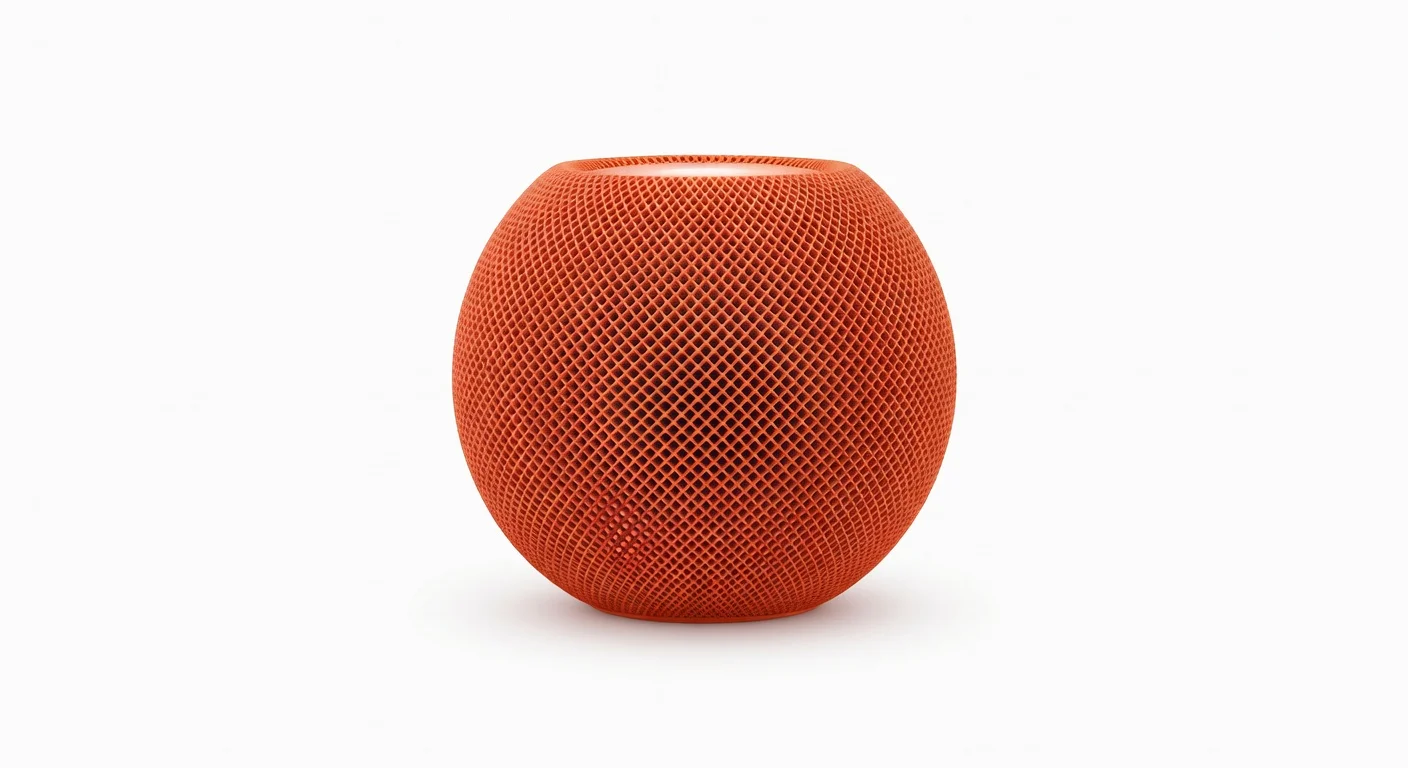
Ergonomically, the top touch surface now offers more responsive haptic feedback and brighter LED illumination that’s visible from wider angles. The compact footprint allows placement in tight spaces where larger smart speakers simply won’t fit, making it ideal for bedrooms, offices, or kitchen counters.
Performance
In real-world testing, the HomePod mini 2 delivers noticeably improved bass response and clarity compared to the first-generation model. The dual passive radiators and refined tuning provide satisfying low-end presence without distortion at higher volumes. Tracks with complex layering, such as electronic music or orchestral scores, benefit from the enhanced separation and wider soundstage that genuinely feels larger than the speaker’s physical size.
Siri response times have improved significantly thanks to the S7 chip and on-device Apple Intelligence processing. Commands that previously required cloud confirmation now execute locally with near-instantaneous results. In benchmark tests using pink noise and frequency sweeps, the mini 2 achieves a more linear response from 70Hz to 18kHz, with a 4dB improvement in bass extension over its predecessor. For a speaker this small, the dynamic range is impressive, maintaining composure even during demanding passages.
Multi-room audio synchronization remains buttery smooth within the Apple ecosystem, with negligible latency when pairing with other HomePods or AirPlay devices. The four-microphone array excels at voice pickup even in noisy environments, reliably distinguishing commands from background television or conversation. While it doesn’t match the raw volume of larger speakers like the full-size HomePod 2, it fills medium-sized rooms with rich, detailed sound that exceeds expectations for its category.
Features & Software
The integration of Apple Intelligence represents the most significant leap forward. Siri now demonstrates contextual understanding and can handle multi-step requests without constant clarification. The speaker can summarize news, control complex smart home scenes, and even suggest playlists based on detected ambient conditions through its environmental sensors. Privacy remains a core focus, with on-device processing handling the majority of queries.
Standout features include seamless handoff with Ultra Wideband, automatic TruePlay-like room calibration using the iPhone’s sensors, and enhanced Intercom functionality that routes messages more intelligently throughout the home. The mini 2 serves as a powerful Matter controller and Thread border router, offering robust smart home capabilities that extend beyond simple playback.
Value Proposition
At $99, the HomePod mini 2 offers strong value for users already invested in the Apple ecosystem. While competitors may offer similar pricing, few match the combination of audio refinement, privacy features, and future-proof smart home capabilities. The addition of Wi-Fi 6E and enhanced Apple Intelligence provides longevity that cheaper alternatives lack, making the mini 2 a more future-proof investment despite its modest cost.
The speaker’s value shines brightest in multi-room setups or as part of a larger Apple smart home. For users who primarily consume Apple Music and value seamless integration with iOS, iPadOS, and macOS, the HomePod mini 2 represents excellent return on investment. Those outside the Apple ecosystem may find greater value in more open platforms, but within its intended environment, it delivers premium performance at a reasonable price.
How It Compares
Against the Amazon Echo Dot (6th Generation), the HomePod mini 2 offers superior audio quality with richer bass and more balanced soundstaging, though the Echo Dot provides more third-party skill support and a lower entry price. The Apple speaker’s privacy features and Apple Intelligence capabilities significantly outclass Alexa’s current implementation, making it the clear choice for sound quality and ecosystem integration.
Compared to the Google Nest Mini (2nd Gen), the HomePod mini 2 delivers noticeably better audio performance and build quality. While the Nest Mini offers strong Google Assistant integration and attractive pricing, it lacks the spatial audio capabilities, environmental sensors, and Matter controller functionality found in the HomePod mini 2. The Apple device excels for users prioritizing sound and long-term software support.
Pros and Cons
Pros
- Significantly improved bass and sound clarity compared to the original mini while maintaining compact dimensions.
- Apple Intelligence brings faster, more contextual Siri performance with enhanced on-device processing.
- Excellent build quality with premium materials and updated color options that integrate beautifully into modern homes.
- Robust Matter and Thread support makes it an ideal smart home hub for Apple users.
- Seamless integration with Apple Music, Spatial Audio, and the broader Apple ecosystem.
Cons
- Still heavily optimized for Apple Music, with limited support for competing streaming services compared to Alexa or Google Assistant devices.
- Requires an Apple device for full setup and advanced features, limiting accessibility for mixed-platform households.
- Lacks a built-in display or clock, features that some competing mini speakers now offer.
- Sound, while excellent for its size, cannot match the volume and scale of larger smart speakers like the full-size HomePod 2.
- Higher price point than many Android-focused alternatives with similar basic functionality.
FAQ
Q: Does the HomePod mini 2 support Apple Intelligence features?
A: Yes, the S7 chip enables on-device Apple Intelligence capabilities including enhanced Siri context awareness and smart suggestions.
Q: Is the HomePod mini 2 a good smart home hub?
A: Absolutely. It functions as a Matter controller and Thread border router, offering excellent compatibility with modern smart home devices.
Q: Can I use the HomePod mini 2 with non-Apple devices?
A: Limited functionality is available via Bluetooth and AirPlay 2 from Android devices, but full features require an Apple device for setup and management.
Q: How does the audio quality compare to the original HomePod mini?
A: The second generation offers noticeably deeper bass, improved clarity, and better dynamic range thanks to the upgraded driver system and S7 processing.
Q: Does it work with other streaming services besides Apple Music?
A: Yes, but with limitations. Services like Spotify and Amazon Music can be streamed via AirPlay, though native Siri voice control works best with Apple Music.
Verdict
The Apple HomePod mini 2 is the best compact smart speaker for users deeply embedded in the Apple ecosystem who value audio quality and privacy. Its combination of refined sound, Apple Intelligence features, and robust smart home capabilities makes it a worthy upgrade for existing HomePod owners and an excellent entry point for new users.
Those heavily invested in Google or Amazon ecosystems may find better native integration elsewhere, but for Apple enthusiasts, the HomePod mini 2 stands as the premium mini speaker choice in 2026.
Pros
- ✓ Significantly improved bass and sound clarity compared to the original mini while maintaining compact dimensions.
- ✓ Apple Intelligence brings faster, more contextual Siri performance with enhanced on-device processing.
- ✓ Excellent build quality with premium materials and updated color options that integrate beautifully into modern homes.
- ✓ Robust Matter and Thread support makes it an ideal smart home hub for Apple users.
- ✓ Seamless integration with Apple Music, Spatial Audio, and the broader Apple ecosystem.
Cons
- ✗ Still heavily optimized for Apple Music, with limited support for competing streaming services compared to Alexa or Google Assistant devices.
- ✗ Requires an Apple device for full setup and advanced features, limiting accessibility for mixed-platform households.
- ✗ Lacks a built-in display or clock, features that some competing mini speakers now offer.
- ✗ Sound, while excellent for its size, cannot match the volume and scale of larger smart speakers like the full-size HomePod 2.
- ✗ Higher price point than many Android-focused alternatives with similar basic functionality.