Tech Essentials






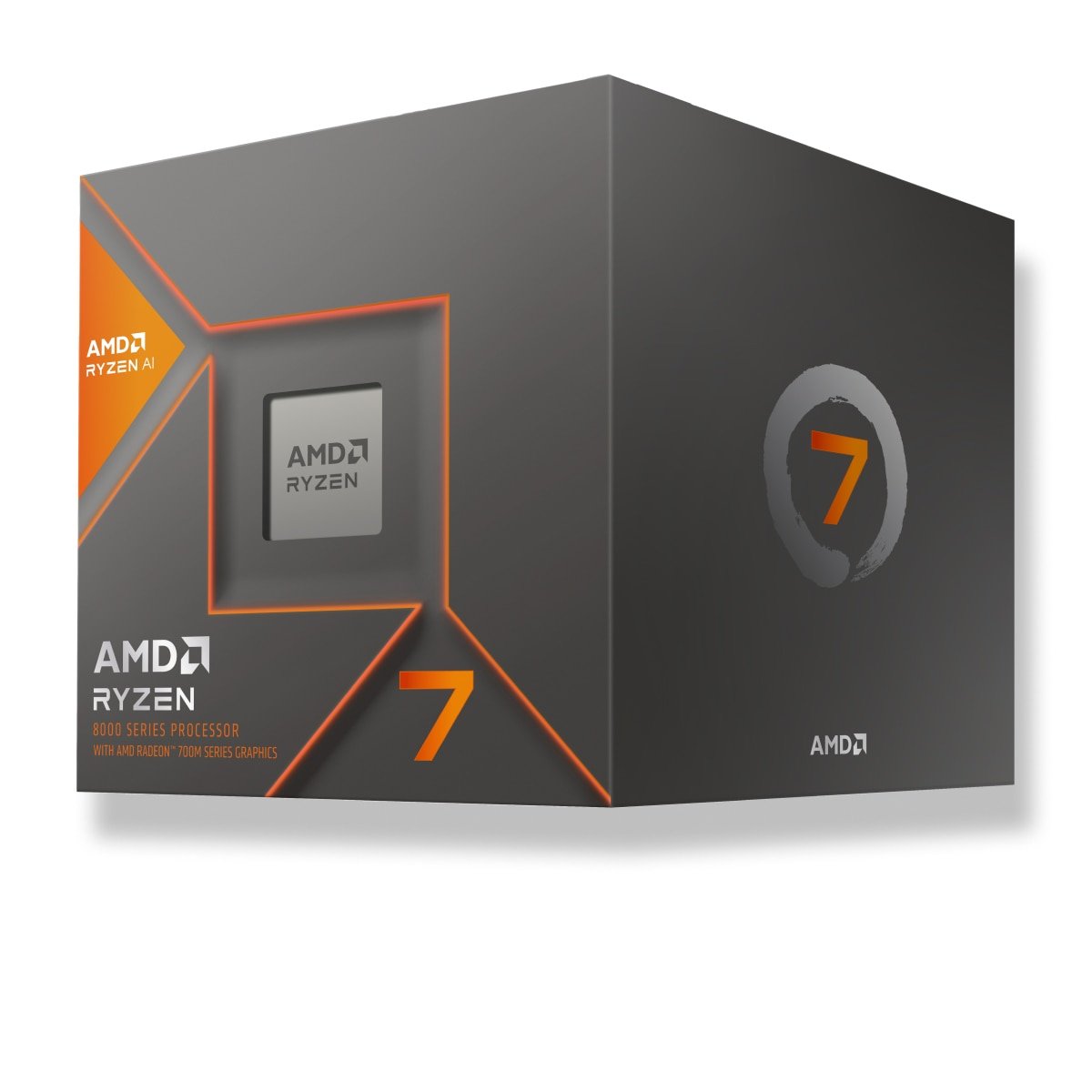
For years, integrated graphics meant accepting major compromises, but AMD’s latest APU aims to shatter that expectation entirely. The Ryzen 7 8700G isn’t just a processor with a graphics chip tacked on; it’s a bold and powerful statement about the future of compact, capable, and budget-conscious PC builds. This single piece of silicon promises to deliver a complete desktop experience, from productivity to legitimate 1080p gaming, all without the need for a separate graphics card.
The heart of the Ryzen 7 8700G is its potent combination of modern technologies. On the CPU side, you get eight high-performance Zen 4 cores, which provide the snappy responsiveness and multi-threaded muscle we’ve come to expect from modern Ryzen processors. This chip will chew through daily tasks, content creation, and demanding productivity workloads with ease. The real star, however, is the integrated Radeon 780M graphics. This is, without exaggeration, the most powerful integrated GPU ever put into a desktop processor. It transforms the 8700G from a simple CPU into a legitimate entry-level gaming solution, capable of running modern titles like Baldur’s Gate 3 and Cyberpunk 2077 at 1080p with playable frame rates, especially when aided by AMD’s FSR upscaling technology.
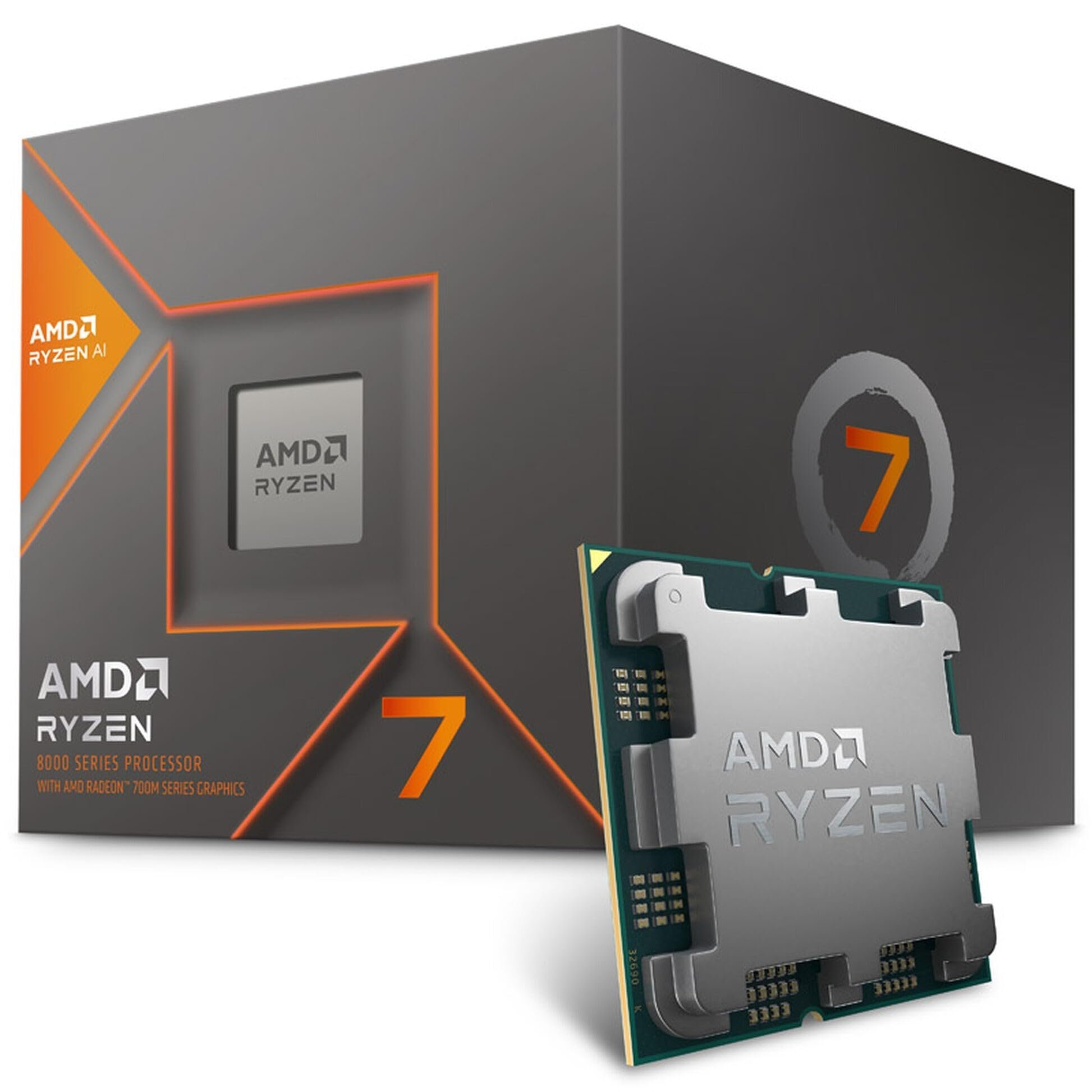
Beyond the core components, the 8700G brings a new trick to the table: Ryzen AI. This is AMD’s first desktop processor with a dedicated Neural Processing Unit (NPU) designed to accelerate artificial intelligence tasks. While the ecosystem is still in its infancy, this forward-looking feature can already handle workloads like Windows Studio Effects for webcam processing, offloading the task from the CPU and GPU. It’s a bet on the future of computing, where local AI processing becomes increasingly common. To get the most out of this APU, however, you must pair it with fast DDR5 memory, as the iGPU’s performance is directly tied to system RAM speed. Skimping here will significantly bottleneck the graphics performance.
Of course, this impressive integration comes with a few calculated trade-offs. The 8700G’s primary weakness is its value proposition when viewed in a vacuum. Its launch price places it in direct competition with a build comprising a mid-range CPU (like a Ryzen 5 7600) and a capable entry-level discrete GPU (like an RX 6600), a combination that will ultimately deliver superior raw gaming performance. Furthermore, to accommodate the large iGPU, AMD reduced the L3 cache compared to other Ryzen 7 chips and limited the PCIe connection for a graphics card to x8. While PCIe 4.0 x8 is sufficient for most current GPUs, it could present a minor bottleneck for future high-end cards.
Ultimately, the Ryzen 7 8700G isn’t for the builder seeking maximum performance-per-dollar. It is a masterclass in engineering for a specific purpose. This processor is the undisputed king for anyone building a super-compact, small form factor PC that can still game competently without the heat, power draw, and physical space of a discrete graphics card. It’s also the perfect starting point for a phased build, allowing you to have a great 1080p gaming experience today with the option to add a powerful dedicated GPU years down the line. For those niche but growing use cases, the 8700G isn’t just a good option; it’s a game-changer.
Where to Buy:
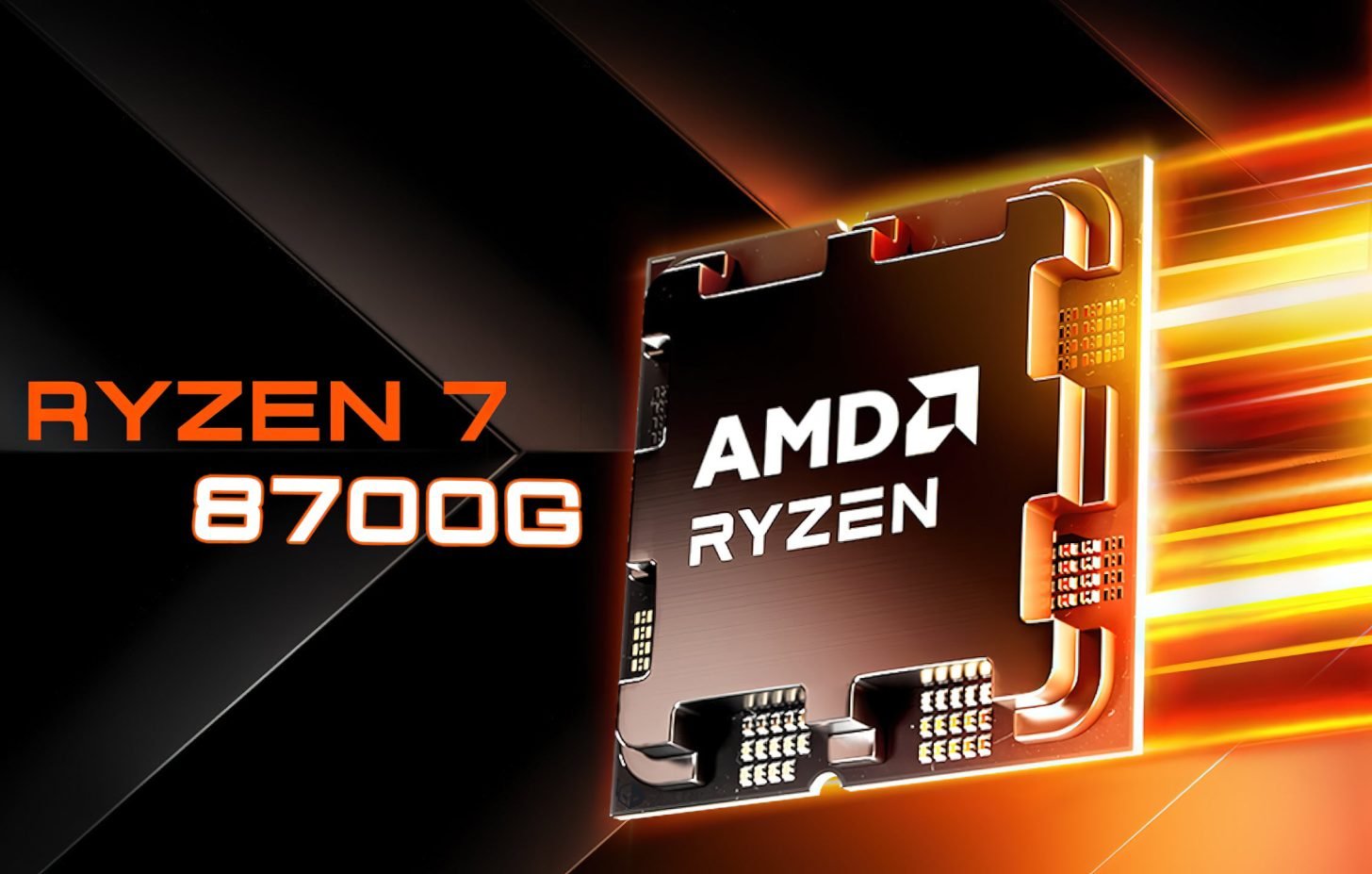
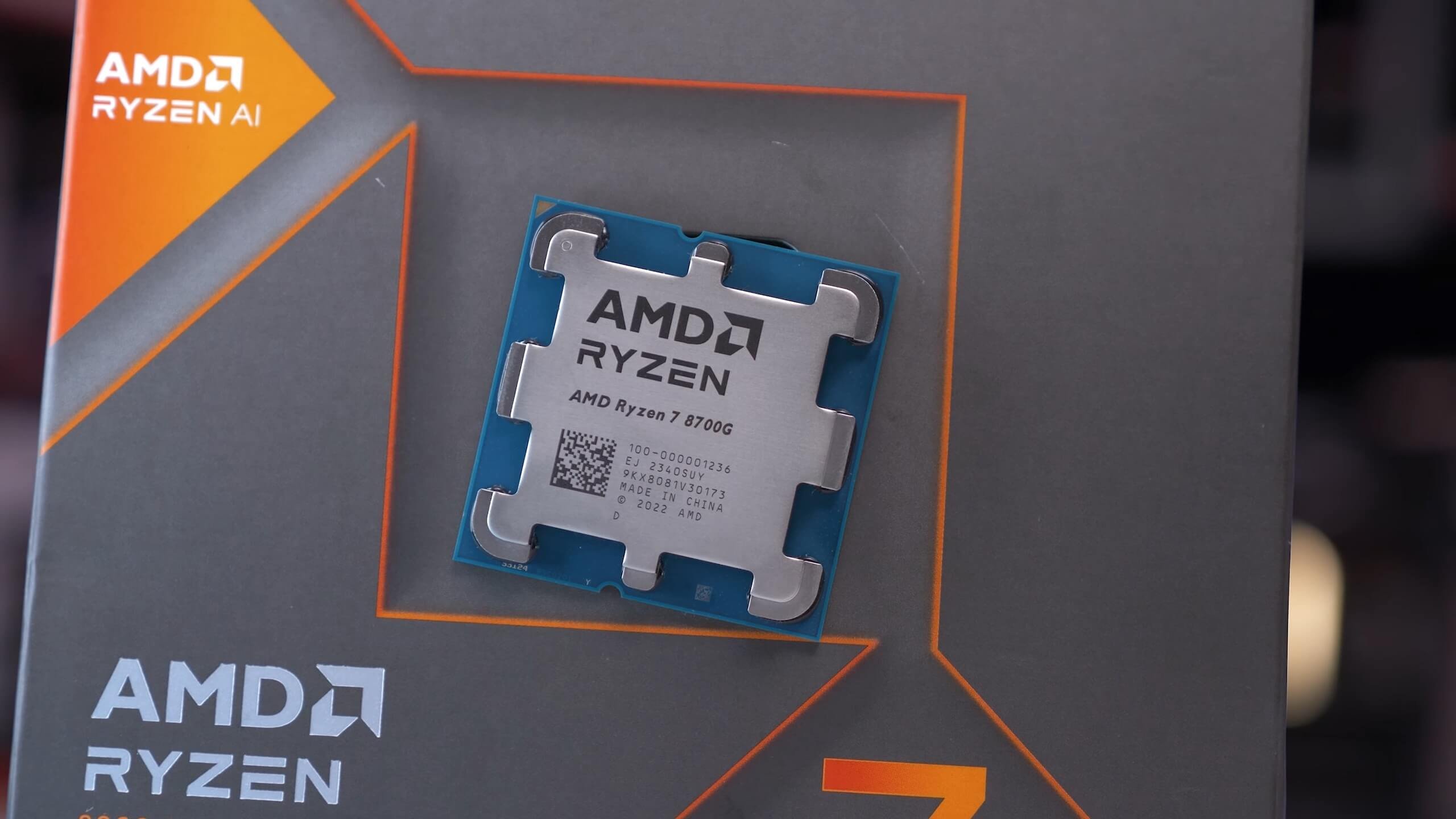
AMD Ryzen 7 8700G Quick Summary
Key Scores:
-
Value:
85% -
Design:
90% -
Performance:
92% -
Quality:
90% -
Popularity:
88%
Top Pros
- ✅ Integrated graphics deliver legitimate 1080p gaming performance.
- ✅ Eight modern Zen 4 cores provide excellent multitasking capabilities.
- ✅ Impressive power efficiency is ideal for small form factor builds.
- …
Key Cons
- ❌ Premium pricing competes with CPU and discrete GPU combinations.
- ❌ Reduced PCIe lanes can limit future high-end GPU upgrades.
- ❌ Achieving top performance requires expensive, high-speed DDR5 memory.