Tech Essentials
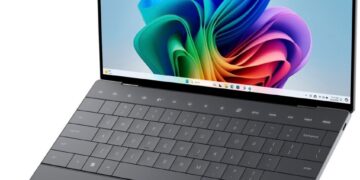




Dell’s latest XPS 13 marks a monumental shift, ditching Intel for Qualcomm’s new silicon and fully embracing the nascent era of AI-powered computing. This isn’t just another annual refresh; it’s a bold reimagining of what an ultra-premium laptop can be. The 2025 XPS 13 9345 is a statement piece, but one that asks its users to bet big on the future.
The heart of the XPS 13 9345 is its radical departure from x86 architecture. Powered by Qualcomm’s Snapdragon X Elite processor, this machine is one of the first true “Copilot+ AI PCs,” a designation that signifies more than just a dedicated key on the keyboard. The chip’s powerful Neural Processing Unit (NPU) is the star, handling on-device AI tasks with an efficiency that traditional CPUs can’t match. This translates to near-instantaneous results for features like Windows Studio Effects for video calls, Live Captions with translation, and the much-discussed Recall feature, which creates a searchable timeline of your activity. Performance for everyday tasks is snappy and responsive, but the real magic is the battery life. This is where the ARM architecture shines, delivering genuine all-day longevity that often eludes its Intel-based counterparts, even under a moderate workload. The caveat, of course, is software compatibility; while Microsoft’s Prism emulation layer for legacy x86 apps has improved dramatically, performance can still be unpredictable, and native ARM64 applications are needed to unlock the platform’s full potential.
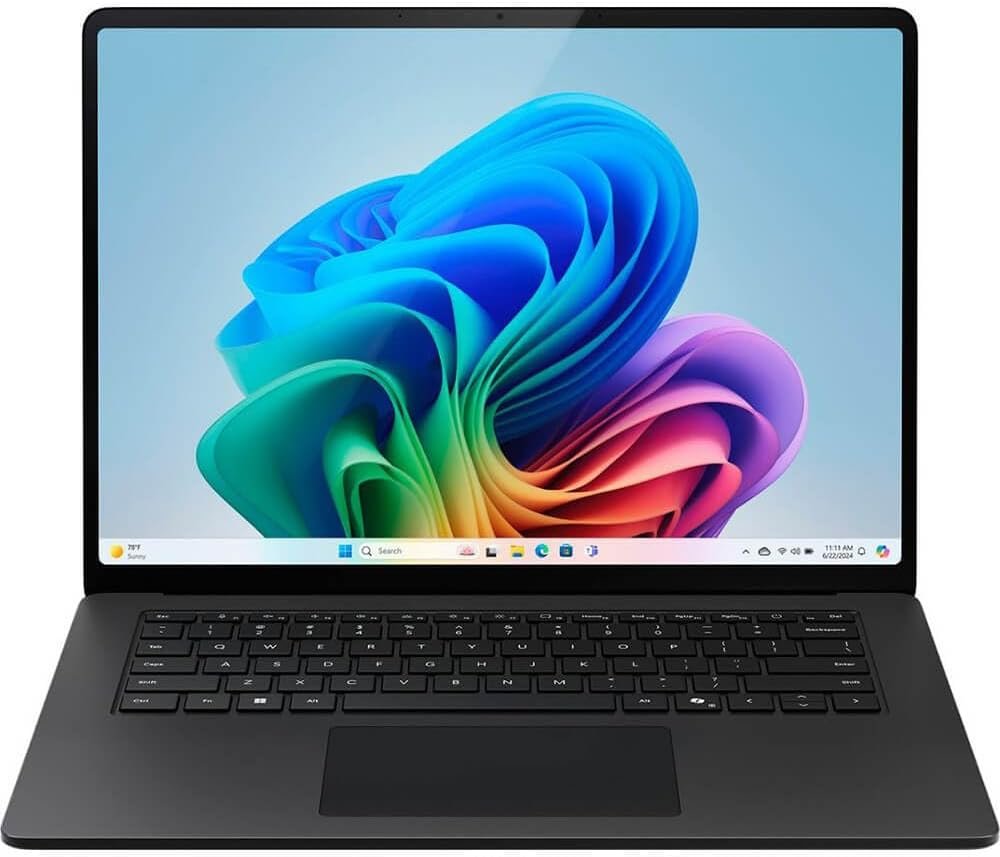
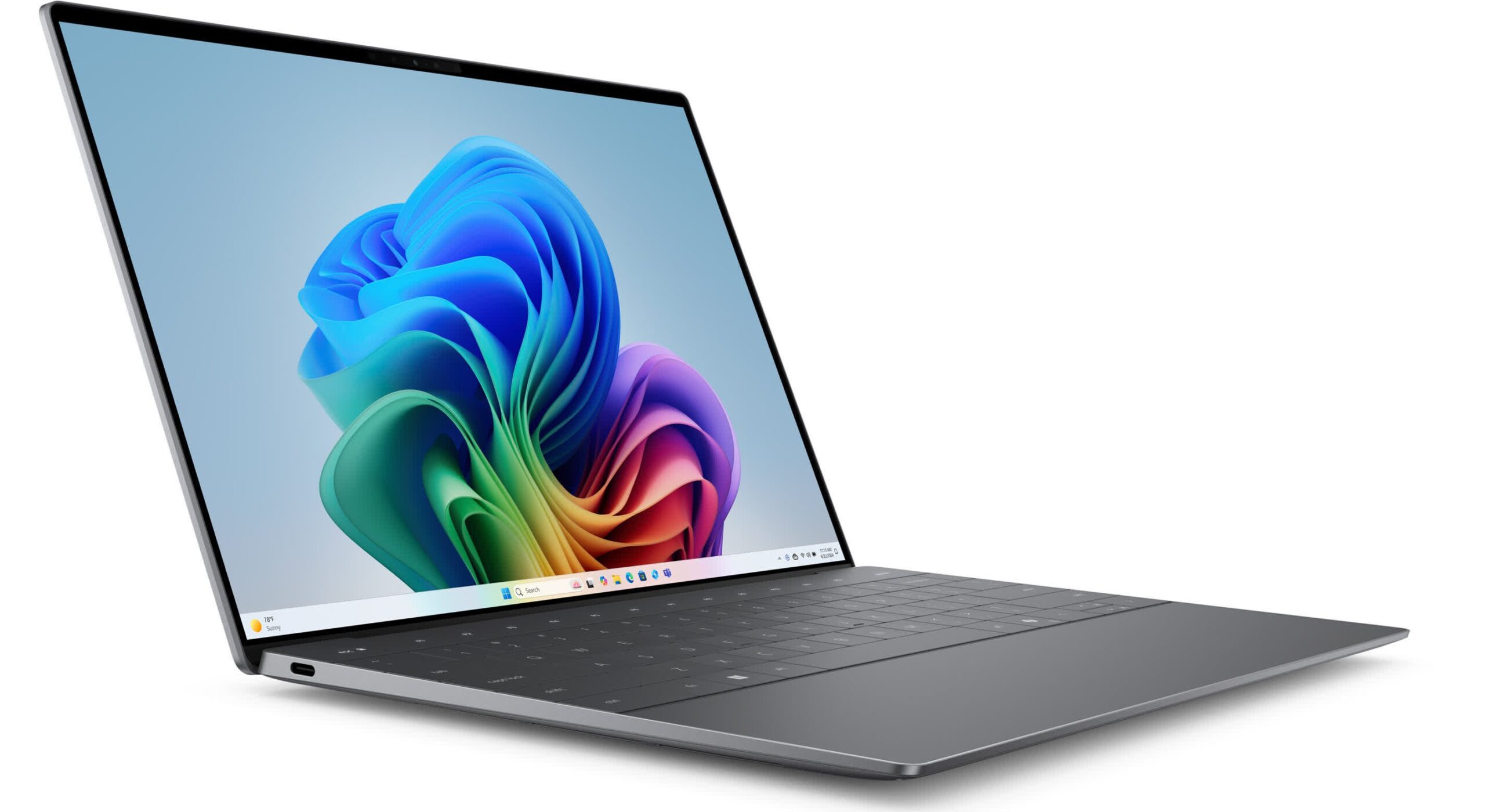
Aesthetically, the XPS 13 9345 is a masterclass in minimalist design, though not without controversy. Carved from a single block of CNC-machined aluminum and protected by Gorilla Glass 3, the chassis feels impossibly solid and impossibly thin. The design language is clean and futuristic, defined by its seamless glass palm rest that hides a large, invisible haptic touchpad. The touchpad itself is excellent—responsive and precise—but its lack of physical boundaries takes some getting used to. More divisive is the zero-lattice keyboard, which features a row of capacitive touch buttons for function and media keys instead of physical ones. While the main keys offer surprisingly decent travel and a satisfying feel, the touch-based function row is a form-over-function choice that can lead to accidental presses and a frustrating user experience.
Where the XPS 13 is unequivocally brilliant is its display. The new 13.4-inch Tandem OLED panel is simply stunning. By stacking two OLED layers, Dell has managed to boost brightness for HDR content and improve the panel’s overall lifespan, addressing two common concerns with the technology. The 3K resolution is incredibly sharp, colors pop with vibrant accuracy, and the 120Hz variable refresh rate makes every scroll and animation feel buttery smooth. Whether you’re editing photos, watching movies, or simply browsing the web, this screen is an absolute joy to use and a clear highlight of the device.
As a forward-looking machine, however, the XPS 13 makes some practical sacrifices. Port selection is spartan, with just two Thunderbolt 4 (USB-C) ports and nothing else. This means a dongle or dock is a non-negotiable accessory for anyone needing to connect a USB-A device, external monitor via HDMI, or an SD card. Like its predecessors, both the RAM and SSD are soldered to the motherboard, eliminating any possibility of future upgrades. For its steep asking price, you are buying into a very specific vision of the future—one that is wireless, cloud-centric, and powered by AI.
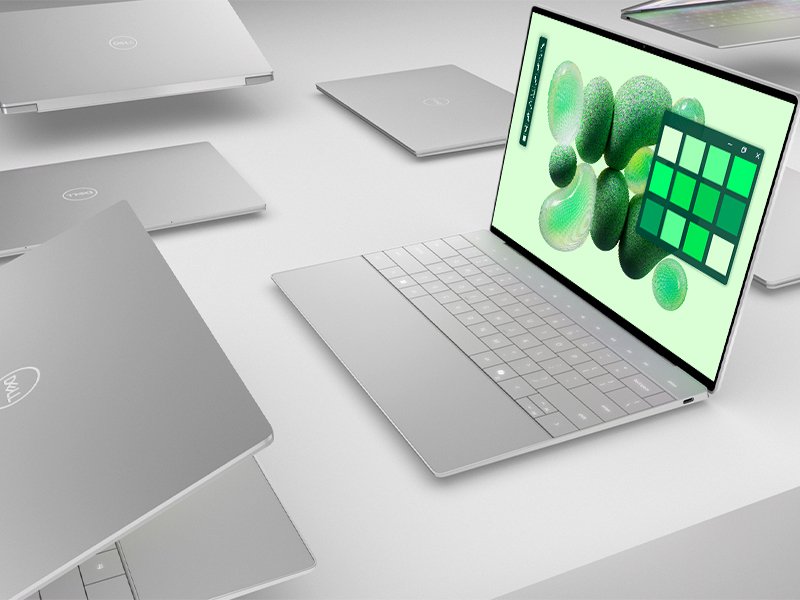
The 2025 Dell XPS 13 9345 is not a laptop for everyone. It is a beautifully engineered, technologically advanced machine that offers a compelling glimpse into the next wave of personal computing. For the early adopter, the mobile professional who prioritizes battery life and cutting-edge AI features, or anyone who wants the best portable display on the market, the 9345 makes a powerful case for itself. However, users who rely on a wide range of peripherals, legacy software, or the ability to upgrade their hardware down the line will find its uncompromising design and reliance on a still-maturing software ecosystem to be a significant barrier.
Where to Buy:
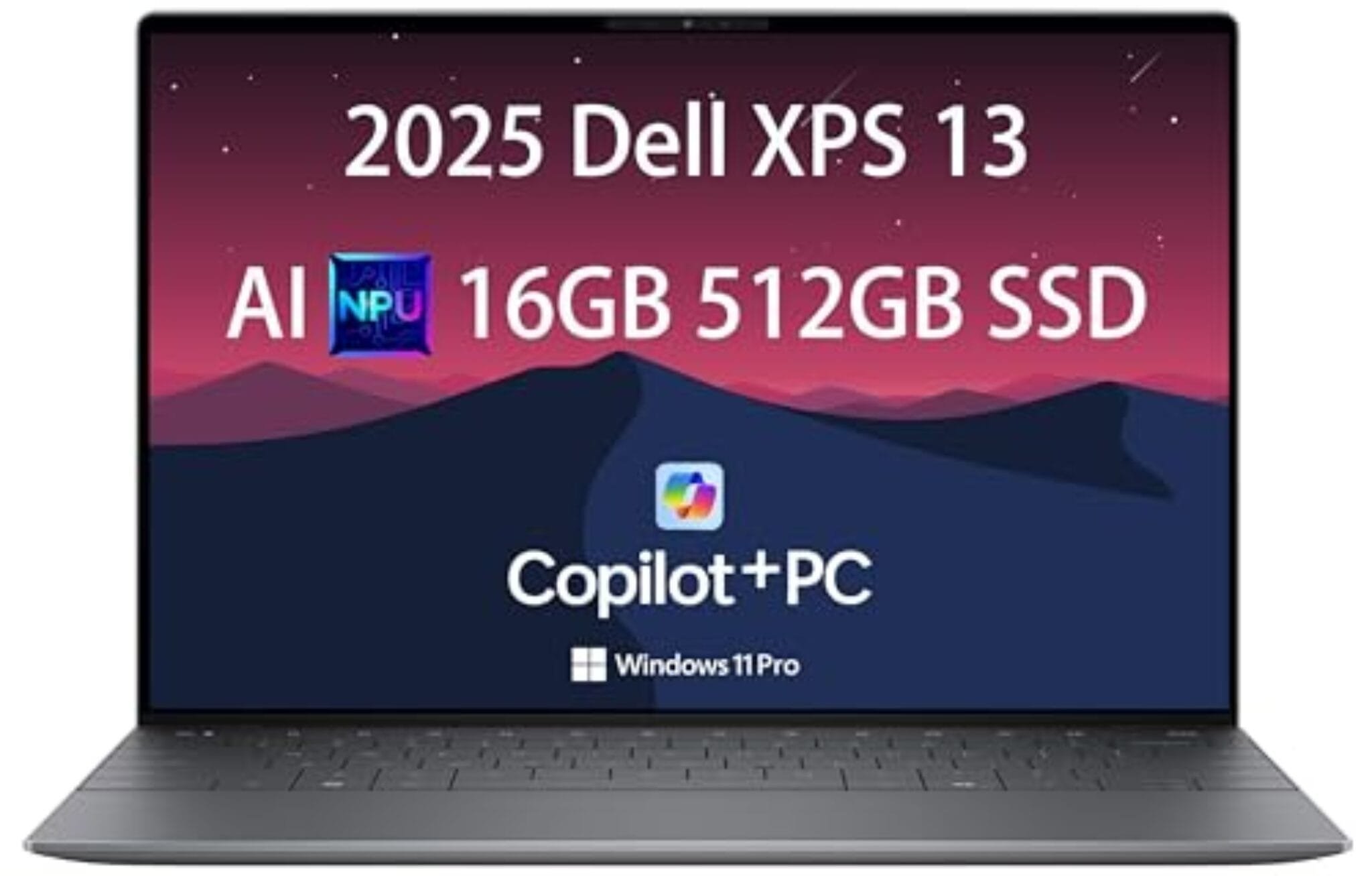
2025 Dell XPS 13 9345 Laptop, Copilot+ AI PC Quick Summary
Key Scores:
-
Value:
94% -
Design:
90% -
Performance:
97% -
Quality:
95% -
Popularity:
85%
Top Pros
- ✅ Snapdragon X Elite chip delivers exceptional on-device AI performance.
- ✅ The 3K Tandem OLED display is breathtakingly bright and vibrant.
- ✅ All-day battery life finally lives up to its promise.
- …
Key Cons
- ❌ Minimalist port selection absolutely necessitates carrying a dongle.
- ❌ The capacitive touch function row can be frustrating to use.
- ❌ Legacy app compatibility on Windows on ARM remains a concern.
- …