Tech Essentials









Bambu Lab shattered expectations with its high-speed, high-quality printers, but their premium price kept many enthusiasts on the sidelines. The A1 Combo changes the game, promising a multi-color, plug-and-play experience at a fraction of the cost of its larger siblings. It represents a bold move to democratize advanced 3D printing, but does it deliver on that promise without cutting too many corners?
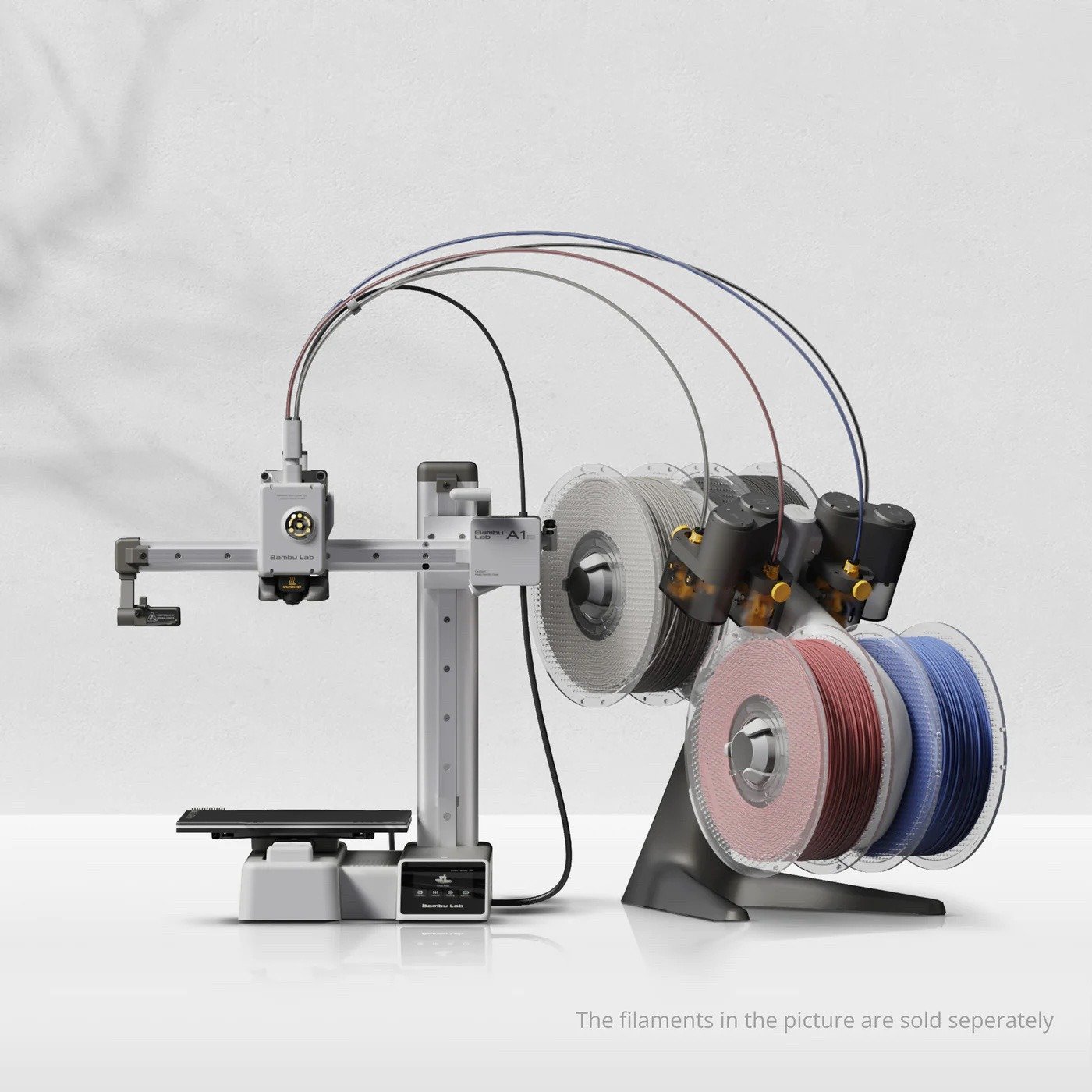
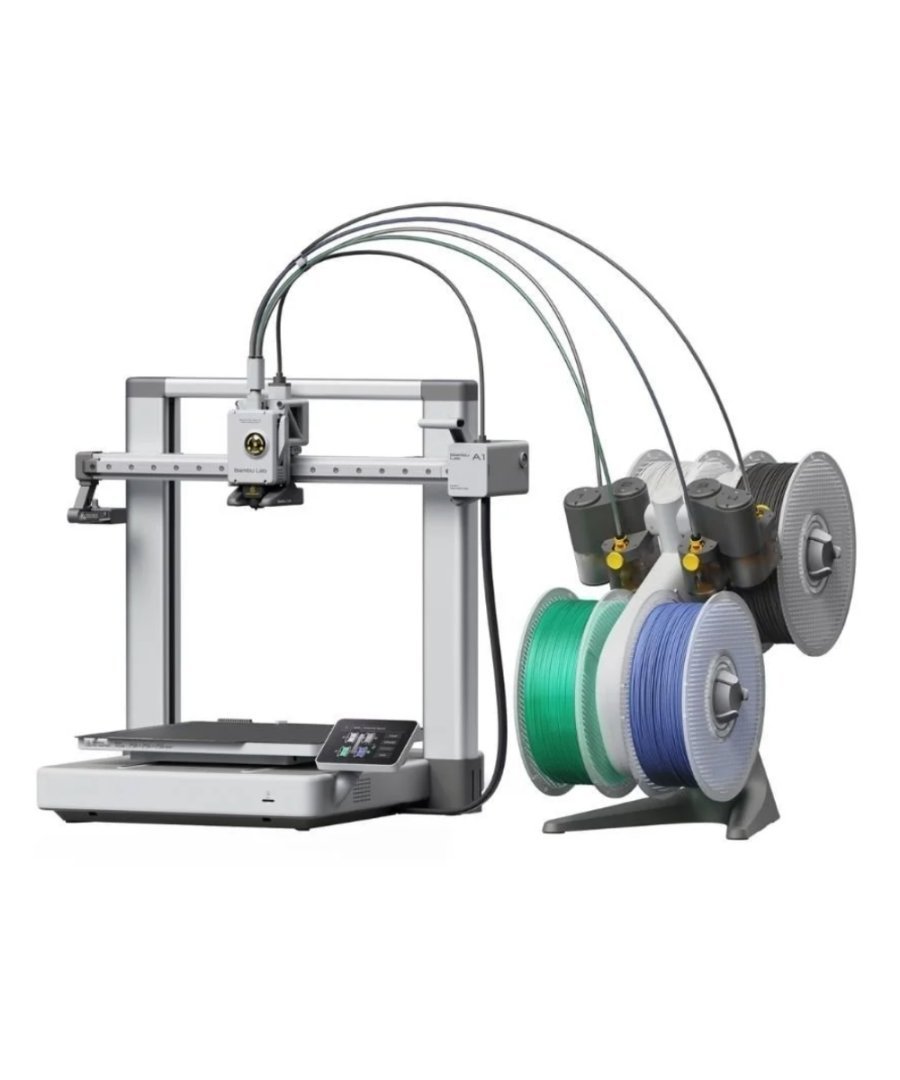
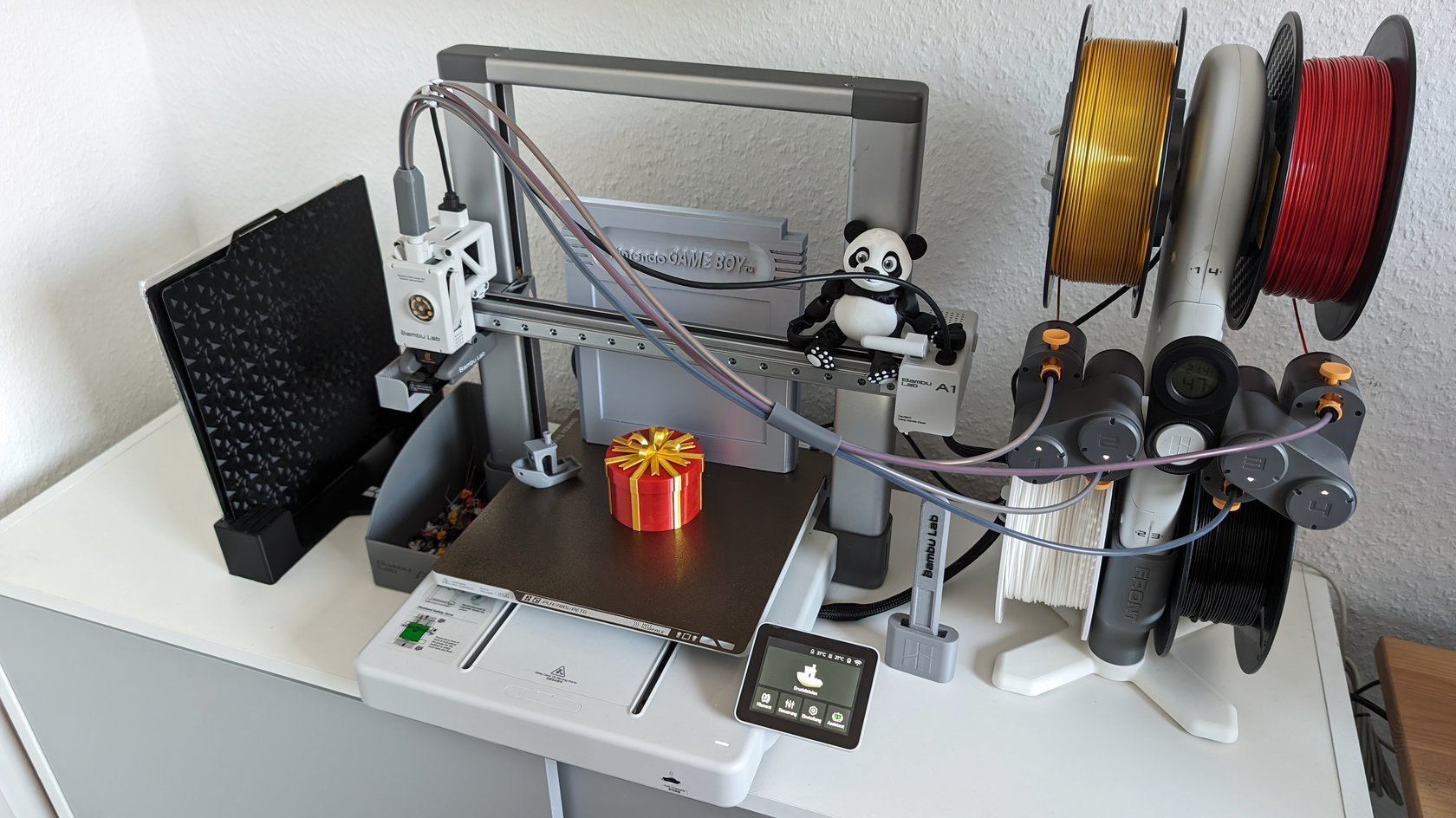
The A1 Combo pairs the A1 Mini printer with the AMS Lite, Bambu’s four-filament multi-material system. In a departure from the company’s flagship CoreXY designs, the A1 is a “bedslinger”—a more conventional design where the print bed moves along the Y-axis. While this requires more desk space for the bed’s back-and-forth movement, it’s a proven, cost-effective mechanism. The build quality feels solid and deliberate, with all-metal linear rails and a sturdy frame that belies its budget positioning. The standout design feature is the new quick-swap, all-in-one hotend, which allows users to change nozzles in under a minute with a simple clip mechanism, removing a common maintenance headache.
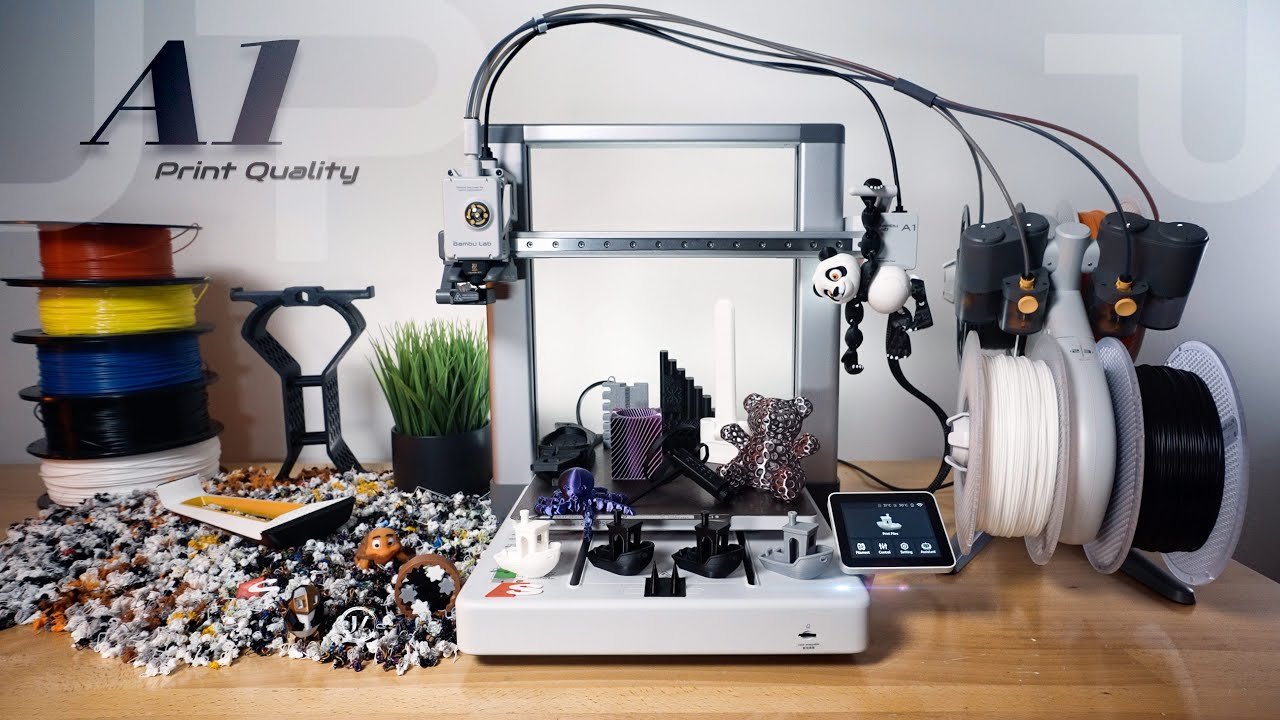
Performance is where the A1 truly punches above its weight. Leveraging Bambu’s now-famous input shaping and pressure advance algorithms, the printer achieves breathtaking speeds without sacrificing significant detail. Out of the box, it produces clean, sharp prints that can easily rival those from meticulously tuned machines costing twice as much. The “it just works” philosophy is strong here; the printer runs a full suite of automated calibrations before every print, including active motor noise cancellation, vibration compensation, and nozzle pressure adjustment. This completely removes the tedious manual calibration that plagues the budget printer market, making it exceptionally friendly for beginners.
The centerpiece of the “Combo” is the AMS Lite. Unlike the enclosed AMS on the X1 and P1 series, the Lite is an external, open-air unit that holds four spools. While its sprawling, somewhat gangly appearance is less elegant, its function is superb. It reliably feeds and retracts filaments, opening the door to effortless multi-color and multi-material printing for a mass-market audience. The trade-off for this accessibility is a more exposed system and a reliance on Bambu’s cloud-centric software ecosystem, which, while powerful and intuitive, may not appeal to users who prefer fully offline control. The open-frame design of the A1 itself also means it’s louder than its enclosed brethren and less suitable for printing high-temperature materials like ABS or ASA without a separate enclosure.
Ultimately, the Bambu Lab A1 Combo redefines the value proposition for consumer 3D printing. It takes the key ingredients of Bambu’s success—speed, quality, and automated simplicity—and packages them into an incredibly compelling and affordable system. It’s not without compromises; the bedslinger design is space-hungry, and the open frame limits material choice. However, for hobbyists, beginners, or even seasoned makers looking for a reliable multi-color workhorse without breaking the bank, the A1 Combo is an undeniable triumph. It is the benchmark against which all future budget 3D printers will be measured.
Where to Buy:
Bambu Lab A1 Combo Quick Summary
Key Scores:
-
Value:
93% -
Design:
87% -
Performance:
97% -
Quality:
90% -
Popularity:
83%
Top Pros
- ✅ Multi-color printing is incredibly accessible and easy to use.
- ✅ Fully automated calibration makes the setup process virtually effortless.
- ✅ Print speed and quality successfully rival much more expensive machines.
- …
Key Cons
- ❌ The open-frame design increases noise and limits material compatibility.
- ❌ Its bedslinger mechanism requires a significant amount of desk space.
- ❌ The external AMS Lite unit feels less robust and is cumbersome.