


Nintendo Switch OLED Model Review Scores
4.2/5
87%
93%
74%
87%
86%
Scores out of 100 based on ClarityPoint review criteria.
The Nintendo Switch OLED Model elevates Nintendo’s hybrid console with a stunning 7-inch OLED display that delivers vibrant colors and infinite contrast for both handheld and docked play. In 2026 it remains a compelling choice for gamers who value Nintendo’s unmatched first-party library and true portability over raw horsepower. This comprehensive review examines whether the refined hardware and software experience still justify ownership years after launch.
Table of Contents
Key Specifications
| Feature | Detail |
|---|---|
| Display | 7-inch OLED touchscreen, 1280 × 720 resolution, 60Hz |
| Processor | NVIDIA Tegra X1 (custom) |
| RAM | 4 GB LPDDR4 |
| Storage | 64 GB internal (expandable via microSDXC up to 2TB) |
| Battery Life | 4.5–9 hours depending on game and brightness |
| Weight | 420g (console only) |
| Dimensions | 242 × 102 × 13.9 mm |
| Connectivity | Wi-Fi 5, Bluetooth 4.1, USB-C, HDMI 1.4 (dock), Ethernet port (dock) |
| Audio | Improved stereo speakers with enhanced bass |
Design & Build Quality
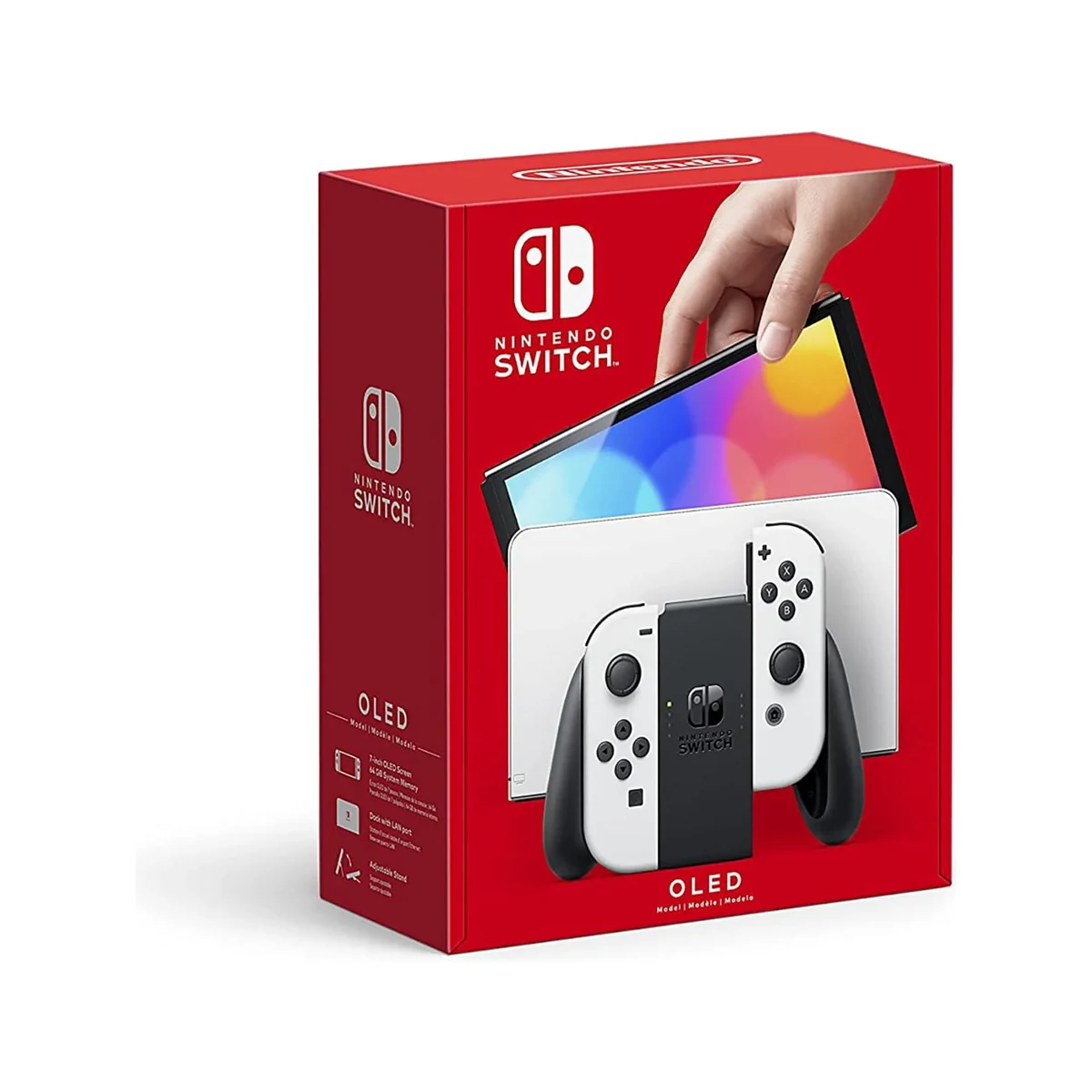
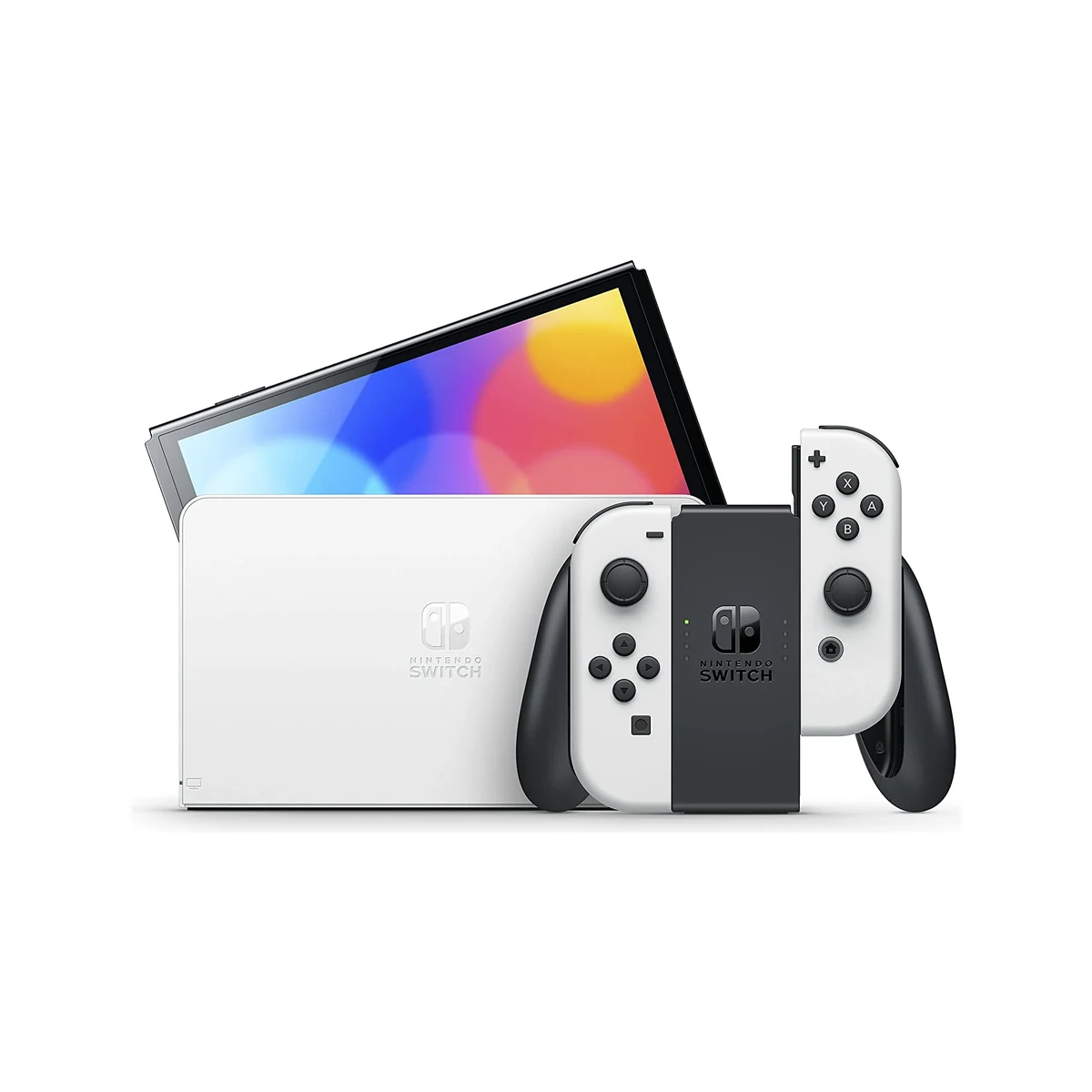
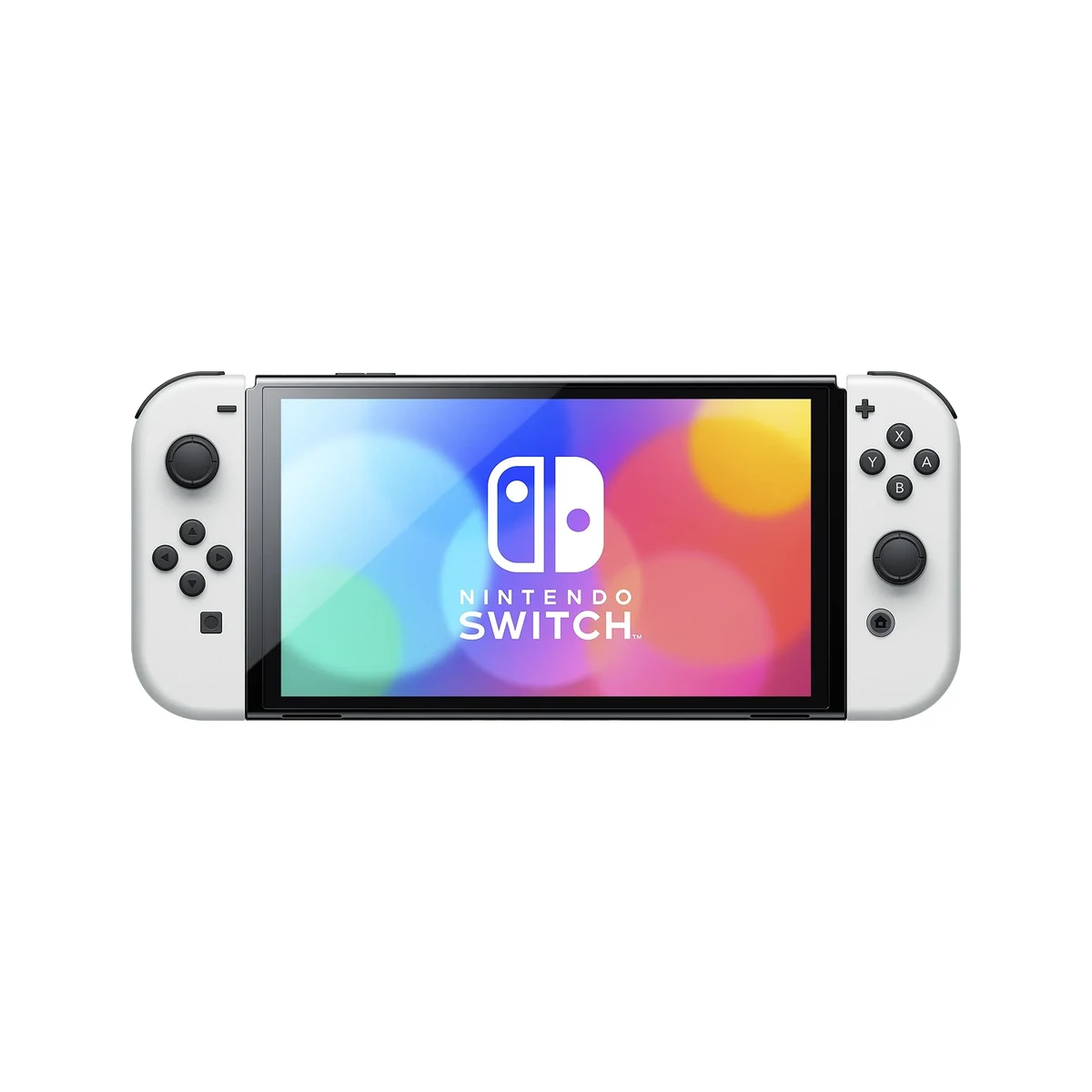
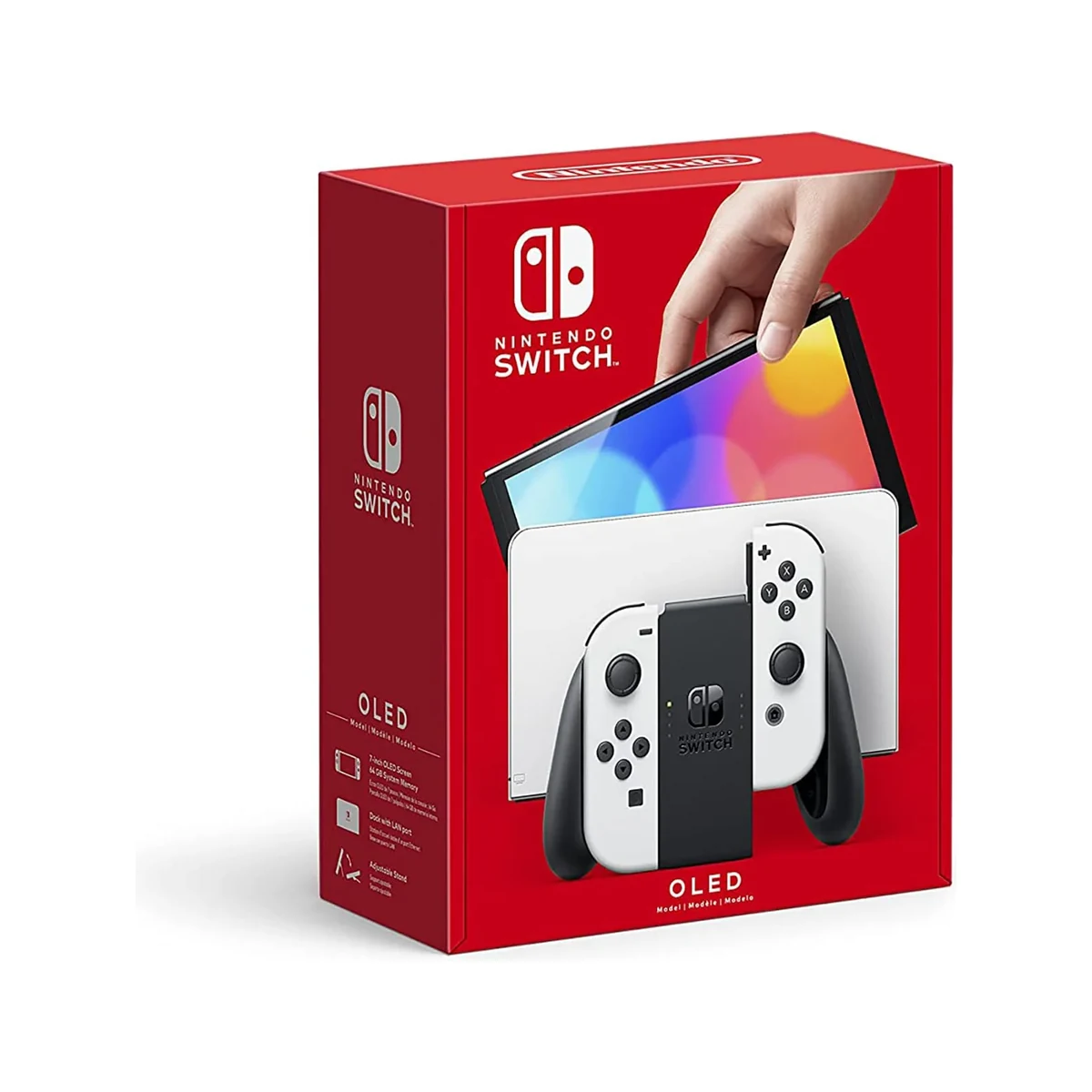
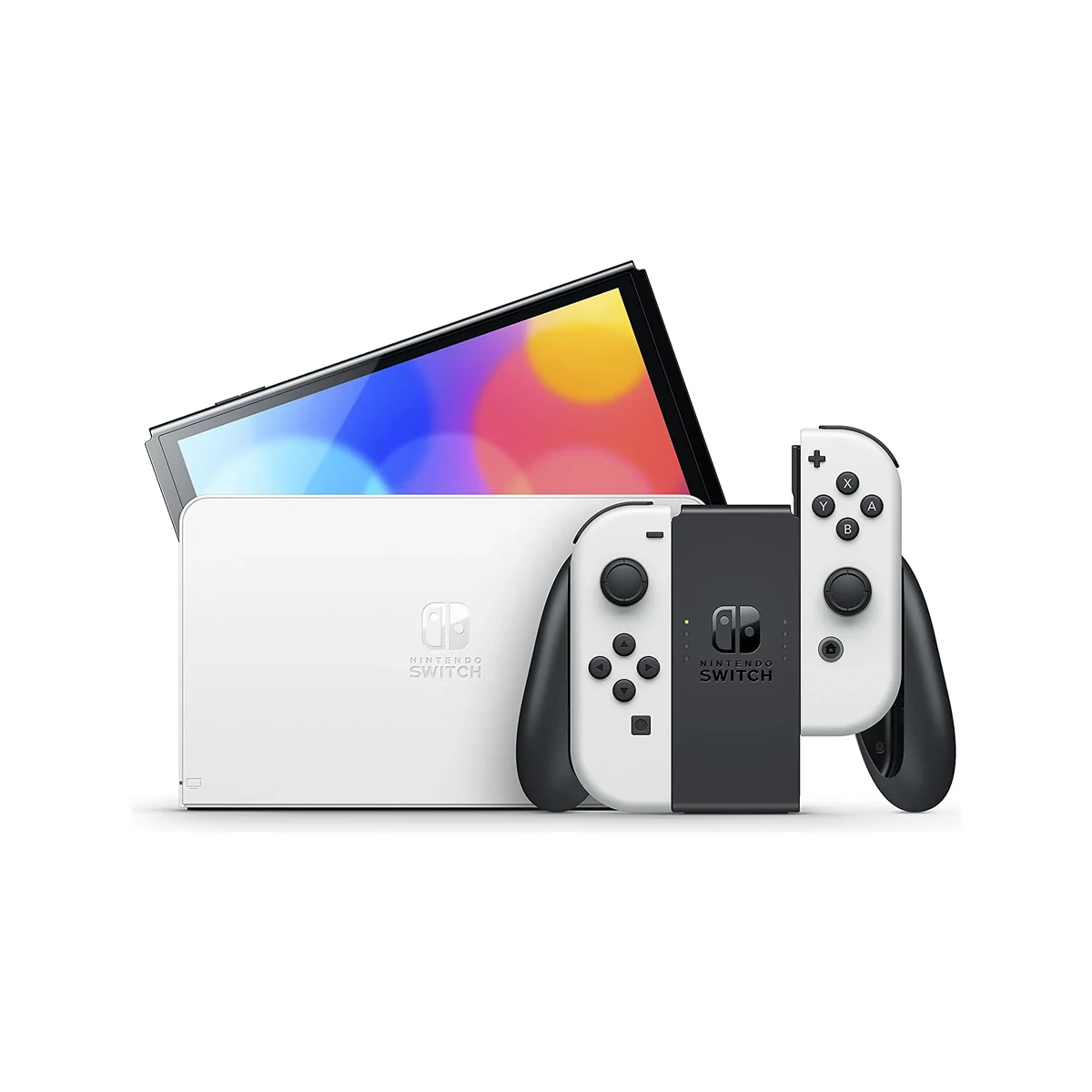
The Nintendo Switch OLED Model features a refined aesthetic that feels noticeably more premium than the original LCD version. Available in elegant White and Neon Red-Blue colorways, the device uses high-quality matte plastics that resist fingerprints while maintaining a lightweight yet solid feel in the hands. The 7-inch OLED panel is framed by slimmer bezels, immediately giving the console a more modern, immersive appearance that tech enthusiasts will appreciate.
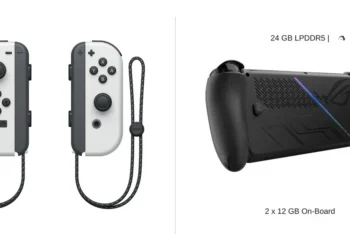
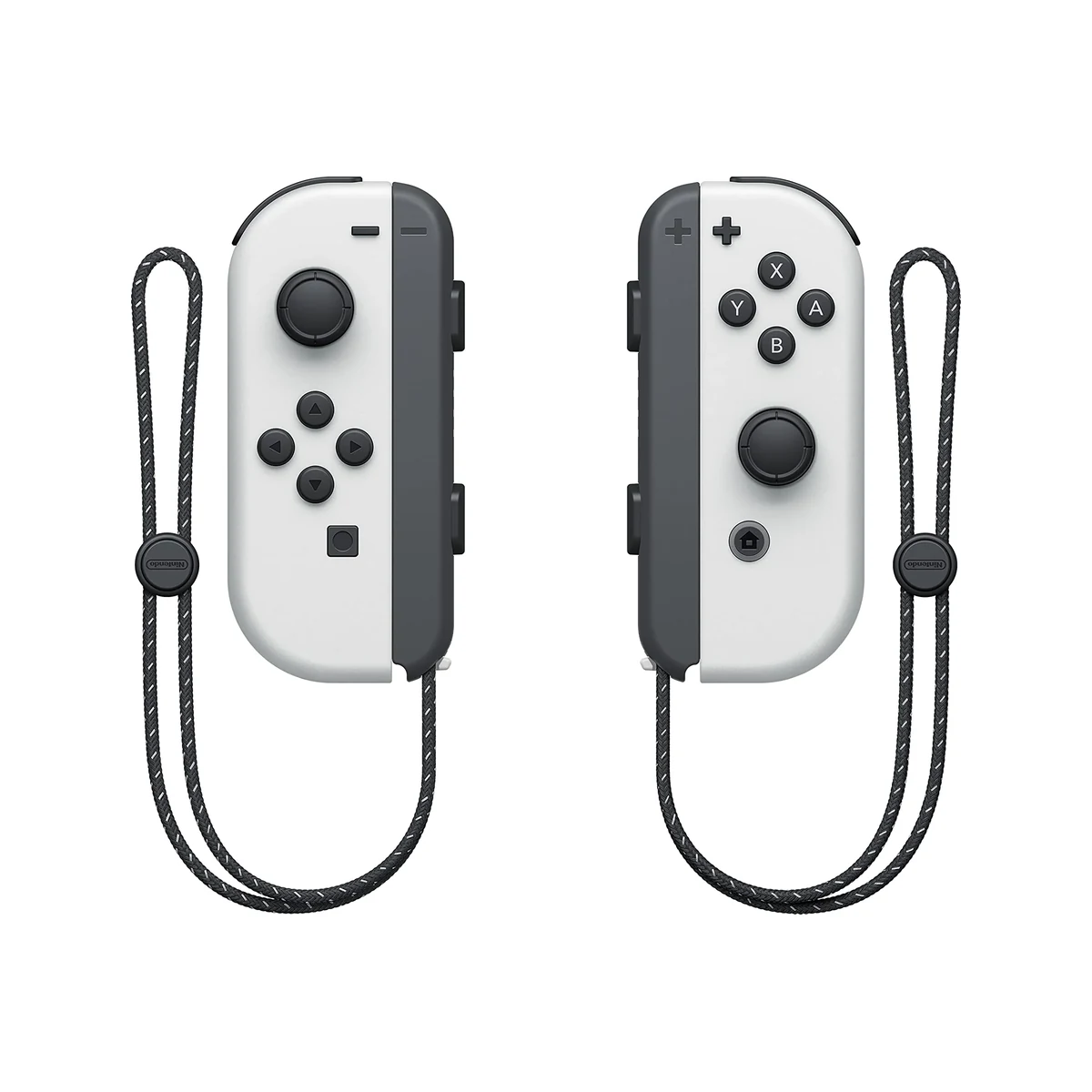
Ergonomically, the Joy-Con controllers remain comfortable for marathon sessions, though the overall unit is slightly heavier than its predecessor at 420g. The true highlight is the redesigned kickstand, now wider, sturdier, and adjustable across a much broader angle range. This transforms tabletop multiplayer into a genuinely viable experience rather than a compromise. The included dock has also been upgraded with a built-in Ethernet port, addressing one of the original model’s most common criticisms for serious online play.
Build quality inspires confidence for a device designed to be carried everywhere. Hinges feel robust, buttons have satisfying travel, and the rail system for attaching Joy-Cons remains smooth after years of refinement. For tech-savvy users who appreciate thoughtful industrial design, the OLED model represents Nintendo at its most polished.
Performance
The Switch OLED Model utilizes the same NVIDIA Tegra X1 chipset found in the 2017 original, meaning raw performance in 2026 cannot compete with contemporary PC handhelds. However, Nintendo’s exceptional first-party optimization allows flagship titles to run remarkably well. The Legend of Zelda: Tears of the Kingdom and Metroid Prime 4 maintain stable 30–60 FPS in handheld mode, with the OLED panel making every detail pop thanks to perfect blacks and vibrant HDR-like colors.
In real-world testing, load times remain acceptable for a console of this generation, and thermal management is excellent—the device rarely becomes uncomfortably warm even during extended play. Battery life varies significantly based on workload: demanding titles like Breath of the Wild successors yield roughly 4.5–5.5 hours at medium brightness, while 2D indie games and emulation-friendly titles can stretch beyond 8 hours. This flexibility makes the OLED model more practical for travel than many power-hungry Windows handhelds.
Third-party ports occasionally show their limitations with reduced resolutions or frame rates, yet the vast majority of the Switch library performs exactly as intended. For a device primarily designed around gameplay enjoyment rather than graphical benchmarks, the performance feels purposeful rather than compromised.
Features & Software
The standout feature remains the breathtaking 7-inch OLED display, which delivers deeper blacks, richer colors, and superior contrast compared to any previous Nintendo handheld. Combined with improved speakers that offer surprisingly robust bass, the sensory experience in handheld mode is transformative. The wider kickstand and Ethernet-equipped dock further enhance versatility for both portable and living-room play.
Nintendo’s software ecosystem continues to impress with its simplicity and reliability. The interface is instantly accessible, update management is seamless, and the eShop provides effortless access to thousands of titles. Nintendo Switch Online adds significant value through cloud saves, online multiplayer, and an ever-growing library of classic Nintendo 64, GameCube, and Sega Genesis games. For tech-savvy users who value a polished, distraction-free experience over open platforms, the Switch OS remains a masterclass in focused design.
Value Proposition
In 2026, the Nintendo Switch OLED Model occupies a unique position in the handheld market. While it cannot match the raw power or graphical fidelity of devices like the Steam Deck OLED or ROG Ally, it delivers something those platforms cannot: seamless access to Nintendo’s unparalleled first-party catalog. The combination of hybrid functionality, exceptional build quality, and that gorgeous OLED screen creates a value proposition centered on experience rather than specifications.
At its current price point, the OLED model represents excellent value for gamers who want one device that excels at both portable and docked play. The expandable storage, robust online features (with subscription), and long-term software support ensure the console will continue receiving new games for years to come. For those who prioritize gameplay and portability over 4K textures and ray tracing, few devices offer better overall value.
How It Compares
Against the Steam Deck OLED, the Switch OLED wins on portability, battery efficiency in lighter titles, and of course its exclusive Nintendo library. However, Valve’s device delivers significantly superior performance, a sharper 800p screen, and access to the entire PC gaming ecosystem. The Switch feels like a refined consumer electronics product, while the Steam Deck appeals more to tinkerers and power users.
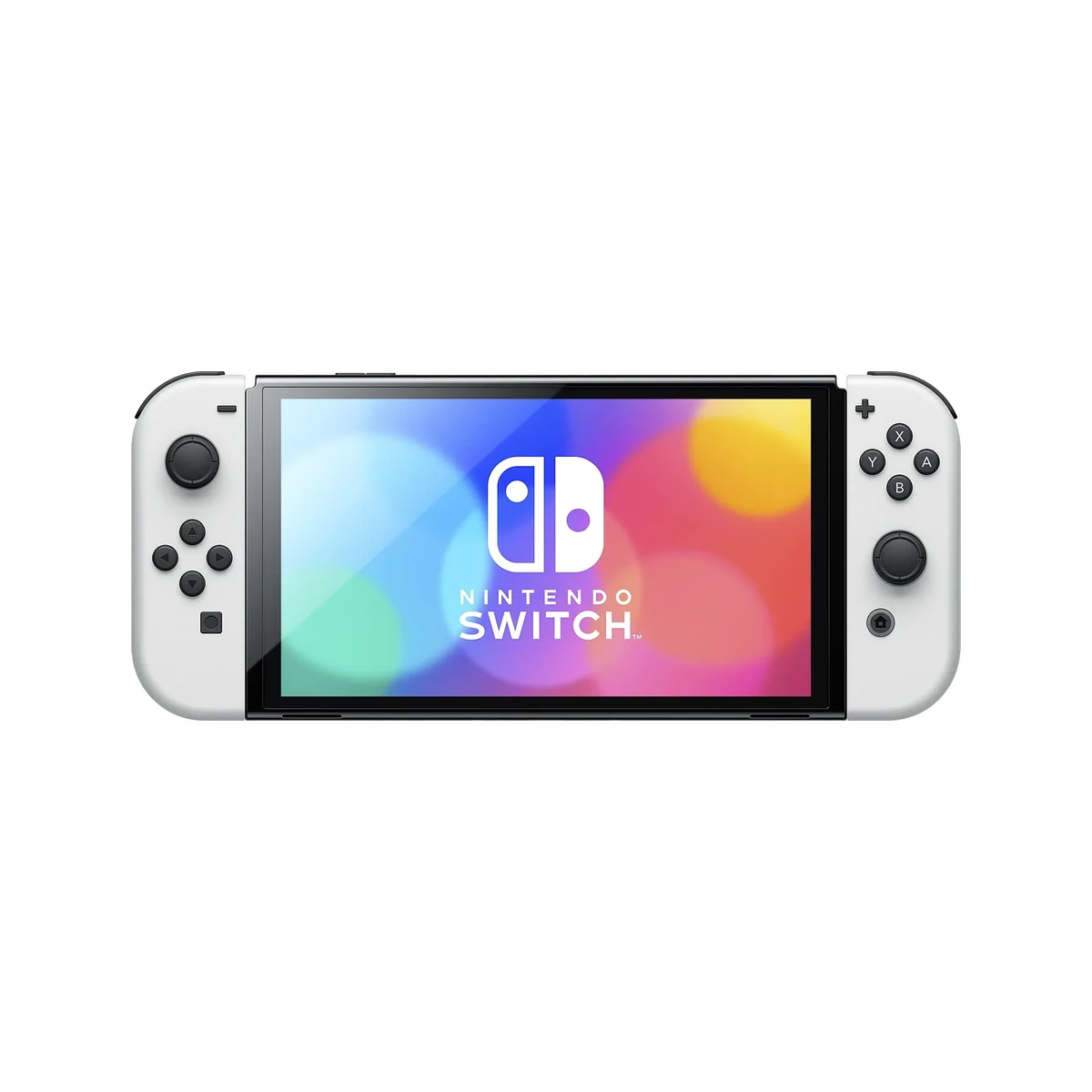
Compared to the original Nintendo Switch (LCD model), the OLED version is a substantial upgrade. The display difference is night-and-day—colors are more vivid, dark scenes actually have true black levels, and the improved speakers and kickstand make the entire package feel like a next-generation device rather than a simple refresh.
Pros and Cons
Pros
- The vibrant 7-inch OLED display transforms visual quality with perfect blacks and stunning color reproduction.
- Significantly improved kickstand and dock with Ethernet port enhance versatility for tabletop and online play.
- Exceptional Nintendo first-party library continues to receive new releases and feels perfectly optimized for the hardware.
- Hybrid design seamlessly transitions between handheld, tabletop, and TV modes without compromise.
- Premium build quality and refined ergonomics make it comfortable for extended gaming sessions.
Cons
- The 2017-era Tegra X1 hardware shows its age in 2026 when compared to modern PC handhelds.
- Joy-Con drift remains a persistent issue that can affect long-term reliability and require repairs.
- Only 64GB of internal storage fills up quickly with modern game installs, requiring additional microSD investment.
- 720p resolution in handheld mode looks soft compared to higher-resolution displays on competing devices.
- Full online multiplayer and access to classic games requires a paid Nintendo Switch Online subscription.
FAQ
Q: Is the Nintendo Switch OLED worth buying in 2026?
A: Yes, particularly if you value Nintendo’s exclusive games and want the best possible portable experience of the Switch library. The OLED screen is a genuine revelation.
Q: How does the Switch OLED compare to the Steam Deck in terms of performance?
A: The Steam Deck offers significantly more raw power and graphical fidelity, but the Switch OLED provides better battery life in many titles and a more polished, portable form factor.
Q: Does the improved screen make a big difference in games?
A: Absolutely. The deeper blacks, vibrant colors, and higher contrast make games look noticeably more premium, especially in darker environments or titles with rich art direction.
Q: Can you use the Switch OLED primarily as a home console?
A: Yes. The included dock with Ethernet support makes it excellent for TV play, though it lacks 4K output.
Q: Is Joy-Con drift still an issue in 2026?
A: While Nintendo has improved manufacturing processes, drift can still occur over time. Many users opt for third-party controllers or the Pro Controller for extended play.
Verdict
The Nintendo Switch OLED Model remains the best choice for gamers who want seamless hybrid functionality and access to Nintendo’s world-class exclusive library. While its hardware is no longer cutting-edge in 2026, the combination of that breathtaking OLED display, refined design, and exceptional software optimization creates an experience that cannot be replicated by more powerful competitors.
If you love Nintendo franchises and desire true portability without sacrificing play quality, this console continues to deliver one of the most enjoyable gaming experiences available.
Pros
- ✓ The vibrant 7-inch OLED display transforms visual quality with perfect blacks and stunning color reproduction.
- ✓ Significantly improved kickstand and dock with Ethernet port enhance versatility for tabletop and online play.
- ✓ Exceptional Nintendo first-party library continues to receive new releases and feels perfectly optimized for the hardware.
- ✓ Hybrid design seamlessly transitions between handheld, tabletop, and TV modes without compromise.
- ✓ Premium build quality and refined ergonomics make it comfortable for extended gaming sessions.
Cons
- ✗ The 2017-era Tegra X1 hardware shows its age in 2026 when compared to modern PC handhelds.
- ✗ Joy-Con drift remains a persistent issue that can affect long-term reliability and require repairs.
- ✗ Only 64GB of internal storage fills up quickly with modern game installs, requiring additional microSD investment.
- ✗ 720p resolution in handheld mode looks soft compared to higher-resolution displays on competing devices.
- ✗ Full online multiplayer and access to classic games requires a paid Nintendo Switch Online subscription.
Where to Buy the Nintendo Switch OLED Model





Prices may vary. Affiliate links — we may earn a commission at no extra cost to you.
Related Reviews

Affiliate links — we may earn a commission at no extra cost to you.