









The Fujifilm X-T5 continues to impress in 2026 with its class-leading 40.2MP X-Trans sensor and timeless rangefinder design. This mirrorless camera delivers exceptional image quality, intuitive tactile controls, and Fujifilm’s signature film simulations that make every JPEG a work of art. Our in-depth review examines whether it remains the premier choice for discerning photographers who value character over mere specifications.
Table of Contents
Key Specifications
| Feature | Detail |
|---|---|
| Sensor | 40.2MP APS-C X-Trans CMOS 5 HR |
| Processor | X-Processor 5 |
| Stabilization | 7-stop 5-axis IBIS |
| Viewfinder | 3.69M-dot OLED EVF, 0.8x magnification |
| Rear Screen | 3.0″ 1.84M-dot three-way tilting touchscreen |
| Autofocus | 425-point phase detection with AI subject detection |
| Burst Shooting | 15 fps (mechanical), 20 fps (electronic) |
| Video | 6.2K/30p, 4K/60p 10-bit |
| Battery Life | Approx. 580 shots (CIPA) |
| Weight | 557g (with battery and SD card) |
| Dimensions | 130 × 91 × 64mm |
Design & Build Quality
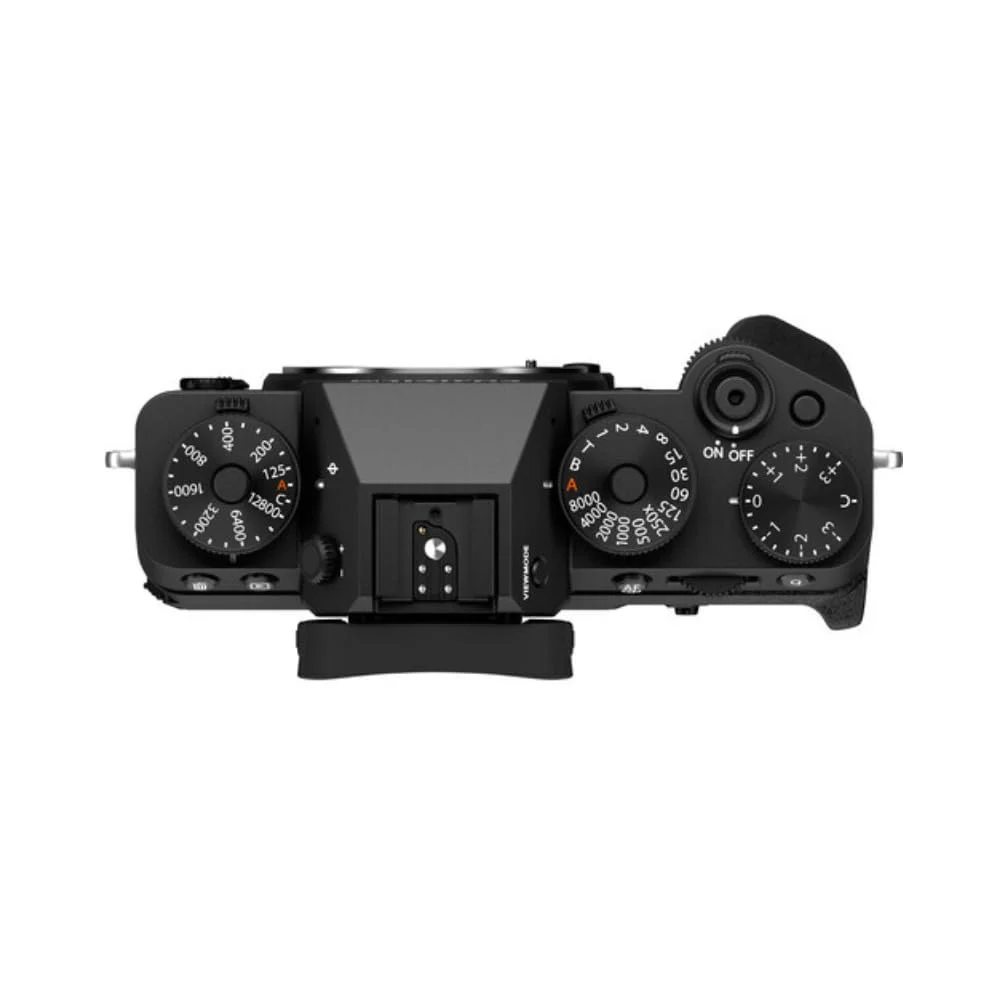
The Fujifilm X-T5 perfectly captures the romance of film cameras while incorporating modern technology. Its magnesium alloy chassis delivers a reassuringly solid feel, and comprehensive weather sealing allows confident shooting in inclement conditions. The signature top-plate dials for shutter speed, ISO, and exposure compensation remain the highlight, offering direct tactile control that modern touchscreen-heavy cameras simply cannot match.
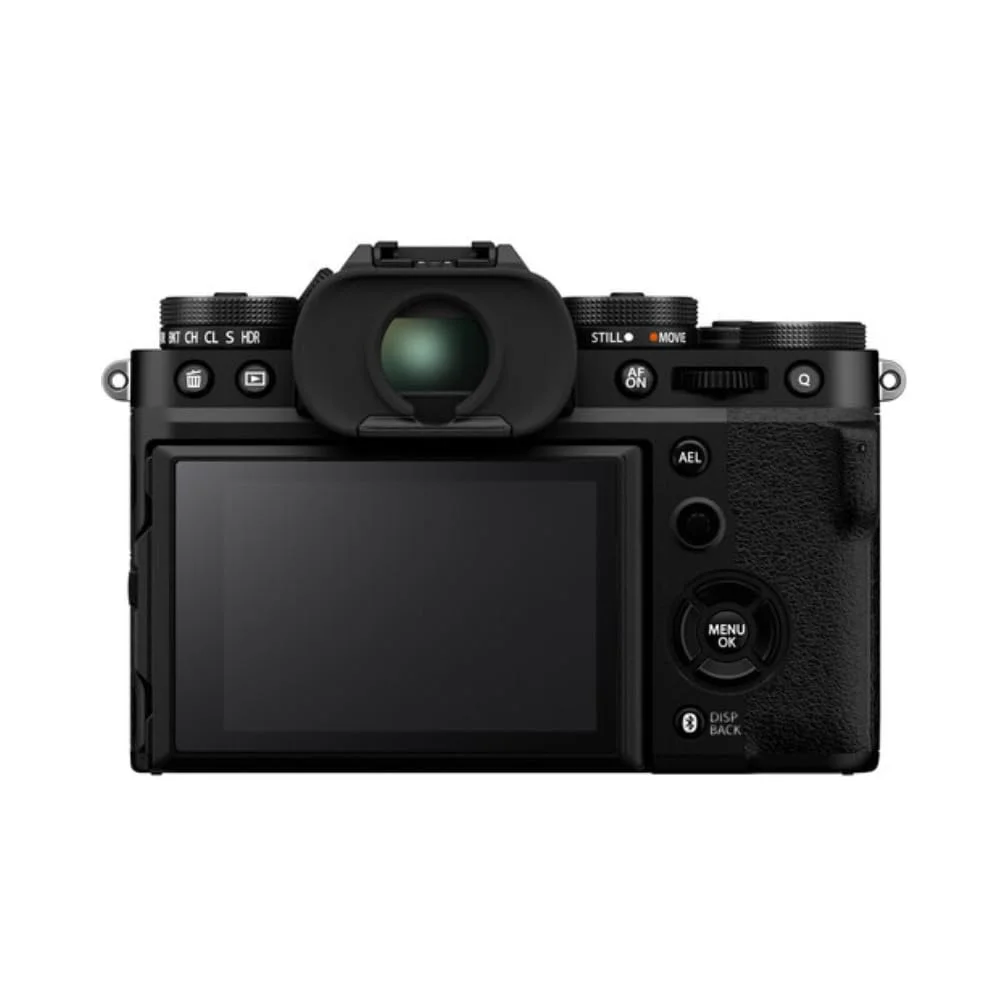
Ergonomics have seen subtle but meaningful refinements. The grip is slightly deeper than its predecessor, improving comfort during extended shoots with larger XF lenses. Every button and dial feels precisely machined, creating an engaging shooting experience that encourages you to slow down and compose with intention rather than spraying and praying.
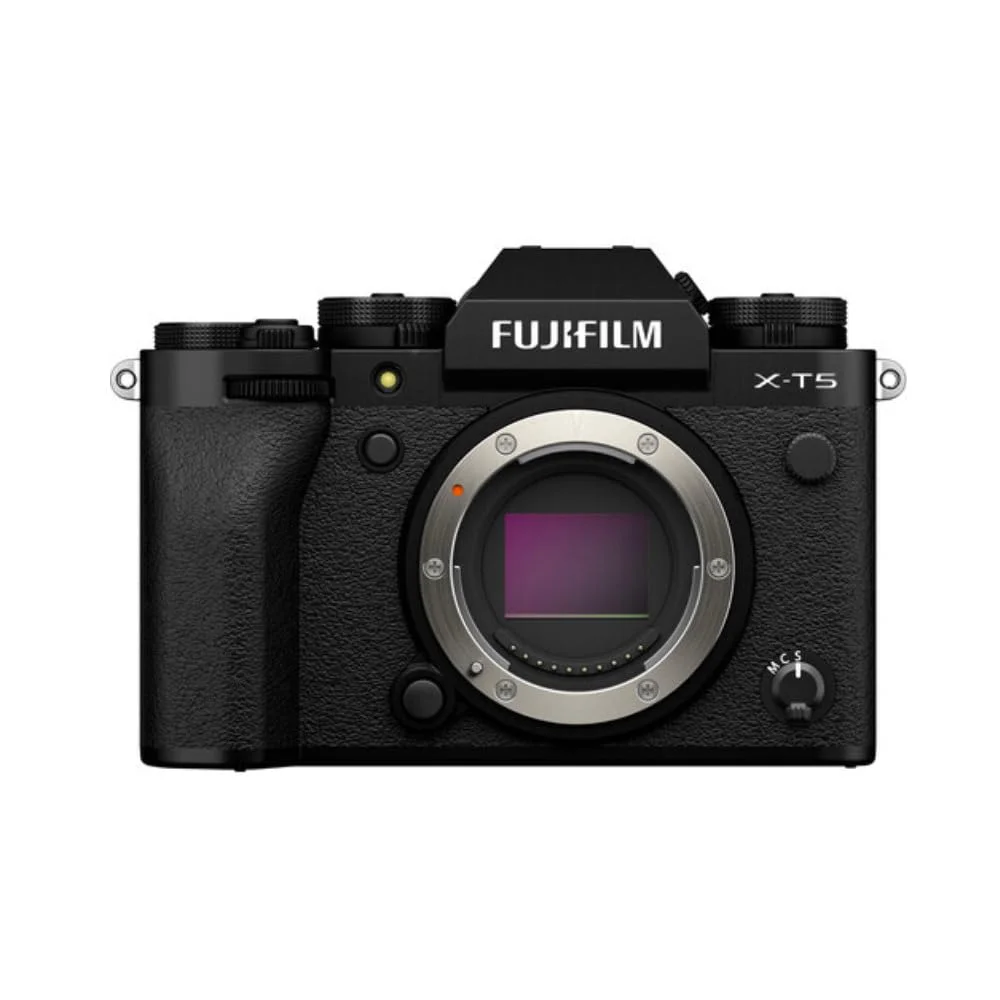
The retro aesthetic isn’t merely stylistic — it fundamentally changes how you interact with the camera. In 2026, when most mirrorless cameras look like black bricks, the X-T5’s silver or black rangefinder-inspired design stands out as both beautiful and functional.
Performance
The 40.2-megapixel X-Trans sensor paired with the X-Processor 5 produces exceptional results across all lighting conditions. Dynamic range is class-leading for APS-C, allowing significant recovery in both highlights and shadows. Color fidelity remains Fujifilm’s strongest suit, with skin tones and foliage rendering that often surpasses full-frame competitors in real-world scenarios.
Autofocus performance has taken a substantial leap forward. Subject detection reliably tracks humans, animals, birds, vehicles, and aircraft with impressive accuracy. In continuous shooting, the camera maintains focus and exposure with minimal blackout, achieving a sustained 15fps with the mechanical shutter. The 7-stop IBIS system proves transformative for both stills and handheld video, allowing sharp shots at remarkably slow shutter speeds.
Write speeds to UHS-II SD cards are swift, clearing the buffer quickly even when shooting lossless RAW bursts. High ISO performance up to 12800 is remarkably clean for a high-resolution APS-C sensor, making the X-T5 versatile enough for everything from landscape work to indoor event photography.
Features & Software
Fujifilm’s film simulation modes remain the camera’s killer feature. With 19 presets including the new REALA ACE mode, photographers can achieve stunning JPEGs straight out of camera that require minimal post-processing. The Pixel Shift Multi-Shot mode creates 160MP images ideal for studio and landscape work where absolute resolution is paramount.
The user interface stays true to Fujifilm’s philosophy. While it lacks the touchscreen fluidity of some competitors, the combination of physical controls and logical menu layout becomes second nature after a short adjustment period. Firmware updates have continued to refine autofocus algorithms and add minor features, keeping the X-T5 feeling current even years after launch.
Value Proposition
At its current 2026 street price, the X-T5 represents strong value for photographers who prioritize image quality and shooting experience over video specifications. While full-frame cameras have become more affordable, the combination of exceptional lenses, smaller system size, and Fujifilm’s unique color science often makes the X-T5 the more sensible long-term investment.
Compared to similarly priced full-frame bodies, the X-T5 offers more tactile enjoyment and character. The savings on lenses and the lighter overall system weight further enhance its value proposition for enthusiasts and semi-professionals who don’t require the absolute low-light performance of larger sensors.
How It Compares
The Sony A6700 offers superior battery life, better video capabilities, and more advanced AI autofocus tracking. However, it lacks the tactile shooting experience, film simulations, and soul that make the X-T5 special. Sony’s ecosystem excels in specifications, while Fujifilm wins on character and out-of-camera results.
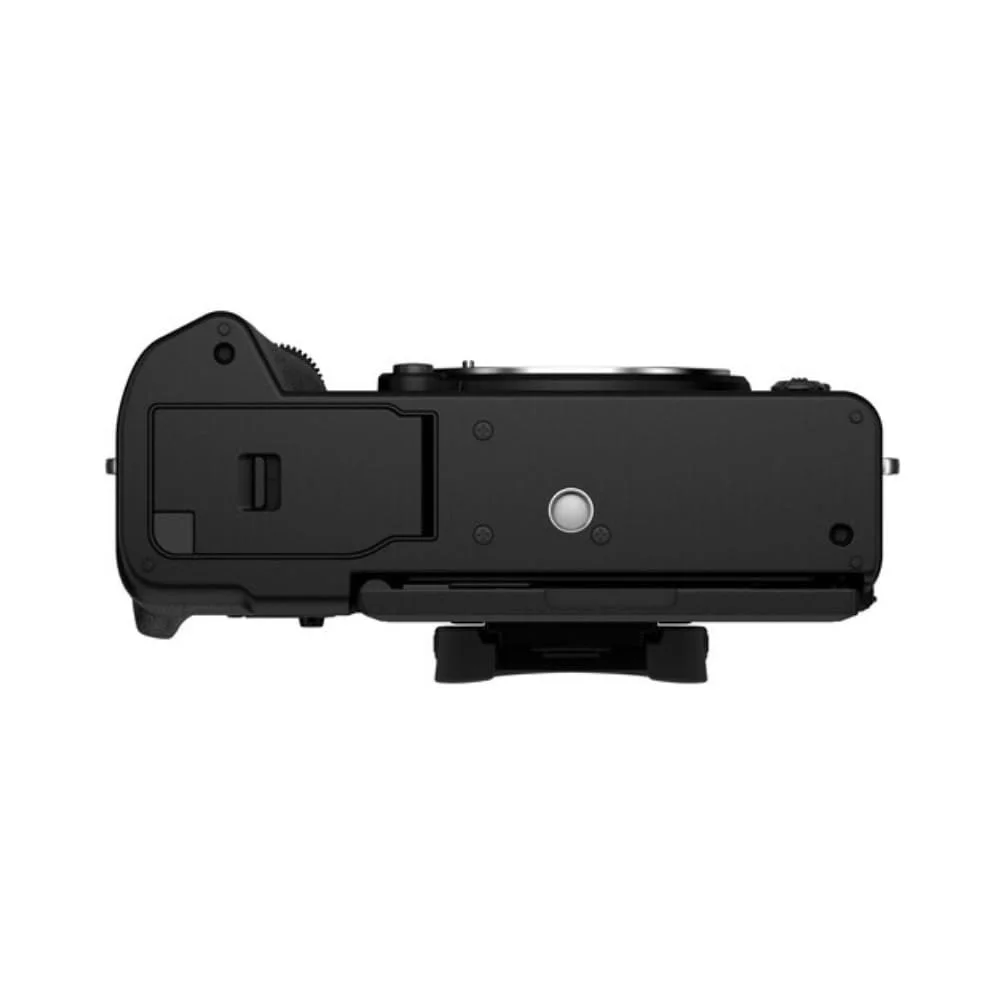
Against the Canon EOS R7, the X-T5 provides lower continuous shooting speeds but superior color science and build quality. The Canon’s dual card slots and flip-out screen appeal to hybrid creators, while the Fujifilm attracts purists who value the engaging mechanical controls and timeless design.
Pros and Cons
Pros
- Delivers outstanding 40MP resolution with beautiful color science and dynamic range.
- Film simulation modes produce exceptional JPEGs with minimal need for post-processing.
- Intuitive physical dials create an engaging and efficient shooting experience.
- 7-stop IBIS enables sharp handheld shots in challenging lighting conditions.
- Robust weather-sealed build quality inspires confidence in adverse environments.
Cons
- Battery life remains average, often requiring spares for full-day shoots.
- Video capabilities, while improved, still trail dedicated hybrid cameras in 2026.
- Single SD card slot may concern professionals who require redundancy.
- High-resolution files consume storage space rapidly and demand fast memory cards.
- The menu system, though improved, can still feel somewhat dated compared to competitors.
FAQ
Q: Is the Fujifilm X-T5 still worth buying in 2026?
A: Absolutely. For stills photographers who value image quality, color science, and a tactile shooting experience, it remains one of the strongest APS-C options available.
Q: How does the X-T5’s image quality compare to full-frame cameras?
A: In good lighting, the 40MP sensor often matches or exceeds entry-level full-frame cameras, particularly in color rendition and detail. Only in extreme low light does the larger sensor format show clear advantages.
Q: Can the Fujifilm X-T5 be used as a professional video camera?
A: It performs admirably for hybrid shooters needing occasional high-quality video, but dedicated video cameras or newer hybrid bodies offer better overheating performance and advanced codecs.
Q: Does the X-T5 work with all Fujifilm X-mount lenses?
A: Yes. It performs best with newer WR lenses that maximize the weather sealing and autofocus speed, though older XF lenses remain fully compatible.
Q: How has firmware support been since launch?
A: Fujifilm has maintained excellent long-term support, with regular updates improving autofocus, adding features, and refining existing capabilities years after the initial release.
Verdict
The Fujifilm X-T5 is the ideal camera for photography enthusiasts and professionals who prioritize exceptional image quality, intuitive controls, and Fujifilm’s distinctive film simulations. It excels as a stills-first camera that makes shooting enjoyable rather than just functional. If you value character and craft over the latest video specifications, the X-T5 remains a worthy investment in 2026.
Pros
- ✓ Delivers outstanding 40MP resolution with beautiful color science and dynamic range.
- ✓ Film simulation modes produce exceptional JPEGs with minimal need for post-processing.
- ✓ Intuitive physical dials create an engaging and efficient shooting experience.
- ✓ 7-stop IBIS enables sharp handheld shots in challenging lighting conditions.
- ✓ Robust weather-sealed build quality inspires confidence in adverse environments.
Cons
- ✗ Battery life remains average, often requiring spares for full-day shoots.
- ✗ Video capabilities, while improved, still trail dedicated hybrid cameras in 2026.
- ✗ Single SD card slot may concern professionals who require redundancy.
- ✗ High-resolution files consume storage space rapidly and demand fast memory cards.
- ✗ The menu system, though improved, can still feel somewhat dated compared to competitors.
Where to Buy the Fujifilm X-T5





Prices may vary. Affiliate links — we may earn a commission at no extra cost to you.
Related Reviews

Affiliate links — we may earn a commission at no extra cost to you.