









The Nikon Z6 III arrives as a refined hybrid powerhouse that successfully bridges professional demands with accessible usability in 2026. Featuring a partially-stacked 24.5MP sensor, class-leading autofocus, and serious 6K video capabilities, it delivers the speed and reliability enthusiasts and pros have been waiting for. This review examines whether the Z6 III is the most well-rounded full-frame mirrorless camera you can buy today.
Table of Contents
Key Specifications
| Feature | Detail |
|---|---|
| Sensor | 24.5MP Full-Frame Partially Stacked CMOS |
| Processor | EXPEED 7 |
| Burst Shooting | 20 fps (electronic), 14 fps (mechanical) |
| Autofocus | 493-point hybrid AF with 3D Tracking and AI subject detection |
| ISO Range | 100-64,000 (expandable 50-204,800) |
| Video | 6K/60p N-RAW, 4K/120p, ProRes 422 HQ |
| Stabilization | 8 stops IBIS with focus-point VR |
| Viewfinder | 3.69M-dot OLED, 0.8x magnification, 120fps refresh |
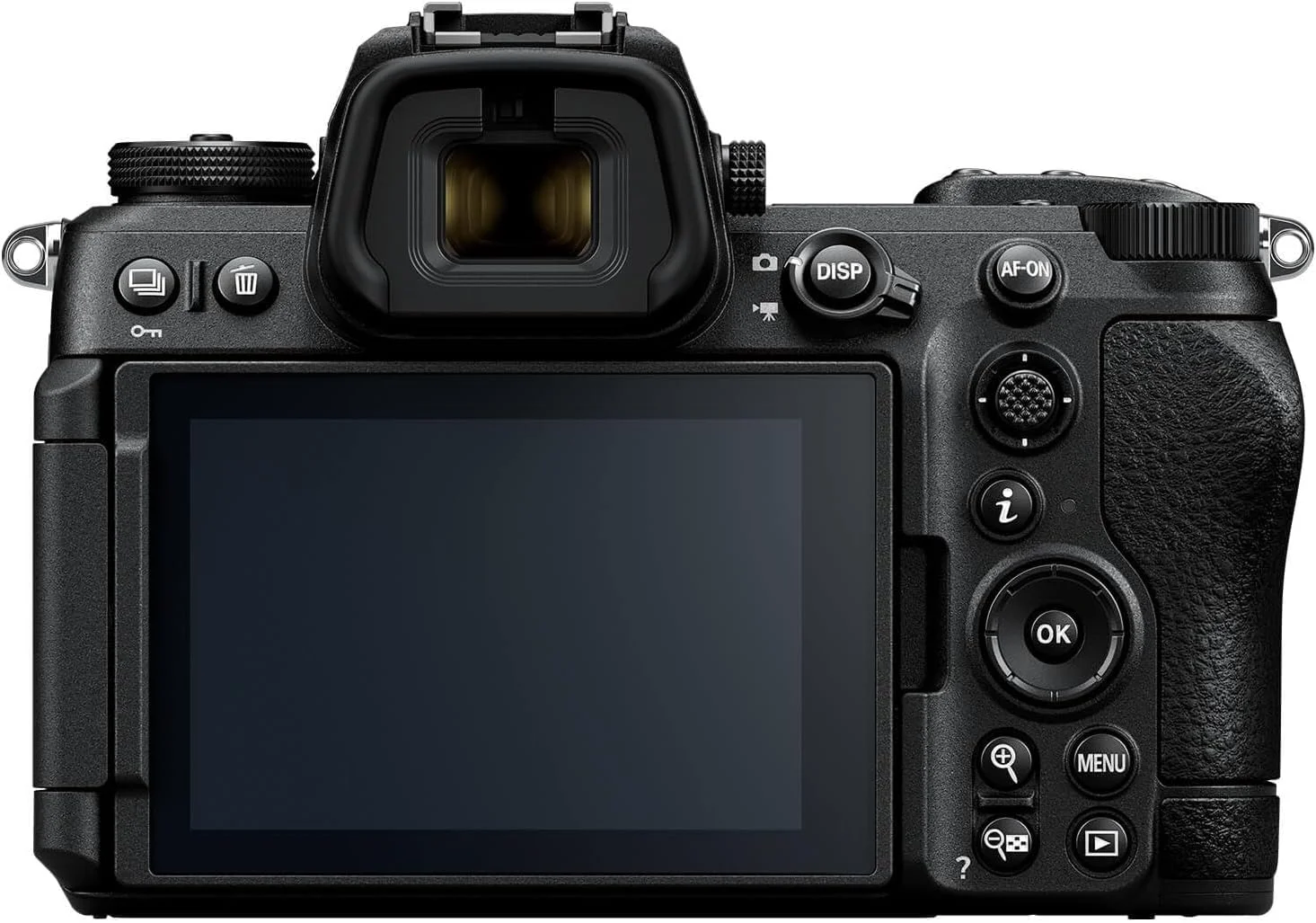
| Rear Screen | 3.2″ 2.1M-dot fully articulating touchscreen |
| Card Slots | CFexpress Type B + SD UHS-II |
| Battery Life | 410 shots (CIPA) |
| Weight | 760g (body only) |
Design & Build Quality
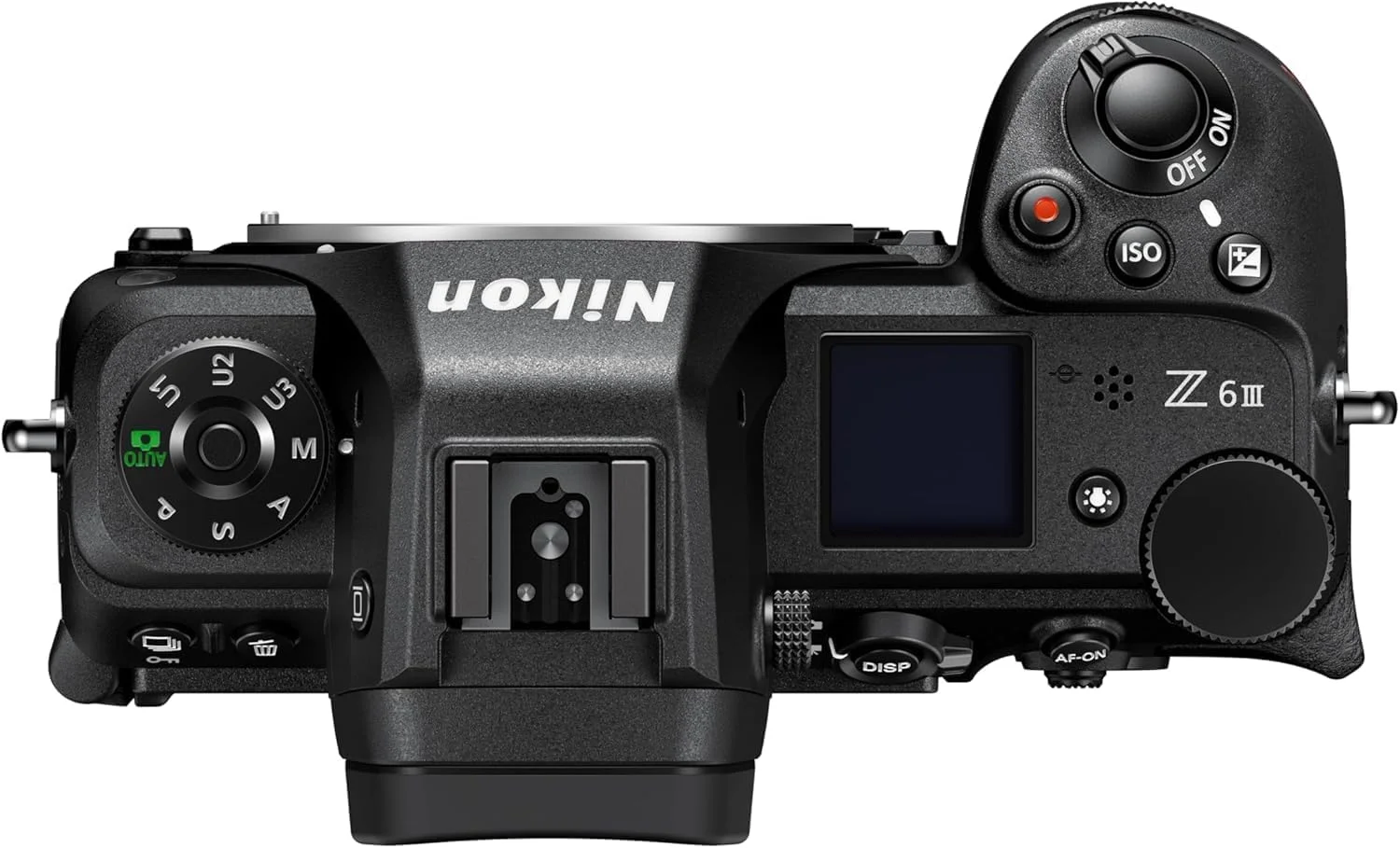
The Nikon Z6 III features a magnesium alloy chassis with comprehensive weather sealing that inspires confidence in harsh conditions. Nikon has refined the grip substantially over the Z6 II, providing a deeper, more comfortable hold that feels secure even when paired with heavy telephoto lenses. The button layout has been thoughtfully revised with larger, illuminated controls that are easy to locate in low light, while the fully articulating rear screen finally brings the Z6 series in line with modern expectations.
Build quality is exemplary. Every dial and port cover feels precise, and the camera balances beautifully with both compact primes and large f/2.8 zooms. The EVF is bright and responsive with minimal blackout during high-speed bursts, while the top-plate OLED display provides essential shooting data at a glance. Overall, the Z6 III feels like a professional tool that has been honed through generations of feedback from working photographers.
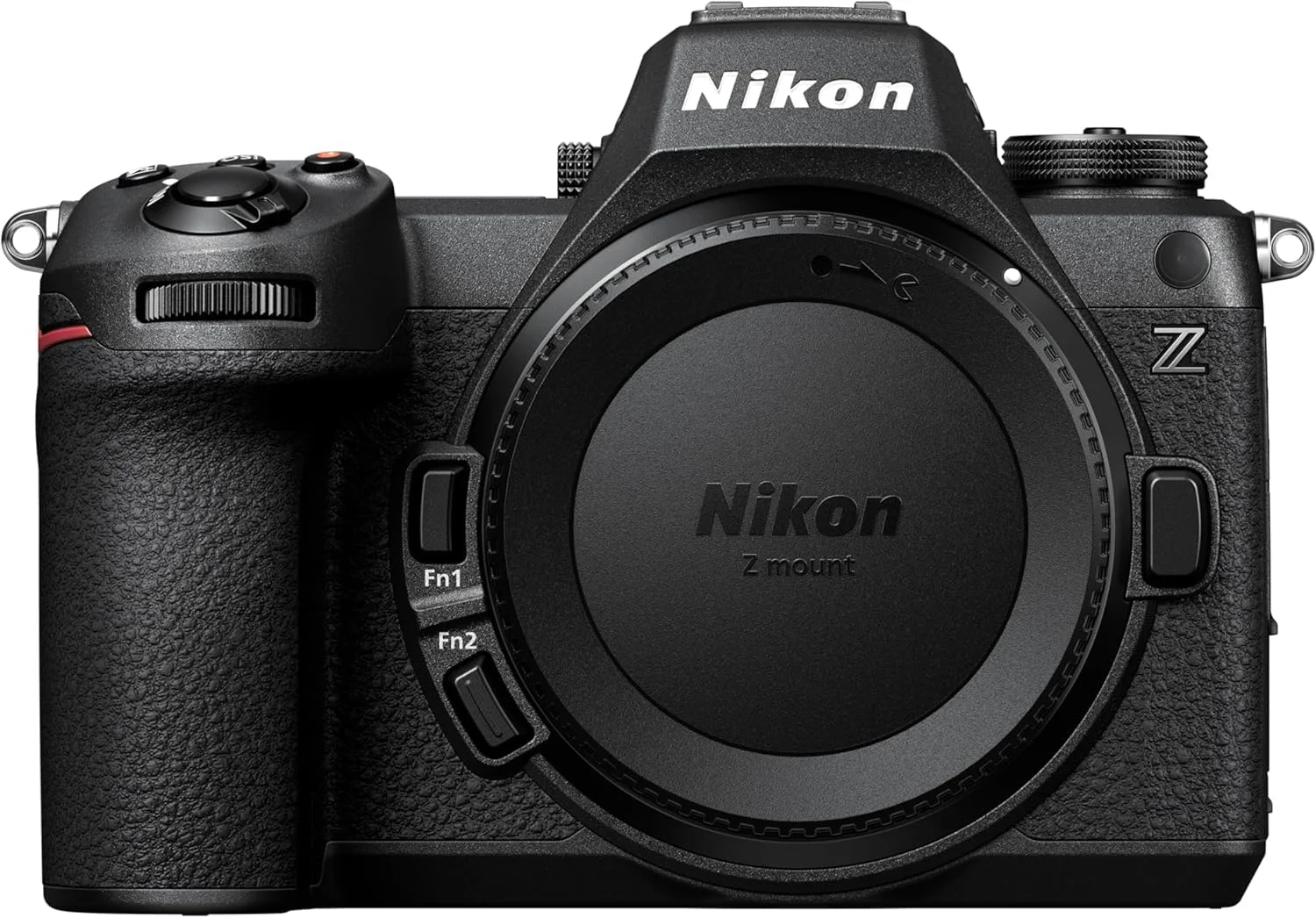
Ergonomically, it strikes an excellent balance between size and capability. The camera isn’t overly large yet doesn’t feel cramped. Custom Fn buttons and the intuitive i-menu allow rapid access to critical settings, making the Z6 III particularly satisfying to use once muscle memory develops.
Performance
In real-world use, the Nikon Z6 III is transformative. The combination of the partially-stacked sensor and EXPEED 7 processor delivers near-instantaneous response times and class-leading autofocus. Subject detection for humans, animals, birds, vehicles, and aircraft is remarkably reliable, even in challenging lighting or when subjects move erratically. During a recent wildlife shoot, the camera maintained tack-sharp focus on a fast-moving eagle against a busy forest background where previous generation Nikons would have struggled.
Burst performance is equally impressive. The 20fps electronic shutter with full AF tracking allows photographers to capture decisive moments that would otherwise be missed. Buffer depth is generous enough to sustain long bursts even when shooting 14-bit RAW. Low-light performance remains a Nikon strength, with clean, detailed files through ISO 12,800 and usable results beyond that. Dynamic range tests show approximately 14.5 stops at base ISO, giving editors significant latitude in post-production.

The in-body stabilization system achieves a genuine 8 stops of compensation, enabling sharp handheld shots at remarkably slow shutter speeds. When combined with Nikon’s excellent VR lenses, the system becomes almost cheat-code like for both stills and video. Write speeds with CFexpress cards are blisteringly fast, allowing near-instantaneous recovery after maximum-length bursts.
Features & Software
Standout features include pre-capture recording, 6K/60p RAW video, waveform monitors, focus peaking, and an enhanced pixel-shift mode that produces ultra-high-resolution 96MP files. The fully articulating screen transforms shooting flexibility for both video and awkward stills compositions. Nikon has also improved heat dissipation, allowing longer 6K recording times before thermal limits engage.
The software experience is a mixed but ultimately rewarding one. Nikon’s menu system is dense yet logically organized once learned, and the Z6 III benefits from excellent customization options. In-camera RAW processing and the new NX Mobile app integration show meaningful improvement over previous generations. While not as instantly intuitive as Sony’s latest interface, the Nikon ecosystem rewards investment with deep control and consistent color science that many photographers prefer.
Value Proposition
At its current price point in 2026, the Z6 III represents strong value for hybrid creators who need both class-leading stills performance and serious video capabilities in one body. It undercuts the higher-resolution Z8 while delivering faster readout speeds and better video features for most users. Compared to building a Sony or Canon system from scratch, photographers already invested in Nikon Z glass will find the Z6 III delivers excellent return on investment.
The camera’s versatility reduces the need for multiple specialized bodies, potentially saving thousands in a professional kit. When you factor in the superb ergonomics, weather sealing, and dual card slots, the Z6 III emerges as one of the most compelling full-frame options for working professionals who value usability and reliability over sheer resolution numbers.
How It Compares
Against the Sony A7 IV, the Nikon Z6 III offers superior ergonomics, a more comfortable grip, and significantly better battery life. While Sony maintains an edge in lens ecosystem breadth and some computational features, the Z6 III’s autofocus has closed the gap considerably and many photographers prefer Nikon’s color science and control layout for extended shooting days.
The Canon EOS R6 Mark II remains its closest rival. Canon currently leads in eye-control AF and certain video codecs, but the Z6 III counters with higher-resolution 6K recording, superior IBIS, and a more robust build. Photographers who prioritize stills image quality and Nikon’s renowned ergonomics will likely prefer the Z6 III, while dedicated videographers may lean toward Canon’s ecosystem.
Pros and Cons
Pros
- The AI-enhanced autofocus system is exceptionally reliable across varied subjects and lighting conditions.
- 6K/60p RAW video combined with excellent IBIS makes it a true hybrid powerhouse.
- Build quality and ergonomics are class-leading, with thoughtful refinements throughout.
- Dynamic range and color science remain Nikon hallmarks that deliver beautiful files straight out of camera.
- The fully articulating screen and improved EVF significantly enhance the shooting experience.
Cons
- The learning curve for Nikon’s dense menu system may frustrate users coming from simpler interfaces.
- Battery life, while improved, still requires carrying spares for intensive video or cold-weather work.
- Native Z-mount lens selection, while growing rapidly, still lags behind Sony’s E-mount ecosystem in some specialized categories.
- The premium price positions it as a significant investment for enthusiasts rather than casual users.
- No built-in GPS means reliance on smartphone geotagging for location data.
FAQ
Q: Is the Nikon Z6 III worth upgrading from the Z6 II?
A: For most users, yes. The jump in autofocus performance, burst speed, video capabilities, and the addition of a fully articulating screen make a meaningful difference in both stills and video work.
Q: How does the autofocus compare to Sony and Canon?
A: In 2026, Nikon’s AF has reached virtual parity with its Japanese rivals. The Z6 III’s subject detection and 3D tracking are excellent, though Sony still holds a slight edge in certain AI-driven recognition scenarios.
Q: Can the Nikon Z6 III be used professionally for video?
A: Absolutely. With 6K/60p RAW, ProRes support, waveform tools, and effective cooling, it serves as a capable B-camera or even primary camera for documentary, event, and corporate productions.
Q: Does the Z6 III have overheating issues during video?
A: Nikon has improved thermal management significantly. The camera can record 6K for approximately 25-30 minutes in moderate temperatures before throttling, a substantial improvement over earlier Z-series models.
Q: Is the Nikon Z6 III good for wildlife photography?
A: It excels at wildlife photography. The combination of 20fps burst rates, class-leading AF tracking, superb IBIS, and weather sealing makes it an outstanding choice for birds, mammals, and action in nature.
Verdict
The Nikon Z6 III is the complete package for hybrid shooters and working professionals who want one camera that handles both demanding stills and high-end video without compromise. Its combination of reliable AI autofocus, excellent ergonomics, and robust build quality make it a genuine pleasure to use day after day.
Photographers and videographers already in the Nikon ecosystem should consider this a high-priority upgrade. Those choosing a system for the first time will find the Z6 III offers one of the most satisfying shooting experiences available in 2026.
Pros
- ✓ The AI-enhanced autofocus system is exceptionally reliable across varied subjects and lighting conditions.
- ✓ 6K/60p RAW video combined with excellent IBIS makes it a true hybrid powerhouse.
- ✓ Build quality and ergonomics are class-leading, with thoughtful refinements throughout.
- ✓ Dynamic range and color science remain Nikon hallmarks that deliver beautiful files straight out of camera.
- ✓ The fully articulating screen and improved EVF significantly enhance the shooting experience.
Cons
- ✗ The learning curve for Nikon’s dense menu system may frustrate users coming from simpler interfaces.
- ✗ Battery life, while improved, still requires carrying spares for intensive video or cold-weather work.
- ✗ Native Z-mount lens selection, while growing rapidly, still lags behind Sony’s E-mount ecosystem in some specialized categories.
- ✗ The premium price positions it as a significant investment for enthusiasts rather than casual users.
- ✗ No built-in GPS means reliance on smartphone geotagging for location data.
Where to Buy the Nikon Z6 III





Prices may vary. Affiliate links — we may earn a commission at no extra cost to you.
Related Reviews

Affiliate links — we may earn a commission at no extra cost to you.