Tech Essentials









The Flagship Killer: Why the Nikon Z8 is the Most Important Camera of the Year
For years, the camera world has operated on a simple hierarchy: flagship models get all the best tech first, packaged in large, integrated-grip bodies built for the sidelines of the Olympics. Everything else is a compromise. Then, Nikon released the Z9 and changed the game. Now, with the Z8, they’ve shattered the hierarchy completely. Make no mistake, the Nikon Z8 isn’t just a “baby Z9”; it’s a paradigm shift, packing nearly every bit of its bigger sibling’s revolutionary power into a body that’s more accessible, more versatile, and arguably, more relevant to a wider range of serious creators.
Design and Ergonomics: The Perfect Fit
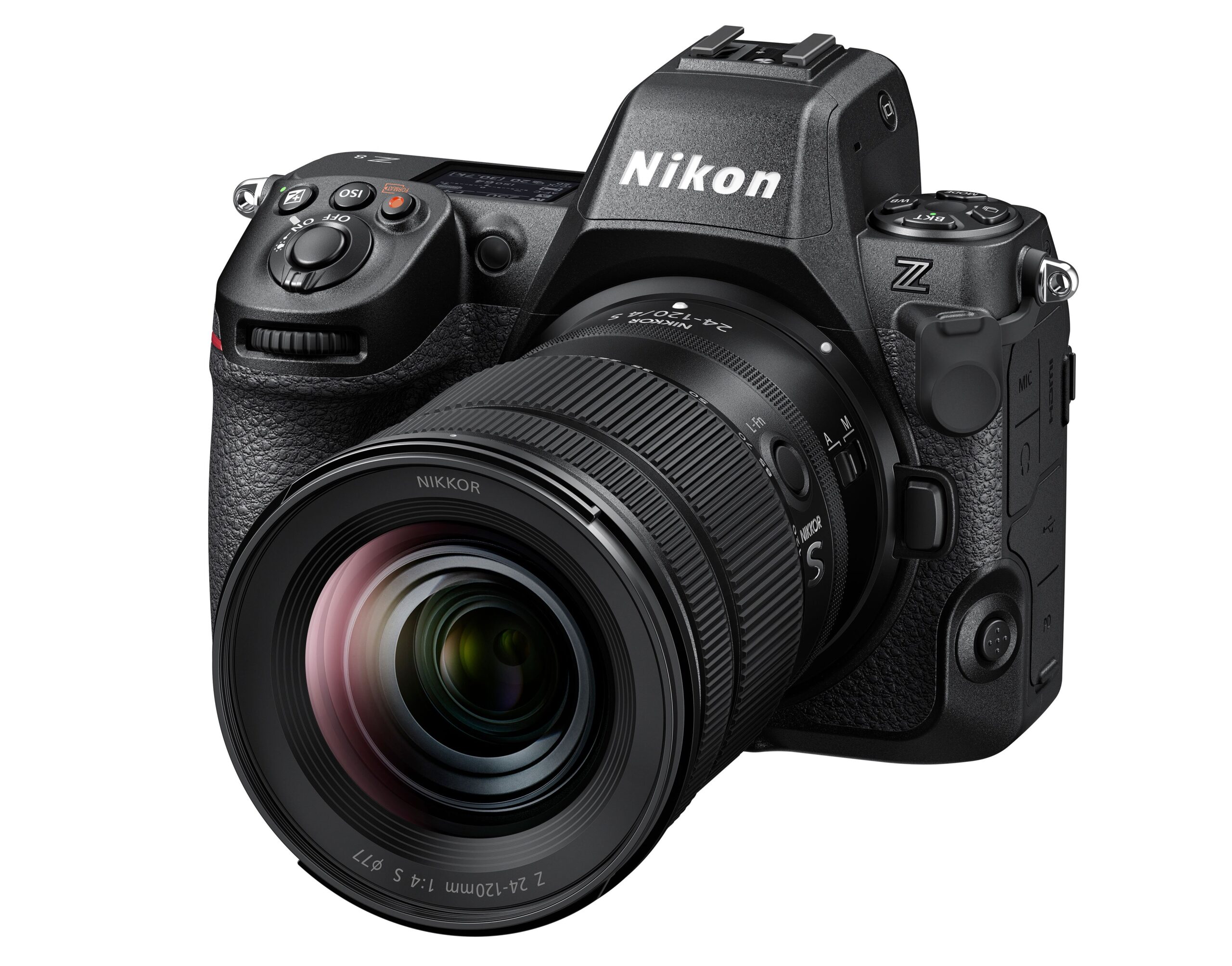
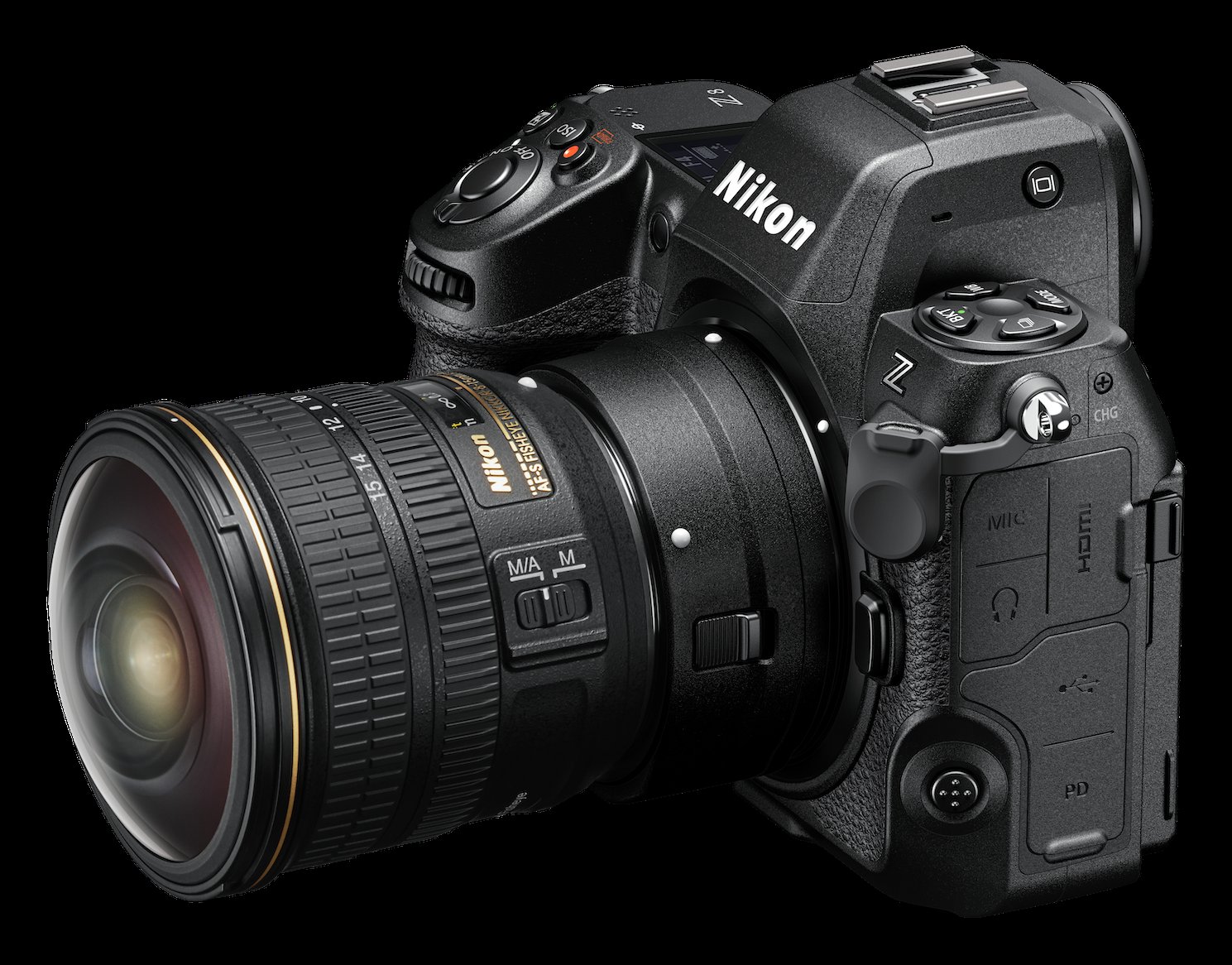
Picking up the Z8 feels immediately familiar to any Nikon DSLR shooter, and that’s a high compliment. It’s a masterclass in ergonomics. The deep, sculpted grip feels secure and comfortable for long shoots, and the button layout is logical and customizable. Eschewing the Z9’s integrated vertical grip, the Z8 is about 30% smaller and sheds a significant 430g (nearly a pound). This makes it far more nimble for everything from gimbal work to all-day wedding shoots.
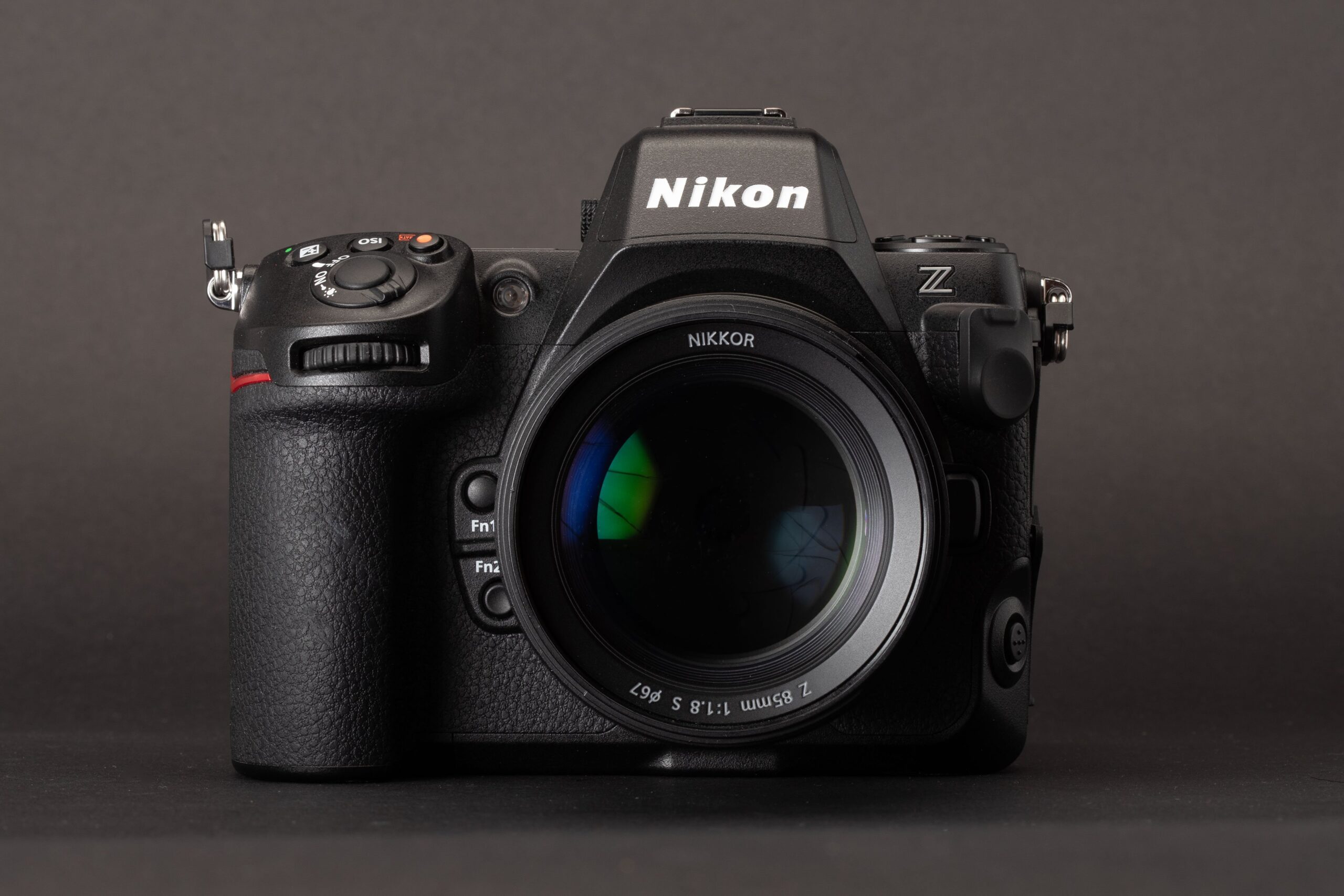
The build quality is exceptional, employing a new carbon fiber composite and magnesium alloy for a chassis that feels both robust and surprisingly lightweight for its class. It’s extensively weather-sealed, ready for adverse conditions. The Z8 features a four-axis tilting rear LCD, which is brilliant for shooting at high or low angles in both landscape and portrait orientation. The only minor gripe? It’s not a fully articulating screen, which some videographers might miss for vlogging or self-monitoring. The dual card slots—one CFexpress Type B/XQD and one SD UHS-II—offer a perfect blend of blistering speed and universal convenience.
Performance: A Speed Demon Unleashed
At the heart of the Z8 is the exact same engine as the Z9: a 45.7MP stacked CMOS sensor paired with the EXPEED 7 processor. This combination is, in a word, formidable. The camera operates with breathtaking speed and responsiveness. The most transformative feature is the complete lack of a mechanical shutter. This results in a truly blackout-free shooting experience through the bright, crisp electronic viewfinder. You never lose sight of your subject, which is a massive advantage for tracking fast, erratic action in sports or wildlife photography.
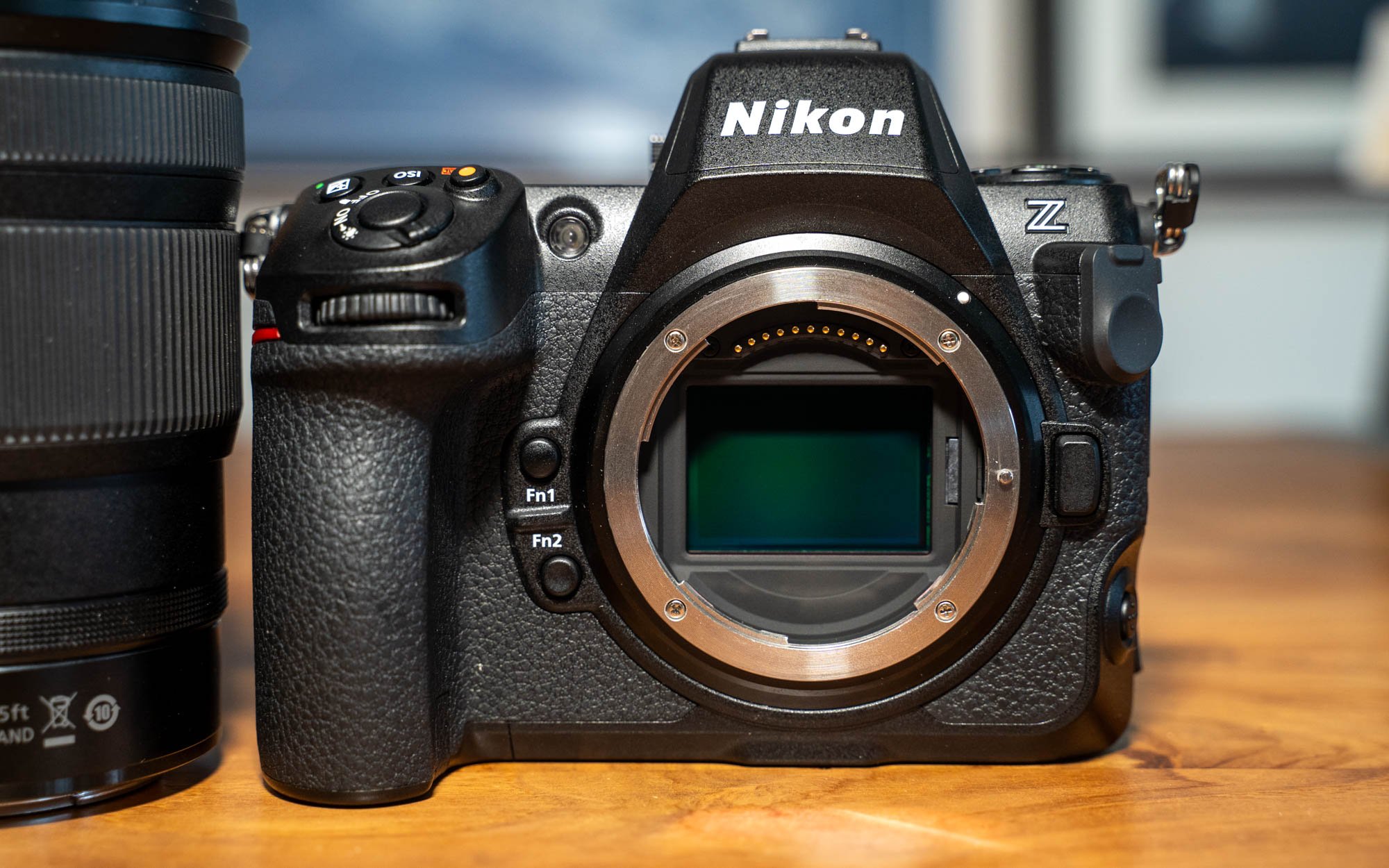
The autofocus system is simply a triumph. Leveraging deep-learning AI, its subject detection is uncannily accurate, locking onto the eyes of humans, birds, and other animals with ferocious tenacity. It also adds planes, trains, and automobiles to the list, making it an incredibly versatile tool. The 3D-tracking system, a legacy feature from Nikon’s DSLR days, has been reborn in the mirrorless era and works beautifully to follow your chosen subject across the frame. While it’s arguably one of the best AF systems on the market, it can occasionally be so “sticky” that it’s slow to switch to a new, more prominent subject entering the frame, requiring a quick re-engagement from the user.
Image and Video: The True Hybrid Champion
The Z8 is a monster on both sides of the creative aisle. For stills, the 45.7MP sensor delivers files with incredible detail, vast dynamic range, and excellent high-ISO performance. The introduction of High-Efficiency RAW formats provides a fantastic balance, offering file sizes about one-third of a traditional uncompressed RAW with virtually no discernible loss in quality. This makes managing thousands of high-resolution images far more practical.
On the video front, the Z8 doesn’t just compete; it dominates. It can capture a staggering array of formats internally, headlined by 8.3K 60p N-RAW and 4K 120p. The quality is sublime, offering immense flexibility for color grading in post-production. This level of video prowess in a non-cinema body was unthinkable just a few years ago. However, this power comes at a cost. Recording in these high-bitrate formats generates significant heat. While the Z8 manages it admirably for most clips, it cannot defy physics entirely and will eventually overheat in warm conditions during extended 8K recording—a scenario where the Z9’s larger body provides a clear advantage.
The Verdict: Who is This For?
The Nikon Z8 is not just a camera; it’s a statement. It proves that flagship power no longer requires a flagship-sized body or price tag. It democratizes top-tier speed, autofocus, and video capabilities for a much broader audience of dedicated professionals and serious enthusiasts. For the wedding photographer who needs reliability and speed, the wildlife photographer who needs reach and tracking, or the indie filmmaker who needs RAW video in a compact rig, the Z8 is a near-perfect tool.
It is undoubtedly overkill for a casual user, and its demands for expensive, high-speed memory cards and powerful computers are real considerations. But for those who demand the best and need a versatile body that can seamlessly pivot from world-class stills to cinema-grade video without missing a beat, the Nikon Z8 isn’t just an excellent option—it’s the new benchmark.
Where to Buy:
Nikon Z8 Quick Summary
Key Scores:
- Value: 85%
- Design: 94%
- Performance: 95%
- Quality: 94%
- Popularity: 90%
Top Pros
- ✅ Flagship Z9 performance is packed into a smaller body.
- ✅ Class-leading autofocus excels at tracking a variety of subjects.
- ✅ It offers incredibly powerful internal 8K RAW video recording.
- …
Key Cons
- ❌ Battery life is significantly shorter than its flagship sibling.
- ❌ Demands expensive CFexpress cards to unlock full video potential.
- ❌ High-resolution video recording can generate considerable operational heat.