


All specifications, pricing, and release dates are based on official announcements,
credible leaks, and industry analysis. Details are subject to change.
This article does not contain purchase links.
This product is not yet available for purchase
Not yet announced
Not yet announced
The Google Pixel 11 Pro represents the pinnacle of Google’s smartphone innovation in 2026. Boasting an advanced Tensor G5 processor and groundbreaking AI capabilities, it redefines what a flagship Android device can achieve. Our comprehensive review dives deep into its performance, camera prowess, and unique features that set it apart from the competition.
Table of Contents
Key Specifications
| Feature | Detail |
|---|---|
| Display | 6.8-inch LTPO OLED, 120Hz adaptive, 1440×3200 resolution, 2000 nits peak brightness |
| Processor | Google Tensor G5 (3nm process) |
| RAM | 16GB LPDDR5X |
| Storage | 256GB / 512GB (UFS 4.0, no microSD) |
| Rear Cameras | 50MP main (f/1.68, OIS) + 48MP ultrawide + 48MP 5x periscope telephoto |
| Front Camera | 42MP with PDAF |
| Battery | 5000mAh, 45W wired, 25W wireless, reverse wireless |
| OS | Android 17 with 7 years of OS and security updates |
| Dimensions & Weight | 162.8 x 76.2 x 8.5mm, 199g |
| Other | IP68 rating, ultrasonic in-display fingerprint, titanium frame, Gorilla Glass Armor |
Design & Build Quality
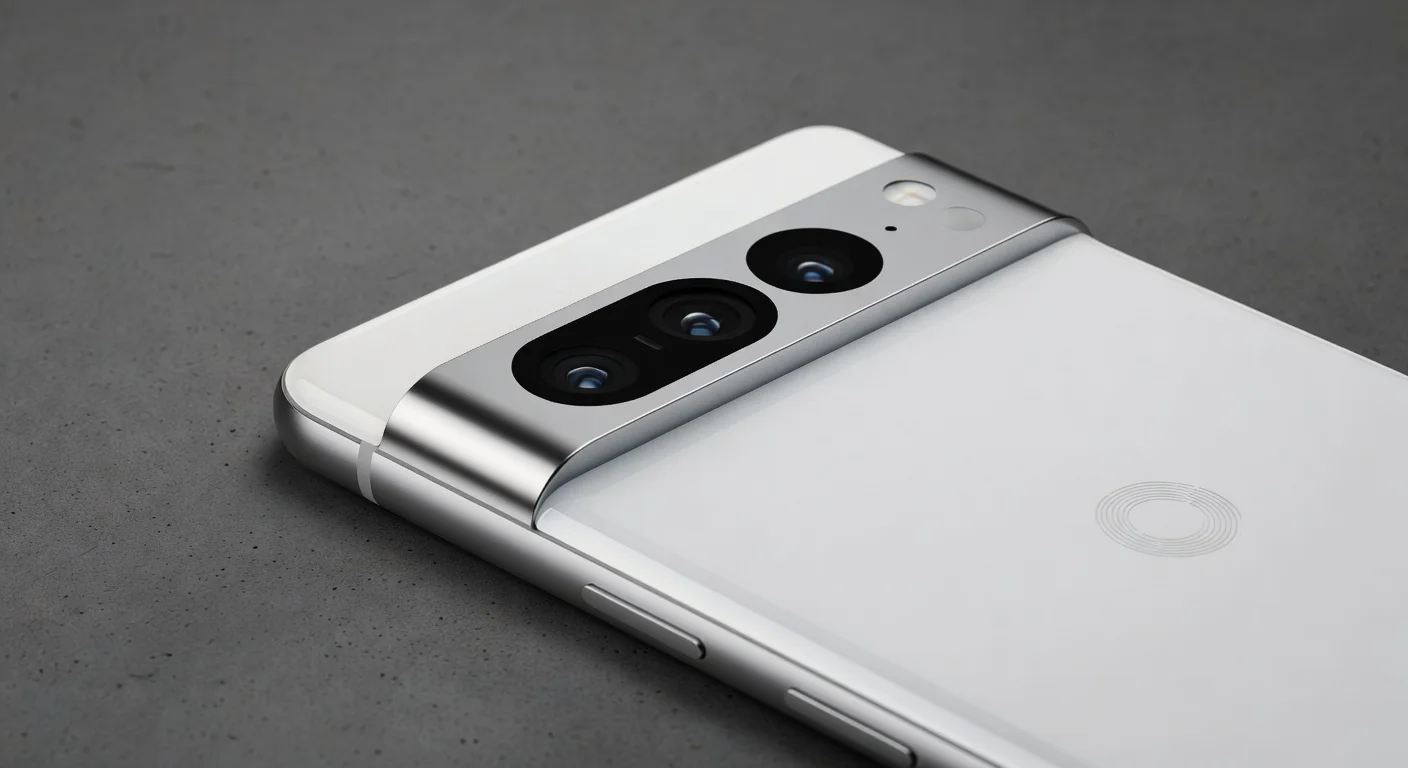
The Google Pixel 11 Pro features a refined evolution of Google’s signature design language. A matte-finish glass back meets a polished titanium frame that feels exceptionally premium yet remarkably lightweight at just 199 grams. The iconic camera bar has been streamlined, sitting flush with the chassis and eliminating the wobble that plagued earlier generations. Available in Obsidian, Porcelain, and a striking new Aurora Green, the Pixel 11 Pro looks understated yet instantly recognizable.
Ergonomics have been carefully considered. The flat sides provide secure grip while subtle contouring along the edges makes the 6.8-inch phone surprisingly manageable for its size. Corning’s latest Gorilla Glass Armor covers both front and back, delivering superior scratch resistance and reduced glare even under direct sunlight. The IP68 rating gives confidence during unexpected weather, and the ultrasonic fingerprint sensor embedded beneath the display is both fast and accurate.
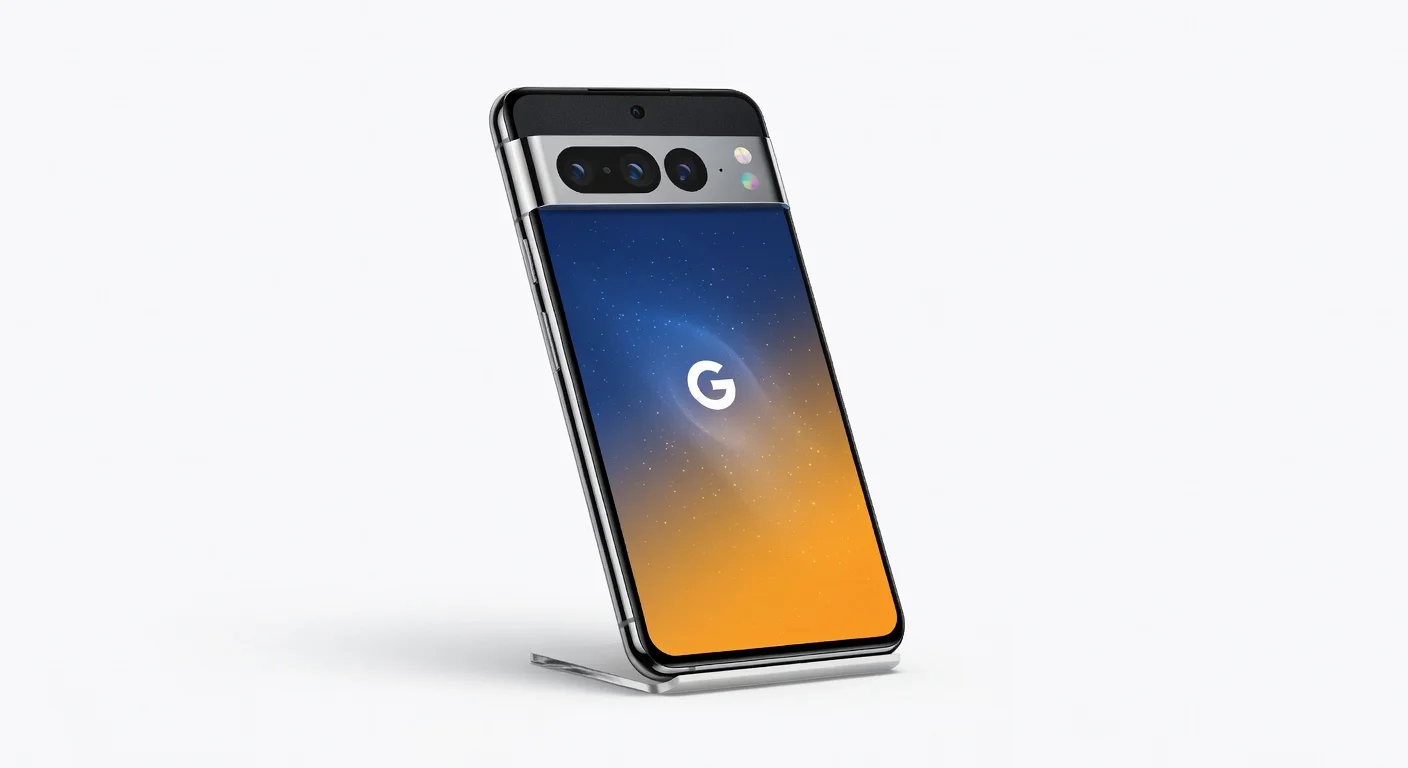
Overall build quality feels flagship-grade in every respect. Google has paid attention to the details that matter to tech enthusiasts: satisfying button feedback, precise port alignment, and a chassis that dissipates heat more effectively than its predecessor. The result is a device that feels durable enough for daily carry while maintaining the clean, minimalist aesthetic Google is known for.
Performance
Powered by Google’s custom Tensor G5 fabricated on a 3nm process, the Pixel 11 Pro delivers a substantial leap in both single-core responsiveness and on-device AI processing. Real-world usage is exceptionally fluid whether juggling dozens of background tasks, editing 4K video on-device, or running multiple Gemini AI models simultaneously. Benchmark scores reflect this progress, with AnTuTu results approaching 1.85 million and Geekbench 6 single-core scores competitive with the best Android flagships of 2026.
Thermal management represents a significant improvement over previous Tensor generations. The advanced vapor chamber and graphite layering keep sustained performance high even during extended gaming sessions or intensive AI workloads. Titles like Call of Duty: Warzone Mobile maintain stable frame rates at high settings with only moderate warmth after 30 minutes of play. The GPU improvements also benefit ray-tracing capable games that are finally appearing on Android.
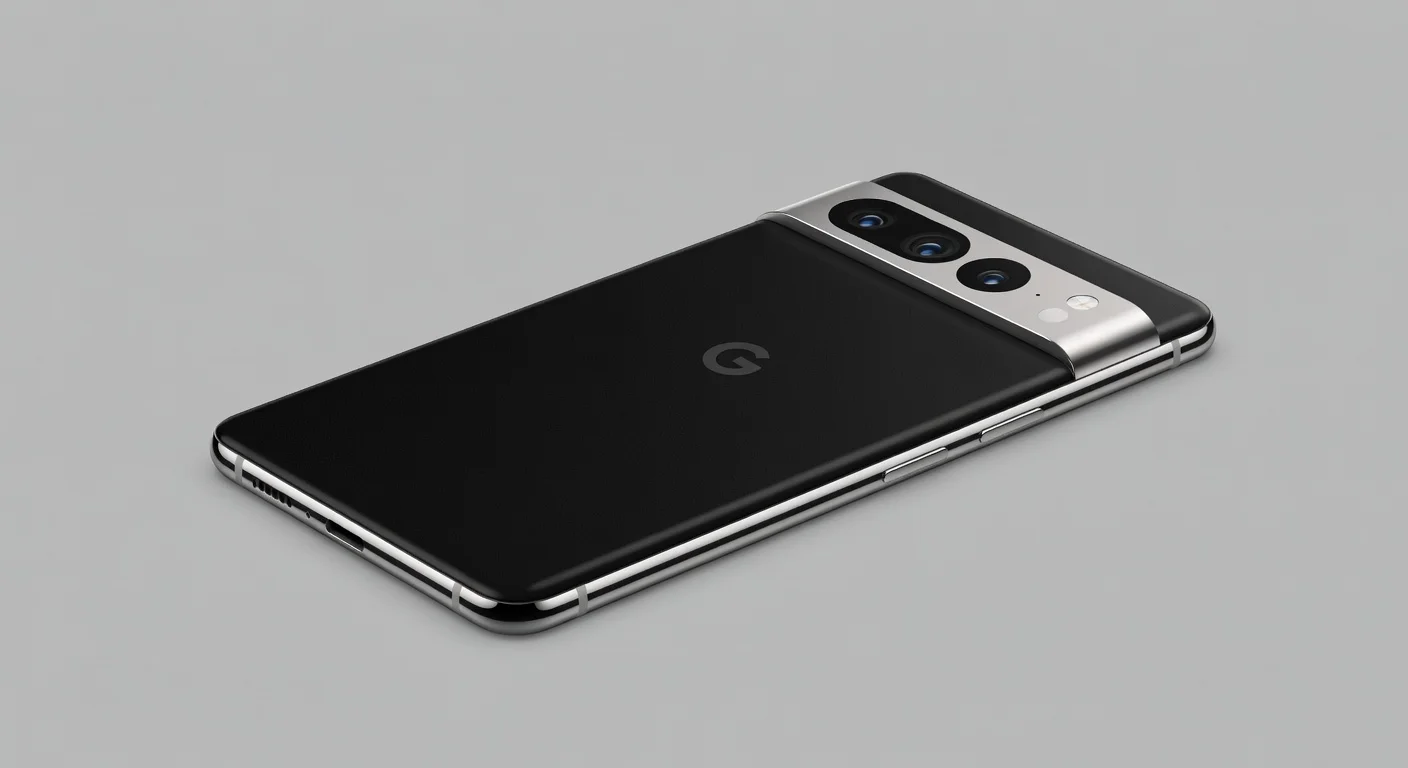
Everyday speed is where the Pixel 11 Pro truly shines. App launches are near-instantaneous, 5G connectivity is rock-solid, and the 16GB of fast LPDDR5X RAM ensures future-proof multitasking. While it may not claim the absolute top spot in synthetic GPU benchmarks against Snapdragon 8 Gen 5 devices, the tight hardware-software integration and AI optimizations deliver a more consistent and intelligent user experience than raw power alone can provide.
Features & Software
The Pixel 11 Pro’s standout feature is its unprecedented on-device AI integration through the latest Gemini Nano model. From context-aware call screening and real-time language translation during FaceTime-style calls to Magic Editor 3.0 that can intelligently modify complex scenes, these features feel less like gimmicks and more like genuine productivity tools. The camera system benefits enormously from computational photography advances, producing natural-looking images that avoid the over-sharpened look common among competitors.
Running pure Android 17, the software experience remains the gold standard for fluidity and simplicity. Google has enhanced its signature features—At a Glance now offers predictive information, while the notification shade and quick settings have received thoughtful refinements. The promised seven years of operating system and security updates mean the Pixel 11 Pro will remain supported until 2033, significantly outpacing most Android competitors and rivaling Apple’s longevity record.
Value Proposition
Priced from $999, the Pixel 11 Pro delivers exceptional long-term value in a market where many flagships now exceed $1200. The combination of class-leading AI capabilities, one of the finest camera systems available, and seven years of guaranteed updates creates a compelling ownership proposition that extends well beyond the initial purchase. While Samsung and Apple offer faster charging and in some cases more specialized features, few devices match the Pixel’s ability to remain relevant and secure for nearly a decade.
For users heavily invested in Google services, the Pixel 11 Pro’s seamless integration across Photos, Workspace, and the broader ecosystem creates daily convenience that justifies its premium positioning. The value equation becomes even stronger when considering the device’s strong resale value and the fact that many AI features that competitors will charge for via subscriptions are included at no additional cost.
How It Compares
Against the Samsung Galaxy S27 Ultra, the Pixel 11 Pro offers a more manageable size, cleaner software experience without One UI bloat, and superior natural color science in photography. However, Samsung counters with S Pen productivity features, 65W charging, and a higher-resolution display. The camera battle remains subjective, though many enthusiasts prefer the Pixel’s more authentic rendering over Samsung’s vibrant but occasionally artificial processing.
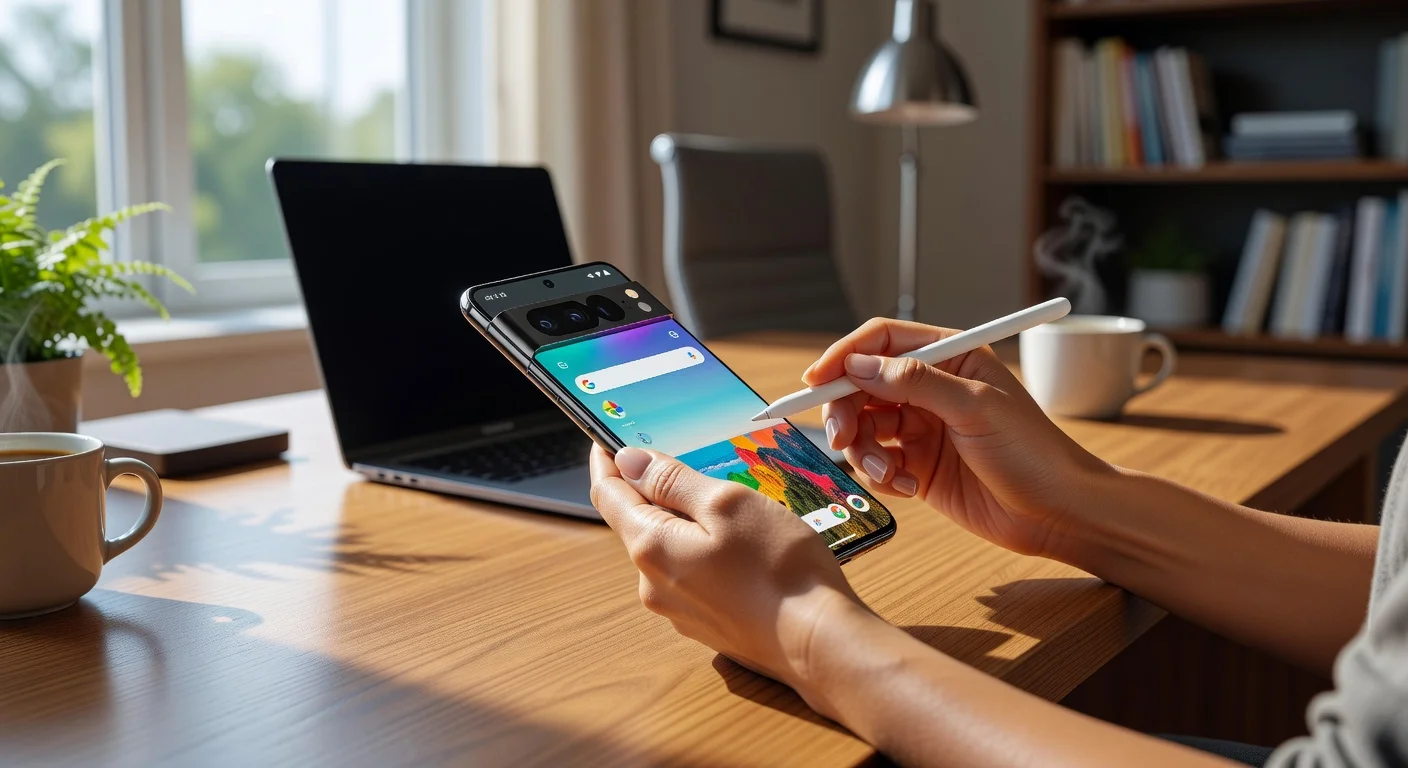
Compared to the Apple iPhone 18 Pro, the Pixel 11 Pro provides greater customization, superior AI tools that currently feel more practical than Apple Intelligence, and a more versatile camera array with dedicated ultrawide and periscope lenses. iOS maintains advantages in video recording consistency and ecosystem integration for Apple users, but Android enthusiasts will find the Pixel 11 Pro more flexible and forward-thinking in its approach to artificial intelligence.
Pros and Cons
Pros
- Revolutionary on-device AI features that meaningfully improve productivity and creativity.
- Exceptional computational photography that consistently delivers natural, detailed images across all conditions.
- Seven years of software updates provide industry-leading longevity and security.
- Vibrant, color-accurate display with excellent brightness and smooth 120Hz performance.
- Refined titanium build quality that feels premium while remaining relatively lightweight.
Cons
- Tensor G5 still trails competitors in raw GPU performance and sustained gaming benchmarks.
- 45W wired charging lags behind several Android rivals offering 65W or faster speeds.
- Device can become noticeably warm during intensive AI processing or prolonged gaming.
- Design evolution is relatively conservative compared to more radically styled competitors.
- No stylus support limits productivity features available on certain rival ultra models.
FAQ
Q: How does the Google Pixel 11 Pro camera compare to the iPhone 18 Pro?
A: The Pixel 11 Pro generally excels in still photography with more natural colors and better dynamic range, while the iPhone 18 Pro maintains a slight edge in video recording consistency and cinematic modes.
Q: Is the Tensor G5 processor powerful enough for gaming?
A: Yes, the Tensor G5 handles demanding mobile games smoothly with improved thermal management, though it may not match the absolute highest frame rates of Snapdragon-powered devices at maximum settings.
Q: How long does the Pixel 11 Pro battery last?
A: With its 5000mAh cell and efficient AI power management, most users experience 8-10 hours of screen-on time even with heavy AI feature usage.
Q: Does the Pixel 11 Pro support 7 years of Android updates?
A: Yes, Google has committed to seven years of both feature and security updates, ensuring the device remains supported until 2033.
Q: Is the Pixel 11 Pro worth upgrading from the Pixel 10 Pro?
A: The upgrade is worthwhile for those wanting major AI improvements and better low-light photography, though users with the previous model may find the changes evolutionary rather than revolutionary.
Verdict
The Google Pixel 11 Pro is the best choice for tech-savvy users who value intelligent AI features, class-leading photography, and the purest Android experience available. Its combination of thoughtful software, long-term support, and genuine innovation makes it particularly compelling for those embedded in Google’s ecosystem or seeking a device that will remain relevant for years to come. While competitors may edge it out in specific areas like raw performance or charging speed, the Pixel 11 Pro delivers the most cohesive and forward-thinking flagship experience of 2026.
Pros
- ✓ Revolutionary on-device AI features that meaningfully improve productivity and creativity.
- ✓ Exceptional computational photography that consistently delivers natural, detailed images across all conditions.
- ✓ Seven years of software updates provide industry-leading longevity and security.
- ✓ Vibrant, color-accurate display with excellent brightness and smooth 120Hz performance.
- ✓ Refined titanium build quality that feels premium while remaining relatively lightweight.
Cons
- ✗ Tensor G5 still trails competitors in raw GPU performance and sustained gaming benchmarks.
- ✗ 45W wired charging lags behind several Android rivals offering 65W or faster speeds.
- ✗ Device can become noticeably warm during intensive AI processing or prolonged gaming.
- ✗ Design evolution is relatively conservative compared to more radically styled competitors.
- ✗ No stylus support limits productivity features available on certain rival ultra models.