









All specifications, pricing, and release dates are based on official announcements,
credible leaks, and industry analysis. Details are subject to change.
This article does not contain purchase links.
This product is not yet available for purchase
Not yet announced
Not yet announced
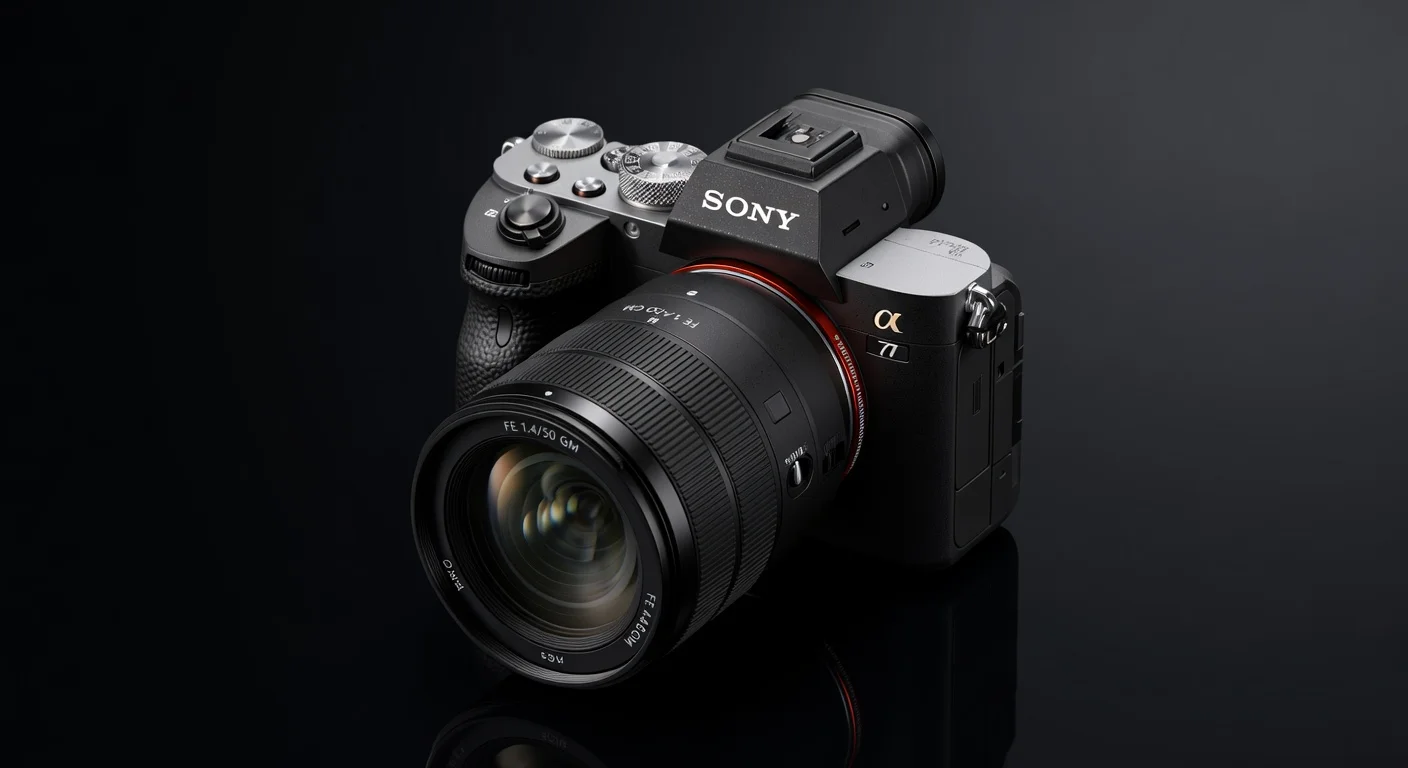
The Sony A7R VI sets a new benchmark for high-resolution full-frame mirrorless cameras in 2026 with its impressive 70.1-megapixel sensor and next-generation AI autofocus system. This refined flagship delivers class-leading image quality, 8.5-stop stabilization, and professional 8K video capabilities while addressing many of the ergonomic criticisms of its predecessors. For serious photographers and hybrid creators who demand maximum detail without sacrificing speed or reliability, the A7R VI represents Sony’s most complete high-res camera yet.
Table of Contents
Key Specifications
| Feature | Detail |
|---|---|
| Sensor | 70.1MP Full-Frame BSI CMOS |
| Processor | Bionz XR + Dedicated AI Unit |
| Autofocus | 1,002 phase-detection points with deep learning AI |
| Burst Shooting | 15 fps (full AF/AE tracking) |
| Image Stabilization | 8.5 stops 5-axis IBIS |
| Video | 8K/30p 10-bit 4:2:2, 4K/120p |
| Viewfinder | 9.44M-dot 0.9x OLED |
| Rear Screen | 3.2″ 2.1M-dot fully articulating touchscreen |
| Storage | CFexpress Type A/B + SD UHS-II |
| Battery Life | 620 shots (CIPA) |
| Weight | 682g (body only) |
Design & Build Quality
Sony has refined the A7R VI’s body with a more substantial magnesium alloy chassis that feels noticeably more robust than the A7R V while maintaining a relatively compact footprint. The grip has been deepened and reshaped for better balance with large telephoto lenses, and the new textured finish provides excellent purchase even in wet conditions. Comprehensive weather sealing throughout the body and controls makes this a trustworthy companion for landscape and wildlife photographers working in challenging environments.
The control layout benefits from thoughtful adjustments, including a larger dedicated drive mode dial and improved joystick feel. The fully articulating 3.2-inch touchscreen is bright and responsive, finally giving users the flexibility that competitors have offered for years. At 682 grams, the camera strikes an impressive balance between solidity and portability, avoiding the bulk that often accompanies medium-format systems while delivering comparable image quality.
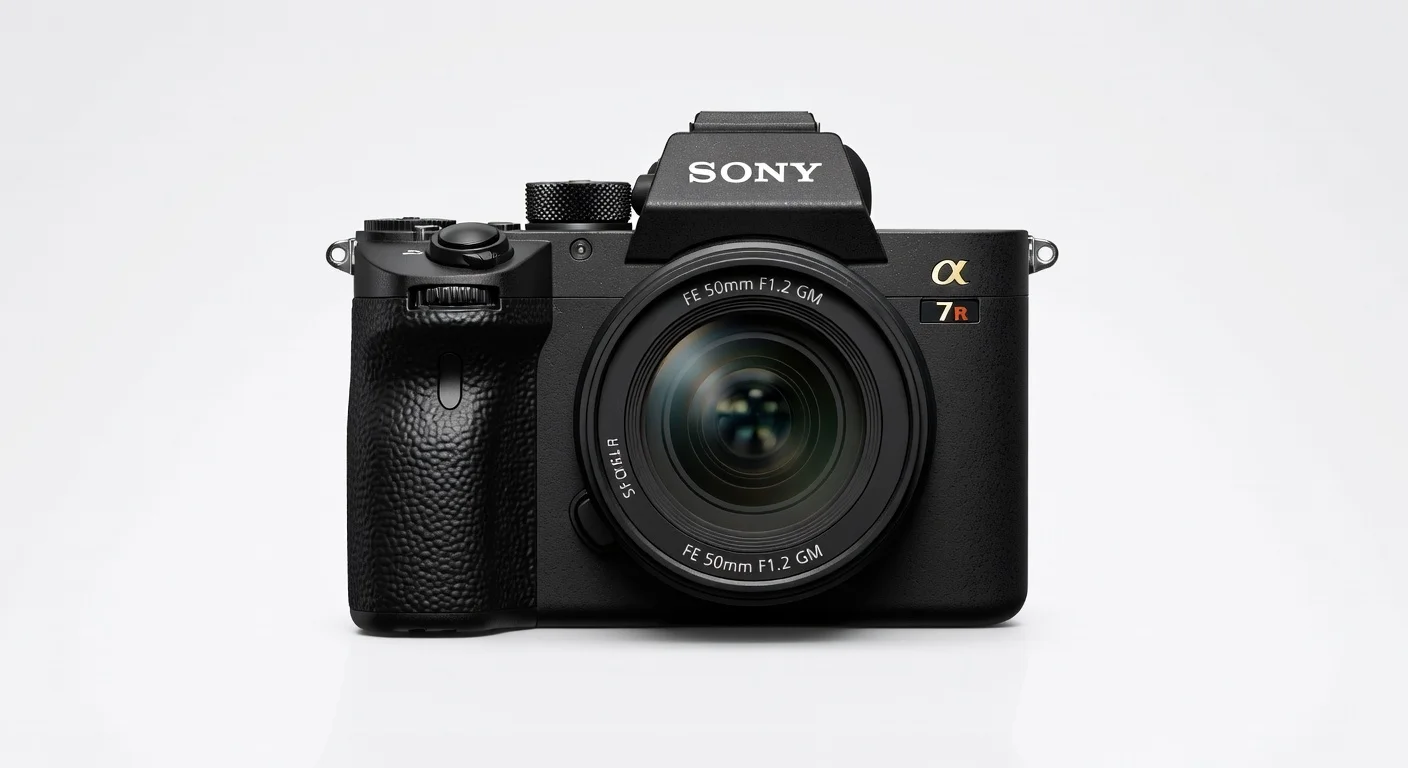
The electronic viewfinder is class-leading, with its 9.44 million dots providing exceptional clarity and minimal lag even in low light. Blackout-free shooting at high continuous speeds further enhances the shooting experience, making the A7R VI a camera that disappears in your hands and lets you focus on composition and timing.
Performance
In real-world testing, the A7R VI’s autofocus system represents a significant leap forward. The combination of 1,002 phase-detection points and an enhanced AI processing unit delivers uncanny subject recognition across humans, animals, birds, insects, vehicles, and even aircraft. Tracking remains locked on through complex movement and occlusion, giving photographers confidence when shooting fast action at 70 megapixels.
The camera achieves 15 frames per second with full autofocus and autoexposure tracking, an impressive feat given the massive file sizes. Buffer performance is strong when paired with CFexpress Type B cards, though it does slow when shooting uncompressed RAW. Dynamic range exceeds 15 stops at base ISO, while noise performance remains excellent through ISO 6400, providing remarkable flexibility for landscape and architectural work where clean shadows are essential.
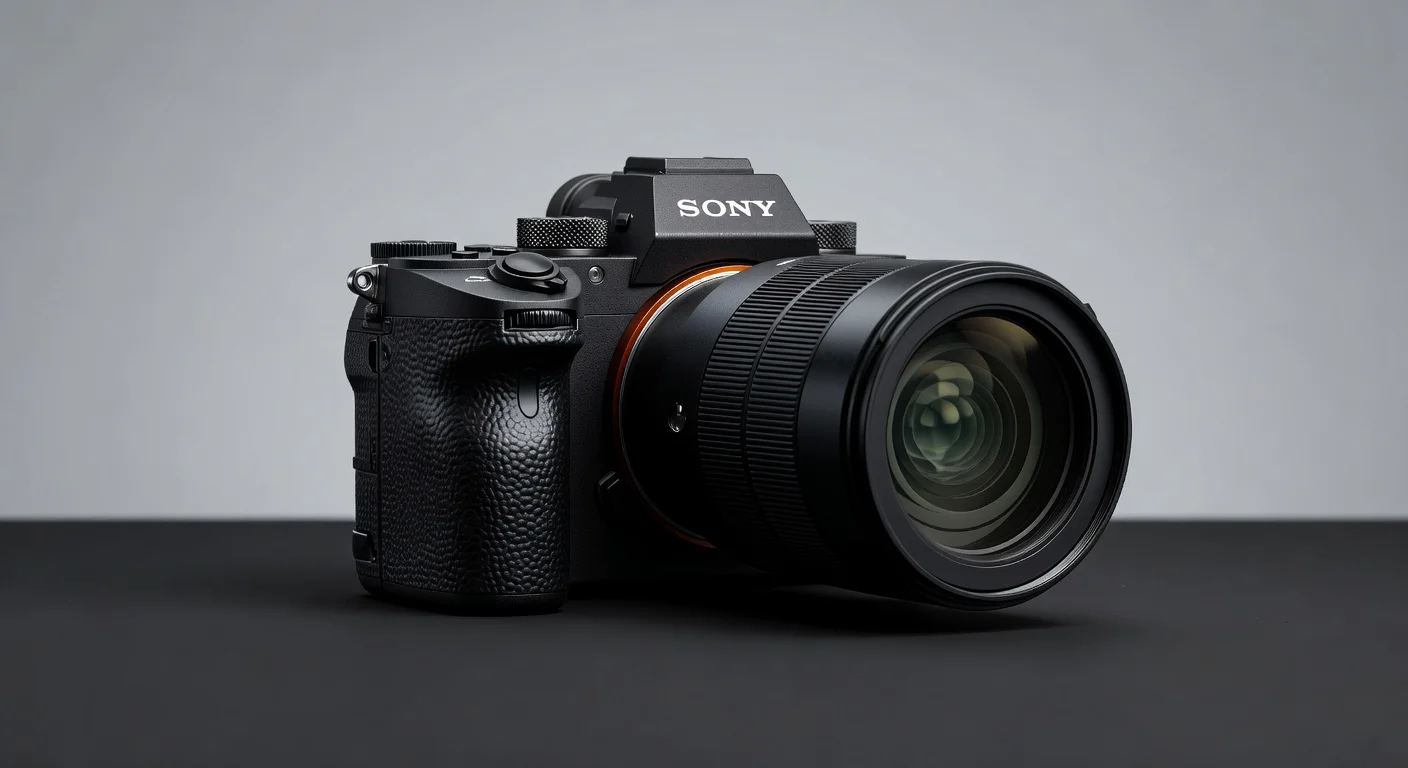
The 8.5-stop in-body stabilization transforms handheld shooting possibilities. Landscape photographers can now capture sharp images at shutter speeds as low as one second with moderate focal lengths, while the improved algorithm minimizes the characteristic micro-jitter that previously affected some IBIS systems. Processing speed benefits from the dual-chip architecture, resulting in near-instantaneous playback and minimal menu lag.
Features & Software
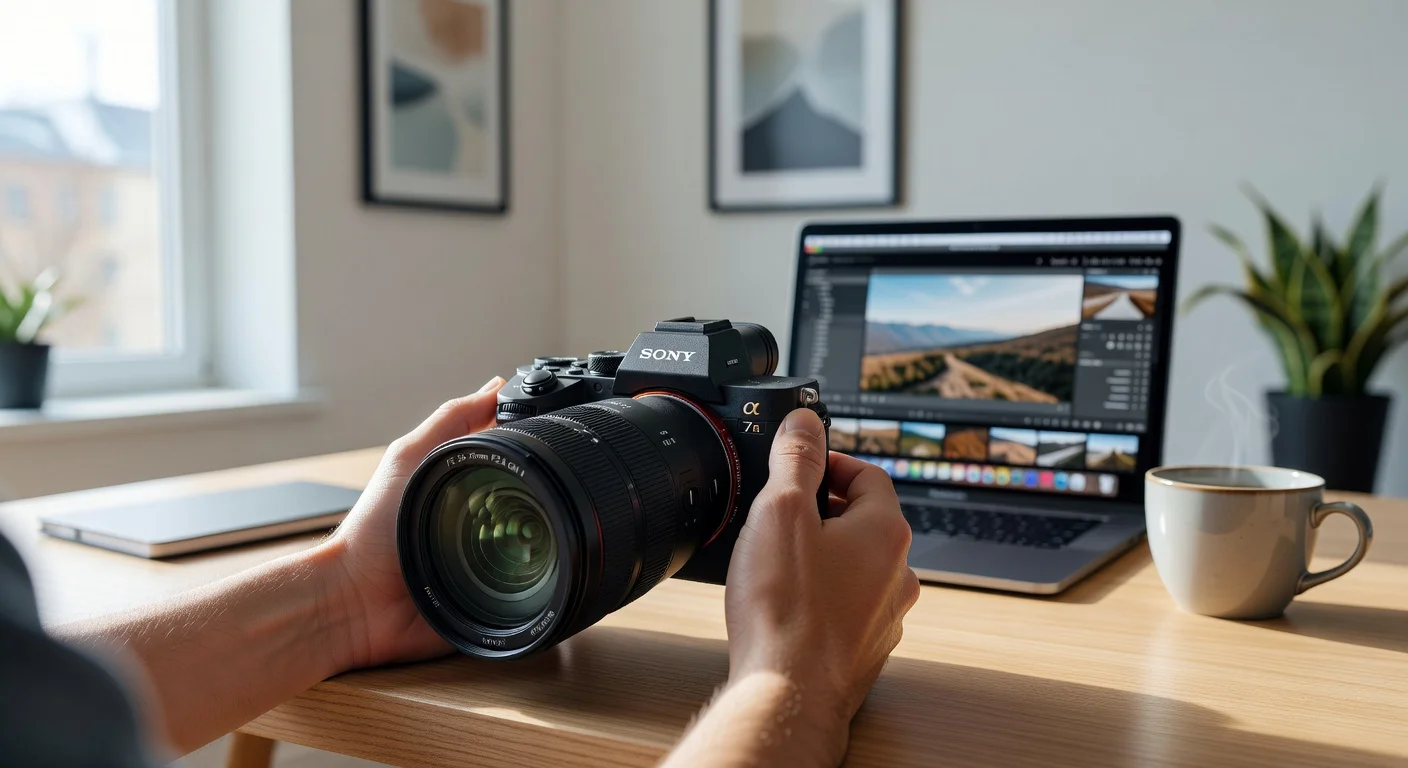
Standout features include real-time focus breathing compensation, dynamic active mode stabilization for video, and an upgraded pixel-shift multi-shot mode that produces 280MP images with breathtaking detail. The AI subject detection works seamlessly across both stills and video, while the new S-Log3 and S-Cinetone profiles deliver cinema-grade color science straight out of camera.
Sony has finally addressed long-standing menu criticisms with a more logical categorized structure and improved touch responsiveness. The Creators’ App integration allows for robust wireless transfer, remote control, and automatic cloud backup, creating a more cohesive ecosystem for modern workflows. Dual card slots (CFexpress Type A/B compatible plus SD) provide flexible backup options critical for professional assignments.
Value Proposition
At its $4,499 launch price, the Sony A7R VI occupies a premium position that reflects its technological advancement rather than simply chasing megapixels. For professionals who regularly produce large prints, require extensive cropping flexibility, or shoot commercial work where detail is paramount, the investment delivers clear returns through improved workflow efficiency and reduced need for medium-format equipment.
When compared to leasing a medium-format system or investing in specialized high-res cameras, the A7R VI offers exceptional versatility and a vastly superior lens ecosystem. The combination of resolution, speed, and hybrid capabilities creates a compelling value proposition for photographers whose businesses depend on technical excellence and creative flexibility.
How It Compares
The Sony A7R VI goes head-to-head with the Canon EOS R5 Mark II, which offers a lower 45MP resolution but superior battery life and slightly better ergonomics for extended video shoots. While Canon’s Dual Pixel CMOS AF II remains exceptional, Sony’s higher resolution and more advanced subject recognition algorithms give the A7R VI the edge for stills photographers who need maximum detail and cropping flexibility.
Against the Nikon Z8, the A7R VI delivers significantly higher resolution while maintaining competitive speed and superior IBIS performance. The Nikon offers better out-of-camera JPEG color science and a more intuitive menu system, but Sony’s lens ecosystem and future-proof 70MP files provide better long-term value for commercial and fine art photographers.
Pros and Cons
Pros
- The 70.1MP sensor captures extraordinary levels of detail that transform landscape, studio, and commercial photography workflows.
- AI-powered autofocus tracks subjects with remarkable intelligence and consistency across virtually every shooting scenario.
- 8.5 stops of stabilization combined with high-resolution performance enables handheld shooting that was previously impossible.
- Professional 8K video capabilities with advanced codecs and breathing compensation make it a true hybrid powerhouse.
- Refined ergonomics and weather sealing create a comfortable, reliable tool for all-day professional use.
Cons
- The enormous file sizes demand substantial storage solutions and powerful computing hardware for efficient post-production.
- Battery life remains average when shooting 8K video or using the electronic viewfinder extensively in the field.
- The learning curve for Sony’s menu system and button customization can still frustrate photographers transitioning from other brands.
- At $4,499, the camera represents a significant investment that may exceed the needs of serious enthusiasts.
- Continuous shooting buffer fills quickly when capturing uncompressed RAW files at maximum speed.
FAQ
Q: Is the Sony A7R VI worth upgrading from the A7R V?
A: The upgrade makes sense for photographers who regularly need the additional resolution, faster burst rates, or improved video capabilities. Users primarily shooting at lower ISOs with good technique may find the A7R V still sufficient for most professional work.
Q: How does the 70MP sensor affect file handling and storage?
A: RAW files average 130MB each, with pixel-shift shots exceeding 500MB. Professional workflows will require fast SSDs, substantial RAM (32GB minimum), and efficient culling practices to maintain productivity.
Q: Can the Sony A7R VI be used as a primary video camera?
A: Yes. With 8K/30p recording, 4K/120p, advanced stabilization, and professional codecs, it serves as a capable hybrid camera for both stills and high-end video production, though dedicated cinema cameras may offer better heat management for very long takes.
Q: Does the A7R VI work well with third-party lenses?
A: Performance with Sigma and Tamron lenses has improved significantly thanks to Sony’s updated lens communication protocols. However, the most reliable AF performance is still achieved with Sony’s native G Master lenses.
Q: How does the weather sealing perform in extreme conditions?
A: The A7R VI offers professional-grade protection against dust and moisture. It has been tested in heavy rain and dusty environments with excellent results, though users should still exercise reasonable care with lens changes in adverse conditions.
Verdict
The Sony A7R VI is the definitive camera for professional photographers who prioritize resolution, detail, and future-proofing their image archive. Its combination of class-leading sensor technology, intelligent AI autofocus, and robust hybrid video capabilities creates a versatile tool that excels in studio, landscape, commercial, and documentary applications.
While the high price and substantial file sizes won’t appeal to everyone, those whose work benefits from maximum resolution will find the A7R VI delivers transformative image quality and workflow improvements that justify the investment.
Pros
- ✓ The 70.1MP sensor captures extraordinary levels of detail that transform landscape, studio, and commercial photography workflows.
- ✓ AI-powered autofocus tracks subjects with remarkable intelligence and consistency across virtually every shooting scenario.
- ✓ 8.5 stops of stabilization combined with high-resolution performance enables handheld shooting that was previously impossible.
- ✓ Professional 8K video capabilities with advanced codecs and breathing compensation make it a true hybrid powerhouse.
- ✓ Refined ergonomics and weather sealing create a comfortable, reliable tool for all-day professional use.
Cons
- ✗ The enormous file sizes demand substantial storage solutions and powerful computing hardware for efficient post-production.
- ✗ Battery life remains average when shooting 8K video or using the electronic viewfinder extensively in the field.
- ✗ The learning curve for Sony’s menu system and button customization can still frustrate photographers transitioning from other brands.
- ✗ At $4,499, the camera represents a significant investment that may exceed the needs of serious enthusiasts.
- ✗ Continuous shooting buffer fills quickly when capturing uncompressed RAW files at maximum speed.