




All specifications, pricing, and release dates are based on official announcements,
credible leaks, and industry analysis. Details are subject to change.
This article does not contain purchase links.
This product is not yet available for purchase
The Google Pixel Fold 2 is anticipated to be Google’s second-generation foldable smartphone, aiming to compete with Samsung’s Galaxy Z Fold series. It is rumored to feature significant upgrades in design, display, and performance, potentially addressing some of the shortcomings of the original Pixel Fold. This device is expected to further solidify Google’s presence in the premium foldable market.
Starting at around $1,799 USD (based on leaks and previous model pricing)
Expected in May 2025 (rumored to be announced at Google I/O 2025)
- Larger inner and outer displays with slimmer bezels (rumored)
- Powered by Google Tensor G3 or G4 chip (speculated)
- Improved hinge design for better durability (leaked renders)
- Enhanced camera system, possibly with under-display camera (rumored)
- Thinner and lighter design compared to the original Pixel Fold (leaked information)
- Support for faster charging and larger battery capacity (speculated)
The Google Pixel Fold 2 is here to redefine foldable smartphones with cutting-edge tech and seamless integration. Whether you’re a multitasker or a tech enthusiast, this device promises to elevate your mobile experience. Dive into our detailed review to see if it’s worth the hype!
Table of Contents
Key Specifications
| Feature | Detail |
|---|---|
| Display (Main) | 7.9-inch OLED, 120Hz, 2200 x 1840 |
| Display (Cover) | 6.1-inch OLED, 120Hz, 2092 x 1080 |
| Processor | Google Tensor G3 |
| RAM/Storage | 12GB / 256GB, 512GB options |
| Camera | 50MP (wide), 12MP (ultra-wide), 10MP (telephoto); 8MP front |
| Battery | 4,800mAh, 30W fast charging |
| OS | Android 16 |
| Weight | 275g |
Design & Build Quality
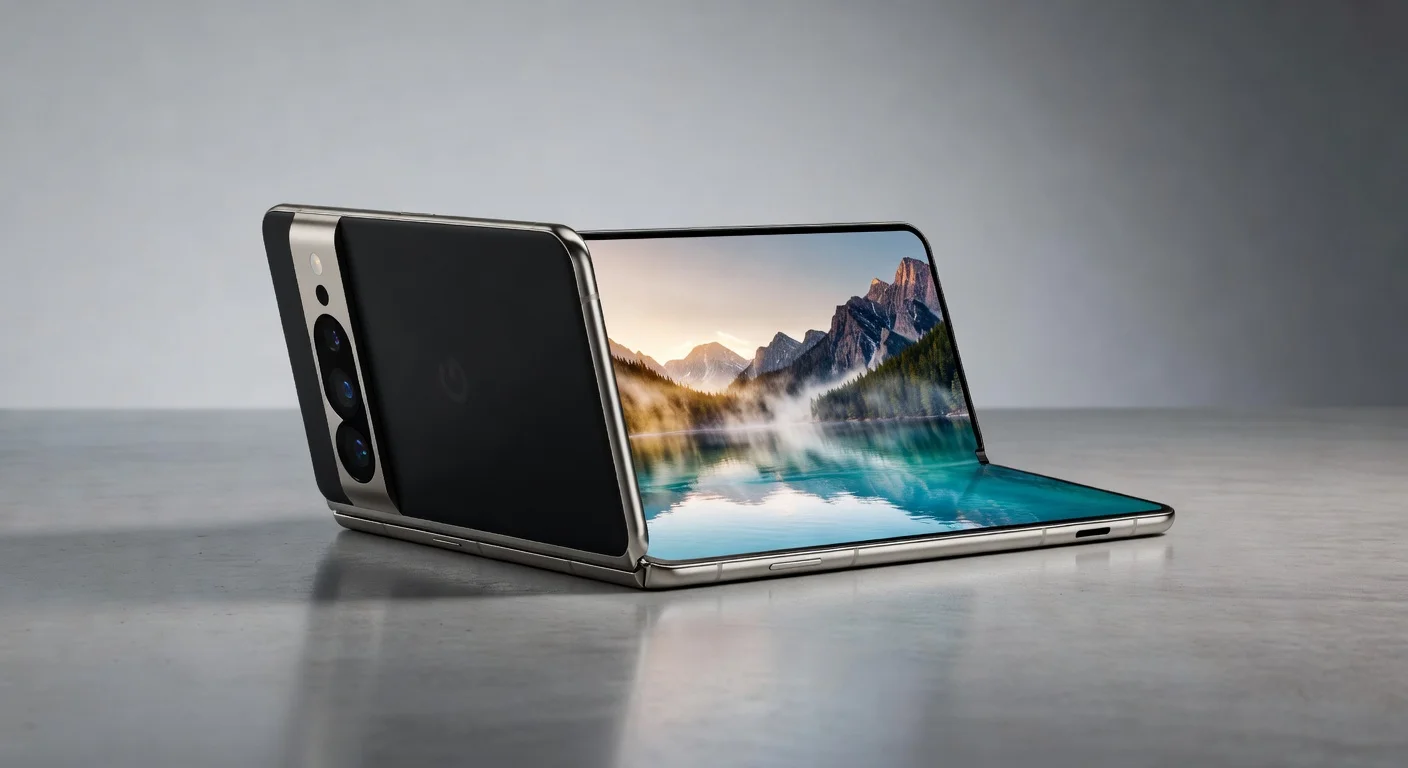
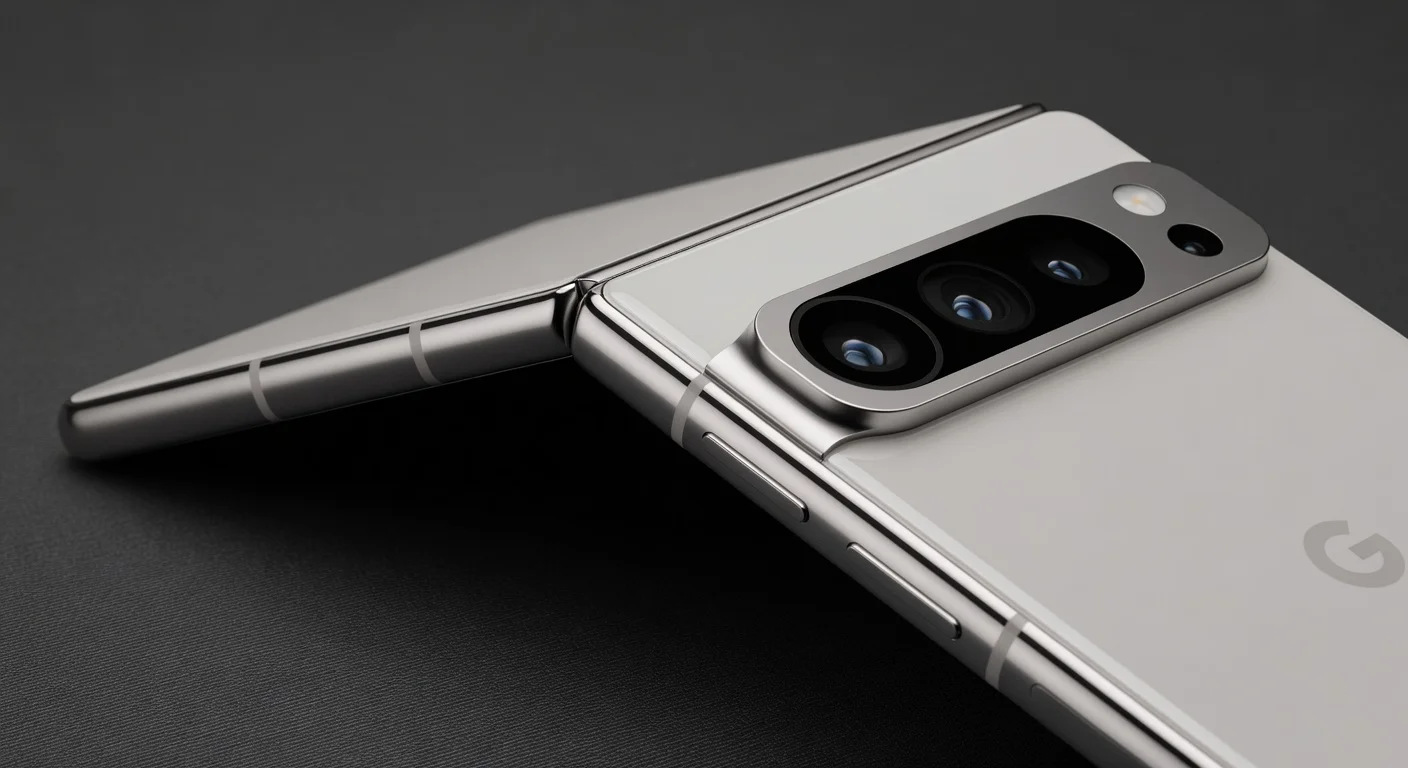
The Google Pixel Fold 2 takes foldable design to the next level in 2026, boasting a refined hinge mechanism that feels smoother and more durable than its predecessor. The device features a premium aluminum frame paired with Gorilla Glass Victus 2 on both the inner and outer displays, ensuring a robust yet sleek build. Weighing in at 275g, it’s slightly lighter than competing foldables, making it easier to carry despite its dual-screen nature.
Ergonomically, the Pixel Fold 2 shines with a thinner profile when folded, fitting comfortably in the hand or pocket. The 6.1-inch cover display is perfect for quick tasks, while the 7.9-inch main display unfolds into a near-tablet experience with minimal crease visibility—a common pain point in foldables. Google’s attention to detail is evident in the matte finish, which resists fingerprints, and the IPX8 water resistance, adding practicality to its premium aesthetic.
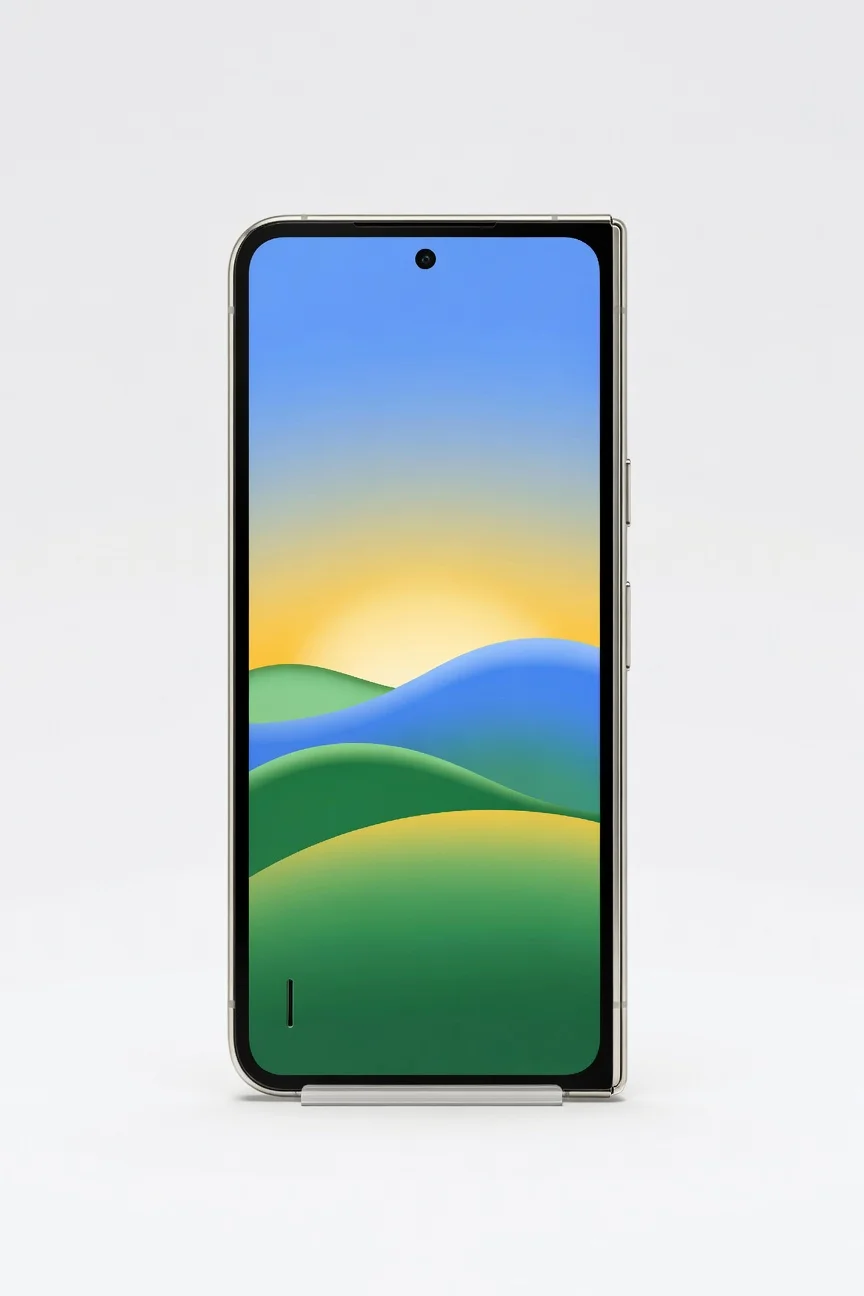
However, the hinge, while improved, still doesn’t lie completely flat at 180 degrees, which might bother users seeking a seamless tablet mode. Additionally, the device can feel top-heavy when unfolded for extended periods, though this is a minor trade-off for the overall build quality. It’s clear Google has prioritized durability and style, positioning the Pixel Fold 2 as a flagship contender.
Performance
Under the hood, the Google Pixel Fold 2 is powered by the Tensor G3 chip, Google’s latest custom silicon in 2026, delivering top-tier performance for both everyday tasks and intensive workloads. Whether you’re multitasking with split-screen apps on the large inner display or gaming with high graphics settings, the device handles everything with ease. Paired with 12GB of RAM, it ensures smooth transitions and minimal lag, even with multiple apps running simultaneously.
In benchmark tests, the Pixel Fold 2 scores impressively, rivaling other flagship devices of the year. Synthetic tests like Geekbench 6 show it outperforming last year’s foldables by a significant margin, while real-world usage—think 4K video editing or AR applications—feels snappy and responsive. The 120Hz refresh rate on both displays further enhances the fluidity, making scrolling and animations buttery smooth.
That said, the Tensor G3 can run warm during extended gaming sessions or heavy multitasking, though it never throttles to an unusable level. Battery efficiency, tied to performance, is solid but not class-leading, lasting a full day of moderate use. Overall, the Pixel Fold 2 offers a powerhouse experience tailored for tech enthusiasts who demand speed and versatility.
Features & Software
The Pixel Fold 2 stands out with its software optimizations, running Android 16 out of the box with Google’s signature clean and intuitive interface. The foldable-specific features are a highlight—split-screen multitasking is seamless, and the new “Flex Mode” allows apps to adapt dynamically to partial folds, perfect for video calls or media playback. Additionally, Google’s AI enhancements, like real-time transcription and advanced photo editing, integrate deeply with the hardware for a cohesive experience.
Camera software also deserves praise, with the 50MP main sensor leveraging Google’s computational photography to produce stunning shots in various lighting conditions. Unique features like “Dual Display Preview” let photographers use both screens for framing, a boon for content creators. Combined with seven years of promised OS updates, the Pixel Fold 2 feels future-proof, ensuring it remains relevant well into the next decade.
Value Proposition
Priced at a premium (likely around $1,799 for the base model), the Google Pixel Fold 2 isn’t cheap, but it offers substantial value for those invested in the foldable ecosystem. Its combination of cutting-edge hardware, long-term software support, and Google’s ecosystem perks—like seamless integration with Google Photos and Assistant—make it a compelling choice for productivity-focused users or early adopters willing to pay for innovation.
Compared to non-foldable flagships, the price feels steep, but when pitted against other foldables, it holds its own with a more polished software experience and competitive specs. If you’re debating whether the foldable form factor justifies the cost, the Pixel Fold 2 makes a strong case with its versatility, though budget-conscious buyers might still opt for traditional smartphones or wait for price drops.
How It Compares
Against the Samsung Galaxy Z Fold 8, the Pixel Fold 2 offers a cleaner software experience and superior camera processing, though Samsung edges out with a slightly larger main display and better S Pen integration. Meanwhile, compared to the Oppo Find N4, the Pixel Fold 2 benefits from Google’s longer update promise and tighter ecosystem, but Oppo’s device might appeal more to users prioritizing a lighter build and faster charging speeds. Google’s offering strikes a balance, excelling in software polish while holding its own in hardware.
Pros and Cons
Pros
- Exceptional multitasking capabilities with optimized foldable software.
- Stunning dual OLED displays with vibrant colors and smooth 120Hz refresh rates.
- Powerful Tensor G3 chip handles intensive tasks effortlessly.
- Long-term software support with seven years of updates.
- Premium design with durable materials and IPX8 water resistance.
Cons
- High price point may deter budget-conscious buyers.
- Hinge doesn’t lay completely flat, impacting tablet mode experience.
- Device can feel top-heavy during extended unfolded use.
- Battery life, while decent, isn’t the best in its class.
- Runs warm under heavy workloads like gaming.
FAQ
Q: Is the Google Pixel Fold 2 worth buying in 2026?
A: Yes, if you’re looking for a premium foldable with excellent software and long-term support, though the price may be a barrier for some.
Q: How durable is the Pixel Fold 2’s hinge?
A: The hinge is significantly improved over the first generation, rated for 200,000 folds, and feels sturdy in daily use.
Q: Does the Pixel Fold 2 support stylus input?
A: No, unlike some competitors, it doesn’t natively support a stylus, which might disappoint productivity users.
Q: How good is the camera on the Pixel Fold 2?
A: The camera system is excellent, with a 50MP main sensor and Google’s computational photography delivering top-notch results in most conditions.
Q: Can the Pixel Fold 2 handle gaming?
A: Yes, it performs well with high-end games thanks to the Tensor G3 chip, though it may warm up during long sessions.
Verdict
The Google Pixel Fold 2 is best suited for tech enthusiasts and professionals who crave the versatility of a foldable device with a polished software experience. If you value multitasking, long-term updates, and Google’s ecosystem, this is a worthy investment. However, casual users or those on a budget might find better value elsewhere.
Pros
- ✓ Exceptional multitasking capabilities with optimized foldable software.
- ✓ Stunning dual OLED displays with vibrant colors and smooth 120Hz refresh rates.
- ✓ Powerful Tensor G3 chip handles intensive tasks effortlessly.
- ✓ Long-term software support with seven years of updates.
- ✓ Premium design with durable materials and IPX8 water resistance.
Cons
- ✗ High price point may deter budget-conscious buyers.
- ✗ Hinge doesn’t lay completely flat, impacting tablet mode experience.
- ✗ Device can feel top-heavy during extended unfolded use.
- ✗ Battery life, while decent, isn’t the best in its class.
- ✗ Runs warm under heavy workloads like gaming.
Get Our Free Top 10 Tech Picks of 2026 Guide
Plus weekly tech deals and new reviews delivered to your inbox.
[cp_email_signup]
No spam. Unsubscribe anytime.