Tech Essentials










In a world saturated with kids’ smartwatches, Google’s Fitbit Ace LTE is attempting something radically different. It’s less of a smartphone-on-the-wrist and more of an interactive game designed to get kids off the couch. The result is a surprisingly compelling device that rethinks what a connected wearable for children should be.
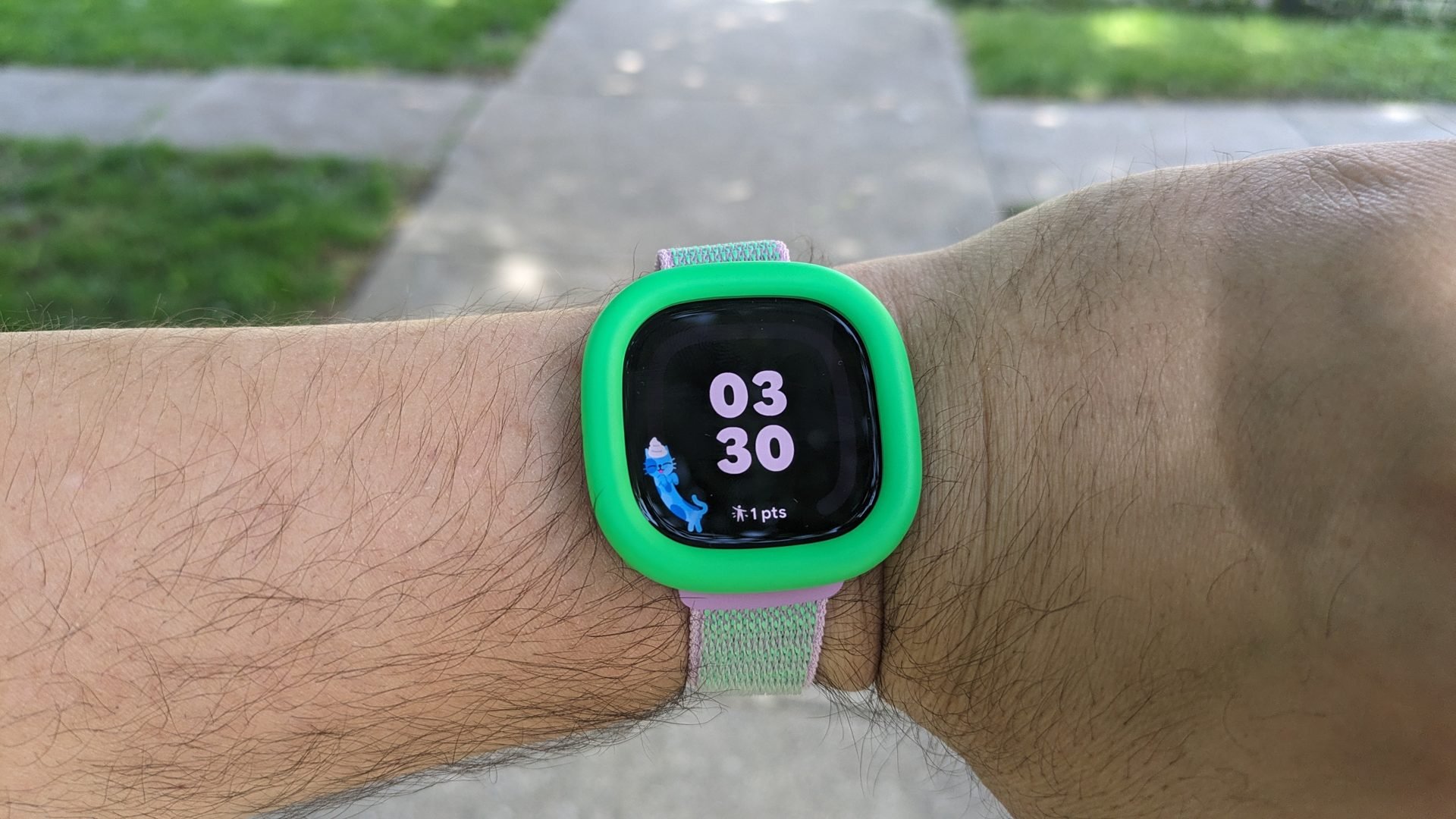
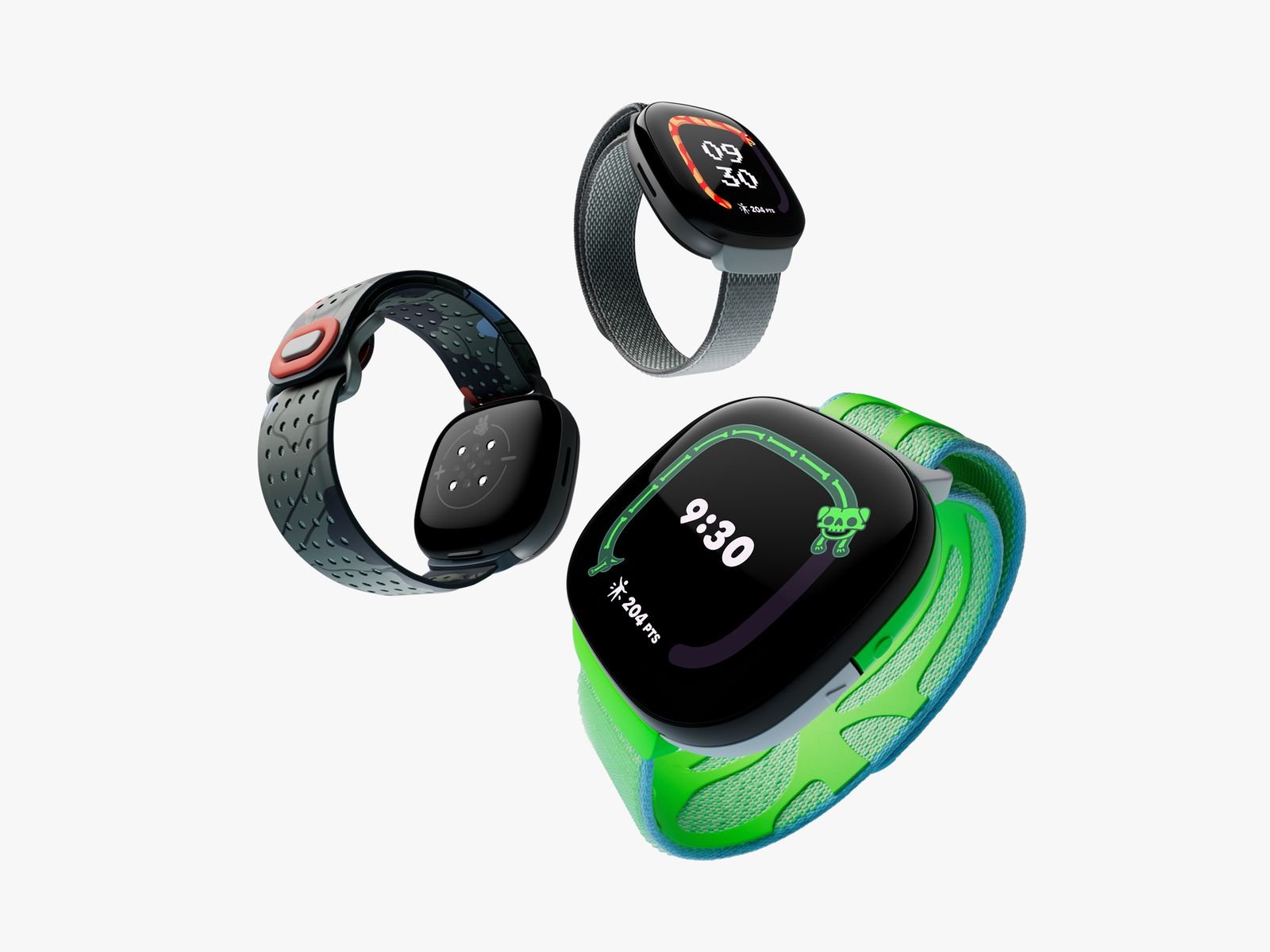
The Ace LTE immediately distinguishes itself with a design that screams “fun,” not “miniature adult tech.” Encased in a chunky, protective bumper, the watch feels substantial and ready for the playground. The 1.4-inch OLED display is vibrant and protected by Corning Gorilla Glass 3, a necessary touch for a device destined for bumps and scrapes. The proprietary bands are soft, comfortable, and easy for kids to manage themselves. While not sleek, the build quality inspires confidence; this is a device built to survive childhood.
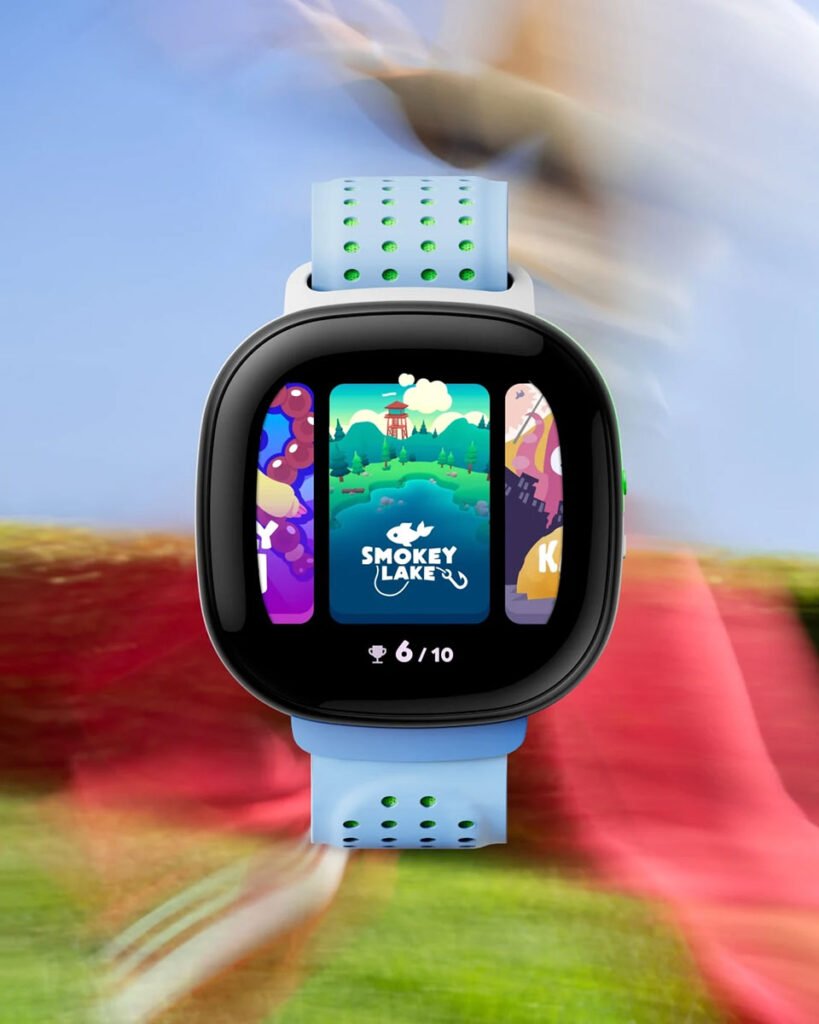
At its core, the Ace LTE runs a custom, streamlined OS, not a scaled-down version of Wear OS. This is a brilliant decision. The interface is incredibly responsive, centered around a dynamic activity ring called “The Noodle” that celebrates every form of movement, from walking to wild flailing. There’s no open app store, no web browser, and no social media. Instead, the experience is a closed loop designed for safety and engagement. The primary interaction is with the “Eejie,” a Tamagotchi-like virtual creature whose health and happiness are directly tied to the user’s physical activity. Meeting daily move goals feeds the Eejie and unlocks new cosmetic items, creating a powerful motivational hook.
Where the Ace LTE truly shines is in its gamification. Beyond the Eejie, the watch features the Fitbit Arcade, a collection of short, haptic-feedback-driven games that require physical movement to play. Kids earn “game time” by being active, which they can then spend in the Arcade. New games are added regularly through the mandatory subscription, keeping the experience fresh. On the connectivity front, the built-in LTE allows for calling and messaging with up to 20 parent-approved contacts. Location sharing is reliable, and parents can set up secure zones and a “School Time” mode to limit distractions, all managed through the intuitive Fitbit Ace app on their own phone.
The value proposition, however, is the most complex part of the equation. The watch itself retails for $229.95, but it requires a Fitbit Ace Pass subscription for $9.99 a month or $119.99 a year. This pass covers the LTE data line, access to the Arcade, and future software updates. Over two years, the total cost of ownership approaches $470, placing it squarely in premium territory, competing with entry-level Apple Watches. While the curated, game-driven experience is arguably more kid-appropriate and engaging than any competitor, the mandatory, ongoing cost will be a significant hurdle for many families.
Ultimately, the Fitbit Ace LTE is a bold and well-executed bet on what a kid’s smartwatch should be. It prioritizes activity and safe communication above all else, wrapping it in a package so fun that kids might forget they’re exercising. It’s an excellent choice for parents who value a locked-down, highly motivating ecosystem and are willing to pay the premium for that curated experience.
Where to Buy:
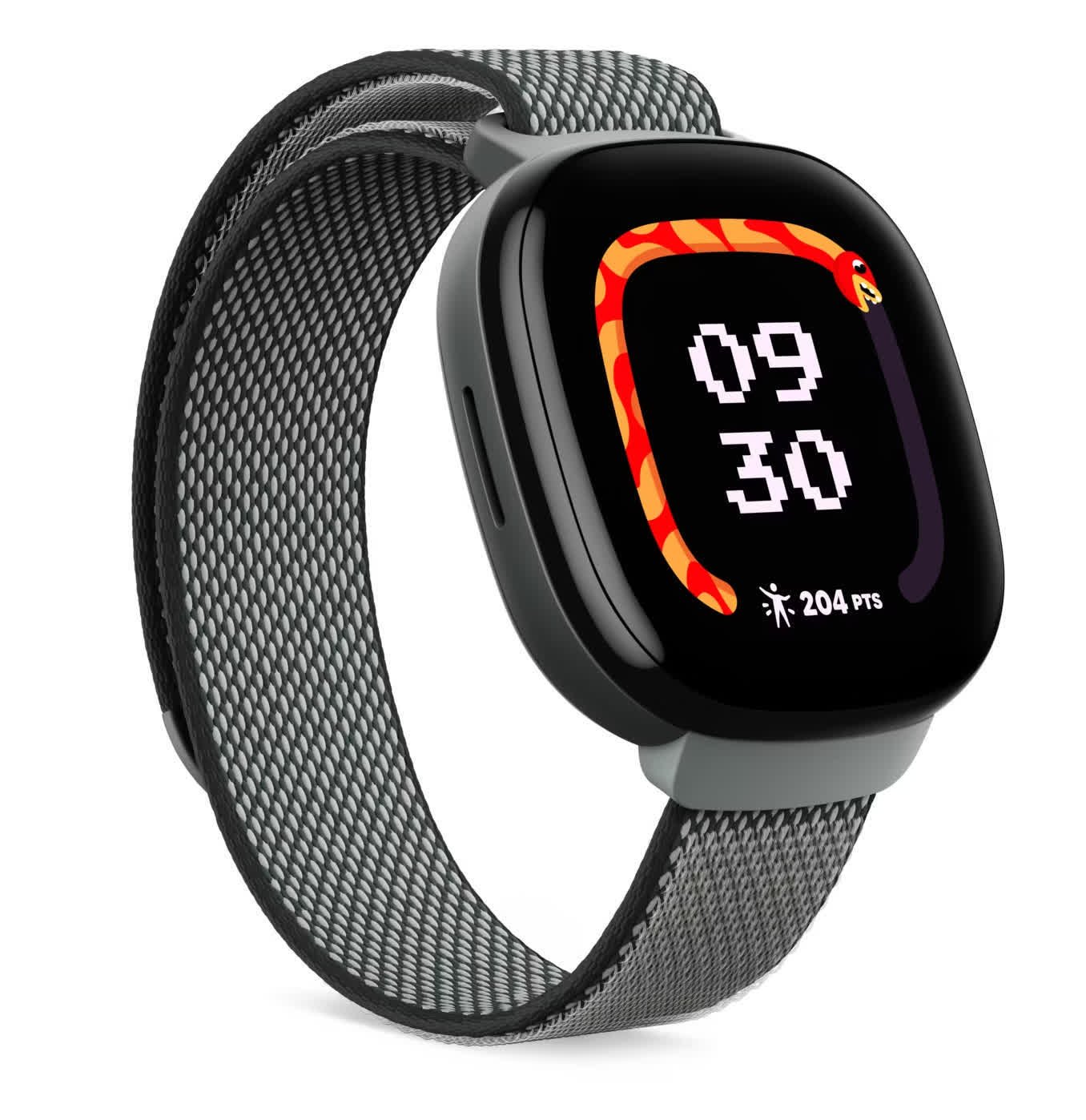
Fitbit Ace LTE Quick Summary
Key Scores:
- Value:
70% - Design:
90% - Performance:
88% - Quality:
92% - Popularity:
80%
Top Pros
- ✅ Gamified activity tracking genuinely motivates kids to be more active.
- ✅ Robust parental controls and safety features provide total peace of mind.
- ✅ The durable, kid-friendly design capably withstands daily wear and tear.
- …
Key Cons
- ❌ The mandatory subscription service significantly increases the total device cost.
- ❌ Its moderate battery life means daily charging is an absolute necessity.
- ❌ The proprietary OS completely lacks any third-party app support.