Tech Essentials










For years, photographers faced a difficult choice between sheer megapixel count and agile performance. Panasonic’s Lumix S1R II arrives as a bold declaration that you no longer have to compromise. This camera melds a monstrously high-resolution sensor with a completely re-engineered core, aiming to be the definitive tool for demanding professionals.
The elephant in the room for the original S1R was always its contrast-based autofocus, a capable but often hesitant system in a world dominated by phase detection. The S1R II banishes those ghosts entirely with a new phase-detect hybrid AF system. The difference is night and day. Subject tracking is now tenacious, locking onto eyes and bodies with the confidence its predecessor lacked. Whether shooting portraits with a fast prime or tracking a slow-moving subject in the landscape, the focus feels immediate and reliable, finally allowing Panasonic to compete on equal footing with the top-tier offerings from Sony and Canon. This newfound speed is powered by a next-generation Venus Engine processor, which also crunches through the massive files generated by the new 61MP BSI CMOS sensor without breaking a sweat.
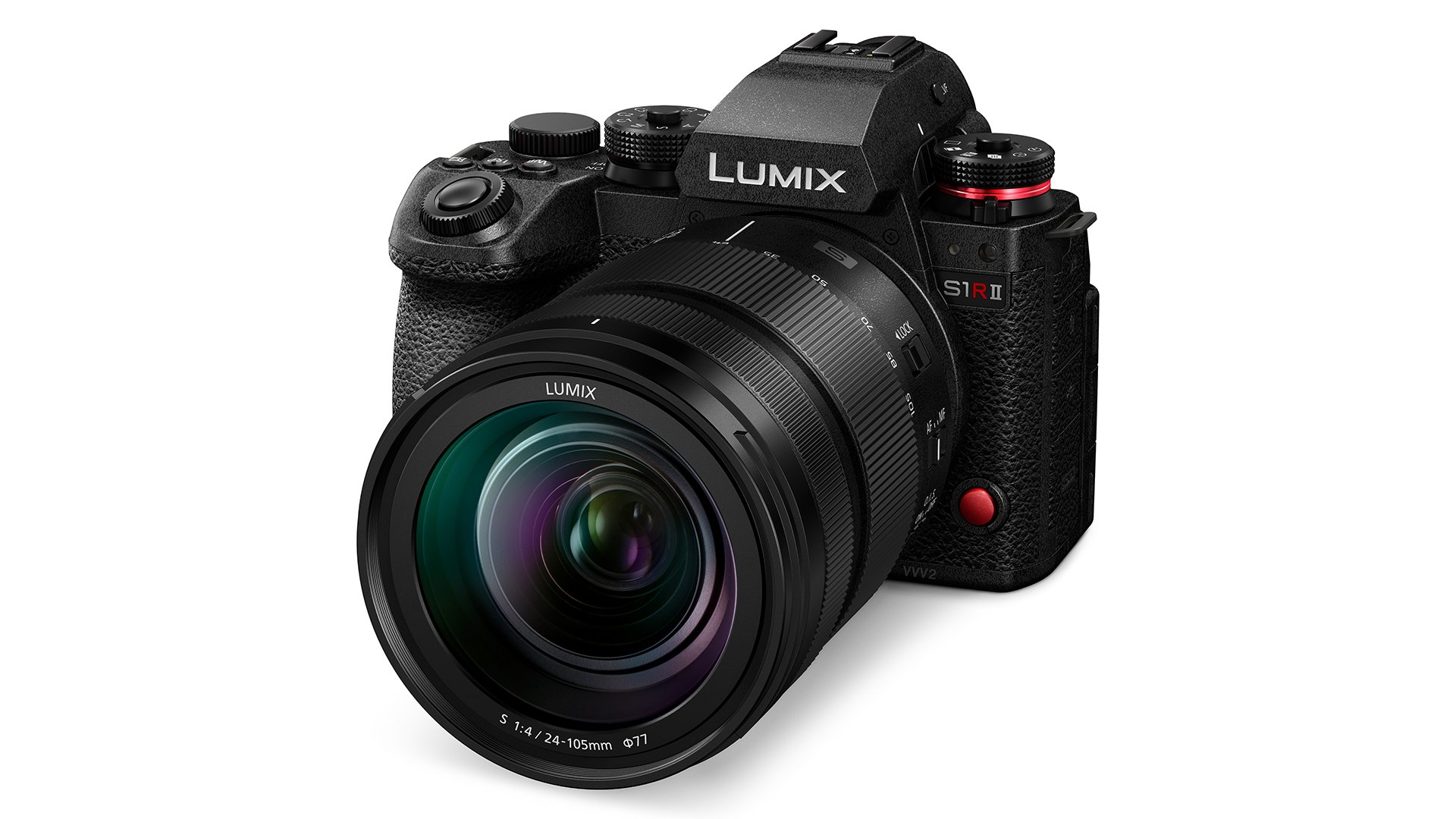
In terms of design, picking up the S1R II feels like shaking hands with an old friend, if that friend were built like a tank. Panasonic has wisely retained the chunky, ergonomic grip and professional-grade build quality that defined the first generation. The magnesium alloy body is fully weather-sealed, and every button and dial provides satisfying, tactile feedback. While this robust construction inspires immense confidence in harsh conditions, it also means the S1R II is undeniably large and heavy. This isn’t a camera you forget you’re carrying; it’s a deliberate instrument that demands a certain commitment from its user.
Where the S1R II truly shines is in its feature set, particularly the viewfinding experience. The electronic viewfinder isn’t just a window; it’s an immersive workspace. Boasting an incredible 9.44M-dot resolution and a smooth 120fps refresh rate, it’s arguably the best EVF on the market, offering a view so crisp it’s easy to forget you’re not looking through an optical finder. Video capabilities have also received a significant boost. The camera can now capture 8K video at 30fps, though with a slight crop and some recording time limits to manage heat. More practically, its oversampled 4K/60p footage is pristine, packed with detail and benefiting from the much-improved autofocus system.
The value proposition for the Lumix S1R II is complex but compelling for the right person. It carries a professional price tag, placing it in direct competition with other high-resolution flagships. Its primary advantage lies in its holistic approach. You aren’t just buying a 61MP sensor; you’re investing in a superior build, a class-leading EVF, robust video features, and an excellent in-body image stabilization system. For professionals who need a reliable workhorse for landscape, architecture, or studio work, and who dabble in high-quality video, the S1R II presents a powerful, do-it-all package.
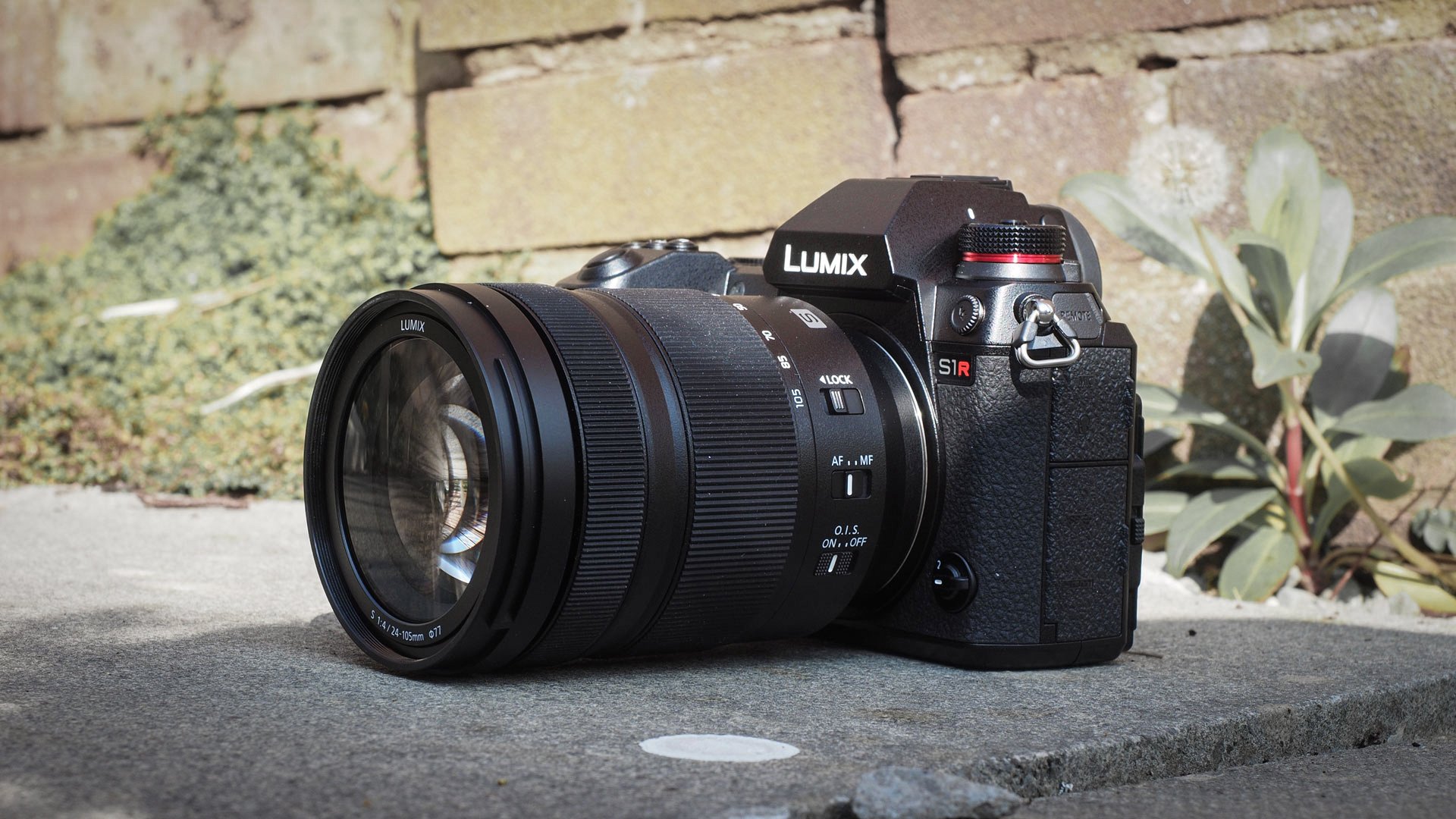
Ultimately, the Panasonic Lumix S1R II is the camera the original should have been. It’s a high-resolution powerhouse that no longer asks its users to forgive its autofocus. This is an uncompromising tool for commercial and fine art photographers who demand the utmost in detail, durability, and usability, and who are willing to carry the weight to get the shot.
Where to Buy:

Panasonic Lumix S1R II Quick Summary
Key Scores:
-
Value:
78% -
Design:
89% -
Performance:
94% -
Quality:
92% -
Popularity:
82%
Top Pros
- ✅ Phase-detect autofocus transforms tracking and subject acquisition performance.
- ✅ The new 61MP sensor delivers an astonishing level of detail.
- ✅ Its build quality is exceptionally robust and fully weather-sealed.
- …
Key Cons
- ❌ The body remains one of the largest and heaviest options.
- ❌ Its premium price point places it out of many budgets.
- ❌ High-resolution video recording can lead to significant battery drain.