Tech Essentials





Just when the CPU market seemed to settle, AMD has reignited the performance conversation with its Ryzen 9000 series. These Zen 5 processors promise a significant leap in efficiency and power, challenging established benchmarks across gaming and productivity. It’s a bold move that could redefine expectations for desktop computing this year.
AMD’s new Zen 5 architecture is an exercise in refinement, delivering a potent upgrade without demanding a full system overhaul. The headline figure is an average 16% IPC (instructions per clock) uplift over the previous generation, a substantial gain achieved through a smarter, wider, and faster front-end design. This isn’t just a numbers game; the improvement feels tangible in everything from application loading times to complex multi-threaded workloads. The flagship Ryzen 9 9950X continues its reign as a 16-core productivity powerhouse, but the real story might be in the lower-tier models. The Ryzen 7 9700X and Ryzen 5 9600X now operate at a remarkably low 65W TDP, offering incredible performance-per-watt that makes building a quiet yet powerful rig easier than ever.
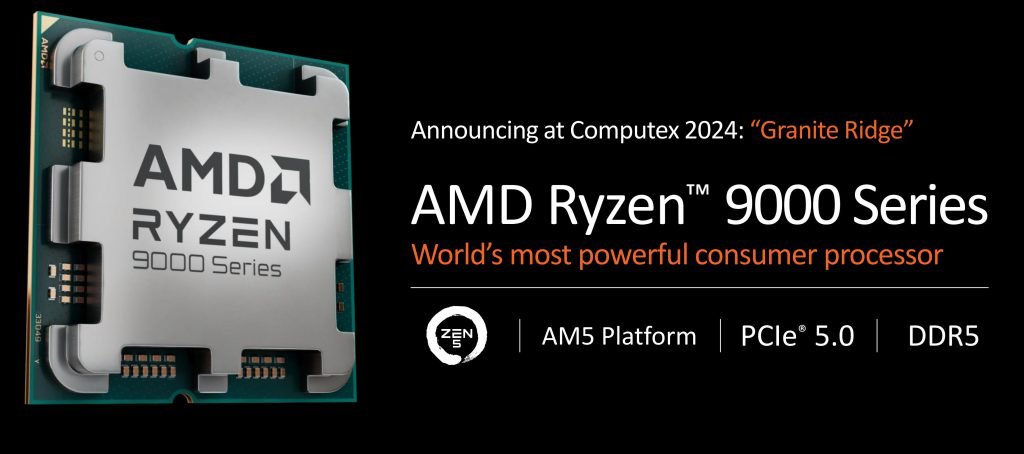
One of the most compelling aspects of the Ryzen 9000 series is its commitment to the existing AM5 socket. This decision is a massive win for consumers, offering a direct drop-in upgrade path for anyone who invested in the platform with Ryzen 7000. It fosters loyalty and removes the financial sting of needing a new motherboard for the latest-and-greatest CPU. Complementing the new processors are the X870 and X870E chipsets, which standardize modern features like PCIe 5.0 for both the graphics card and an NVMe drive, alongside mandatory support for high-speed USB4. This forward-thinking approach ensures that new AM5 builds are not just fast today but are also prepared for the next wave of high-speed peripherals and storage.
However, the launch isn’t without its nuances. While the IPC gains are impressive across the board, the most dedicated gamers may feel a pang of absence. AMD has held back the 3D V-Cache “X3D” variants, which have historically been the definitive gaming champions. This means that while the standard Ryzen 9000 CPUs are top-tier gaming contenders, the ultimate gaming crown may have to wait for a future release. This makes the value proposition slightly complex for those building a machine purely for gaming, especially when the excellent and now more affordable Ryzen 7 7800X3D still exists.
Ultimately, the Ryzen 9000 series is a statement of confident execution. It delivers a meaningful performance leap, champions power efficiency, and respects its user base with a stable platform. For content creators, developers, and power users seeking the pinnacle of multi-core performance without sky-high power draw, the top-end models are a clear choice. For mainstream gamers and new builders, the series represents the most logical and future-proof platform to invest in, even if the absolute gaming fanatics might be better served by waiting for the inevitable X3D models to make their debut.

Where to Buy:
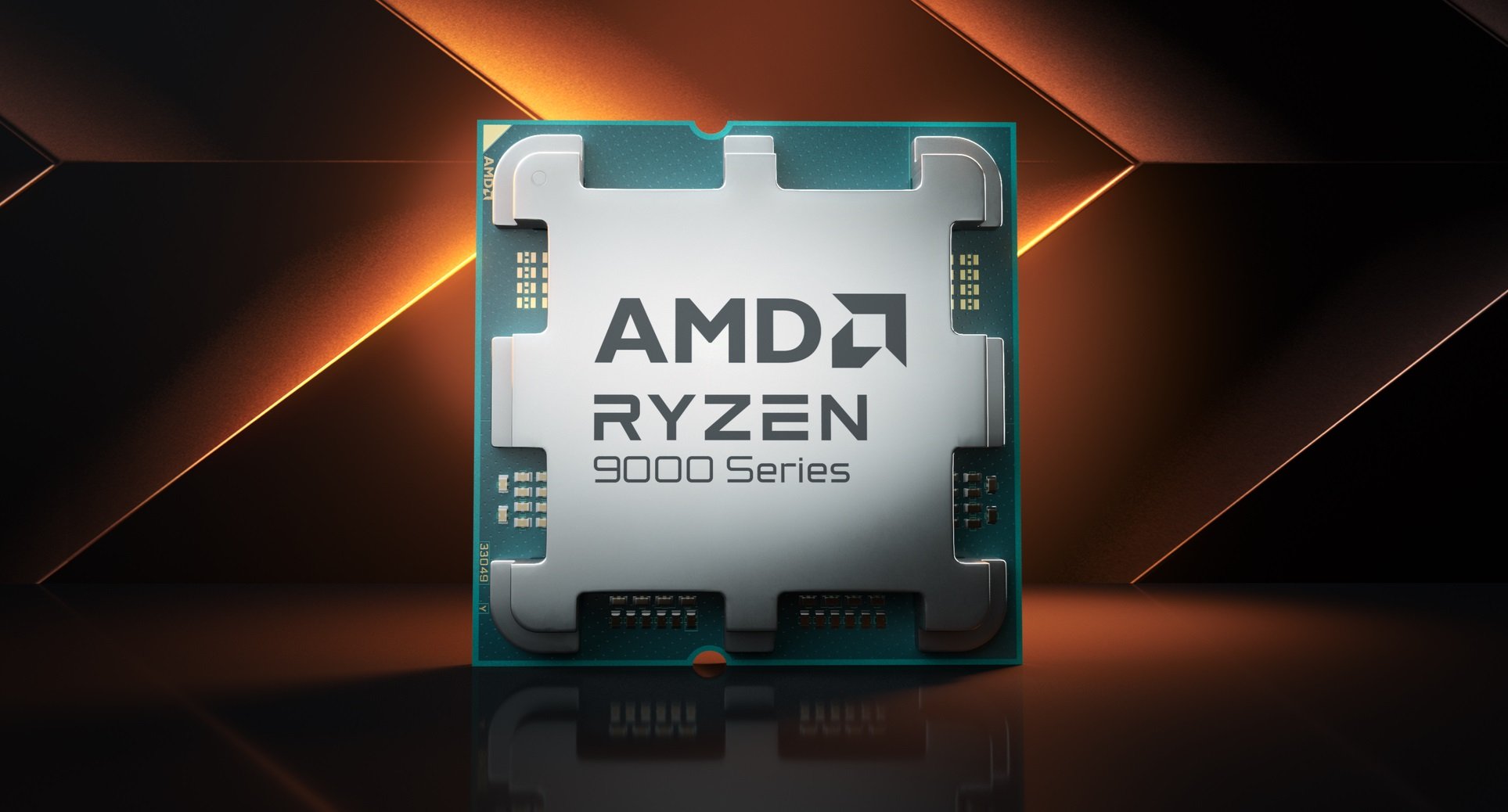
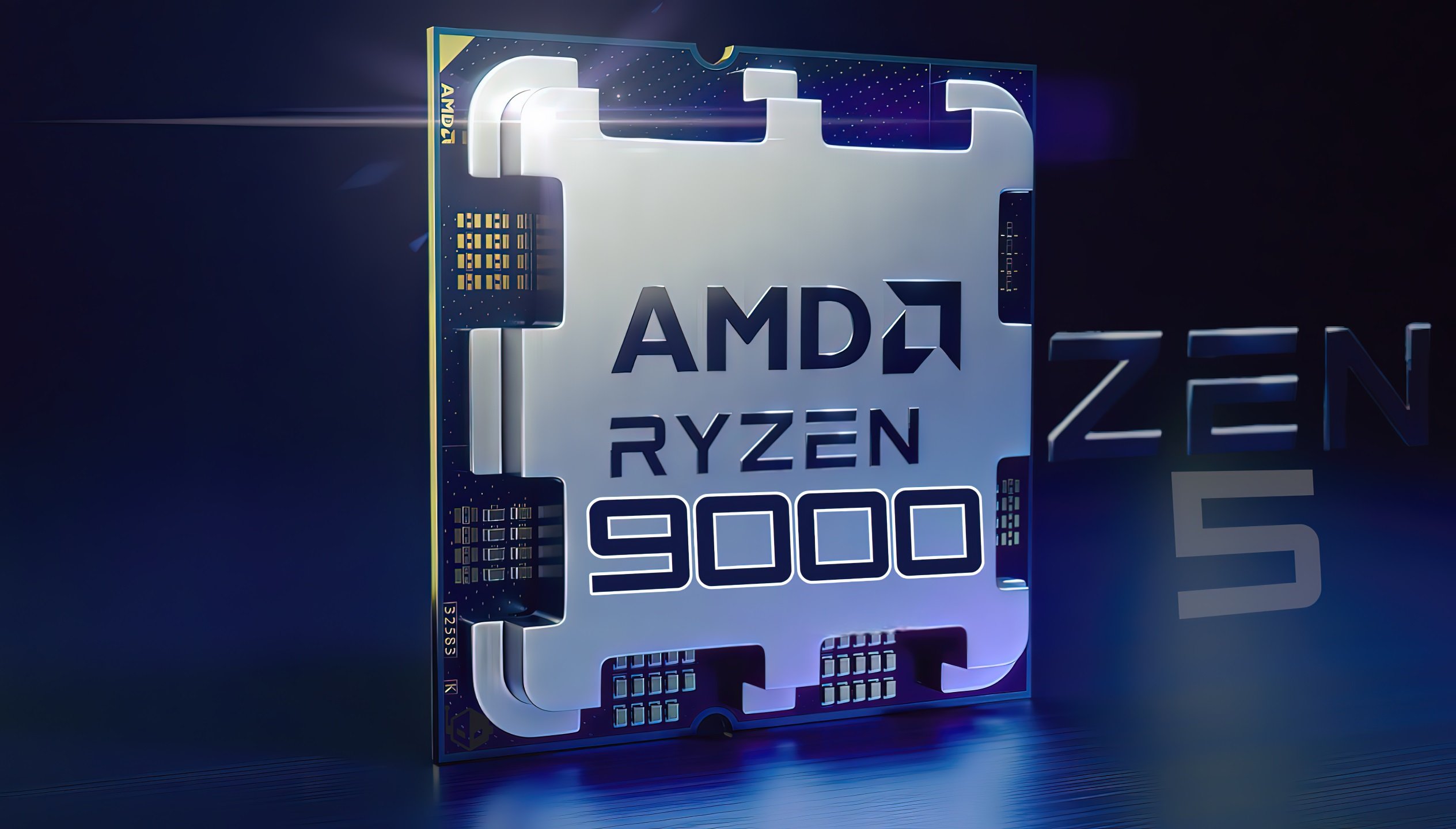
AMD Ryzen 9000 Series Processors (Zen 5) Quick Summary
Key Scores:
-
Value:
90% -
Design:
94% -
Performance:
95% -
Quality:
92% -
Popularity:
93%
Top Pros
- ✅ Impressive IPC gains deliver substantial performance improvements.
- ✅ Exceptional power efficiency results in lower thermal output.
- ✅ Support for the AM5 socket offers an easy upgrade path.
- …
Key Cons
- ❌ Launch lineup lacks the highly anticipated 3D V-Cache variants.
- ❌ Overall platform cost can still be high for new builders.
- ❌ Gaming uplift may not justify upgrading from last-gen X3D chips.