Tech Essentials





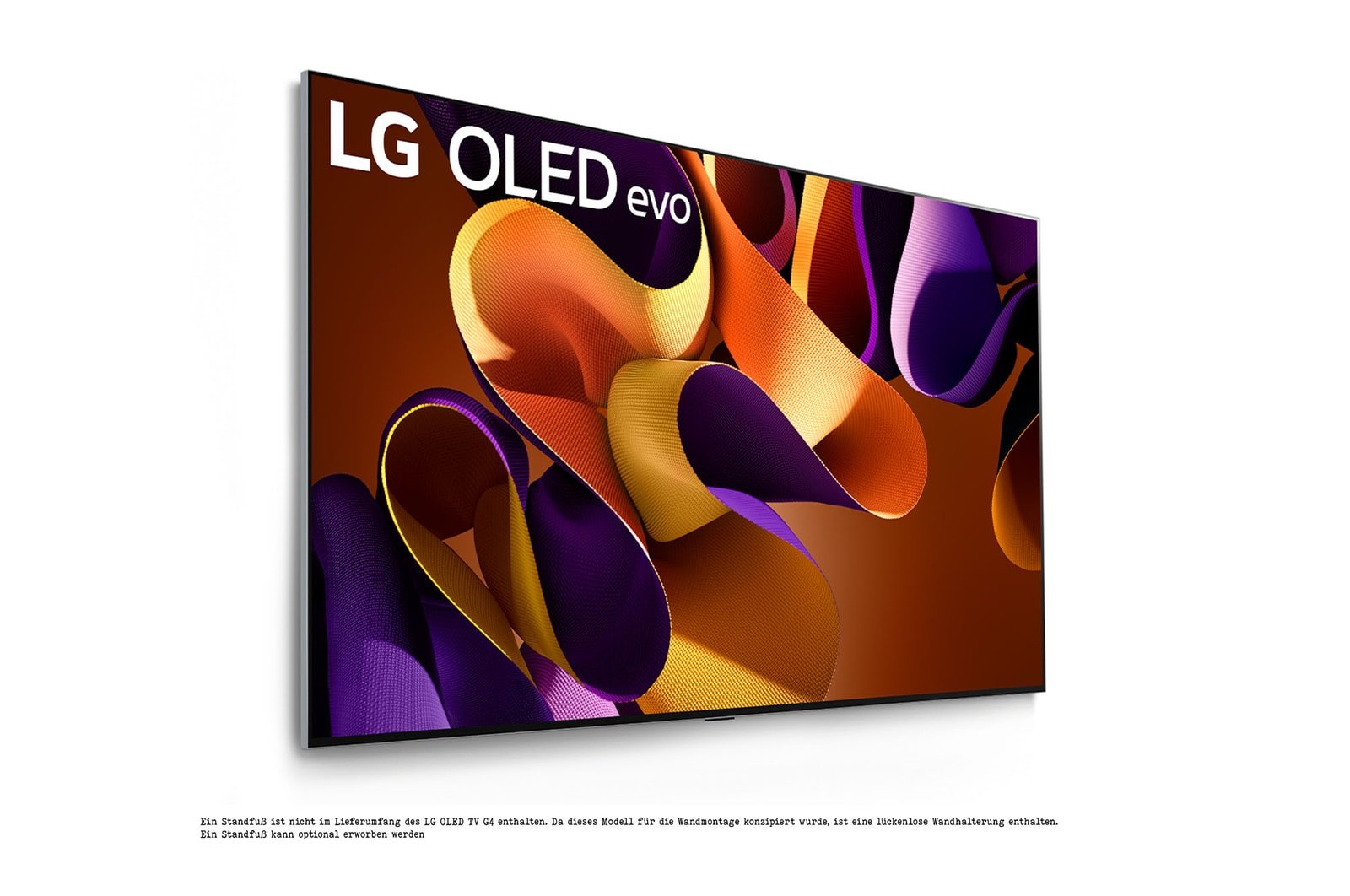
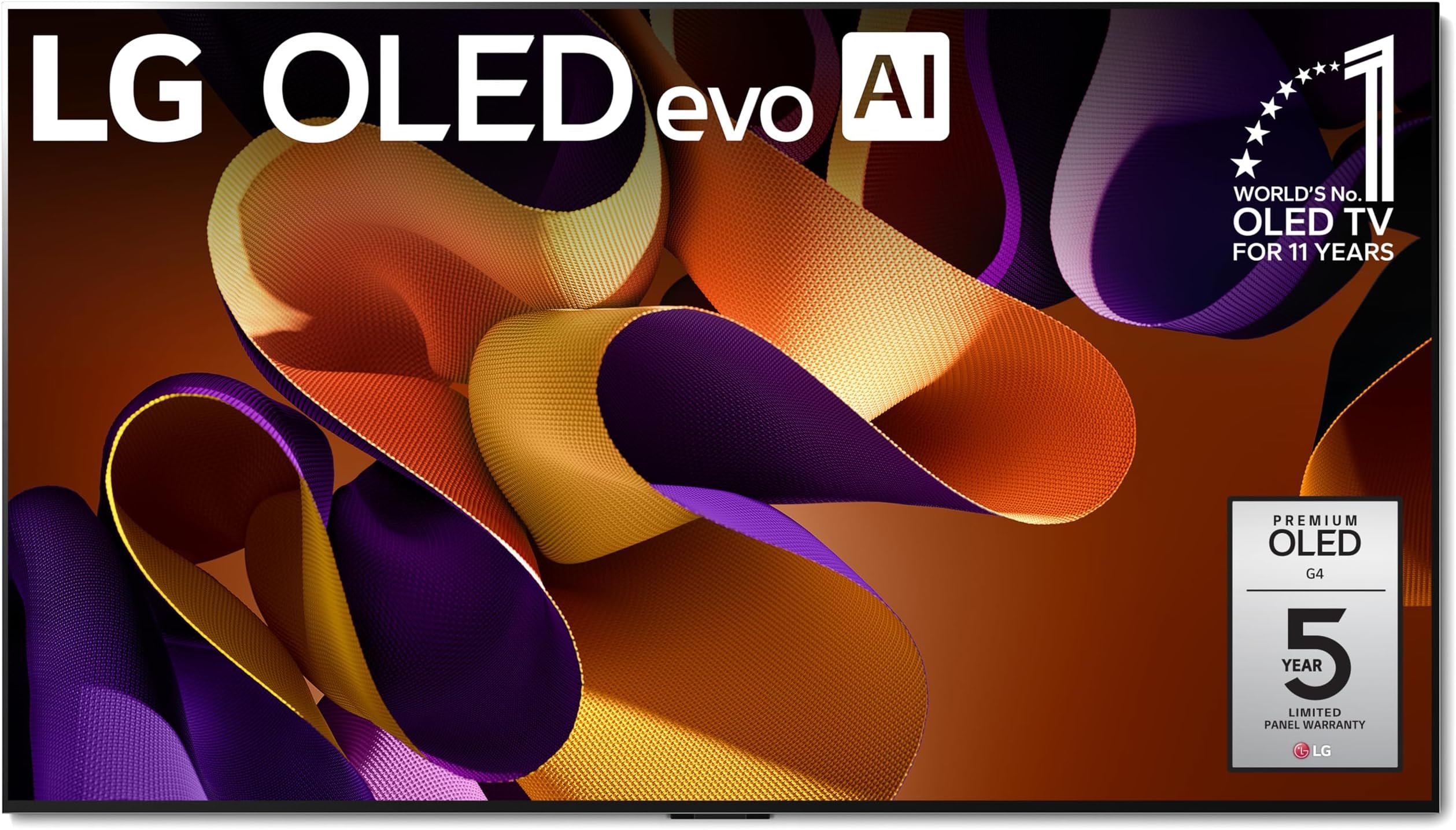
LG’s G-series has long been the benchmark for what a flagship OLED can achieve, blending gallery-worthy aesthetics with cutting-edge panel technology. This year, the LG OLED evo G4 arrives not with a revolution, but with a series of potent refinements that push the boundaries of brightness and processing. It raises the question of whether incremental perfection is enough to maintain its reign at the pinnacle of television.
The G4’s primary mission is to deliver the best picture quality possible, and it largely succeeds by getting brighter than ever. Building on last year’s Micro Lens Array (MLA) technology, LG’s new panel achieves blistering peak brightness levels that make HDR content leap off the screen. specular highlights in movies and games have an almost three-dimensional quality, and the set’s ability to maintain this luminance in a moderately lit room is a significant step forward for OLED. Powering this is the new Alpha 11 AI processor, a genuinely impressive piece of silicon that enhances object definition and color grading in real-time. The result is a picture that feels sharper and more vibrant without looking artificial, pulling details out of shadows and highlights with uncanny precision. For gamers, the upgrade to a 144Hz refresh rate, complete with G-Sync and FreeSync certification, makes the G4 an end-game display for high-end PC and console gaming, offering impossibly smooth motion and near-zero input lag.

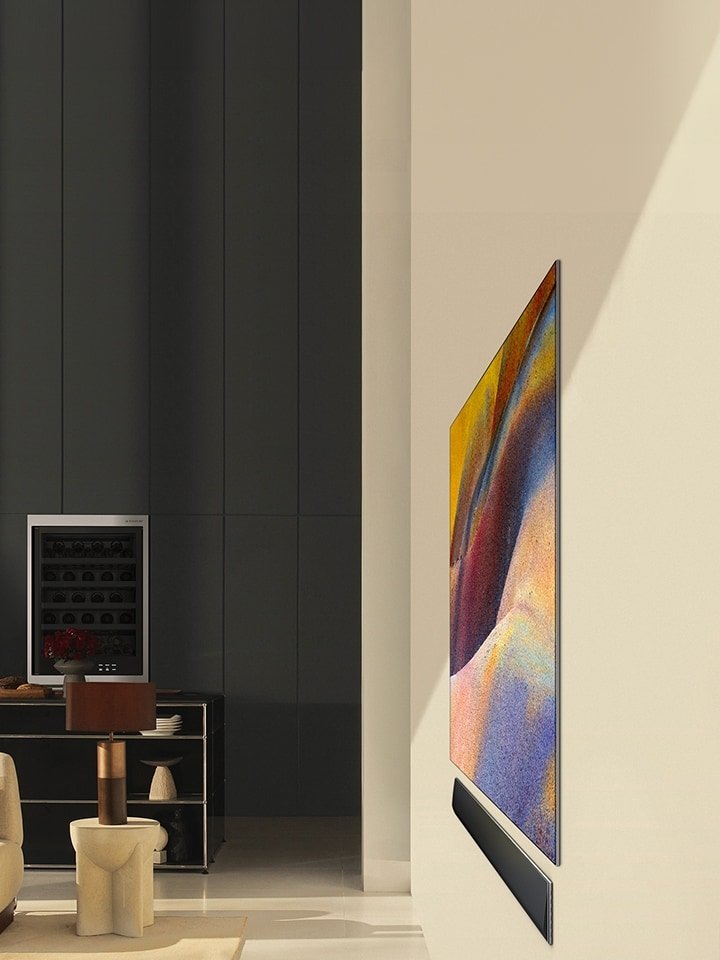
True to its “Gallery” designation, the G4 is designed to be a piece of art on your wall. It maintains the signature “One Wall Design,” a uniformly thin chassis that sits completely flush against the wall using the included zero-gap mount. The build quality is exceptional, with a robust metal frame that feels every bit as premium as its price suggests. The one major caveat to this design-first approach is the stand—or lack thereof. If you don’t plan on wall-mounting, a stand is an optional, and rather expensive, add-on. While the new stand is sleek and functional, its exclusion from the box feels like a calculated decision that penalizes a significant portion of potential buyers.
On the software front, webOS 24 continues to be a fast and comprehensive smart platform. The introduction of individual user profiles helps tailor content recommendations, and the layout is slightly more streamlined than previous versions. However, the interface is still busy, and the prominent placement of sponsored content can be distracting. Audio performance from the internal speakers is serviceable for casual viewing, delivering clear dialogue, but it lacks the low-end punch and immersion required for cinematic content. To its credit, LG’s WOW Orchestra feature, which syncs the TV’s speakers with a compatible LG soundbar, creates a much fuller soundscape and is a compelling reason to stay within the LG ecosystem for your audio needs.
Ultimately, the LG G4 is a statement piece. It represents the peak of LG’s current OLED technology, engineered for those who refuse to compromise on picture quality and aesthetic integration. Its price is undeniably steep, and its value proposition becomes complex when compared to the excellent and more affordable C4 series, which will satisfy the vast majority of users. However, for the home theater purist who needs the absolute brightest OLED for a challenging room, or the hardcore gamer looking to max out a powerful PC, the G4’s incremental gains are meaningful. It’s a television built for the discerning few, not the masses.
Where to Buy:
LG OLED evo G4 Quick Summary
Key Scores:
-
Value:
75% -
Design:
95% -
Performance:
98% -
Quality:
93% -
Popularity:
88%
Top Pros
- ✅ Class-leading brightness levels produce stunning HDR highlights.
- ✅ Picture processing from the Alpha 11 AI chip is remarkably effective.
- ✅ Native 144Hz support makes it an elite choice for PC gaming.
- …
Key Cons
- ❌ The premium price tag places it out of reach for many buyers.
- ❌ A stand is not included and must be purchased separately.
- ❌ The webOS smart platform still includes prominent advertisements.