Tech Essentials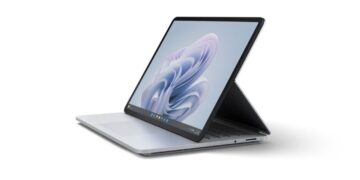
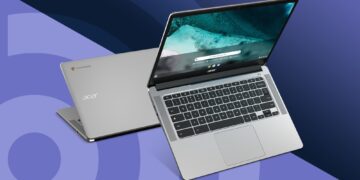
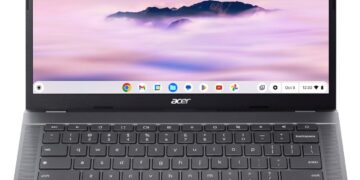

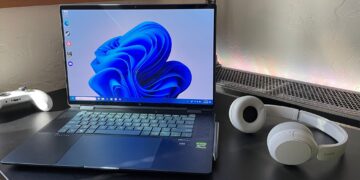
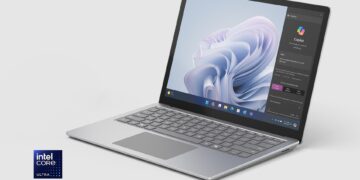



For years, the promise of truly intelligent personal computing has felt just over the horizon. With the arrival of Copilot+ PCs, Microsoft is making a bold claim that the future is finally here, embedding AI not as an application, but as the very fabric of the operating system. These new machines represent a fundamental rethinking of the laptop, and after spending time with them, it’s clear this is more than just a marketing push.
The most significant shift with Copilot+ PCs is what’s under the hood. Ditching traditional x86 processors for Qualcomm’s new Snapdragon X series chips, these laptops are built around a powerful Neural Processing Unit (NPU) designed specifically for AI tasks. This architecture delivers two immediate, tangible benefits: staggering battery life and a cool, quiet operating experience. We’re seeing genuine multi-day usage on a single charge for light productivity, a feat that fundamentally changes how you interact with a portable device. Performance for native applications is snappy and responsive, easily rivaling competitive hardware in day-to-day tasks. The new Prism emulation layer for running older Windows apps is surprisingly capable, but it’s not flawless; users who rely on niche or performance-intensive legacy software should proceed with caution.

Of course, the hardware exists to serve the software, and this is where the “Copilot+” moniker comes into play. The flagship feature is Recall, an AI-powered photographic memory for your PC. It continuously captures snapshots of your screen, allowing you to search for anything you’ve ever seen or done on your device using natural language. In practice, it can feel like magic, instantly finding that one specific slide in a presentation you glanced at last week. However, the privacy implications are impossible to ignore. While Microsoft insists the data is local and secure, the concept of an unblinking digital chronicler will be a non-starter for many, and its implementation feels like a beta test on a grand scale. Other features, like Live Captions with real-time translation and enhanced Windows Studio Effects for video calls, are less controversial and more universally useful, offloading work to the NPU to run seamlessly without draining your battery.
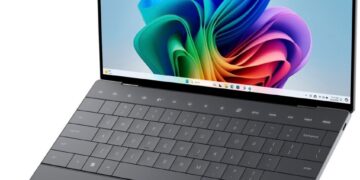
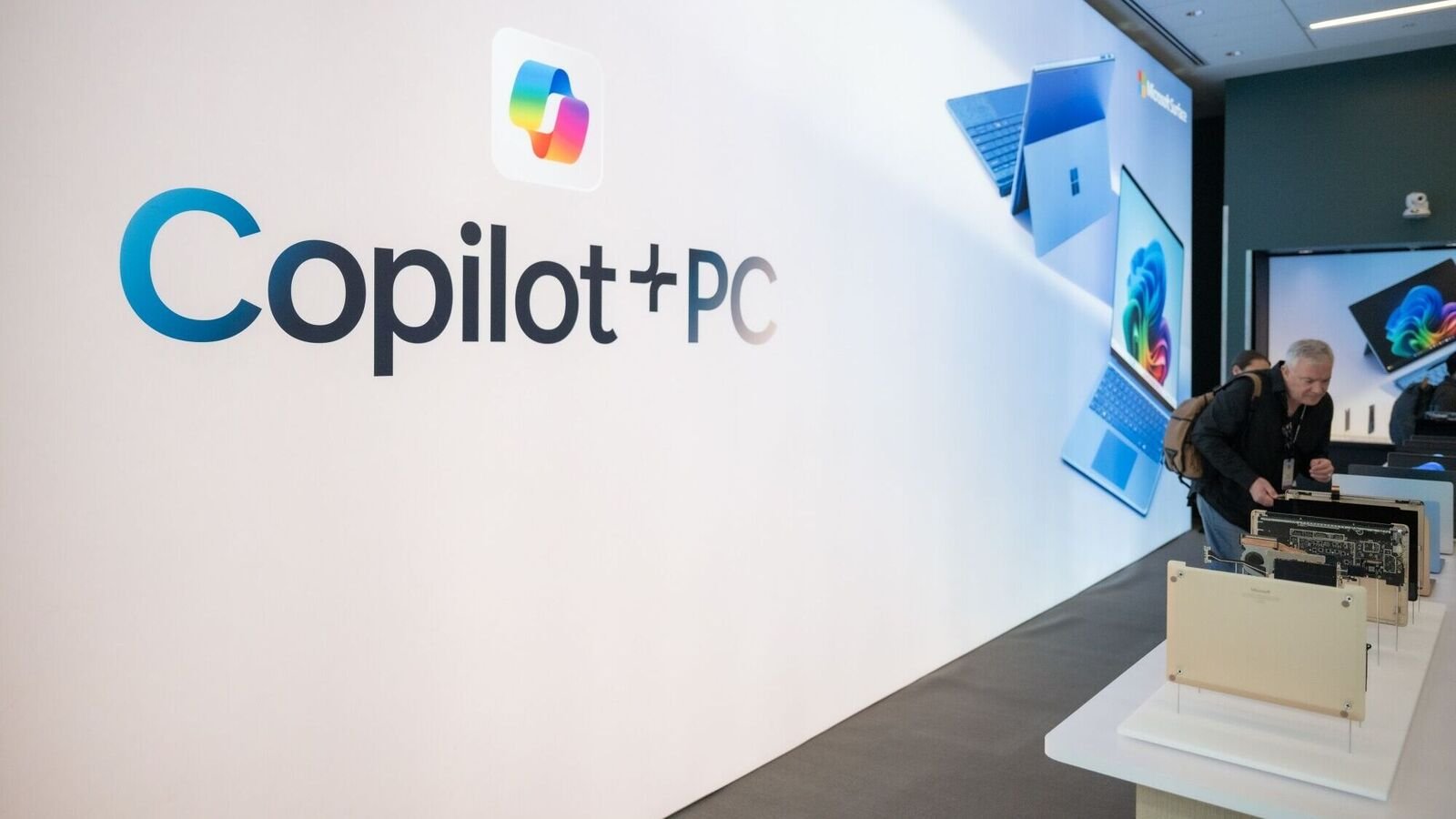
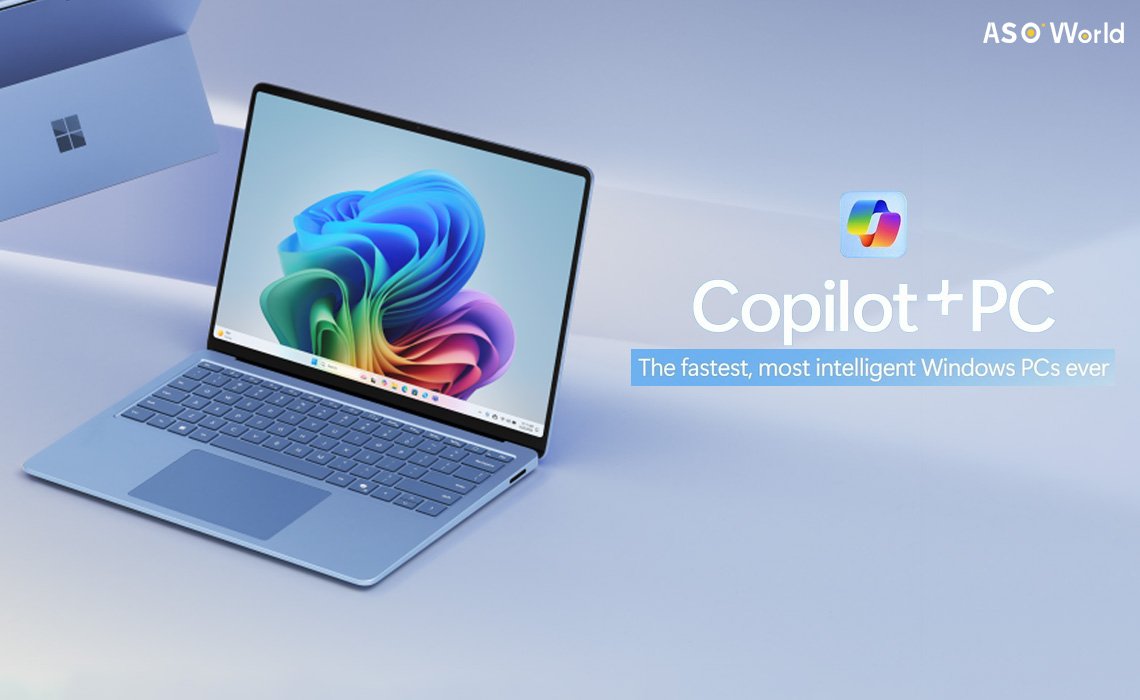
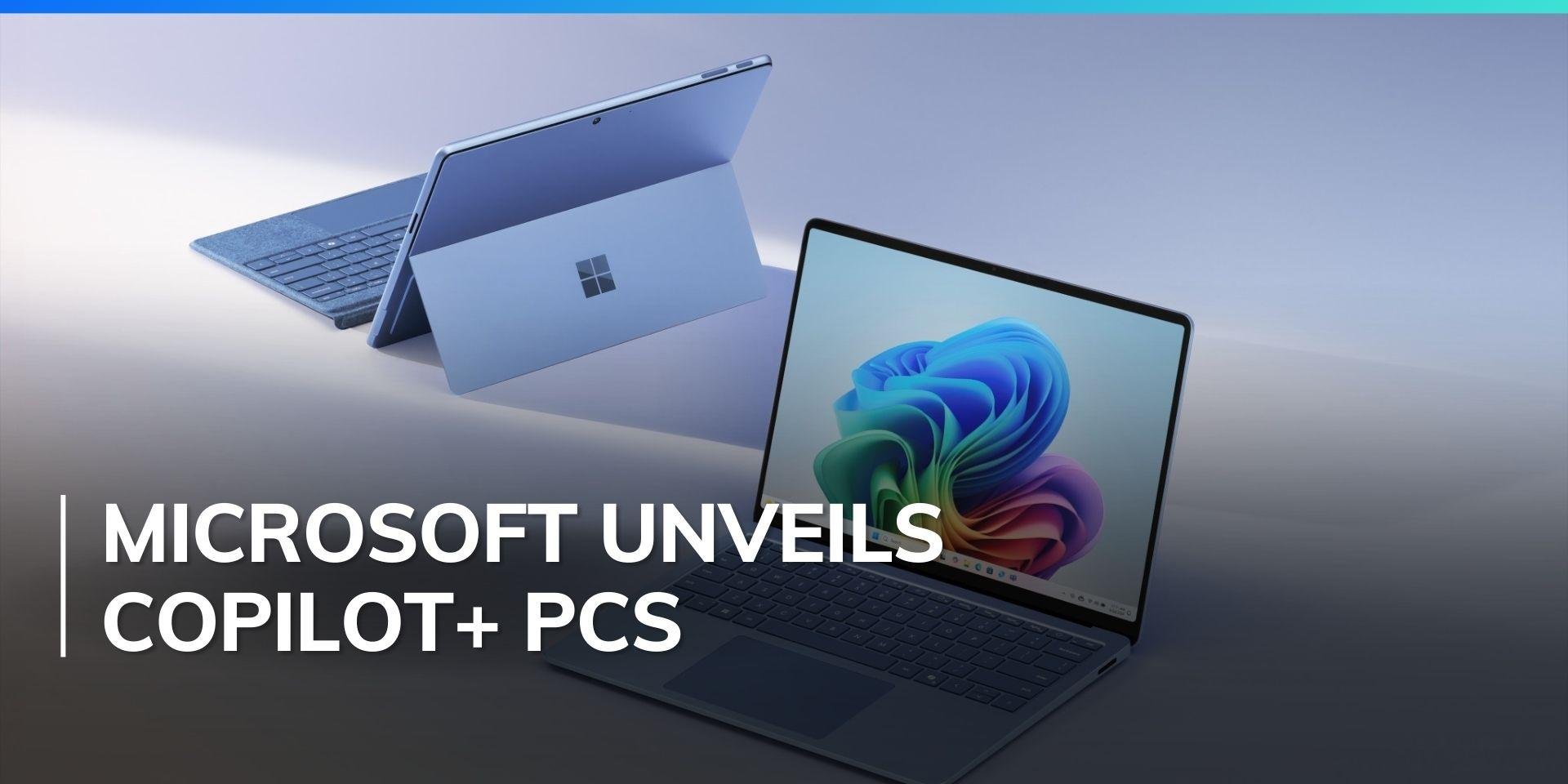
The physical hardware from launch partners like Dell, HP, and Microsoft itself is uniformly premium. These are thin, light, and well-constructed machines that feel every bit as polished as their high-end price tags would suggest. The move to Arm architecture allows for designs that are often fanless, resulting in a completely silent user experience that is a luxury you don’t realize you want until you have it. The value proposition, however, is complex. You are paying a premium to be an early adopter of a new computing paradigm. The AI features are powerful but still in their infancy, and the ecosystem of native Arm-based Windows applications is still growing.
Ultimately, Copilot+ PCs feel like the ambitious first chapter in a new story for Windows. They are a compelling choice for professionals, students, and road warriors who prioritize battery life, portability, and cutting-edge AI tools above all else. For those deeply embedded in legacy software ecosystems or with significant privacy concerns about features like Recall, this first generation may be a revolution best observed from the sidelines for now.
Where to Buy:
Microsoft Copilot+ PCs Quick Summary
Key Scores:
-
Value:
80% -
Design:
90% -
Performance:
85% -
Quality:
92% -
Popularity:
80%
Top Pros
- ✅ Exceptional battery life redefines all-day mobile productivity.
- ✅ On-device AI features run quickly and efficiently.
- ✅ Systems remain impressively cool and quiet during operation.
- …
Key Cons
- ❌ The controversial Recall feature raises significant privacy concerns.
- ❌ App compatibility for legacy x86 software remains a risk.
- ❌ Premium pricing places them against well-established competitors.
- …