Tech Essentials






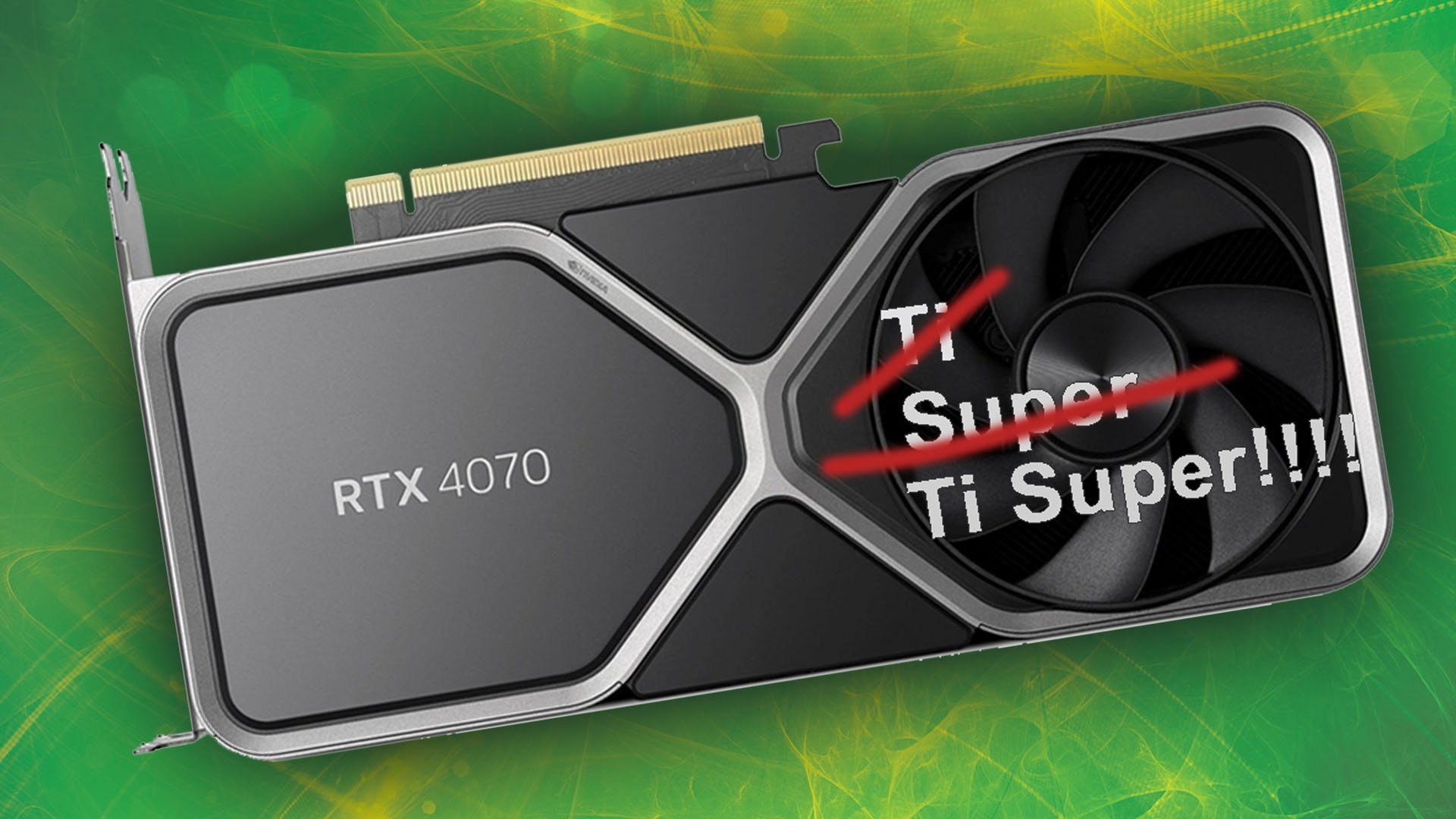
NVIDIA’s SUPER refresh aims to sharpen the value proposition of its 40-series lineup, and no card embodies this effort more than the GeForce RTX 4070 Ti Super. It arrives as a direct replacement, promising more memory and a wider bus to tackle the ever-increasing demands of modern games. This graphics card seeks to redefine high-end 1440p gaming while making 4K more accessible than ever before.
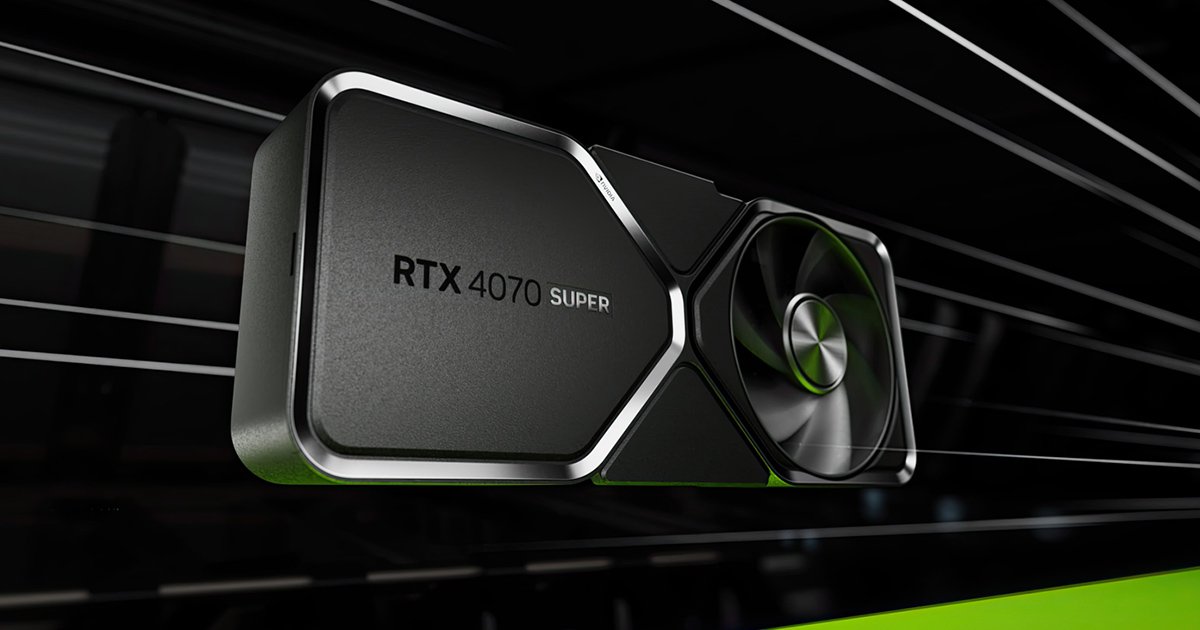
The GeForce RTX 4070 Ti Super is less of a refresh and more of a course correction. It addresses the key criticisms of its predecessor—namely, the 12GB VRAM and 192-bit memory bus—by upgrading to a more robust 16GB of GDDR6X VRAM on a 256-bit bus. This isn’t just a numbers game; it’s a fundamental hardware upgrade, utilizing the larger AD103 GPU die also found in the RTX 4080. The result is a card that feels significantly more equipped for the future, especially as game developers target higher resolutions and more complex texture assets. In practice, this translates to a performance uplift of around 5-10% over the original 4070 Ti, which, while not revolutionary, pushes it into a more comfortable position for 4K gaming.
At 1440p, this card is an absolute monster. It effortlessly pushes triple-digit frame rates in most modern titles at maximum settings. When you enable ray tracing, the performance remains stellar, and this is where NVIDIA’s ace-in-the-hole, DLSS 3 with Frame Generation, truly shines. Toggling this feature on can nearly double your frame rates in supported titles, delivering an incredibly smooth and responsive experience. For 4K gaming, the 4070 Ti Super is now a genuinely viable option. Where the original could sometimes struggle, the increased memory bandwidth of the Super provides the necessary headroom to maintain smooth gameplay, often holding a steady 60 FPS or more with smart settings or DLSS enabled.
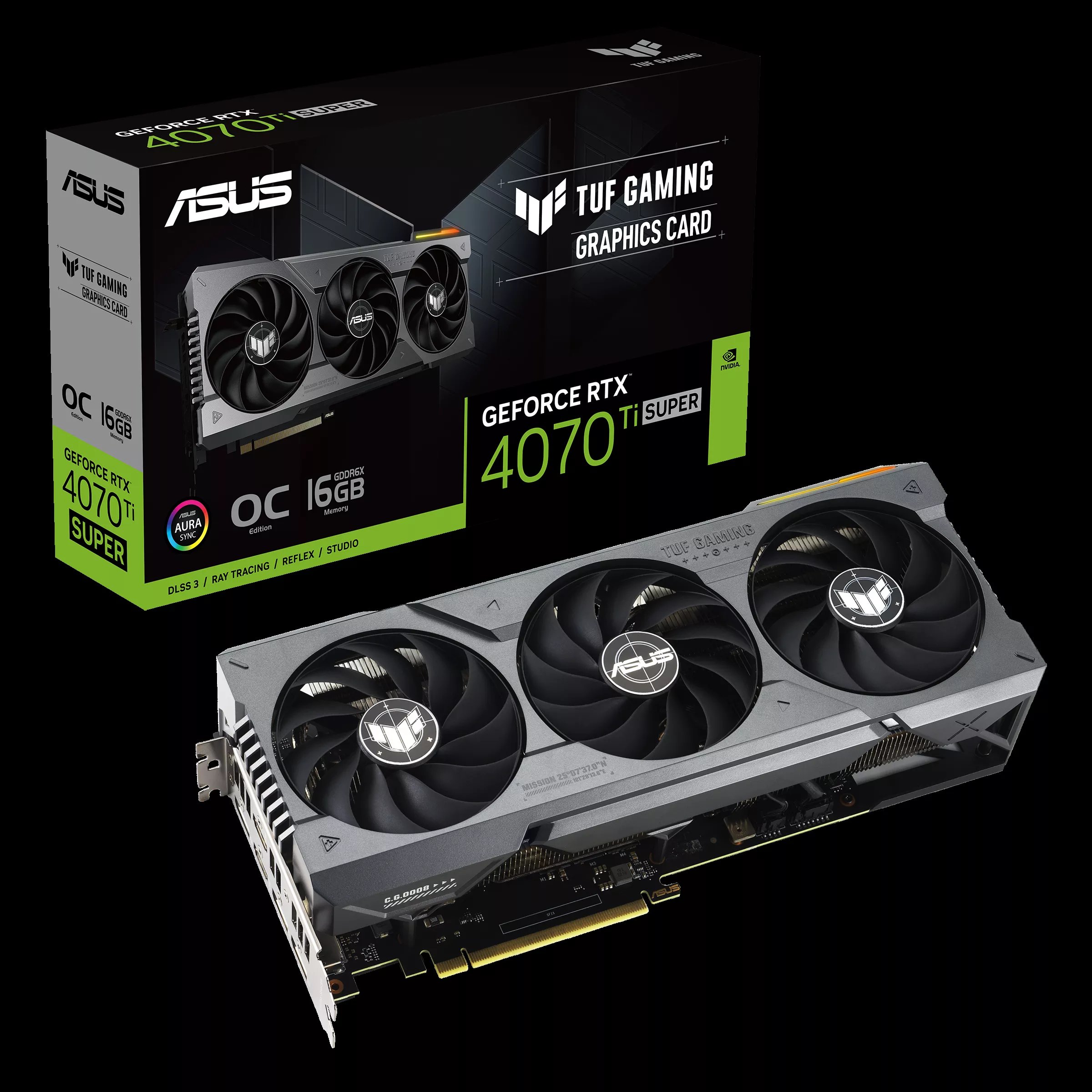
Physically, most partner cards are substantial triple-slot designs with beefy coolers. Build quality from major AIB partners is generally excellent, with metal backplates and robust thermal solutions that keep the card running cool and quiet under load. However, the large footprint means prospective buyers must double-check their case dimensions for compatibility. The card also continues to use the 12VHPWR power connector, which requires either a native ATX 3.0 power supply or the included (and often bulky) adapter, a minor inconvenience that builders should be aware of.
Priced at the same $799 MSRP as the card it replaces, the RTX 4070 Ti Super offers an undeniably better value proposition. The spec bump makes it a much more compelling product, effectively granting a free performance and memory upgrade. Its primary competition comes from AMD’s Radeon RX 7900 XT, which often trades blows in pure rasterization performance and can sometimes be found for a lower price. The decision between them boils down to ecosystem: if you prioritize superior ray tracing performance, the game-changing DLSS 3 technology, and the robust CUDA support for creative applications, the NVIDIA card makes a very strong case for itself.
Ultimately, the GeForce RTX 4070 Ti Super is the card the original 4070 Ti should have been. It’s a fantastic choice for the enthusiast gamer who wants to max out a high-refresh-rate 1440p monitor without compromise. Furthermore, its enhanced memory system makes it a confident and capable entry point into the world of 4K gaming, striking a powerful balance between performance, features, and price.
Where to Buy:

NVIDIA GeForce RTX 4070 Ti Super Quick Summary
Key Scores:
-
Value:
80% -
Design:
85% -
Performance:
90% -
Quality:
92% -
Popularity:
88%
Top Pros
- ✅ The upgraded 16GB of VRAM provides excellent future-proofing.
- ✅ It delivers exceptional performance for high-refresh-rate 1440p gaming.
- ✅ DLSS 3 technology provides a massive boost in frame rates.
- …
Key Cons
- ❌ Performance gains over the original 4070 Ti are often modest.
- ❌ Its value is challenged by competitively priced AMD alternatives.
- ❌ The large physical size may not fit in all PC cases.